Paying for transport in India isn't always the same from one ride to the next. A UPI payment that works perfectly at a hotel or railway counter may fail with an auto-rickshaw driver using a personal QR code instead of a merchant one.
Knowing which transport services accept merchant UPI payments and where cash is still necessary helps you avoid delays and keeps your journey moving smoothly.
Key highlights
- IRCTC, India's official train booking platform, accepts UPI as one of its payment options.
- Individual auto-rickshaw and taxi drivers often use personal UPI QR codes, which count as P2P transfers.
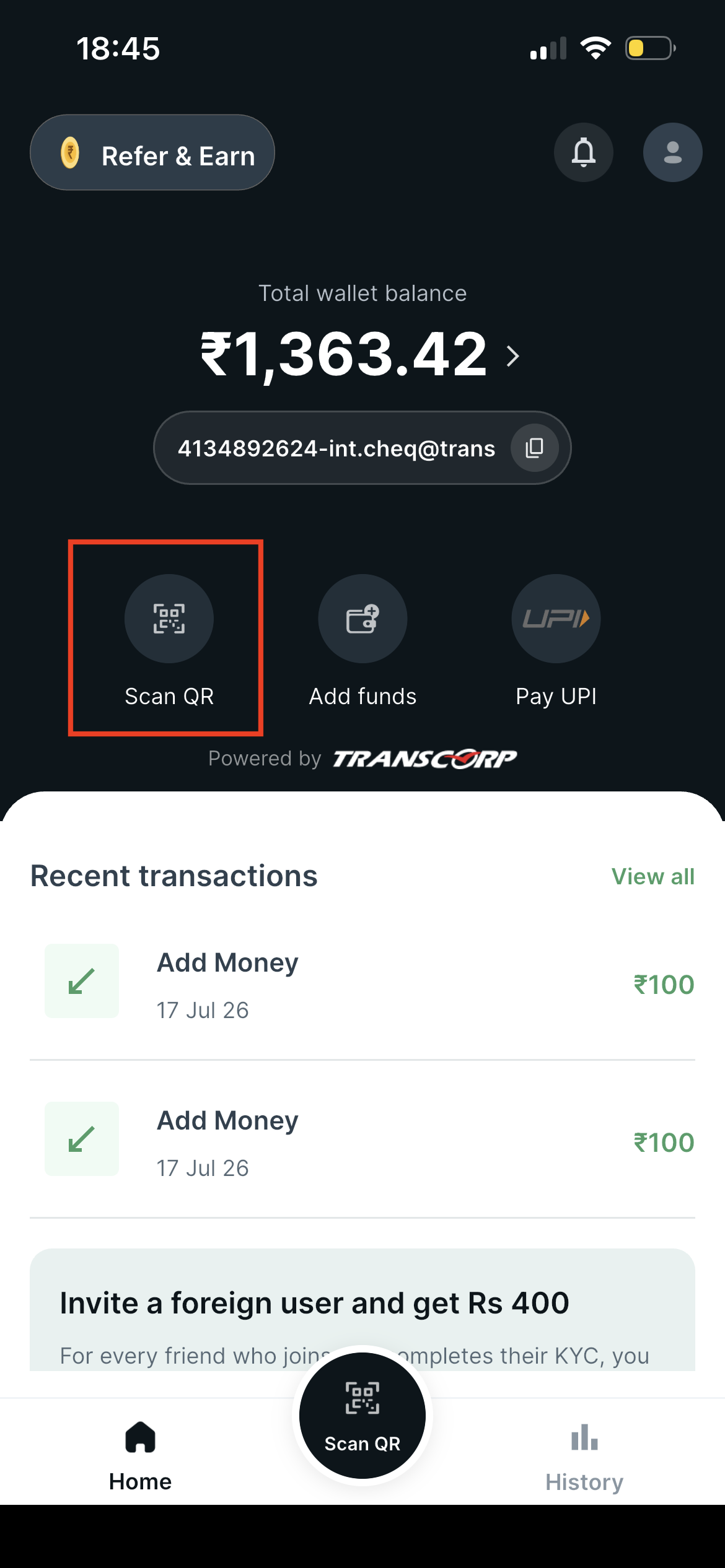
- CheqUPI supports person-to-merchant payments only. P2P transfers are not supported.
- Uber currently accepts regular UPI linked to a bank account, not prepaid wallets like CheqUPI.
- In Goa, Uber and Ola do not operate. The local taxi app is GoaMiles.
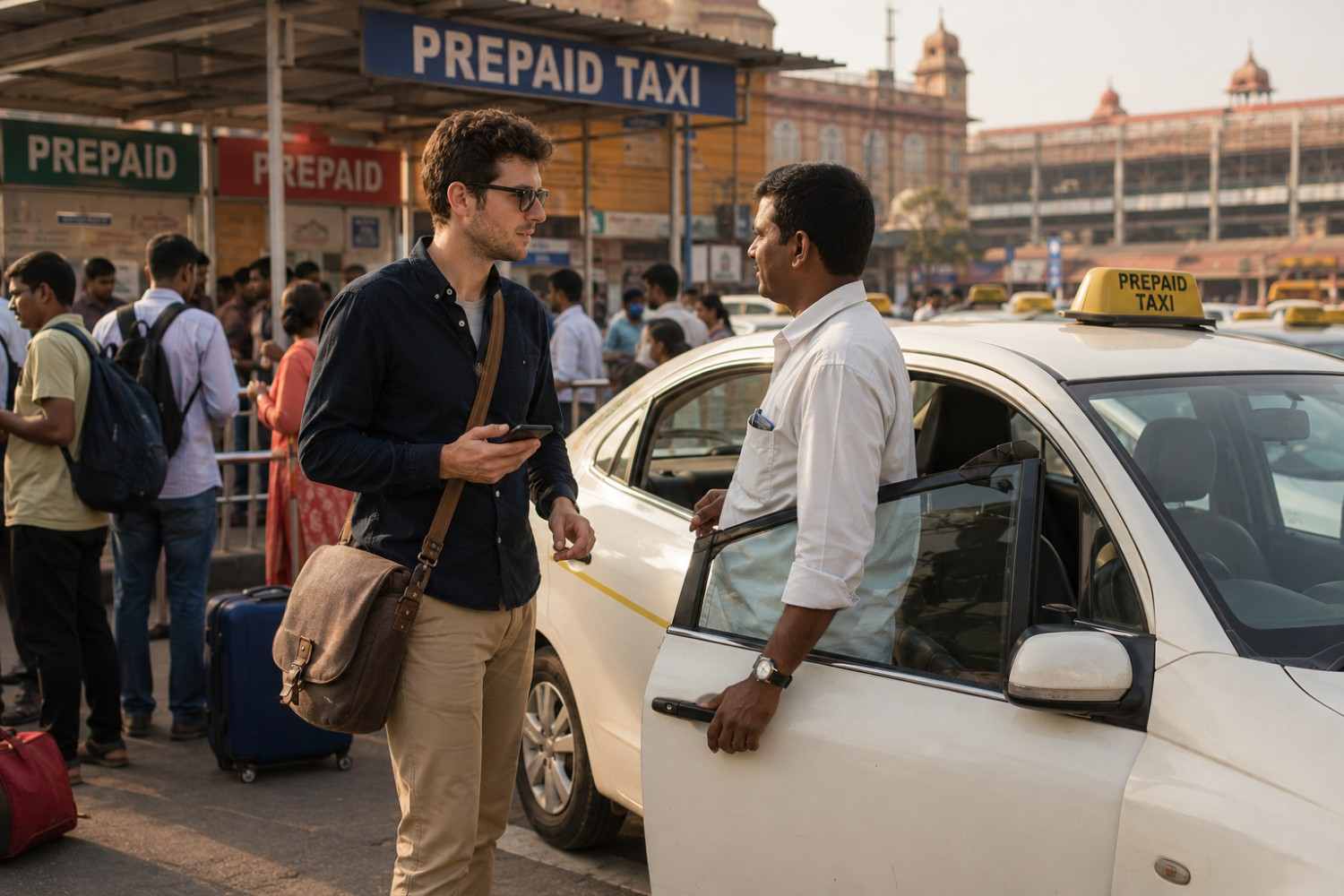
- Prepaid taxi counters at airports are registered merchants and accept card and UPI payments.
- CheqUPI is free to join for all eligible nationalities, with a loading fee of 2.95% + taxes and a 0% merchant payment fee.
Paying for train tickets on IRCTC
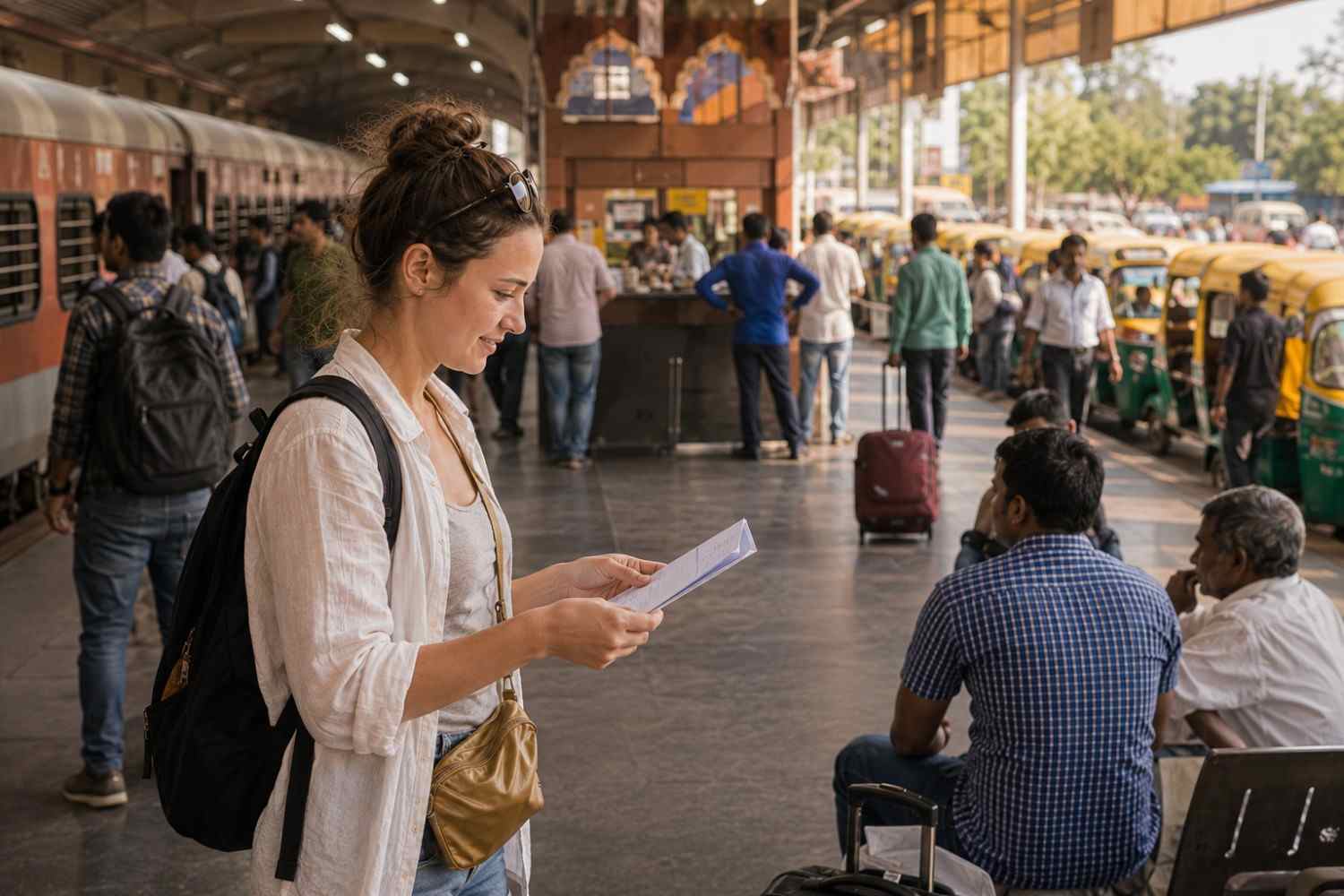
IRCTC is India's official train booking platform and a valid way to book tickets directly. It accepts UPI alongside cards and net banking, but it isn't always the easiest option for foreign travellers. Creating an IRCTC account can involve extra registration and OTP verification steps, and verifying an international phone number may carry a fee of around ₹100 plus taxes. Some travellers may also have difficulty receiving the OTP.
It's important to distinguish regular IRCTC bookings from the Foreign Tourist Quota, a separate allocation of train tickets for foreign tourists. Foreign Tourist Quota bookings have different procedures and may require booking through designated International Tourist Bureaus with your original passport and visa. CheqUPI and UPI payments for regular IRCTC bookings should not be assumed to apply to Foreign Tourist Quota bookings.
For a smoother booking experience, OTA platforms such as MakeMyTrip, Ixigo, and ConfirmTkt are worth considering. They can be more user-friendly for international travellers and may offer easier payment options, including international cards.
Paying for auto-rickshaws
Auto-rickshaw drivers frequently display a personal UPI QR code taped to the vehicle or handed over on a phone. This QR code routes to the driver's personal bank account, which makes it a P2P transfer rather than a merchant payment. CheqUPI supports person-to-merchant payments only. P2P transfers are not supported.
This means a prepaid wallet like CheqUPI will not process a payment scanned directly from a driver's personal QR code. Carrying Rs 5,000 to 10,000 (approx $52 to $104) in small cash denominations for these rides covers this gap cleanly. Always agree on the fare before the ride starts, since most auto-rickshaws in India do not run on a meter by default.
Paying for taxis and app-based rides
Prepaid taxi counters at airports and major railway stations are registered merchants, so both card and UPI payments generally work there. This makes them a reliable, cashless option right after you land. Independent taxi drivers outside these counters often behave like auto-rickshaws, running personal UPI QR codes rather than merchant accounts.
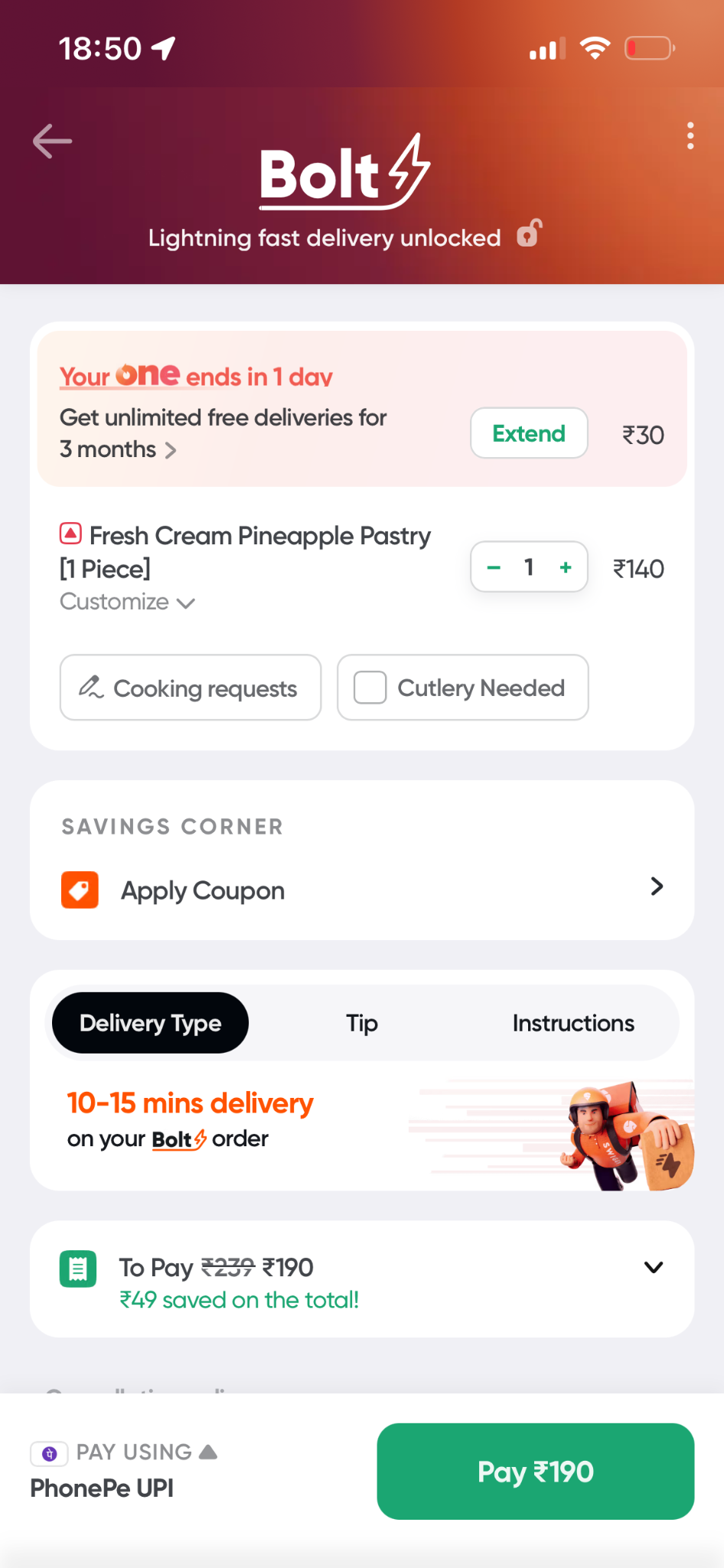
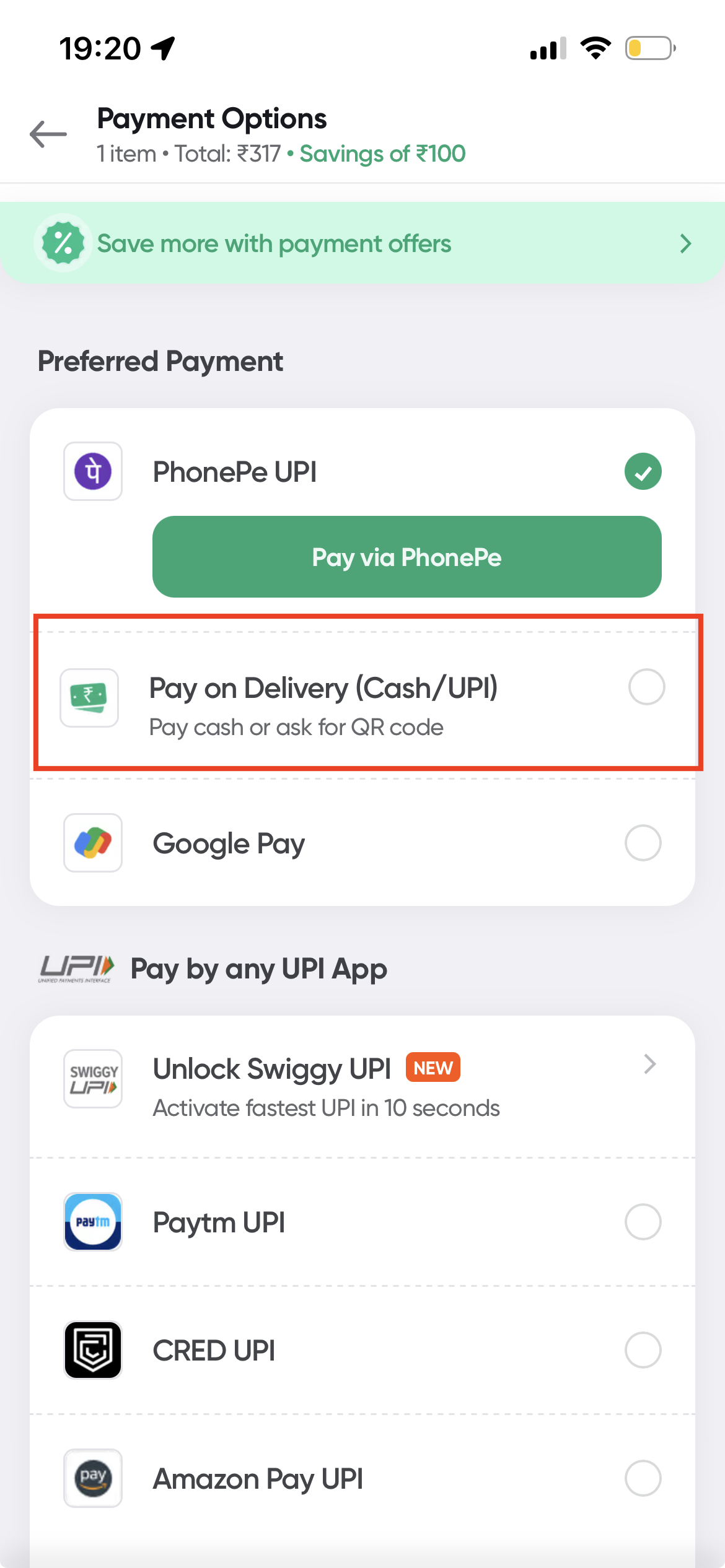
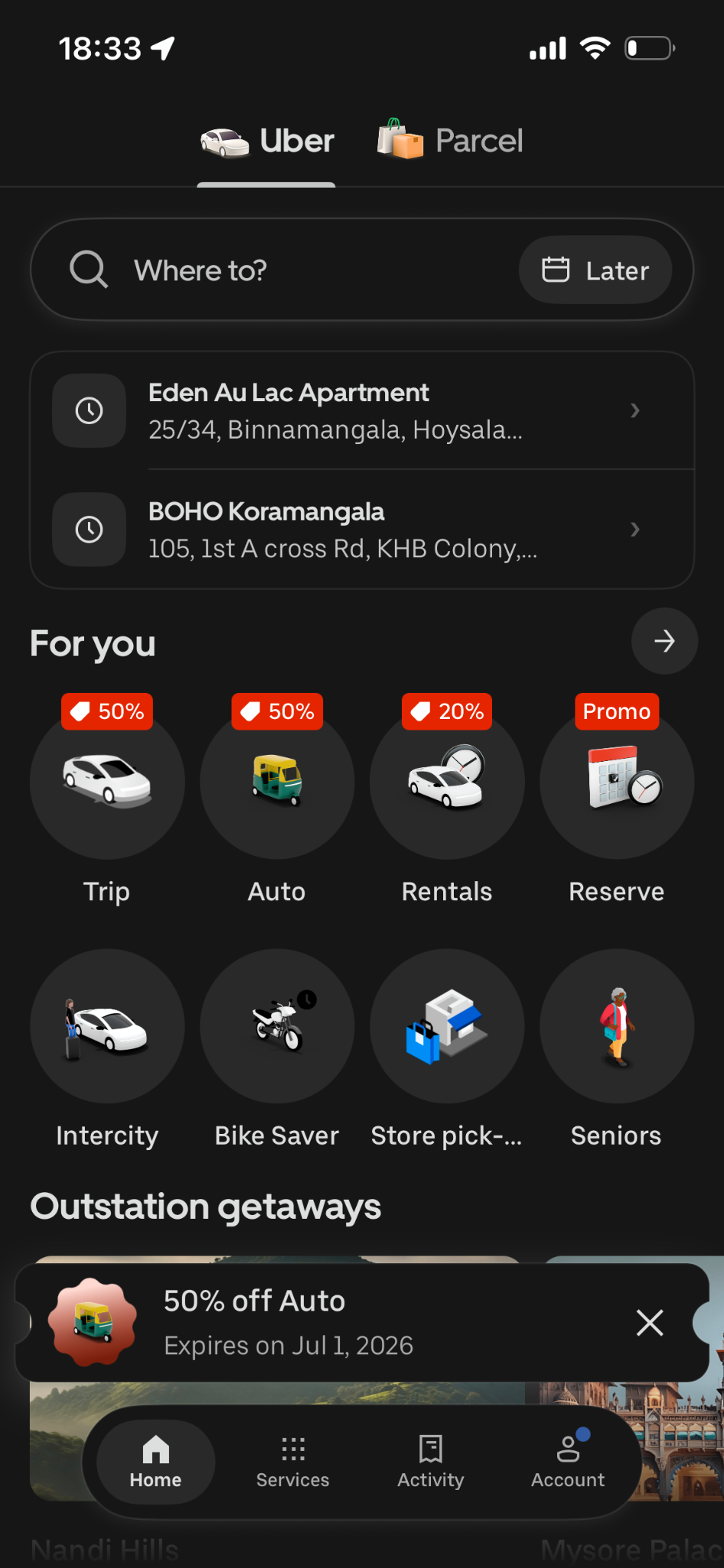
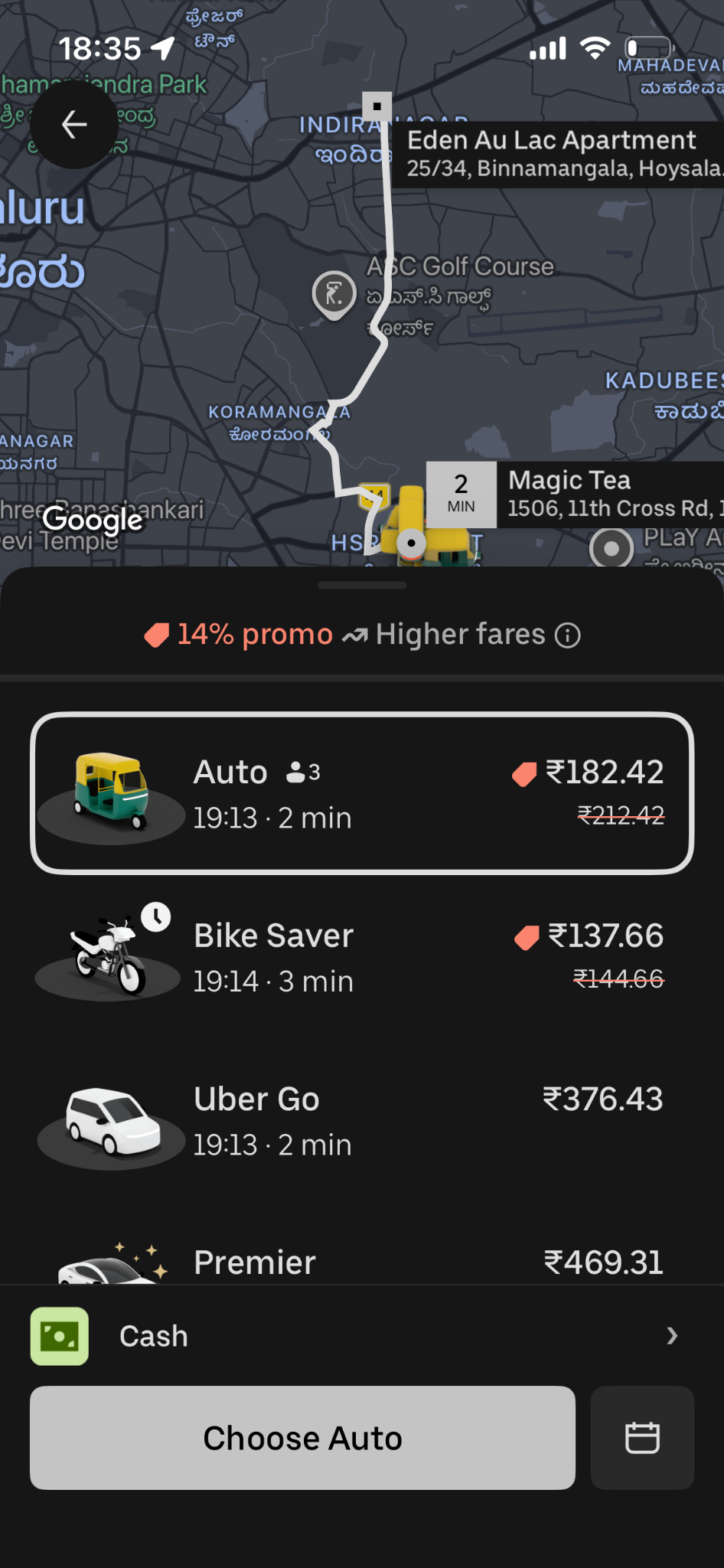
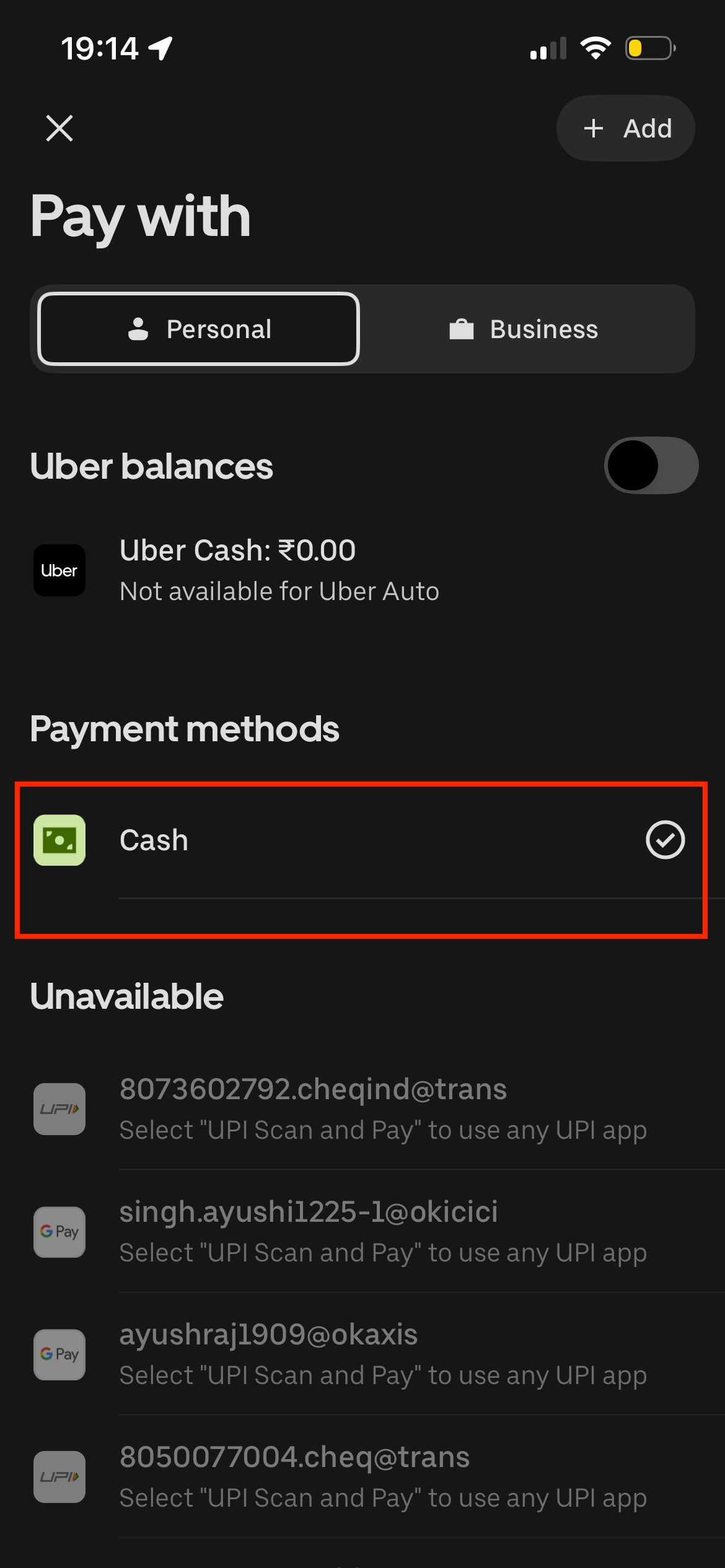
Uber currently accepts regular UPI linked to a bank account, not prepaid wallets like CheqUPI. This means a CheqUPI wallet will not work directly inside the Uber app at checkout. Rapido is the exception here: you can load your Rapido in-app balance directly using CheqUPI, making it one of the few ride-hailing apps that works smoothly with the wallet. In Goa specifically, Uber and Ola do not operate at all, and neither does Rapido the local taxi app there is GoaMiles.
Where a UPI wallet like CheqUPI works best
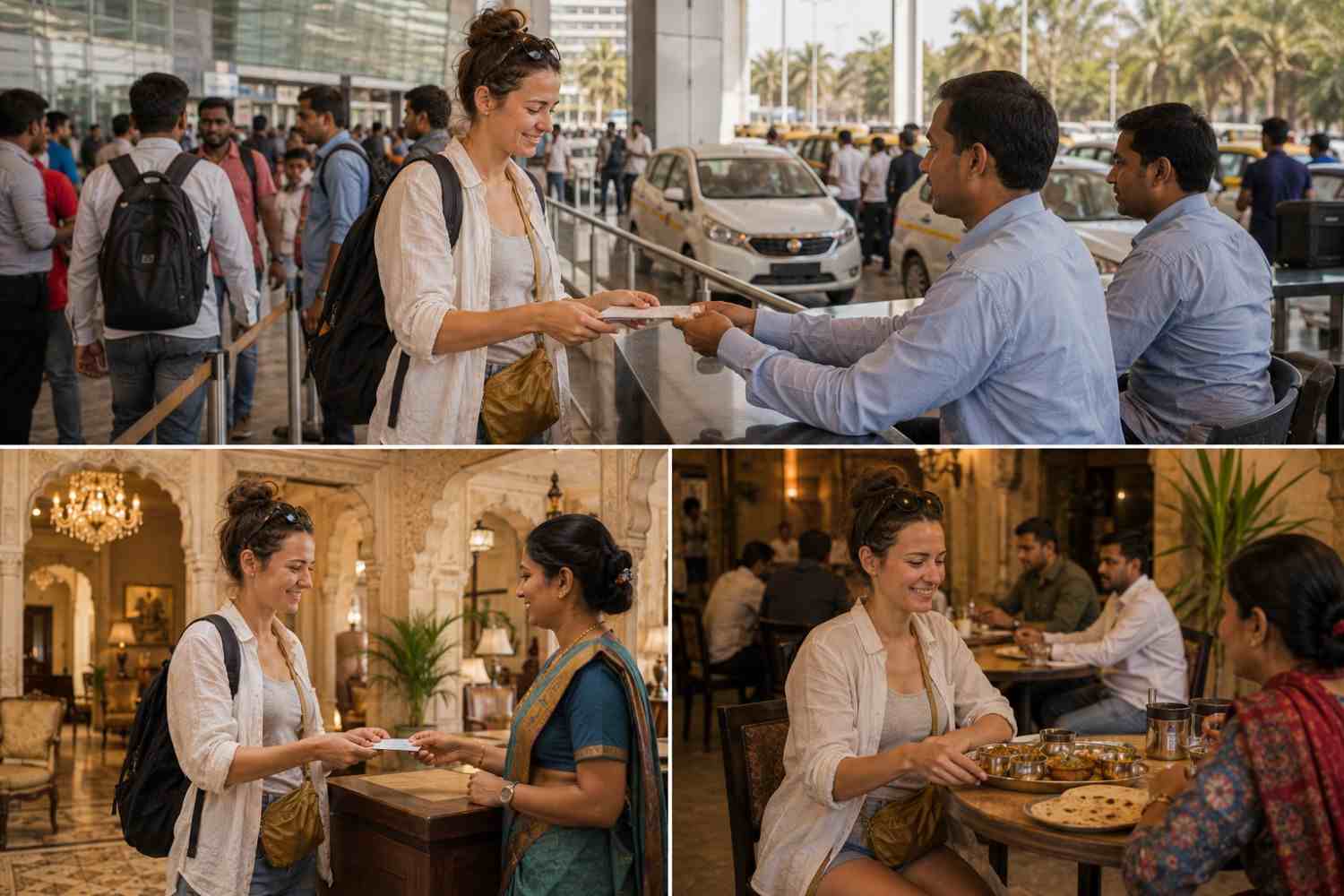
CheqUPI works reliably at restaurants, retail stores, hotels, and any merchant with a registered UPI QR code at the counter. Prepaid taxi counters and larger tour operators that accept merchant UPI payments also fall into this category. IRCTC's UPI payment option falls here too, since it processes as a merchant transaction.
The pattern to remember is simple. Anywhere a business, not an individual, is the one receiving the payment, a CheqUPI wallet should work smoothly.
What to carry as backup
Keep Rs 5,000 to 10,000 (approx $52 to $104) in cash for rides and situations where a personal QR code is the only option. Many vendors and drivers also refuse older-series notes or bills that are torn or heavily soiled. For a full breakdown of why cash still matters for foreign tourists in India, read our guide on problems with carrying cash in India for foreign visitors.
Airport money changers add roughly an 8% to 9% markup, so exchange only what you expect to need for cash-only situations. ATMs from SBI, HDFC, ICICI, or Axis Bank apply the Visa or Mastercard network rate, about 1% to 2% above interbank. Your home bank adds a fixed fee of Rs 200 to Rs 335 (approx $2 to $4), plus a 1% to 3% foreign transaction charge.
Setting up your wallet
You can set it up from home before your flight and complete verification at your earliest convenience after reaching your hotel or by visiting a city branch. Registration only requires your nationality, name as it appears on your passport, and email address. An OTP arrives by SMS and WhatsApp, and WhatsApp still works even if your SIM is not active yet.
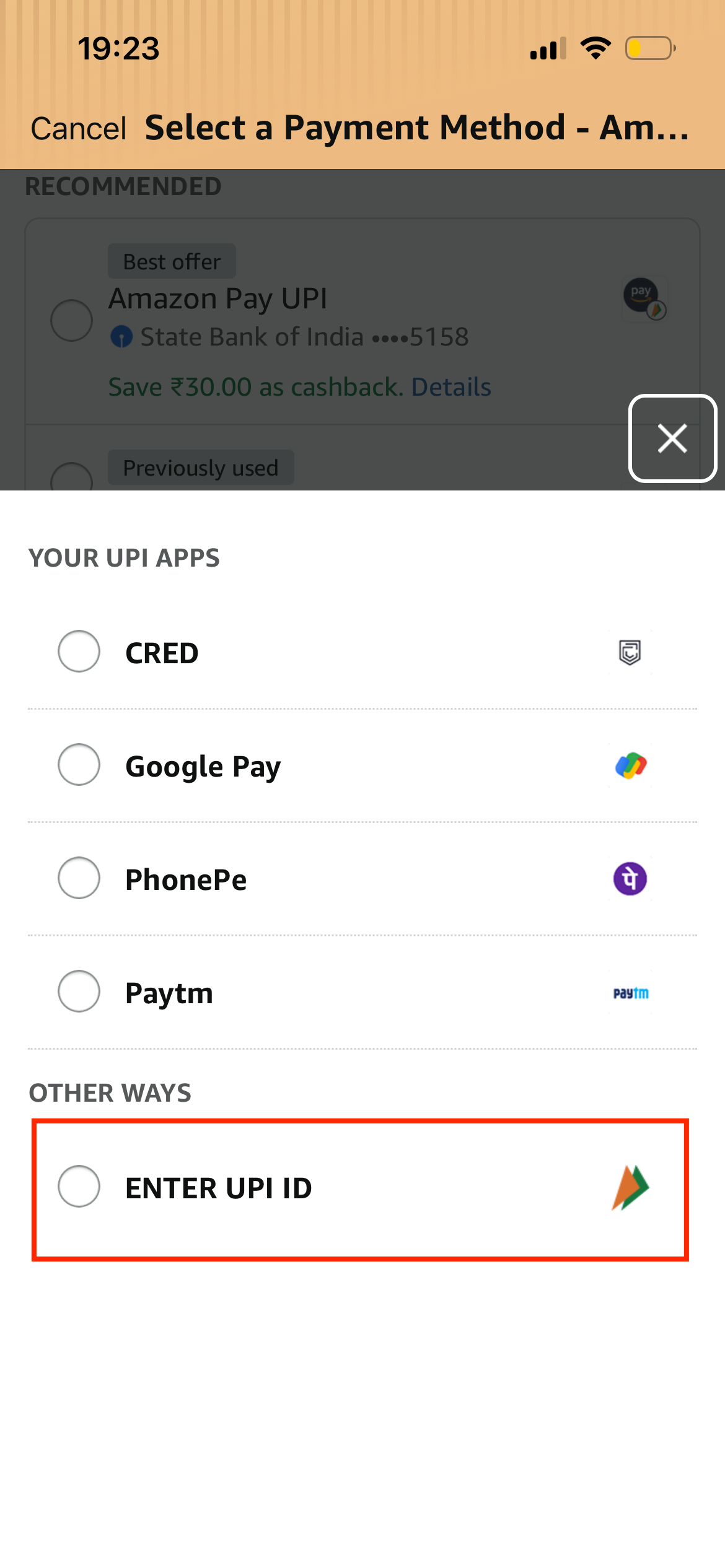
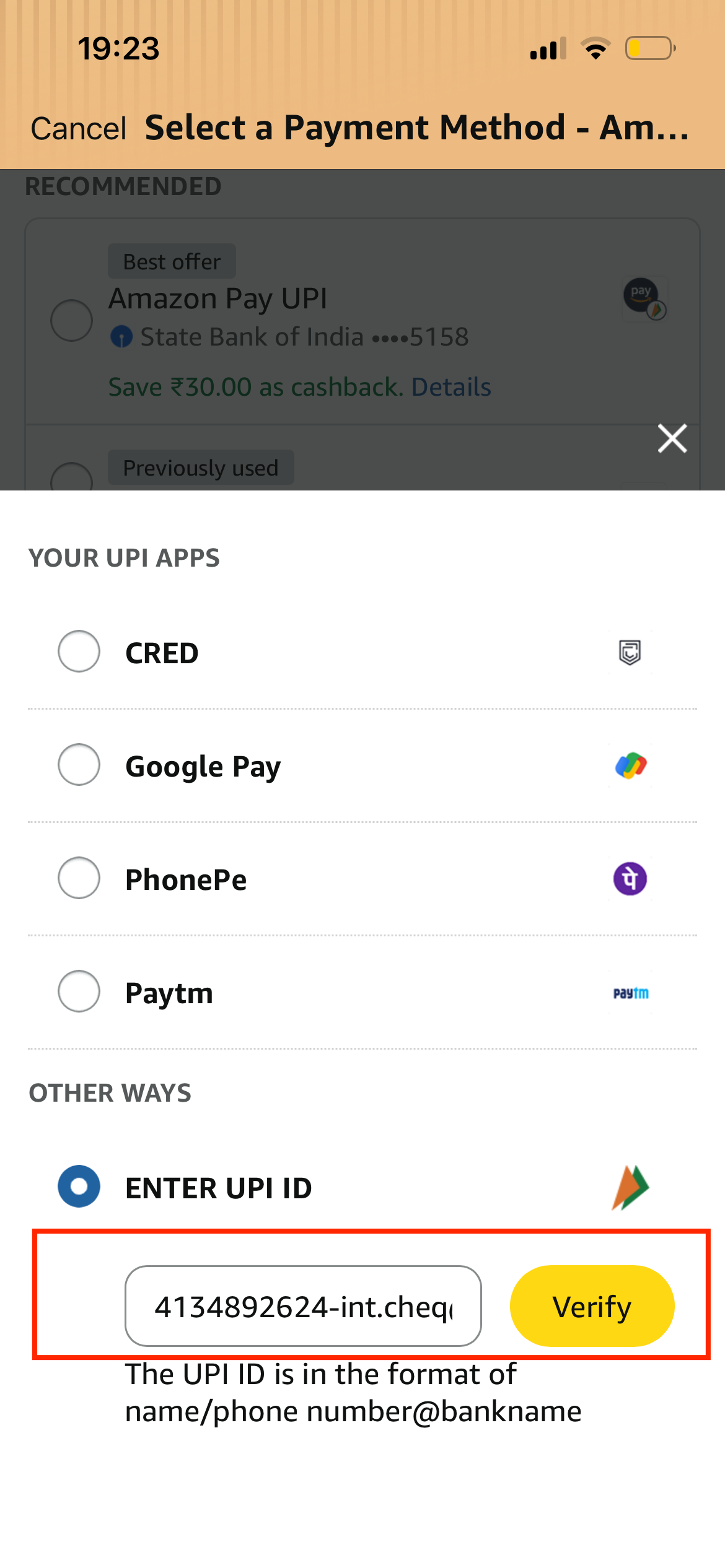
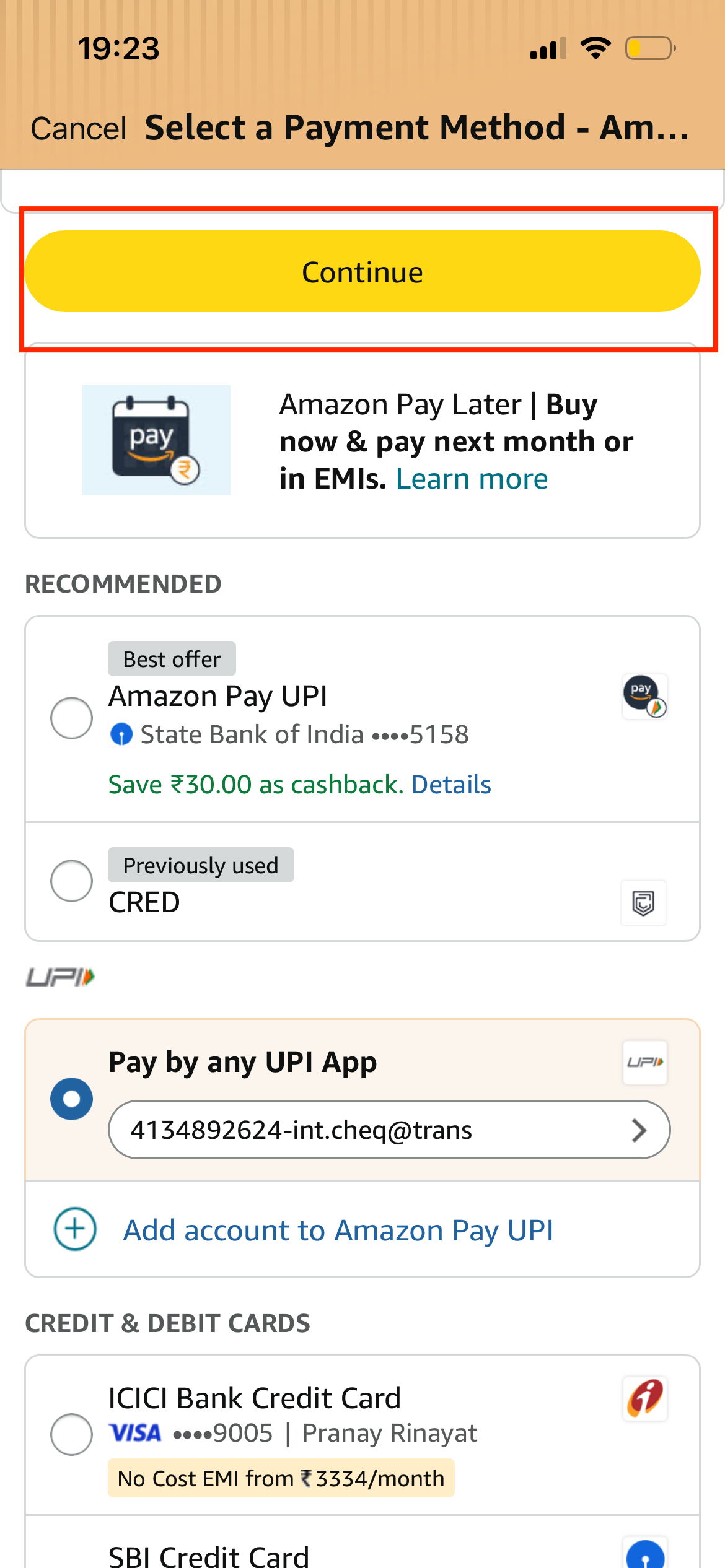
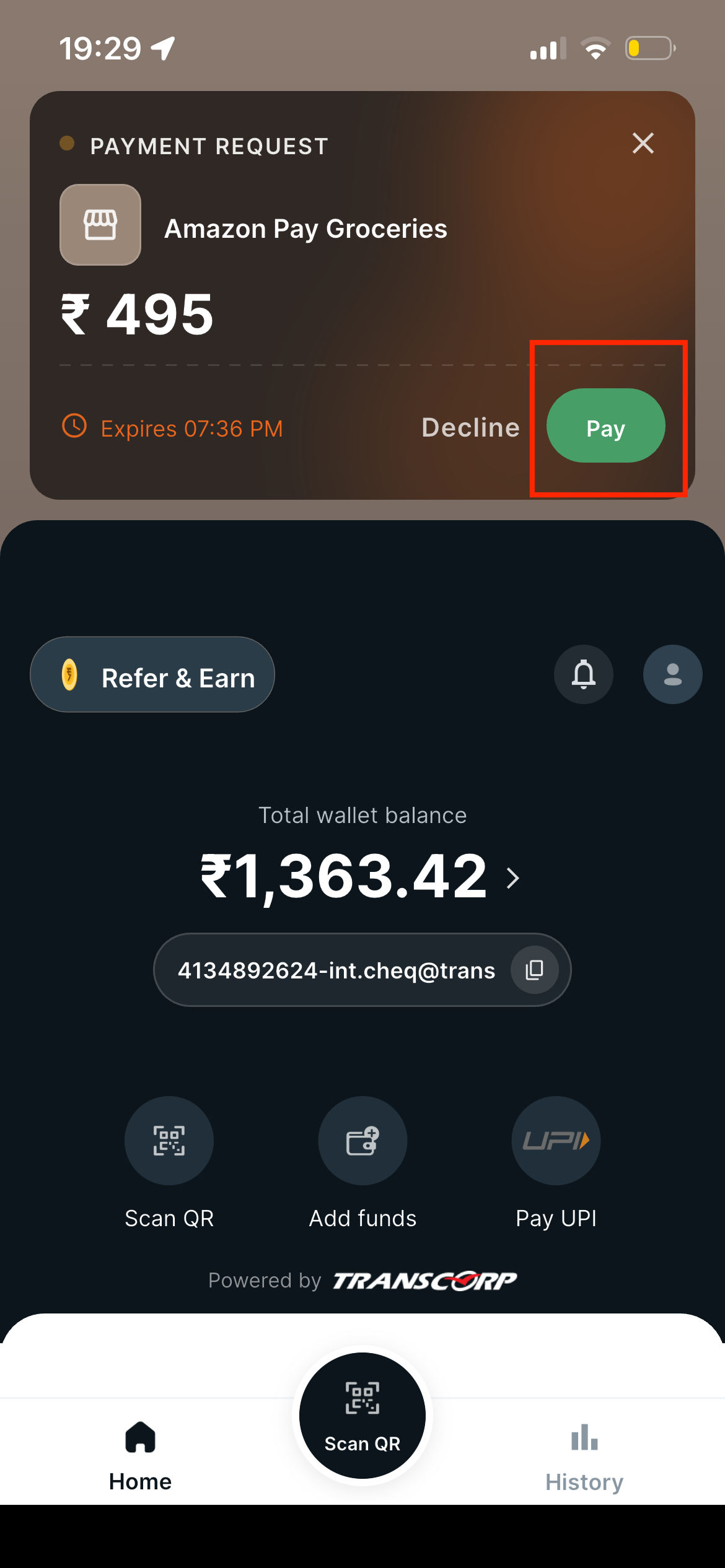
No Indian bank account or Indian SIM card is needed. An internet connection and location access are required. For the full setup and payment walkthrough, see our UPI payment guide for foreigners in India.
Budgeting your daily transport costs
Auto-rickshaw and taxi fares add up quickly across a multi-city trip, especially once you factor in airport transfers and day trips. Train fares booked through IRCTC tend to be far cheaper than flights over shorter distances. Building a rough daily transport figure into your overall plan avoids surprises later.
Comparing ATM withdrawal costs against your CheqUPI loading fee helps you judge when a prepaid taxi counter is worth the slightly higher fare for reliability. Small, planned decisions like this keep your daily transport spend predictable across a longer trip.
Staying safe while paying on the move
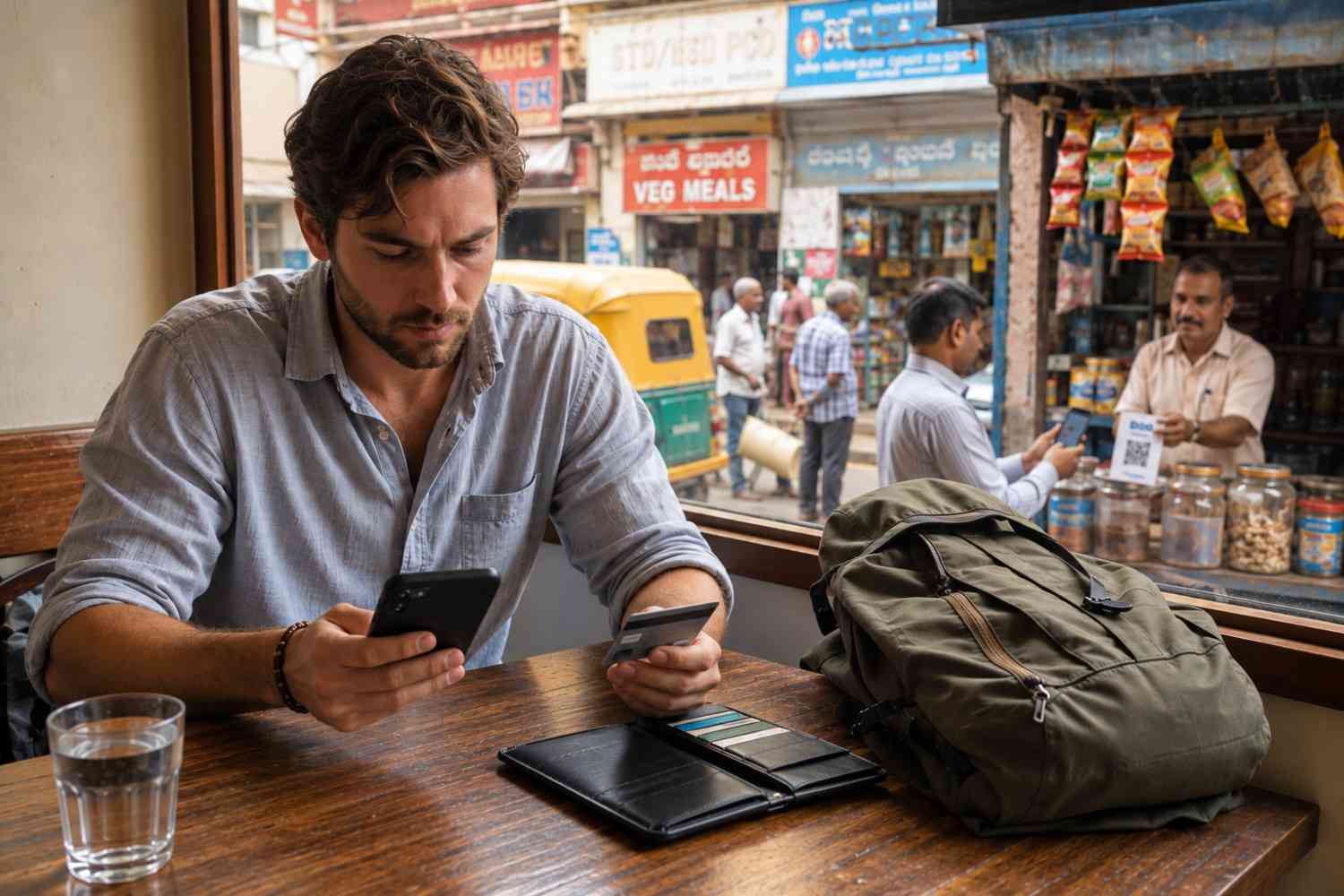
Avoid handing your phone over to a driver to complete a QR scan yourself, and instead scan it from your own device. Keep your CheqUPI app locked with its own security layer, separate from your phone's screen lock. Agree on fares before rides begin, and avoid unmarked vehicles at odd hours.
For broader guidance on common scams targeting visitors, read our guide to popular scams foreign tourists should watch for in India.
Conclusion
Trains, autos, and taxis each work differently when it comes to payment, and knowing this in advance saves time and frustration. Use UPI where merchant QR payments are accepted; keep cash for personal QR codes and independent drivers; and download the CheqUPI app and start your registration before you fly so verification is ready to complete the moment you arrive.
FAQs
1. Does IRCTC accept UPI payments?
Yes, IRCTC accepts UPI as one of its payment options alongside cards and net banking.
2. Can I pay an auto-rickshaw driver with a UPI wallet?
Often not directly, since drivers usually use personal QR codes, which count as P2P transfers.
3. Does Uber accept CheqUPI or other prepaid wallets?
Uber currently accepts regular UPI linked to a bank account, not prepaid wallets like CheqUPI.
4. What taxi app works in Goa?
Uber and Ola do not operate in Goa. The local taxi app is GoaMiles.
5. How much cash should I carry for local transport?
Roughly Rs 5,000 to 10,000 (approx $52 to $104) covers rides where digital payment is not possible.
6. What is the difference between P2P and P2M payments?
P2M is a merchant payment. CheqUPI supports person-to-merchant payments only, and P2P transfers are not supported.
7. Do prepaid taxi counters accept card or UPI payments?
Yes, prepaid taxi counters at airports and stations are registered merchants and generally accept both.
8. Can foreign tourists book Indian trains online?
Yes, through IRCTC directly or through the Foreign Tourist Quota at International Tourist Bureaus.
9. Should I tip auto-rickshaw or taxi drivers?
Tipping is not expected, though rounding up the fare is a common courtesy.
10. What is the safest way to pay while traveling alone?
Scan QR codes from your own device, keep cash as backup, and avoid handing your phone to anyone else.
"Knowing where UPI works and where cash is still useful makes getting around India much easier. Download CheqUPI before your trip, complete activation after arriving in India, and pay UPI merchants with confidence."

-883ff238b2.jpeg)