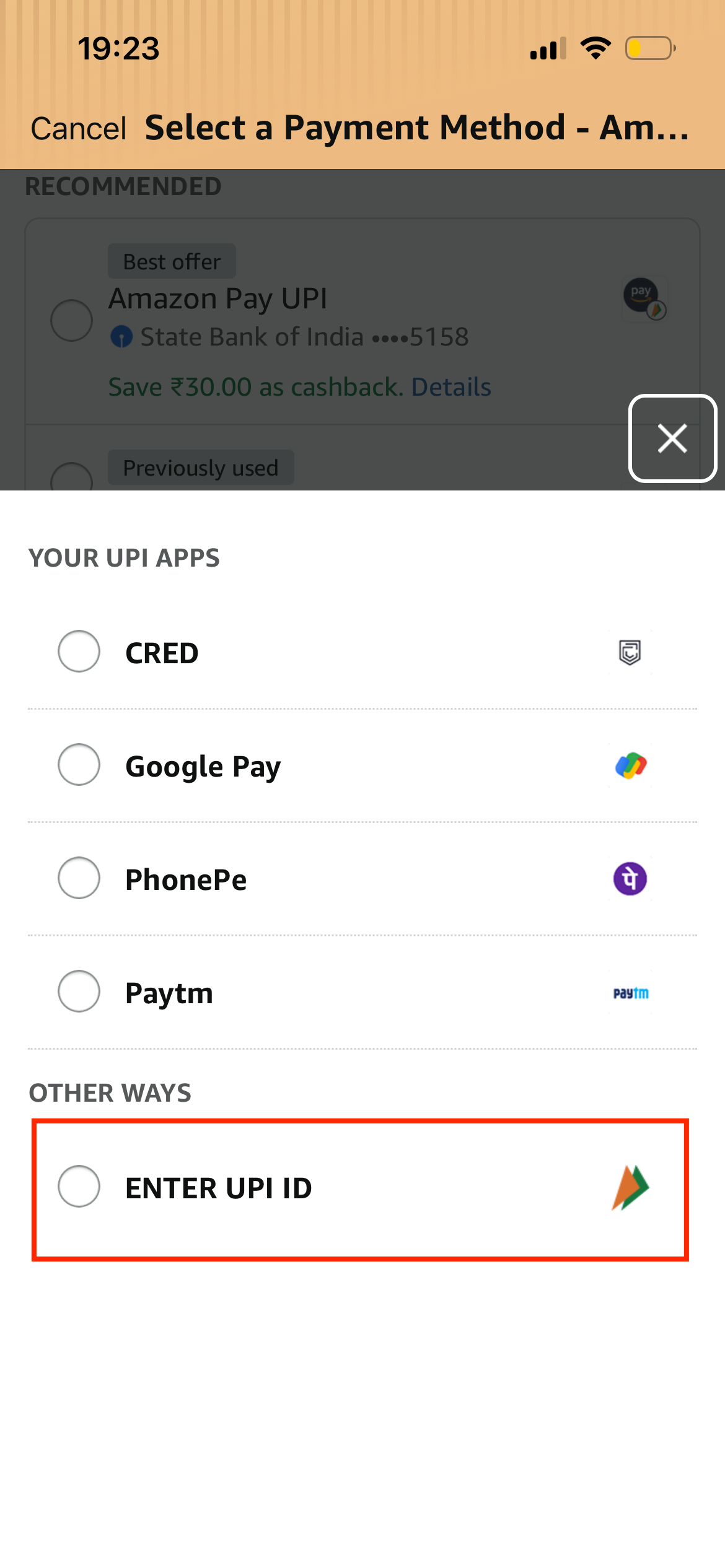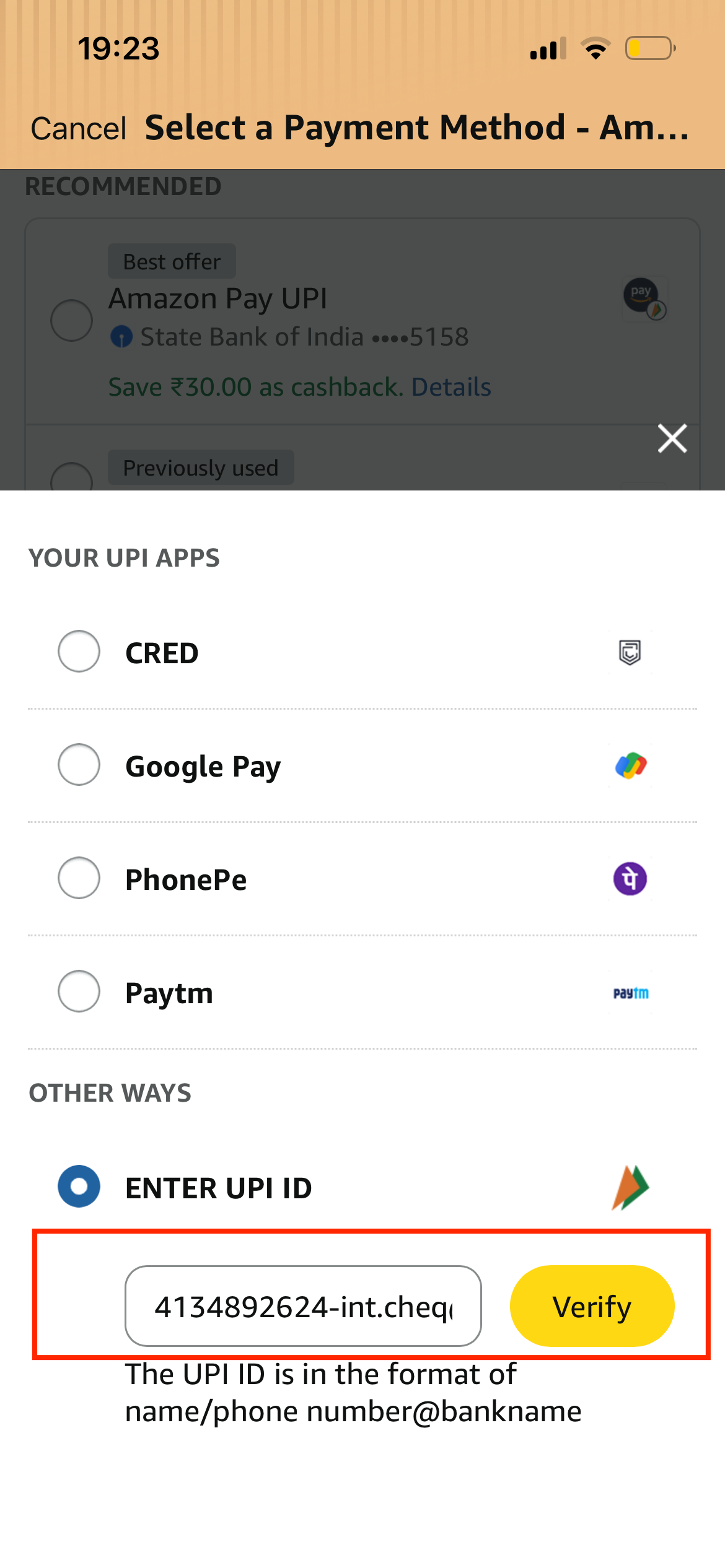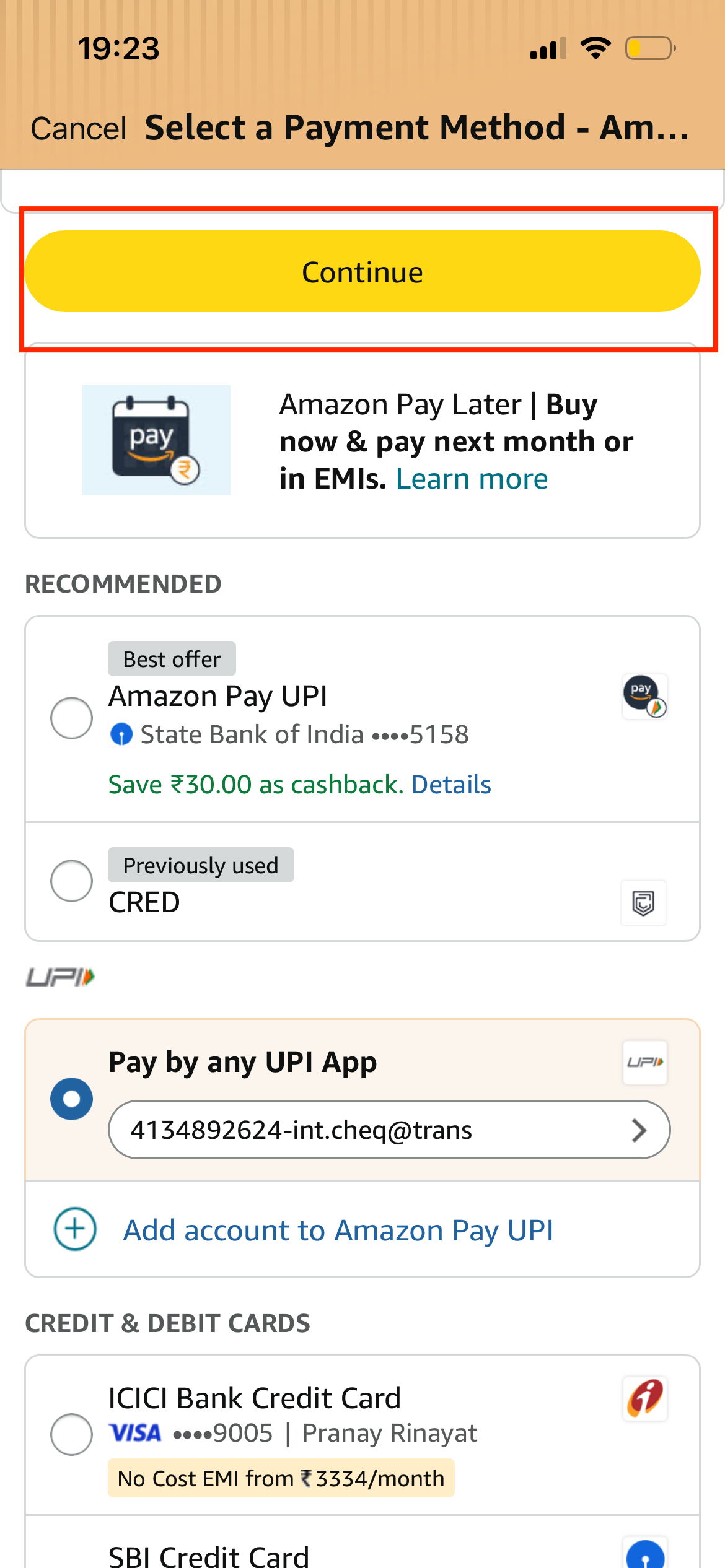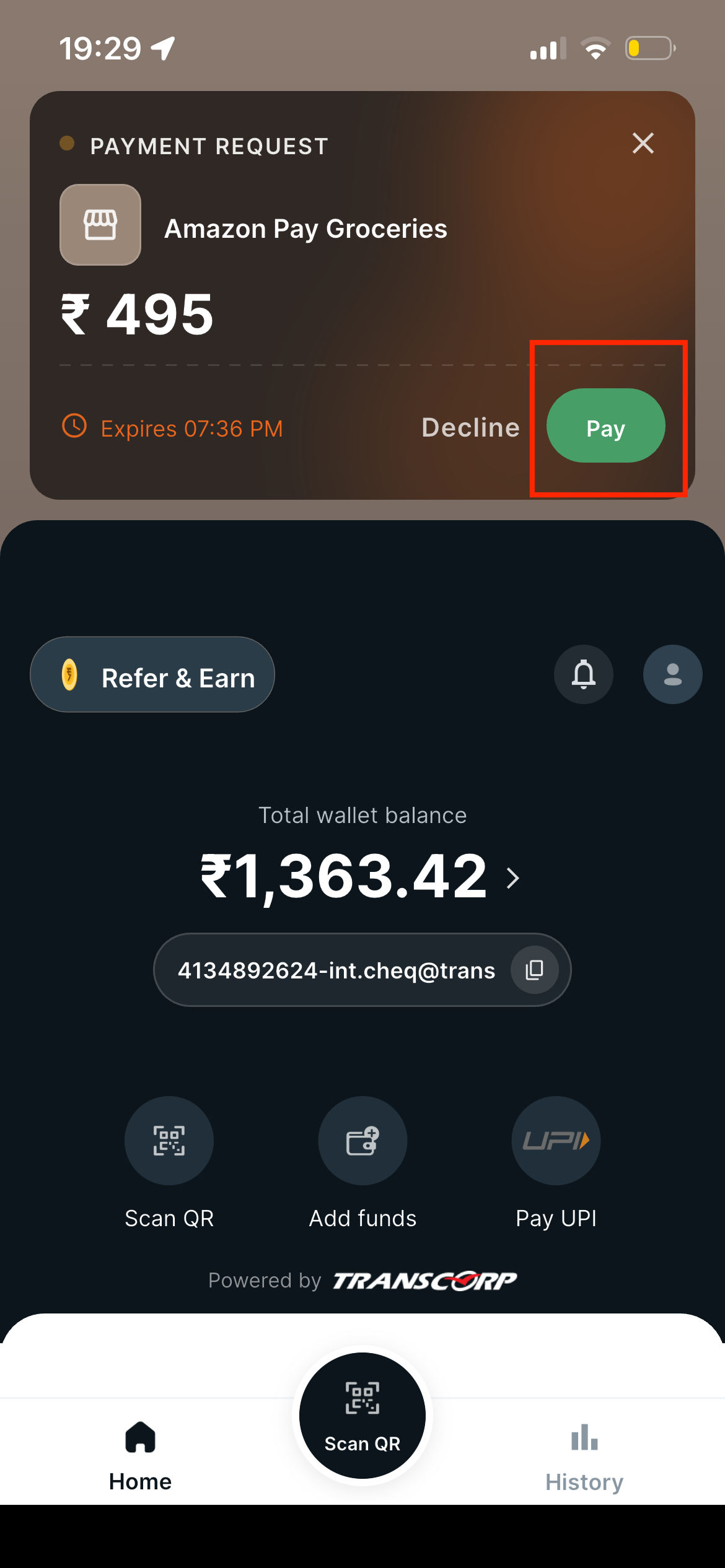
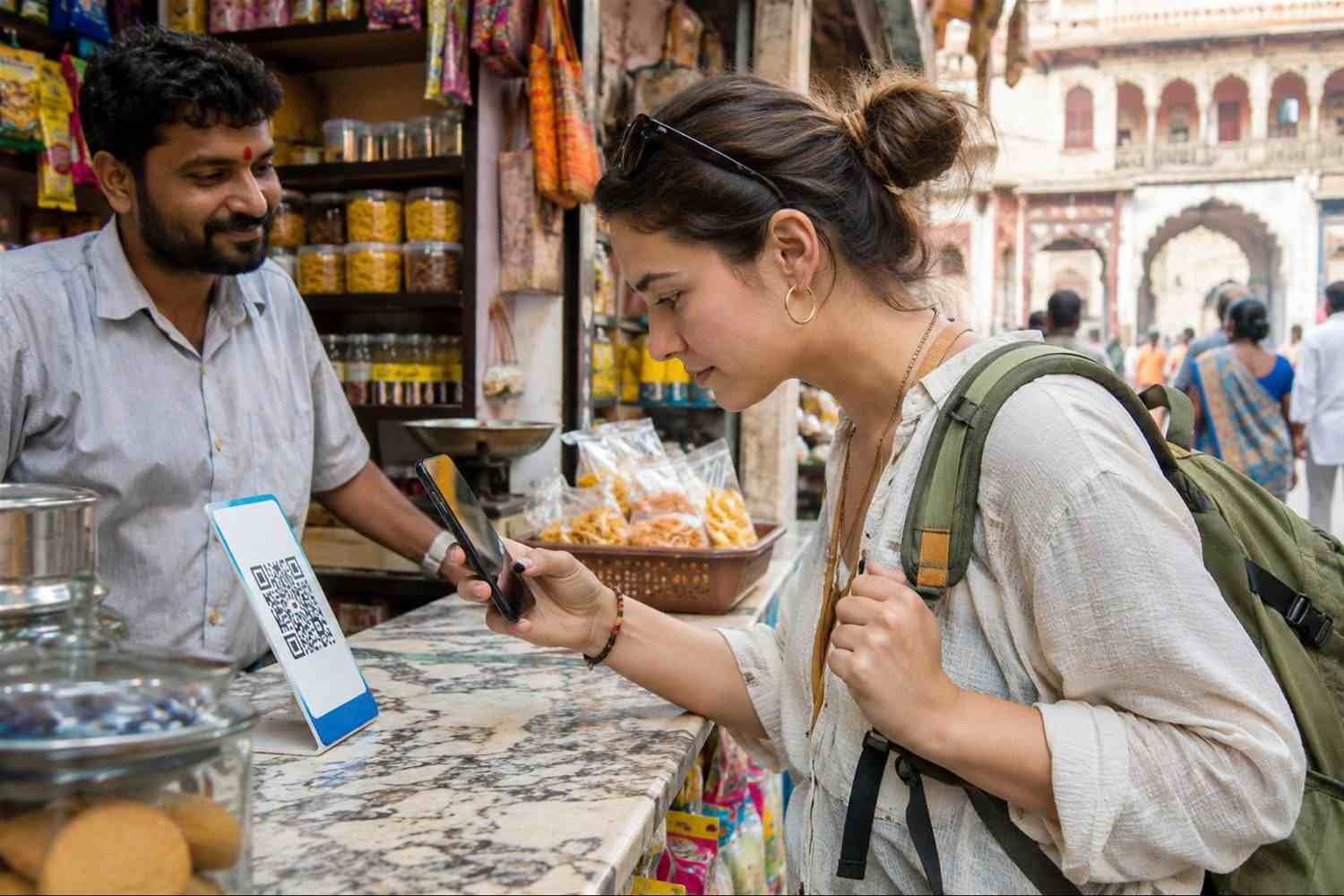
In India, a UPI scammer does not need your password, only one careless tap. A fake QR sticker, a friendly refund request or a call from fake support can drain a balance in seconds. Tourists make easy targets, because they are new to UPI and always in a hurry.
The good news is that almost every trick breaks one simple rule, and it takes seconds to learn. Here are the common scams, five rules to stop them, and what to do if something goes wrong.
Key highlights
● You never scan a QR code or enter a PIN to receive money.PIN is only required to send money from your app
● The most common tricks are fake QR stickers, refund QR codes, collect requests and fake customer care calls.
● Check that a QR code is not a pasted sticker, and confirm the amount before you pay.
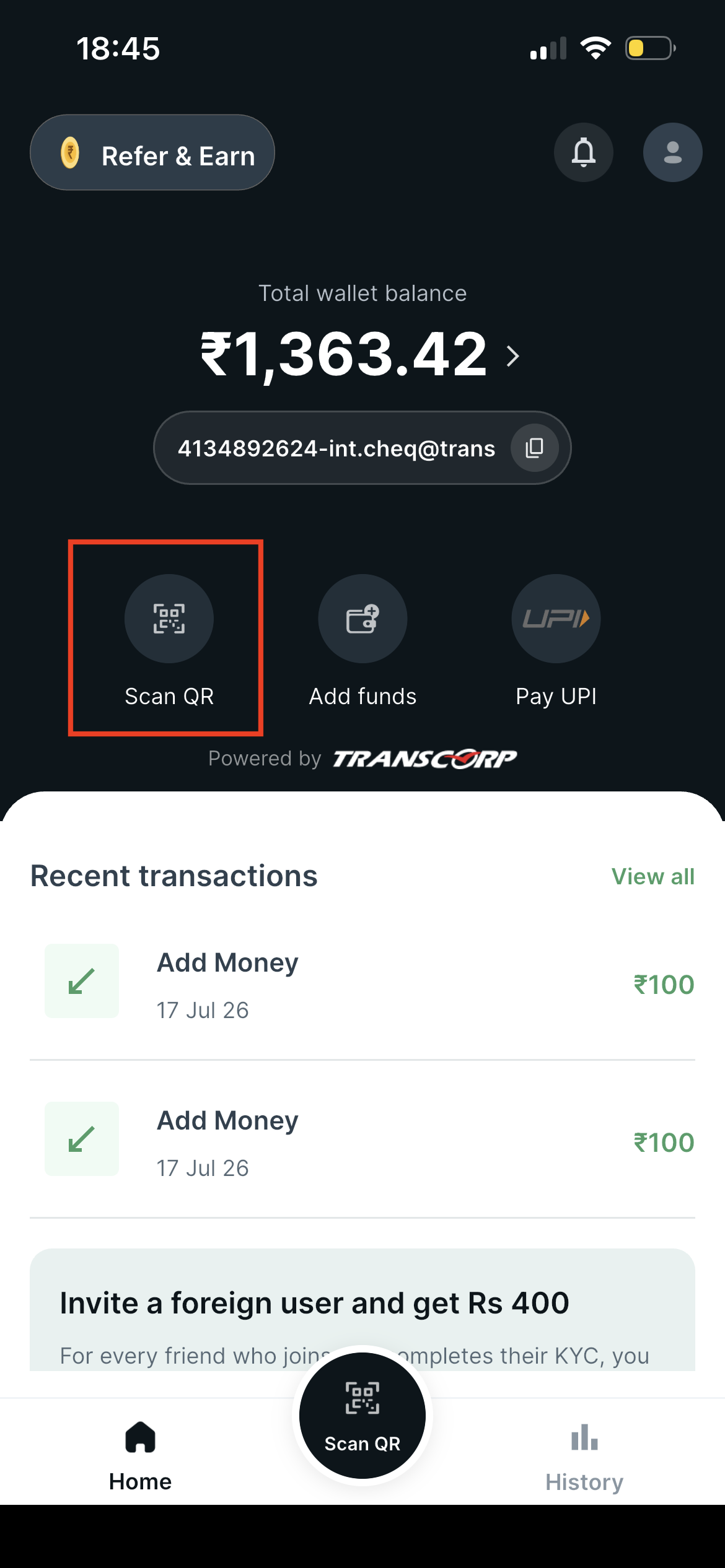
● CheqUPI supports merchant payments only. P2P transfers are not supported.
● CheqUPI is free to join for all eligible nationalities, with a loading fee of 2.95% + applicable taxes and 0% merchant payment fee.
● Carry Rs 5,000 to 10,000 (approx $52 to $104) in cash for informal payments.
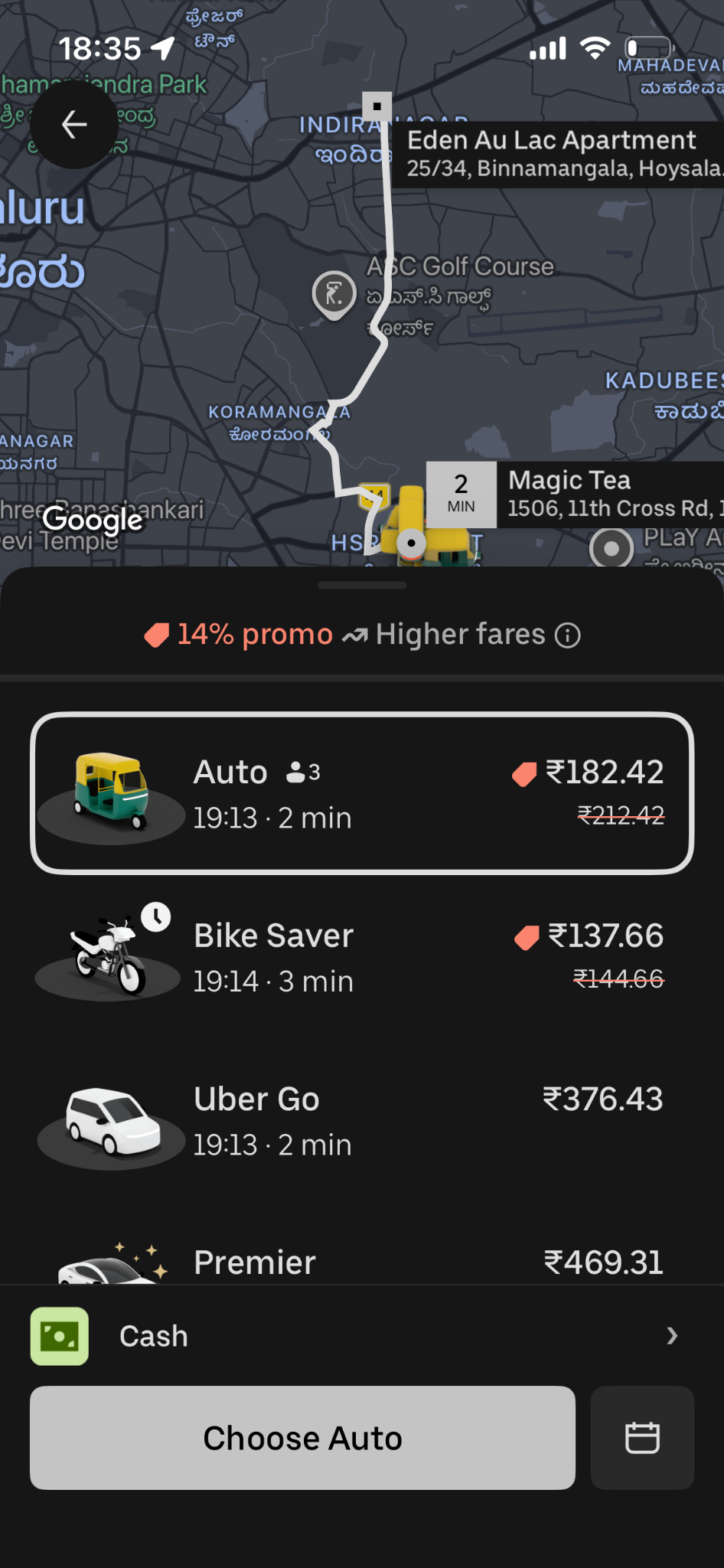
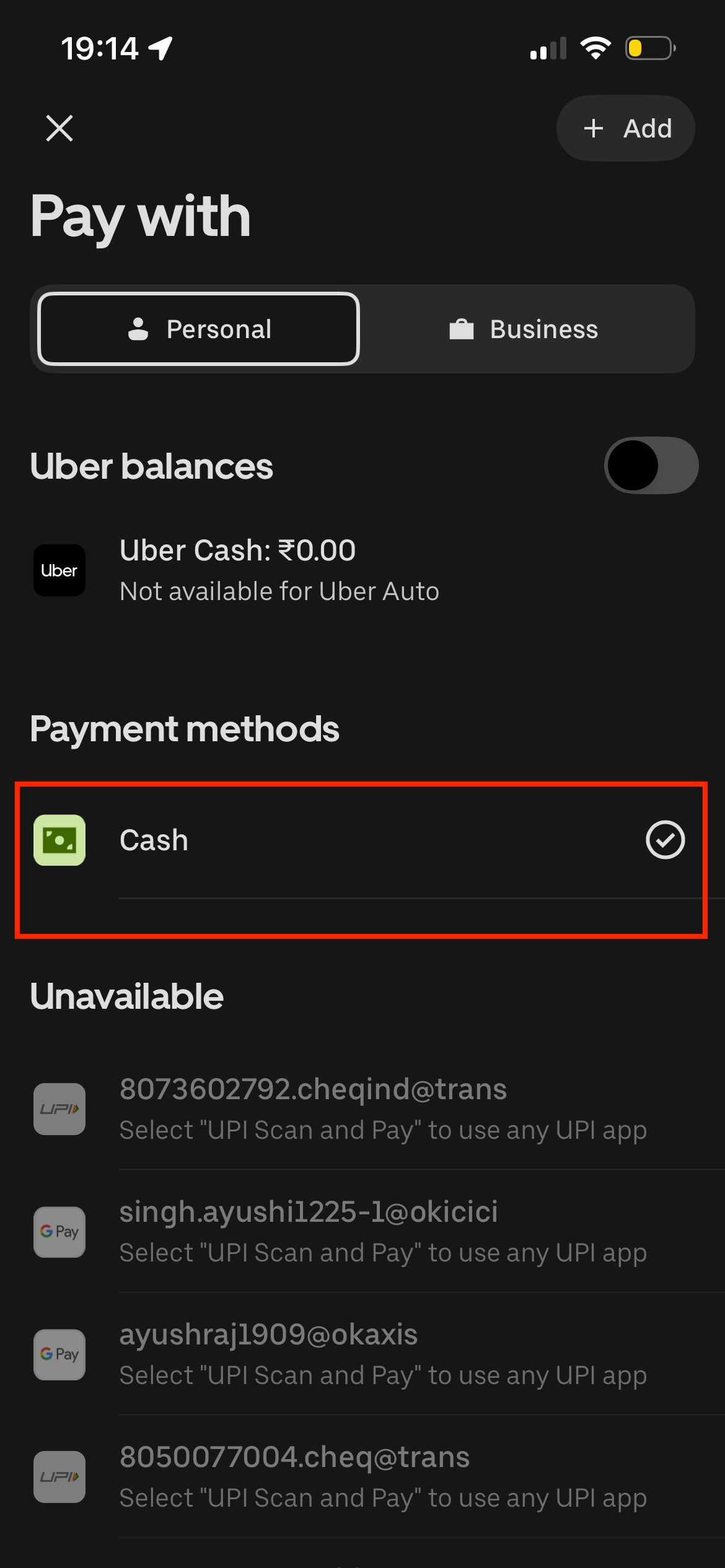
● Uber does not accept PPI wallets, only regular UPI, currently. Rapido works with CheqUPI through an in-app balance top-up.
The golden rule of UPI safety
You never scan a QR code or enter a PIN to receive money. Scanning and entering a PIN always sends money out of your account.
Most UPI scams rely on breaking this rule, so memorise it before you land. Tourists are new to the system, rushed and far from home, and scammers count on that.
CheqUPI supports merchant payments only, so any request to receive money is a warning sign. P2P transfers are not supported.
Common UPI scams targeting tourists in India
Most UPI payment scams tourists meet use the same few tricks: a fake QR code, a fake refund or a fake helper. Learn the five below and you will spot most of them.
| Scam | How it works | Your defence |
| Fake QR sticker | A pasted code diverts your payment | Check it is not loose; ask to see the QR in the merchant's app |
| Refund QR | Someone asks you to scan to receive a refund | Decline, because scanning sends money |
| Fake collect request | A request disguised as incoming money | Never approve unknown requests |
| Fake customer care | A caller asks for your OTP or remote access | Never share OTPs or install apps |
| Fake booking link | A lookalike site takes full payment | Book through official sites only |
Fake UPI QR code scam
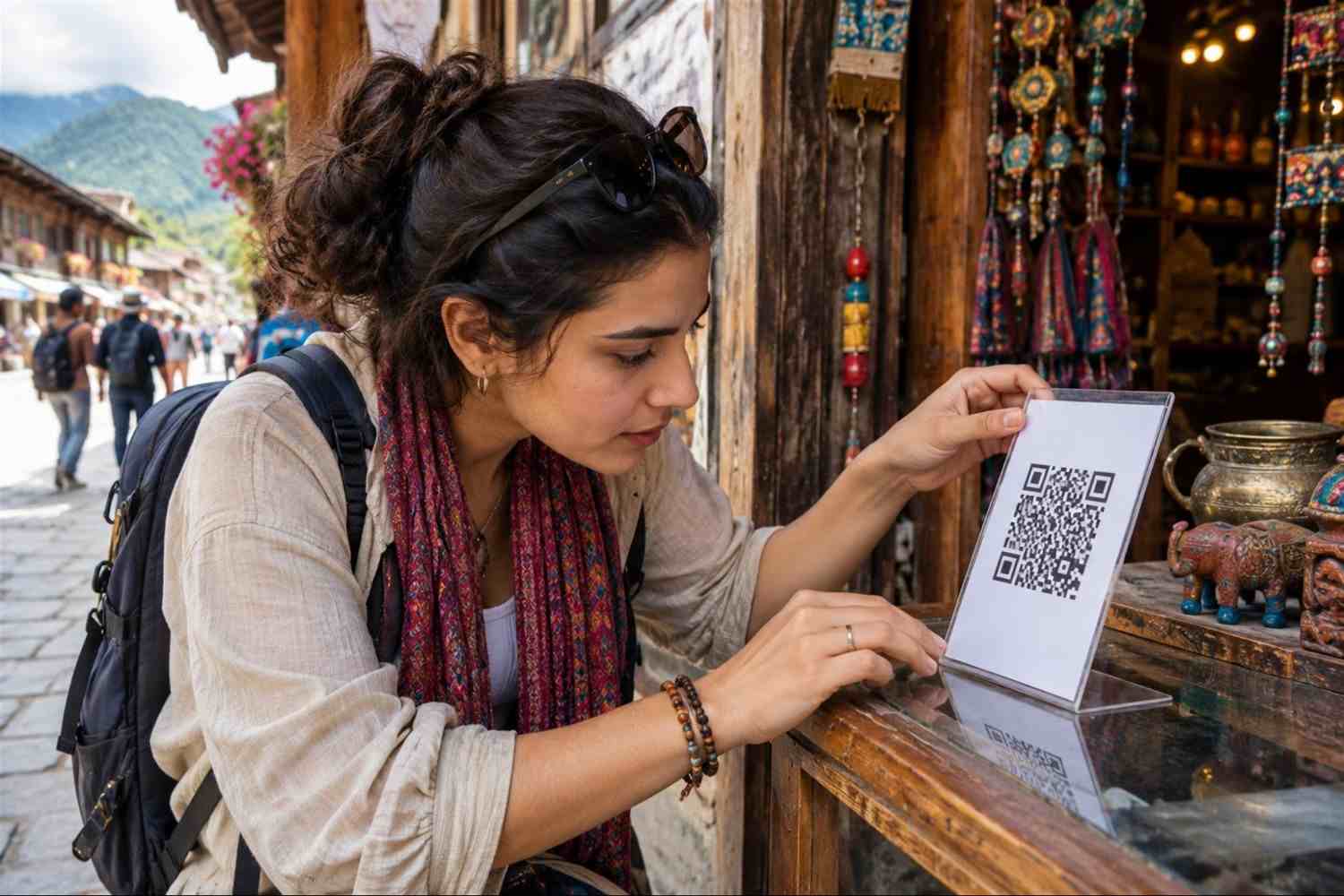
A fake QR code scam pastes a lookalike sticker over the genuine one at counters, café tables and car parks. Your payment then lands in the wrong account. Check that the sticker is flat, and ask the merchant to show the QR inside their payment app.
Refund and collect-request scam
Someone sends a QR code or a payment request and says it will credit a refund. Approving it debits your account, because a genuine refund never needs a scan or a PIN. NPCI stopped person-to-person collect requests in October 2025, so a request from an individual is a clear red flag.
Fake customer care and remote-access scam
A caller posing as support asks for an OTP, card details or a screen-sharing app. Never share an OTP or install such an app. Contact CheqUPI support only through WhatsApp or contactus@terrafin.tech.
Pay-again and fake booking scams
Someone says your payment failed and asks you to pay again. Check your app's status and your alert before paying twice, because UPI payments can be hard to reverse. Book trains, tours and hotels only through official sites, since lookalike portals can take full payment and issue nothing.
Phishing links and fake apps
Download only the official CheqUPI app from your app store, and ignore payment links sent by message. Lookalike apps can copy a real logo.
Where UPI scams happen most
Scams cluster where people pay in a hurry, such as busy counters, car parks, unattended kiosks and public donation boxes. Slow down in those spots, and prefer a staffed counter when you can. Crowded festival weeks add time pressure, so take extra care then.
Warning signs to watch for
● Someone rushes you to pay or approve.
● Someone asks you to enter a PIN to receive money.
● A caller asks for an OTP or a screen-sharing app.
● A link arrives by SMS or WhatsApp asking for payment details.
● The merchant name on screen does not match the shop.
How to avoid UPI fraud in India: five rules
These five rules stop most of the tricks above.
- Never scan or enter a PIN to receive money, whatever the story.
- Never share your OTP or PIN, even with someone who sounds official.
- Check the QR sticker and the merchant name before you confirm.
- Read the amount on the screen before you authorise it.
- Keep alerts on, and screenshot every payment confirmation.
Read about other tourist scams in India for tricks that do not involve UPI.
UPI safety tips for foreign tourists on the road

Rides, stalls and street vendors need extra care, because payments happen quickly and in crowds.
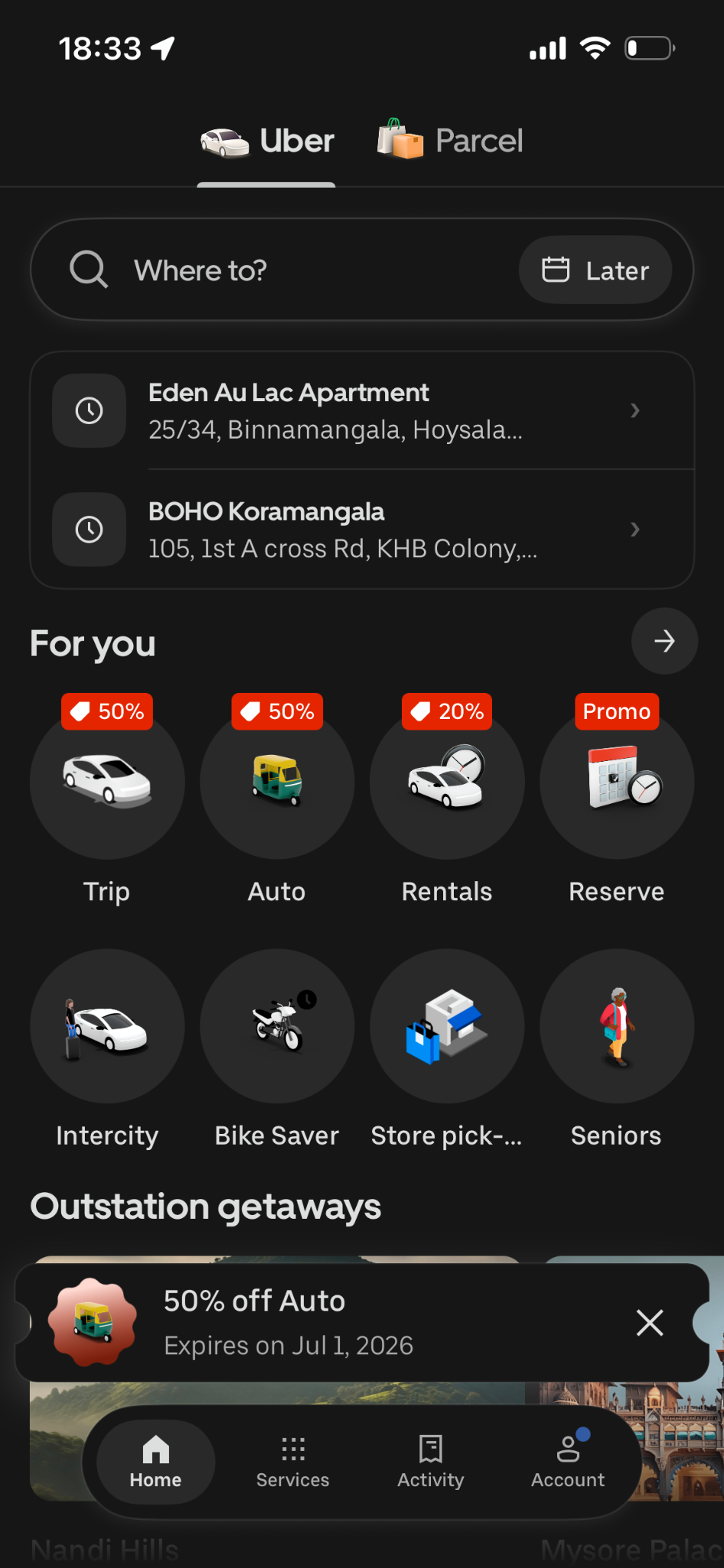
Uber does not accept PPI wallets, only regular UPI, currently. Rapido works with CheqUPI through an in-app balance top-up. Check whether Uber, Ola and Rapido operate in your city before you rely on them.
If a driver shows a QR code, ask to see it in their app, and confirm the name before paying. After paying, wait for the success screen and your alert before you leave the counter.
Drivers with personal UPI IDs may not accept CheqUPI, so keep Rs 5,000 to 10,000 (approx $52 to $104) in cash. Read about the issues with withdrawing cash from ATMs using international cards to see why cash still matters.
Limit your risk with a prepaid wallet
A prepaid wallet caps how much a mistake can cost. Load only what you need, and keep the balance low.
| Limit | CheqUPI limit |
| First 24 hours | Rs 50,000 (approx $522) cap, 5 transactions |
| Per transaction | Rs 1,00,000 (approx $1,044) |
| Daily | Rs 1,00,000 (approx $1,044) |
| Monthly | Rs 5,00,000 (approx $5,222) |
| Maximum balance | Rs 2,00,000 (approx $2,089) |
The first-24-hour window starts from your first transaction, not activation. You can make up to 25 transactions a day. Our explainer on how UPI works for foreign nationals in India covers the basics.
What to do if you think you were scammed
Act fast, stay calm and keep proof. Recourse is difficult without receipts and screenshots, so collect them first. Report quickly, because delays make tracing harder.
- Stop all further payments, and do not click links or approve requests.
- Screenshot the transaction ID, amount, time and merchant name.
- Keep every receipt, message and call record.
- Contact CheqUPI support by WhatsApp or contactus@terrafin.tech with those details.
- File a report at the nearest police station, and carry your passport.
How CheqUPI keeps payments simple
CheqUPI is an RBI-licensed prepaid wallet, not a bank account. You load it with a Visa or Mastercard and scan UPI QR codes. No Indian bank account or SIM is needed. An internet connection and location access are required.
Activation is completed only in India. Before landing, you download the app and complete an easy registration. You can set it up from home before your flight and complete verification at your earliest convenience after reaching your hotel or by visiting a city branch.
Registration is easy: enter your nationality, your name as in your passport, and your email. The OTP arrives by SMS and WhatsApp, and WhatsApp works even if your SIM is inactive. Branches run in 15+ cities, and doorstep verification can be booked on WhatsApp before you arrive.
Our guide on how foreign nationals can unlock UPI covers each step.
Conclusion
Most UPI scams lose their power once you remember one rule: you never scan or enter a PIN to receive money. Check the sticker, read the amount, and keep your OTP to yourself. Load only what you need, and keep a small cash reserve for informal payments. Then enjoy the chai.
FAQs
1. Is UPI safe for tourists in India?
Yes, when you follow basic rules. UPI itself is not the scam. Most tricks need you to scan, approve or share something, so slow down and verify before each payment.
2. How does a fake UPI QR code scam work?
A lookalike sticker covers the real QR code, so your payment reaches the wrong account. Check the sticker is flat and ask to see the merchant's QR inside their payment app.
3. Do I scan a QR code to receive a refund?
Never. Scanning a QR code and entering a PIN sends money out. A genuine refund needs no scan and no PIN. Decline anyone who asks.
4. What is a UPI collect request scam?
A request disguised as incoming money, often from a fake merchant. Approving it sends money out. Since October 2025, individuals cannot send collect requests, so decline any request you did not start.
5. Can I send money to friends with CheqUPI?
P2P transfers are not supported. CheqUPI pays registered merchants only, so any request to send money to a person is a warning sign.
6. Does Uber work with CheqUPI?
No. Uber does not accept PPI wallets, only regular UPI, currently. Rapido works with CheqUPI when you top up your Rapido in-app balance from the wallet. Confirm Rapido runs in your city.
7. How much does CheqUPI cost?
CheqUPI is free to join for all eligible nationalities, with a loading fee of 2.95% + applicable taxes and 0% merchant payment fee.
8. Can I finish CheqUPI activation before I fly?
No. Activation is completed only in India. Before landing, you can download the app and register, then verify at your hotel or a city branch.
9. What should I do if I lose money to a scam?
Stop paying, screenshot the transaction ID, and keep every receipt. Message CheqUPI support on WhatsApp or contactus@terrafin.tech. Recourse is difficult without proof.
10. What limits apply in the first 24 hours?
The first 24 hours from your first transaction carry a cap of Rs 50,000 (approx $522) and 5 transactions. Normal limits apply afterwards.
Good habits take seconds, and they turn a nervous scan into a confident one. CheqUPI keeps the wallet side simple, with registration at home and verification after you land.
Download CheqUPI and pay like you know the tricks.