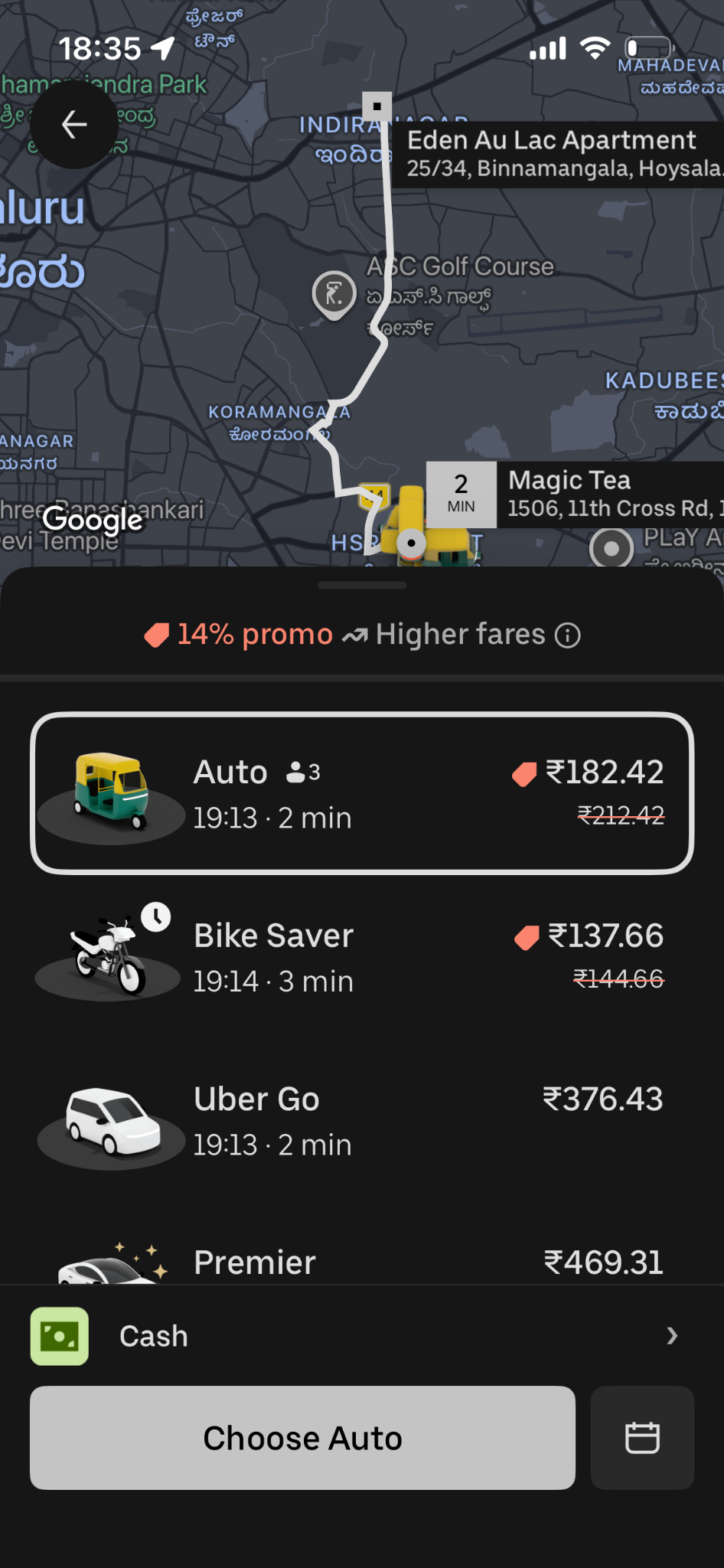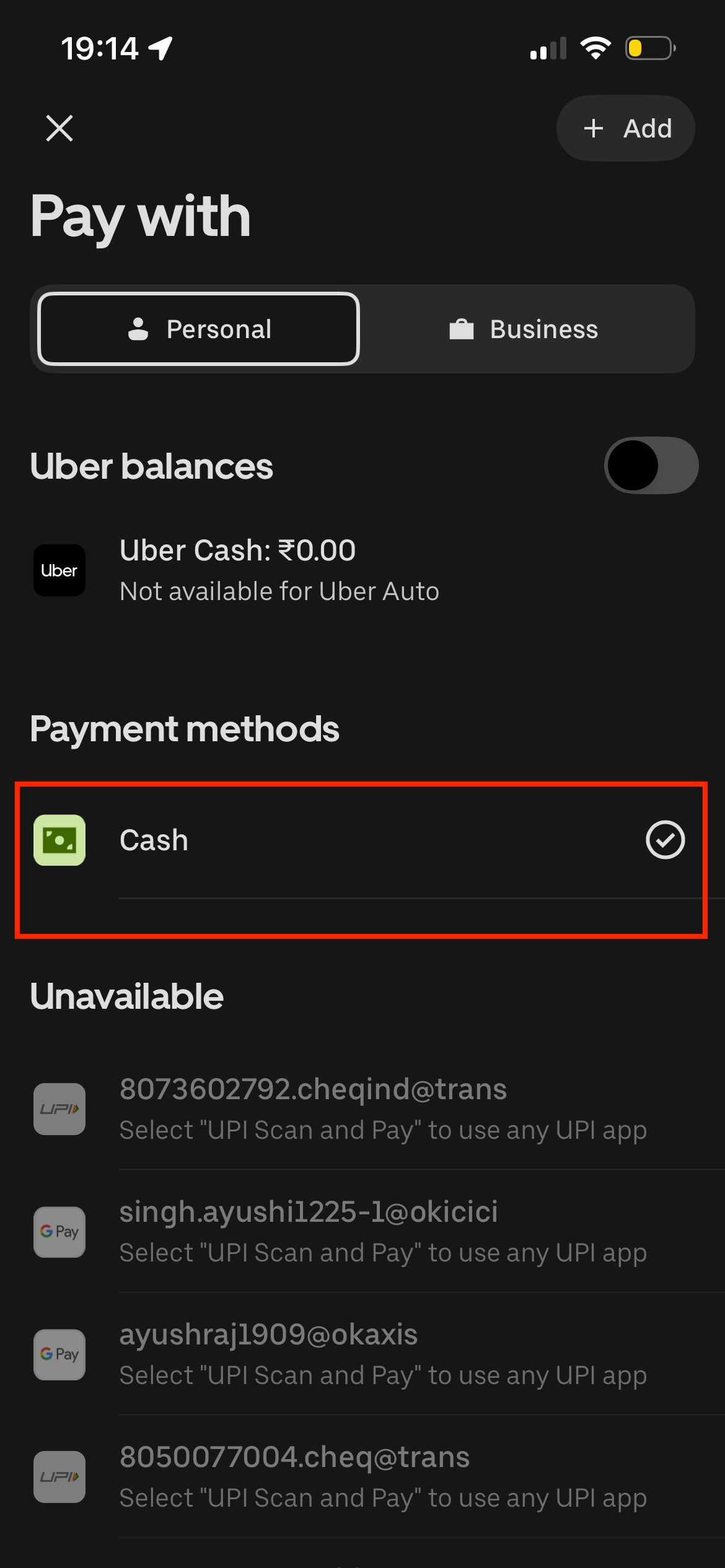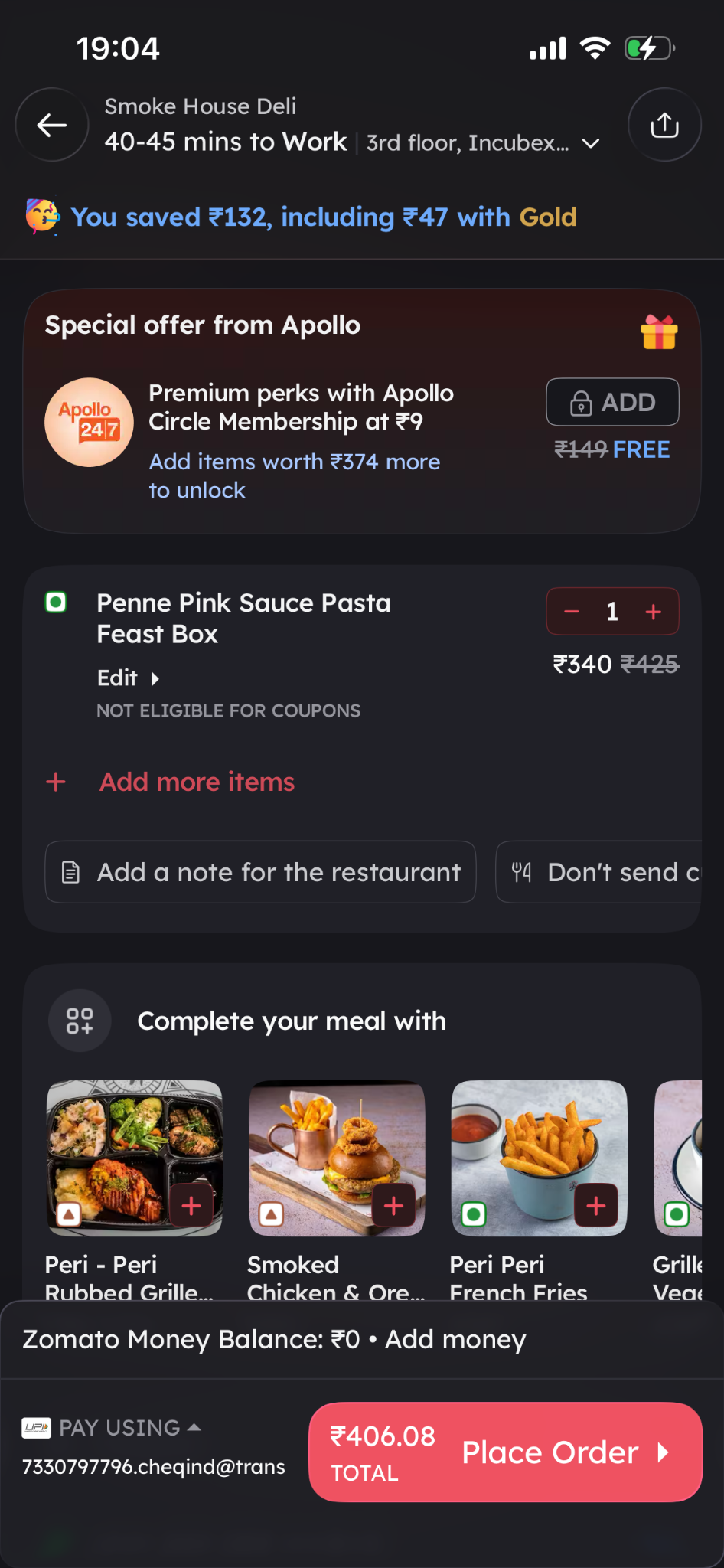
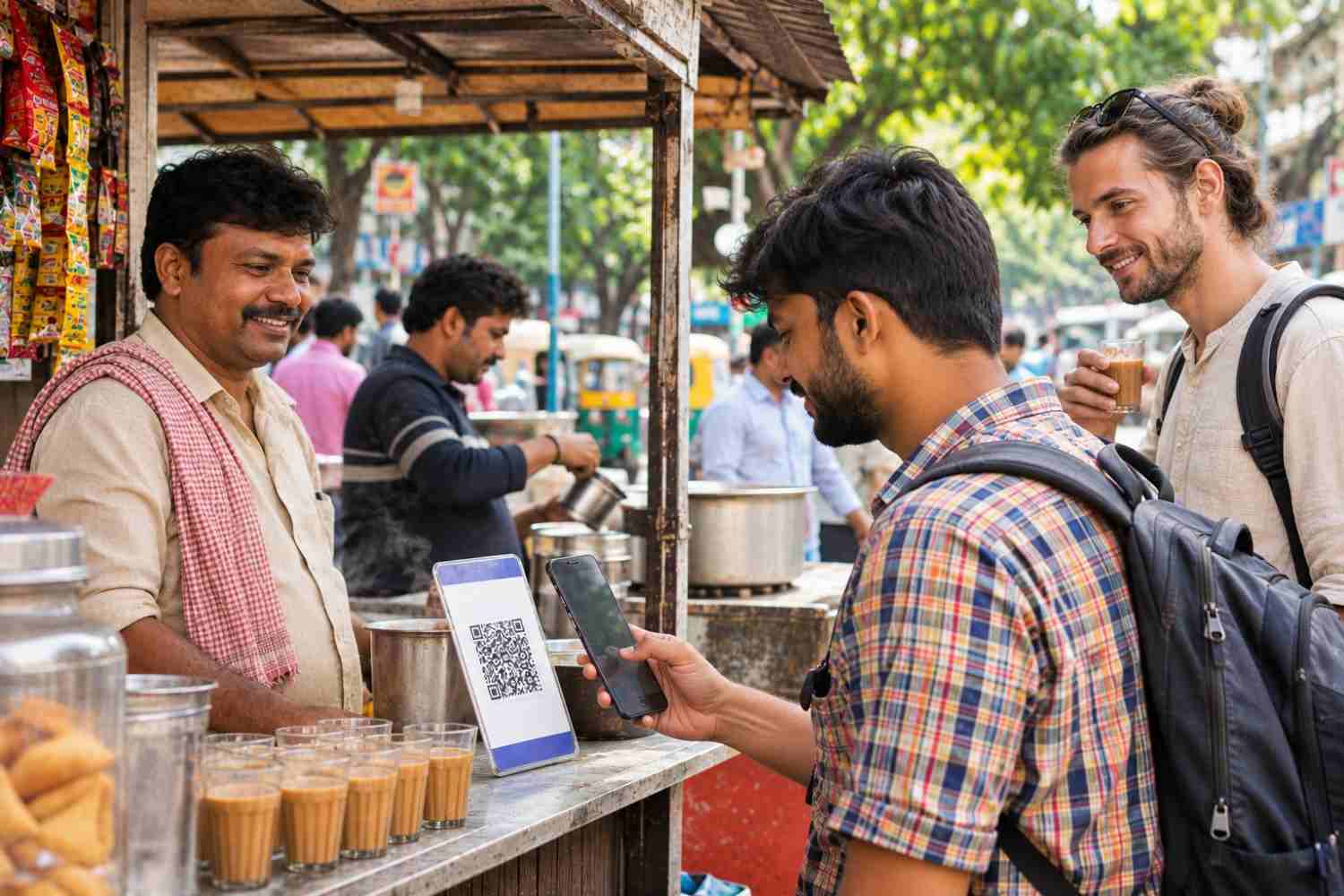
Every second, India's UPI network handles more than 9,000 payments, from roadside tea to monthly rent. No country runs more instant payments, and most of them cost the merchant nothing at all. Brazil, the US and Singapore have built rivals, each in a very different way.
Some of these systems now link across borders, while others barely work outside home. Here is how UPI compares on scale, access and cost, and what that means if you visit India.
Key highlights
● UPI processed 24.07 billion transactions in September 2026, worth Rs 29.37 lakh crore (approx $307 billion).
● PIX is the closest rival, with 36.3 billion transactions in the first five months of 2026.
● FedNow connects 1,800+ US institutions, yet consumer use stays small next to Zelle.
● PayNow and PromptPay link to each other, and PayNow has linked with UPI since 2023.
● Apple Pay and Alipay are wallet layers. UPI, PIX and FedNow are payment rails.
● Foreign wallets on UPI pay merchants only. P2P transfers are not supported.
● CheqUPI is free to join for all eligible nationalities, with a loading fee of 2.95% + applicable taxes and 0% merchant payment fee.
What counts as a real-time payment system?
A real-time payment system moves money between bank accounts in seconds, at any hour, with final settlement. UPI, PIX, FedNow, PayNow and PromptPay all fit that definition. Apple Pay and Alipay do not, because they sit on top of other rails.
Public bodies run most of the leaders. NPCI operates UPI, the Banco Central do Brasil operates PIX, and the Federal Reserve operates FedNow. That ownership shapes merchant fees, which stay low or zero on the public rails.
UPI vs PIX
PIX and UPI are the two giants of instant payments. UPI leads on transaction count, while PIX reaches a larger share of adults in its home market. Public bodies run both, and both launched within five years of each other.
UPI went live in August 2016 and now runs across hundreds of Indian banks. NPCI data shows 24.07 billion transactions in September 2026, down 1.8% from a record 24.51 billion in August. The dip came mostly from a shorter month.
PIX launched in November 2020. In the first five months of 2026, it handled about 36.3 billion transactions, close to 3,000 per second. Most Brazilian adults now use it, and it is free for individuals.
Merchants pay little on either. UPI carries a zero merchant discount rate on most payments, while PIX merchant fees sit well below typical card rates.
UPI vs FedNow, Zelle and Venmo
FedNow is a rail run by the Federal Reserve. Zelle and Venmo are consumer apps that sit above rails. Comparing them means comparing three different layers.
FedNow launched on 20 July 2023 and now counts more than 1,800 banks and credit unions. The per-transaction limit rose from $500,000 to $1 million in March 2025, then to $10 million in November 2025. In the first quarter of 2026 it settled 2.7 million transactions worth $271.3 billion.
That works out to roughly $99,000 per payment. FedNow leans toward large business transfers, while UPI centres on small retail payments.
Zelle sent over $1.2 trillion across 4.2 billion transactions in 2025, up 20% in value. UPI's single month of 24.07 billion transactions is nearly six times Zelle's annual count.
UPI vs PayNow and PromptPay
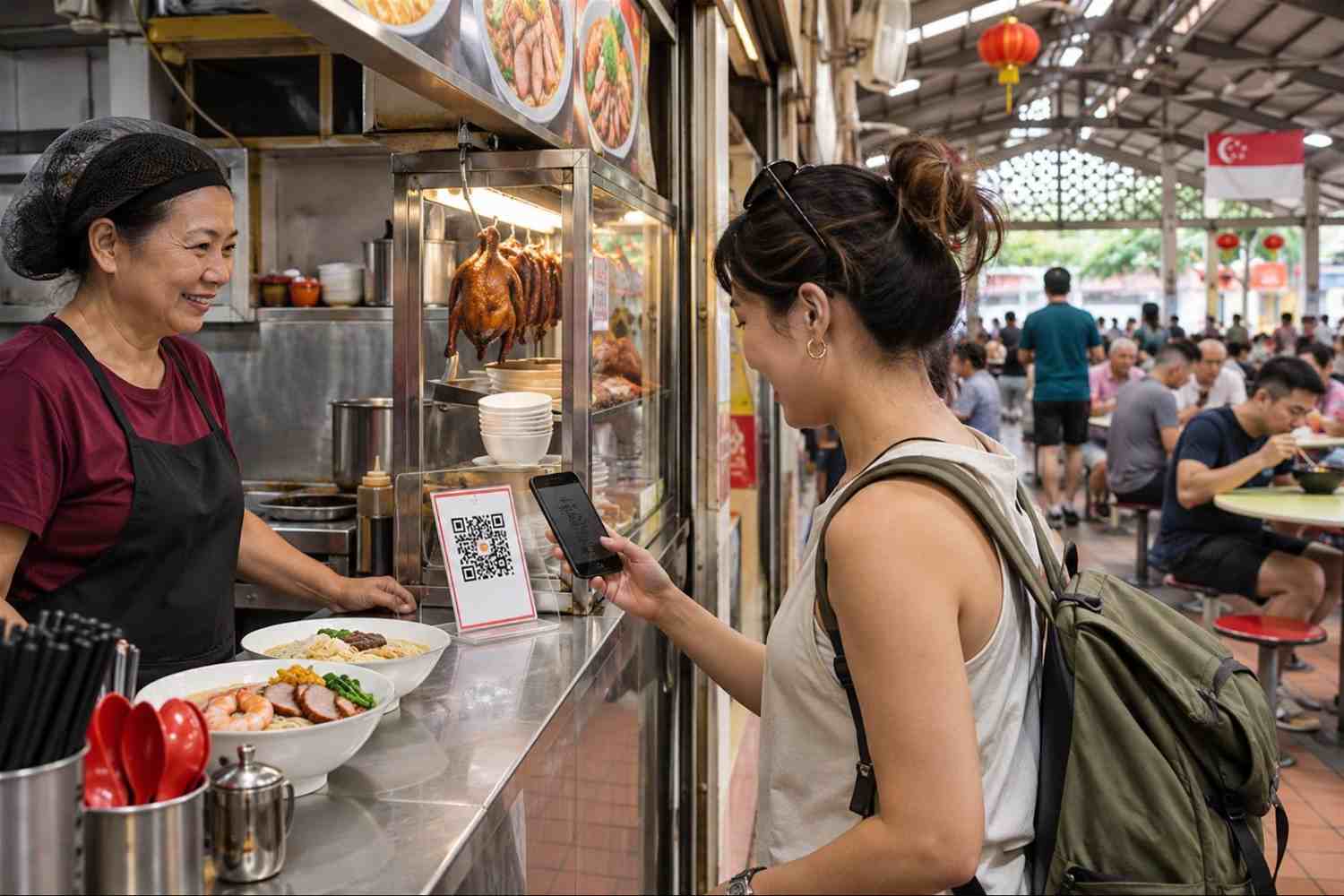
PayNow and PromptPay are smaller domestic systems built on mobile-number addressing. Singapore launched PayNow in July 2017, run by the Association of Banks in Singapore. Thailand introduced PromptPay in 2016, with public use from 2017.
Both systems let users register a mobile number or national ID. That keeps the experience simple, but it also keeps the scale far below UPI. In Singapore, a phone number is often all a friend needs to pay you back.
The interesting part is the links between them. PromptPay joined PayNow in April 2021 and DuitNow in June 2021. PayNow has linked with UPI since February 2023.
Project Nexus goes further, and central banks from Malaysia, Thailand, the Philippines, Singapore and India signed on in June 2024. The platform was targeted to go live in 2026. It shows where UPI is heading next: network to network, not app to app.
Real-time payments by country at a glance
The table below compares the rails and apps discussed so far. Scale figures come from the sources cited above.
| System | Country | Launch | Operator | Scale or standout feature |
| UPI | India | 2016 | NPCI | 24.07 billion transactions in September 2026 |
| PIX | Brazil | 2020 | Banco Central do Brasil | 36.3 billion transactions, January to May 2026 |
| FedNow | United States | 2023 | Federal Reserve | 1,800+ institutions, $10 million limit |
| PayNow | Singapore | 2017 | Association of Banks in Singapore | Linked to PromptPay and UPI |
| PromptPay | Thailand | 2016 | National ITMX | Linked to PayNow and DuitNow |
| Zelle | United States | 2017 | Early Warning Services | Over $1.2 trillion sent in 2025 |
UPI vs Apple Pay and Alipay
Apple Pay and Alipay are wallet layers, not payment rails. Apple Pay tokenizes an existing card and routes the payment through card networks. Alipay is a super app that holds balances and links to bank accounts.
Apple Pay launched in October 2014. It relies on NFC, a secure element and a device-specific token, so a merchant needs a contactless card terminal. UPI needs only a printed QR code, which is why a chai cart can accept it.
Alipay is a super app with over a billion users. Since 2023, foreign visitors can link a Visa or Mastercard directly, with no fee on payments under 200 yuan. Its older Tour Pass let visitors load foreign currency, the same idea behind a tourist wallet in India.
| Type | Examples | What moves the money |
| Payment rail | UPI, PIX, FedNow, PayNow, PromptPay | Bank accounts, in real time |
| Wallet layer | Apple Pay | Existing cards, via card networks |
| Super app | Alipay | Wallet balance and linked accounts |
| Person-to-person app | Zelle, Venmo | Bank accounts or app balance |
Which is the best QR payment system?
No single system wins every test. UPI wins on volume and merchant reach, PIX on adult coverage, and FedNow on transaction size. The best QR system is the one your local merchants already accept.
Four tests help when you compare:
● Reach: how many merchants accept it without special hardware
● Cost: what merchants and users pay per payment
● Access: whether visitors and non-residents can join
● Links: whether it connects to other countries' systems
On reach and cost, UPI scores highest. On access, it has a gap that visitors notice immediately. Our post on why UPI will change your travel experience shows how that gap closes.
What this means for travellers in India

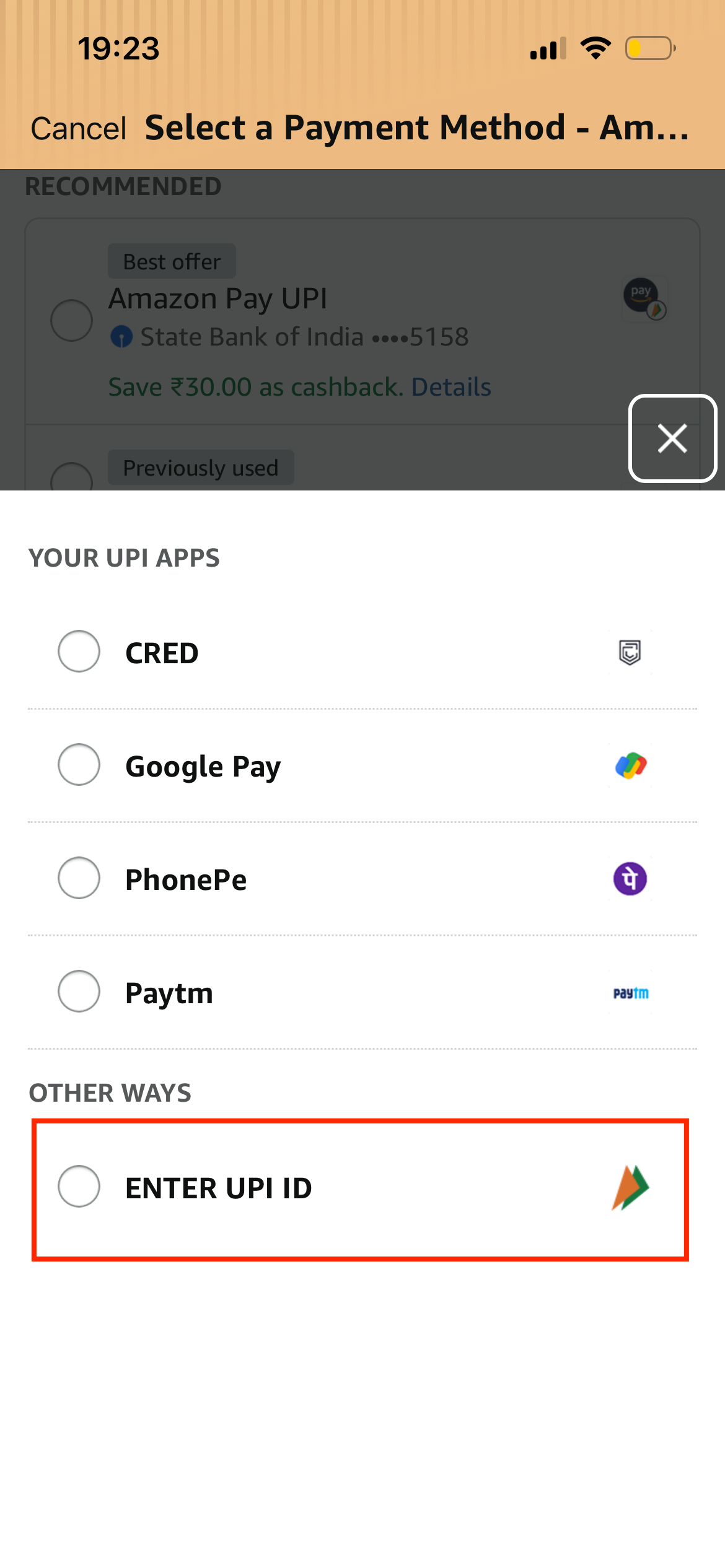
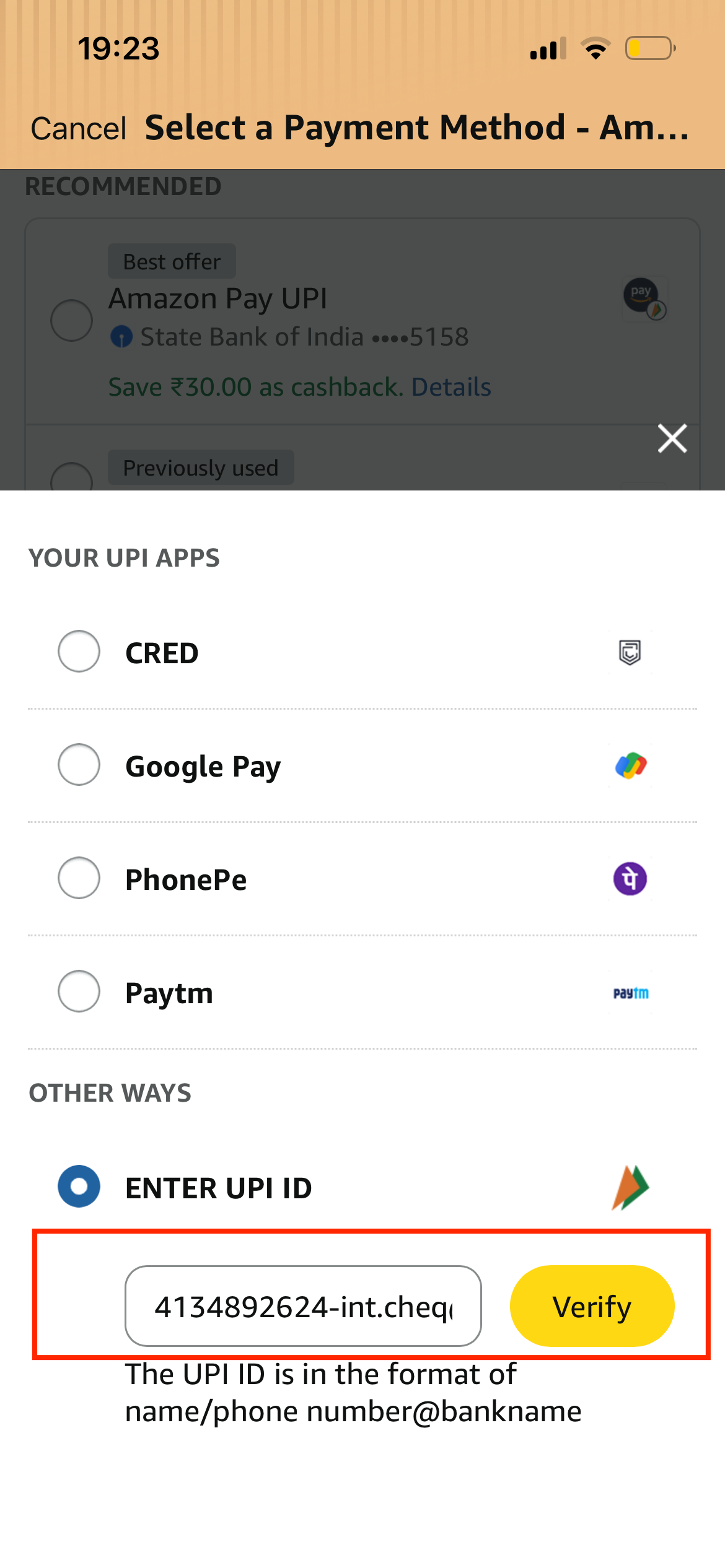
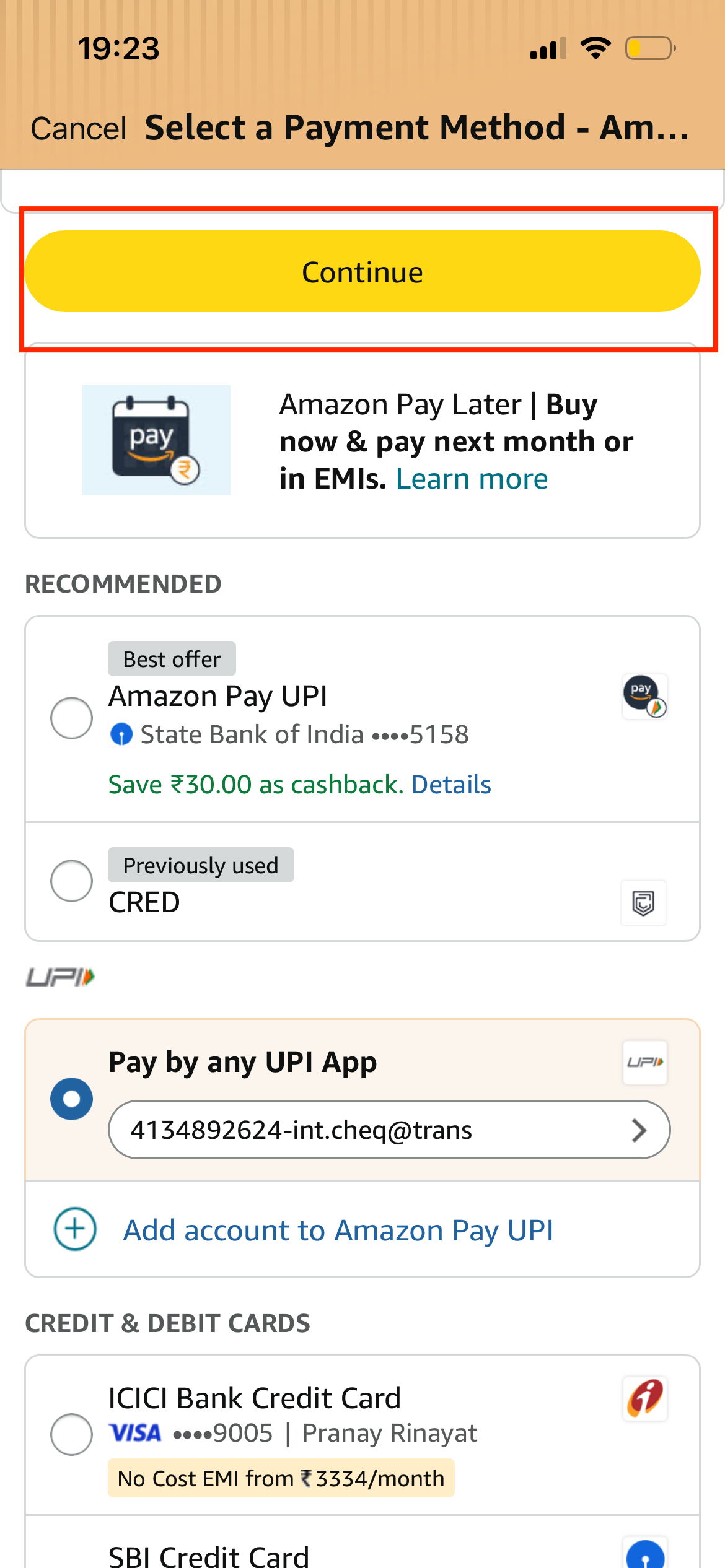
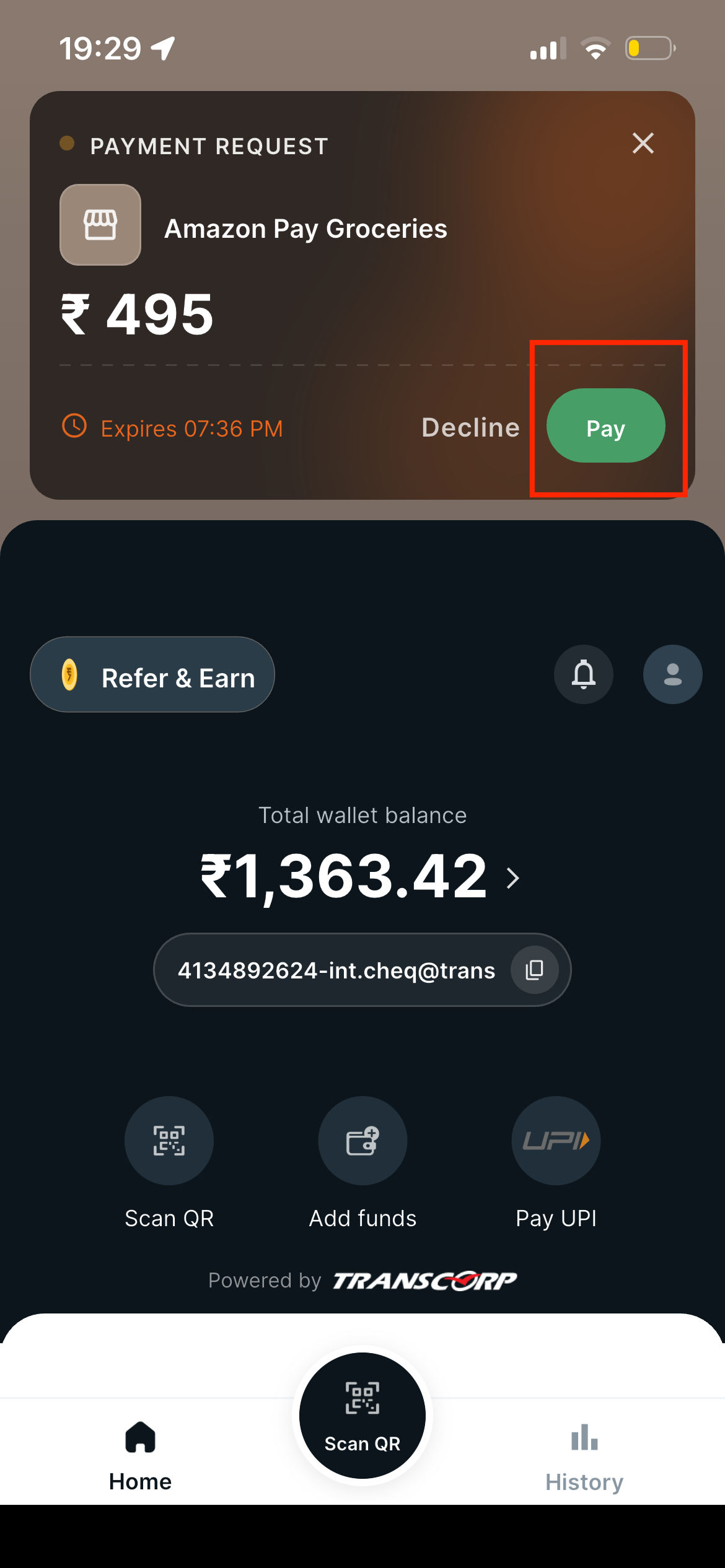
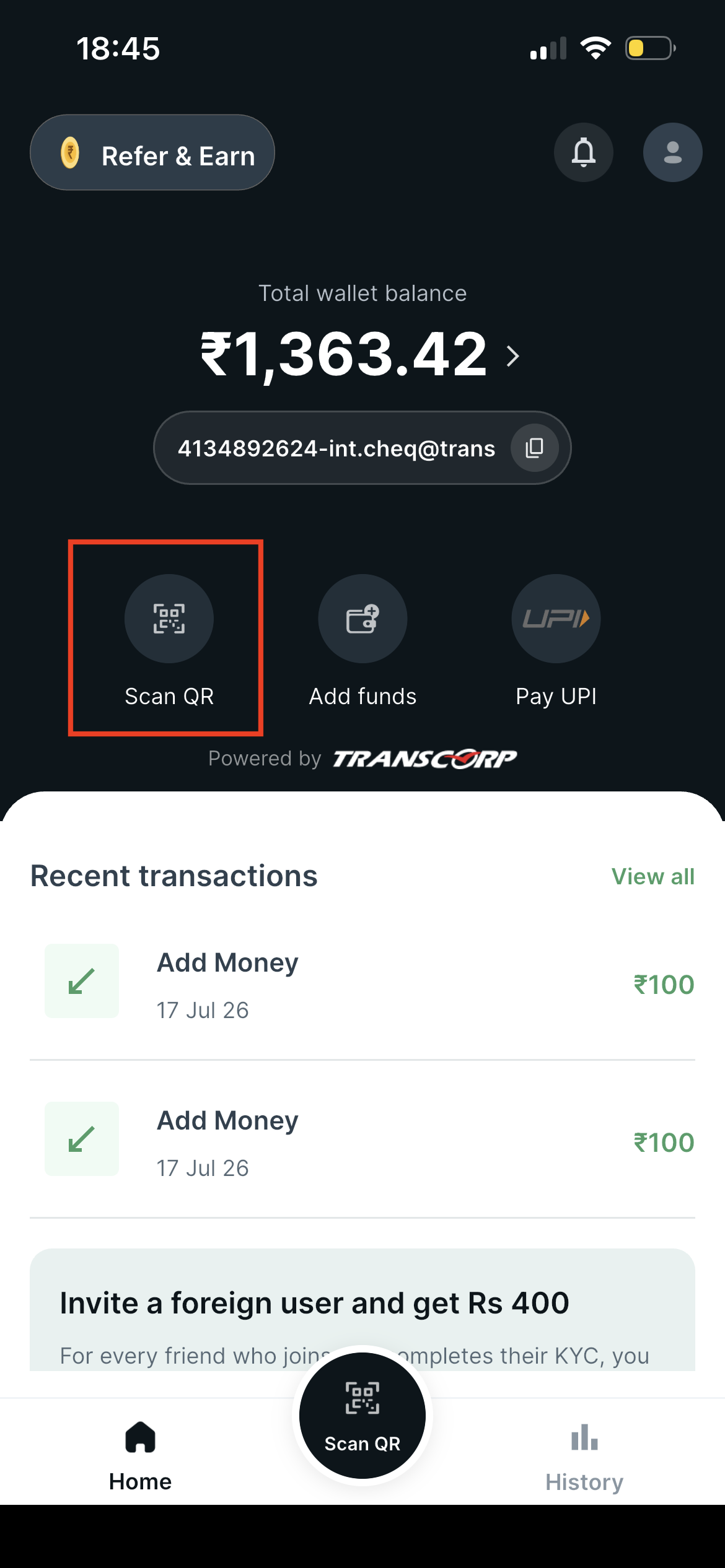
Foreign tourists cannot use UPI through a bank app, because they lack an Indian bank account. A wallet such as Cheq solves that through NPCI's UPI One World programme. CheqUPI is a Prepaid Payment Instrument (PPI) wallet, not a bank account.
CheqUPI is free to join for all eligible nationalities, with a loading fee of 2.95% + applicable taxes and 0% merchant payment fee. It is open to 180+ FATF-compliant countries. P2P transfers are not supported.
You can set it up from home before your flight and complete verification at your earliest convenience after reaching your hotel or by visiting a city branch. You need no Indian bank account or SIM. An internet connection and location access are required.
Foreign Visa and Mastercard cards cannot link to UPI directly, so they fail at most Indian QR codes. The wallet bridges that gap. Our guide on how foreign nationals can unlock UPI walks through setup.
Keep Rs 5,000 to 10,000 (approx $52 to $104) in cash for stalls without QR codes. Read about the issues with withdrawing cash from ATMs using international cards before you decide how much to load. Spotting popular scams aimed at foreign tourists protects the balance you do load.
Conclusion
UPI leads the world's real-time systems on monthly volume and merchant reach. PIX, FedNow and the Asian systems each solve a different problem well. Wallet layers sit above these rails, and cross-border links like Project Nexus will shape the next decade. For visitors to India, a UPI One World wallet turns a closed system into one they can use.
FAQs
1. Is UPI better than PIX?
Both have their own strengths. UPI processes more transactions per month, while PIX reaches a higher share of adults in Brazil. Both run mainly as domestic systems with low merchant costs.
2. What is the difference between UPI and FedNow?
FedNow is a Federal Reserve rail used mostly for larger transfers between institutions. UPI is built around small retail and merchant payments, with QR codes at the centre.
3. Is Apple Pay a real-time payment system?
No. Apple Pay tokenizes an existing card and sends the payment through card networks. Settlement timing depends on the underlying card or account.
4. Can foreign tourists use Alipay in China?
Yes. Since 2023, visitors can link a foreign Visa or Mastercard directly in Alipay. Payments under 200 yuan carry no fee, and larger ones cost 3%.
5. How does UPI compare with Zelle and Venmo?
Zelle and Venmo are US person-to-person apps. UPI is a national rail that also handles merchant QR payments, and its monthly volume far exceeds Zelle's annual count.
6. Do PayNow and PromptPay work with UPI?
PayNow has linked with UPI since 2023. PromptPay links to PayNow and DuitNow. Project Nexus aims to connect India, Singapore, Thailand and other markets on one platform.
7. Can foreign tourists use UPI in India?
Yes, through a UPI One World wallet such as Cheq. Foreign wallets pay merchants only, so P2P transfers are not supported.
8. How much does CheqUPI cost?
CheqUPI is free to join for all eligible nationalities, with a loading fee of 2.95% + applicable taxes and 0% merchant payment fee.
9. Can I send money to friends with CheqUPI?
No, you cannot send money to friends with CheqUPI as P2P transfers are not supported.
10. Which countries can use CheqUPI?
CheqUPI is open to 180+ FATF-compliant countries. You register in the app before your flight and finish verification in India.
India built the world's busiest payment rail, and visitors can now ride it too. CheqUPI turns your Visa or Mastercard into UPI payments at registered merchants, from chai carts to museum counters.
Download CheqUPI and pay like a local on the world's busiest payment rail.