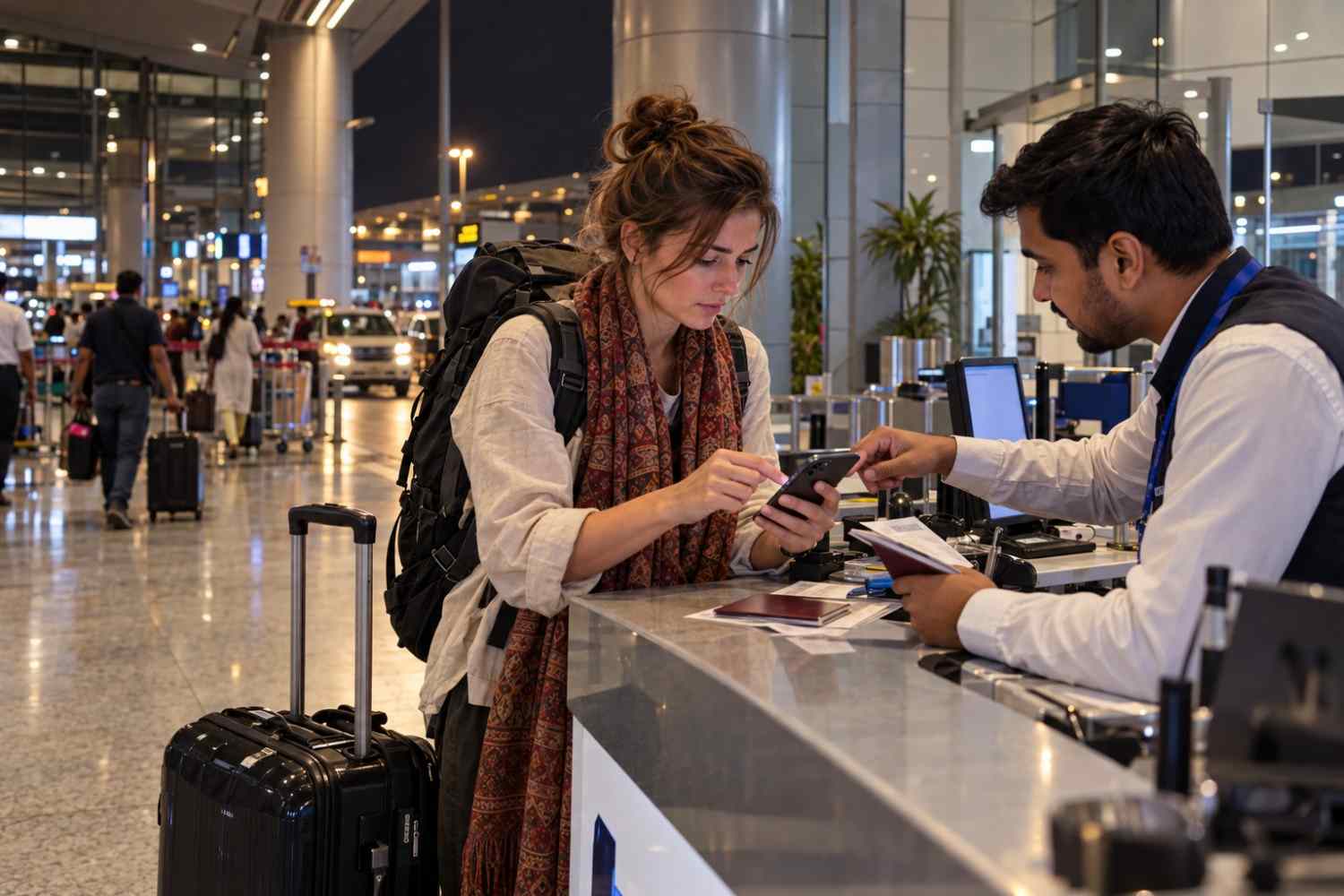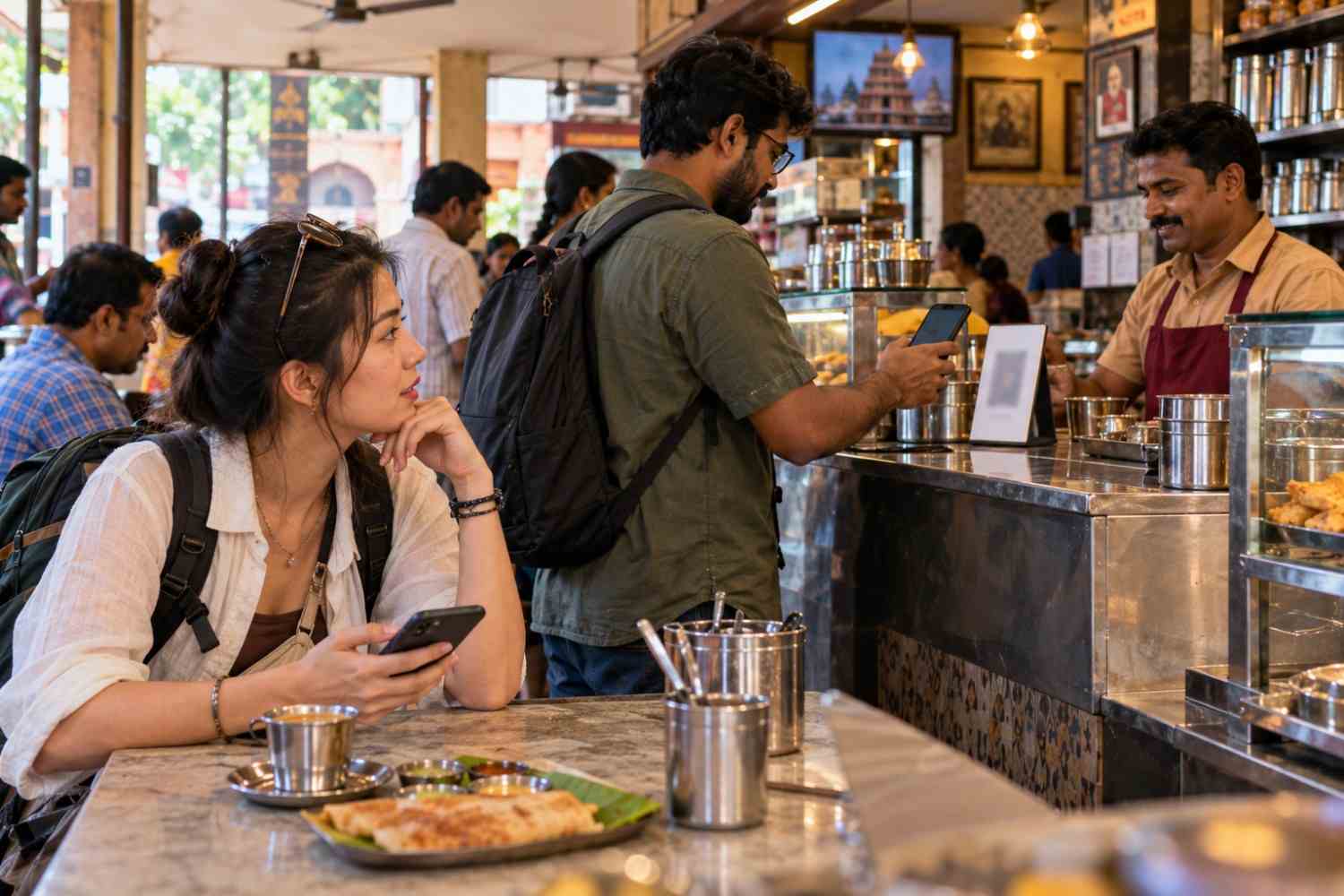
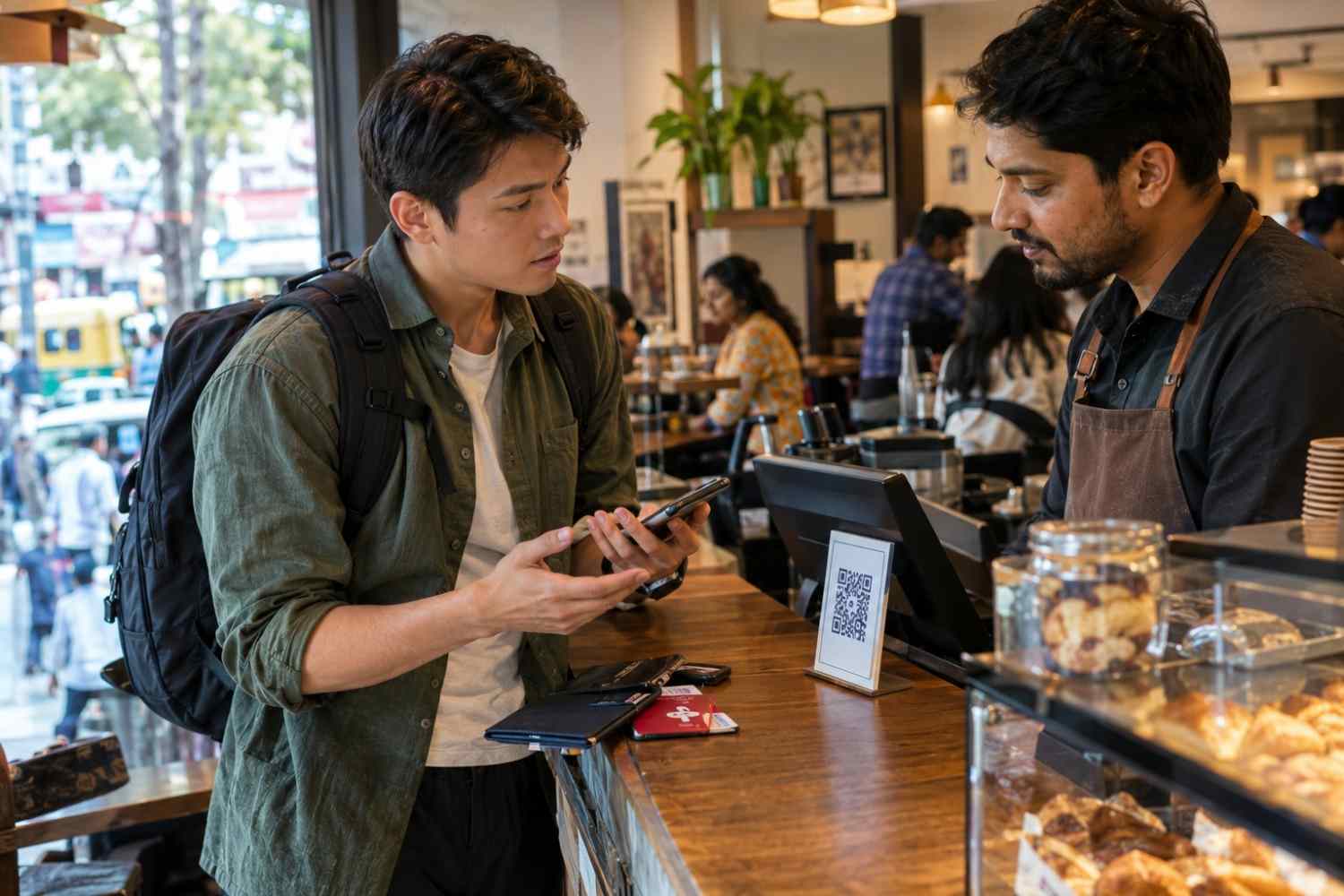
India and Singapore have something that looks like a perfect payments match: UPI on one side, PayNow on the other, linked for instant cross-border transfers. But a payment system that works beautifully between banks doesn't automatically mean you can walk into a shop in Singapore or India, scan any QR code, and pay.
That distinction matters for travelers. The UPI-PayNow connection is useful for certain cross-border transfers, but everyday merchant payments work differently, especially for tourists visiting India.
Key highlights
- UPI is built and operated by NPCI, connecting directly to Indian bank accounts and PPI wallets.
- PayNow is Singapore's peer-to-peer transfer system, run by the Monetary Authority of Singapore.
- The UPI-PayNow linkage primarily supports cross-border P2P transfers, not general merchant QR payments, built by NIPL, NPCI’s international arm
- Most Singapore merchants display standard PayNow QR codes that Indian UPI apps cannot read directly.
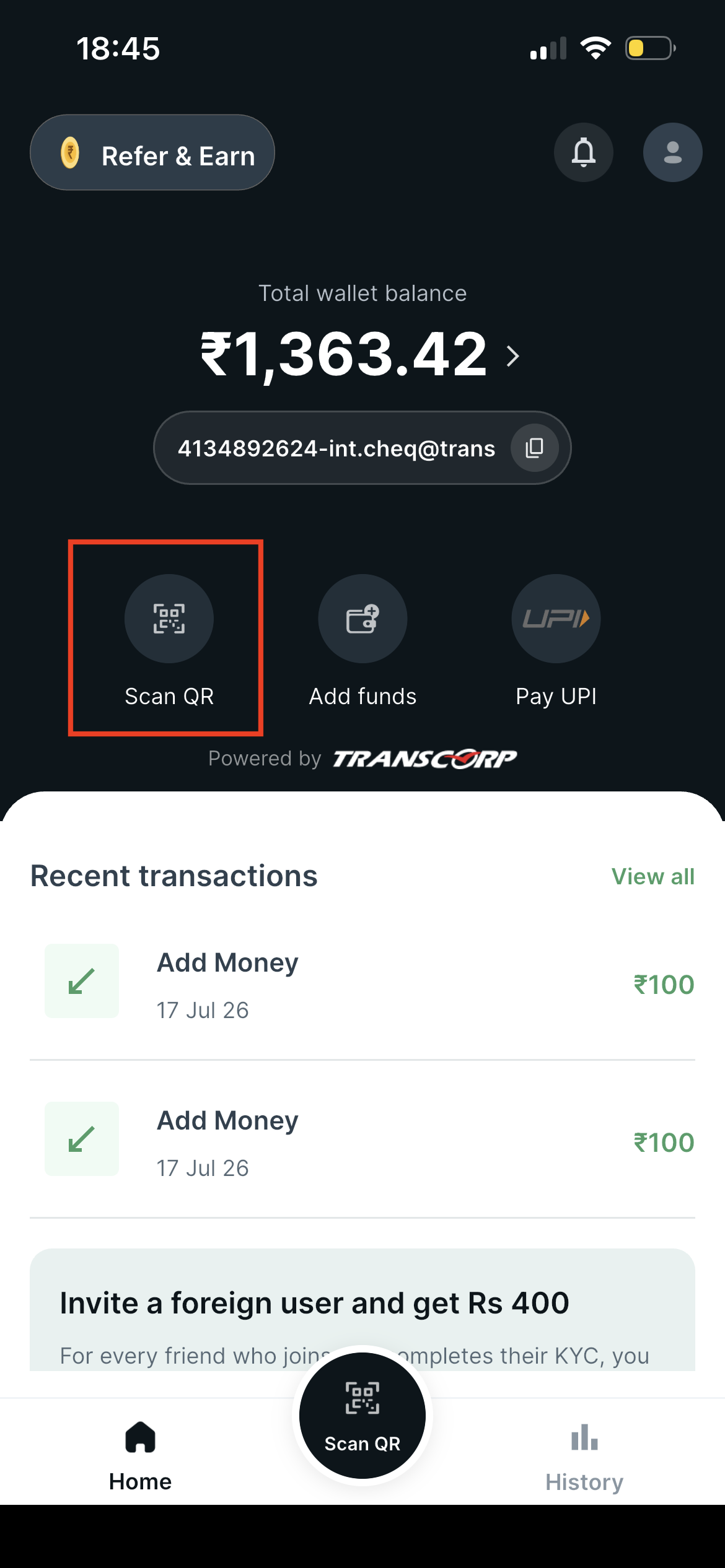
- CheqUPI is free to join for all eligible nationalities, with a loading fee of 2.95% + applicable taxes and 0% merchant payment fee.
- Foreign tourists in India can access UPI through a dedicated wallet, independent of the PayNow linkage entirely.
UPI and PayNow, the short version
UPI is India's real-time payment network, built by the National Payments Corporation of India and used for both peer-to-peer transfers and merchant payments nationwide. PayNow is Singapore's equivalent for direct transfers between residents.
The two systems share a broad concept, instant transfers using a simple identifier instead of full bank details, but were built independently with different underlying architecture and rules.
How the two systems are built differently
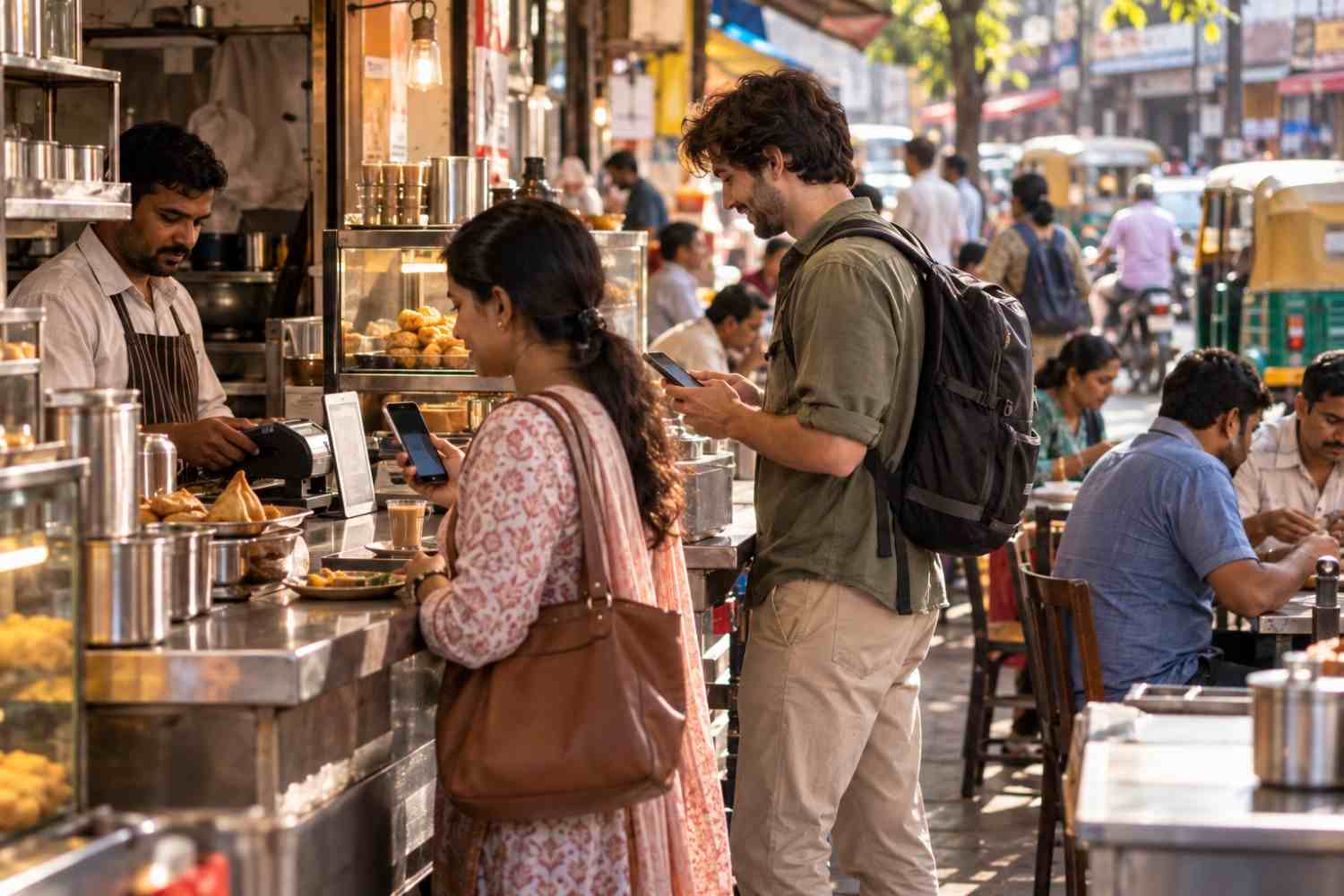
UPI connects to bank accounts and PPI wallets through a virtual payment address and supports both P2P and P2M transactions at massive scale. It also underpins the QR code payment culture found at nearly every merchant across India.
PayNow links to a Singapore bank account or mobile number and was designed primarily for transfers between individuals rather than merchant scanning. Merchant PayNow use exists but developed on a separate track from the personal transfer system.
What the UPI-PayNow linkage actually enables
The linkage connects the two systems for cross-border person-to-person transfers. A user on one system can send funds directly to a user on the other, without needing an account on the foreign platform.
This matters most for remittances between India and Singapore, a corridor that moves a significant amount of money annually. It was never designed as a general merchant-payment bridge for tourists moving between the two countries.
The linkage was enabled by NPCI International Payments Limited (NIPL), the international arm of NPCI, working with its Singapore counterpart to connect UPI with PayNow.
The practical gap: does the QR code linkage really work
In practice, Indian UPI apps can only read specially formatted PayNow-UPI QR codes, not the standard codes most Singapore merchants display. This limits how useful the linkage is for everyday spending while traveling.
The reverse direction carries its own limitations too. A Singapore visitor to India generally cannot use PayNow to pay Indian merchants directly, since Indian QR codes run on UPI's own merchant rails.
UPI vs PayNow, side by side
The two systems overlap conceptually but differ meaningfully in scope and daily usability for travelers.
| Factor | UPI (India) | PayNow (Singapore) |
| Operator | NPCI | Monetary Authority of Singapore |
| Core use case | P2P and merchant (P2M) payments | Primarily P2P transfers |
| Merchant QR coverage | Extremely widespread | Growing, less universal |
| Cross-border linkage use | P2P remittances only | P2P remittances only |
| Tourist merchant use abroad | Limited without linkage | Limited without linkage |
What this means if you're visiting India

If you're a foreign tourist heading to India, the UPI-PayNow linkage is not the relevant tool for daily spending. Merchant payments run through standard UPI, accessed via a dedicated foreign tourist wallet.
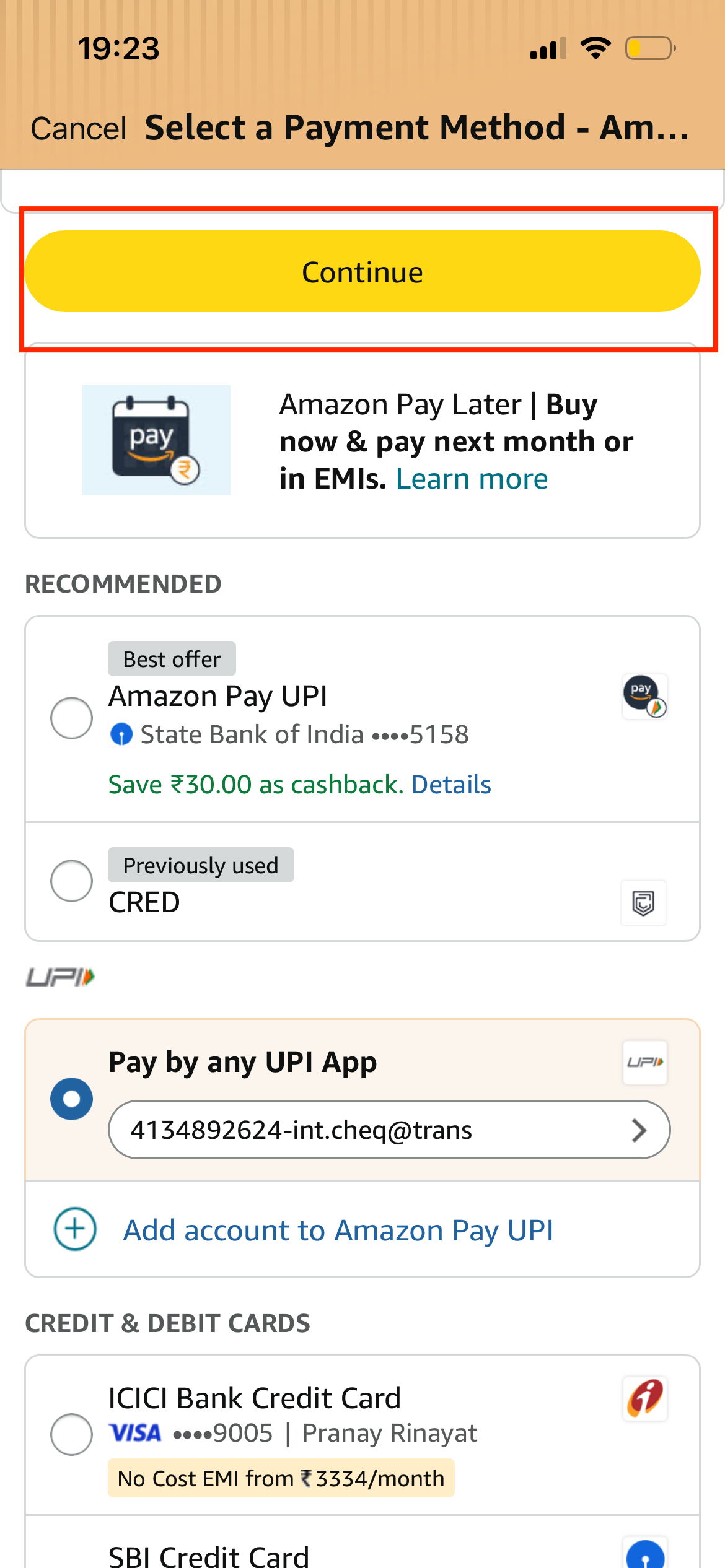
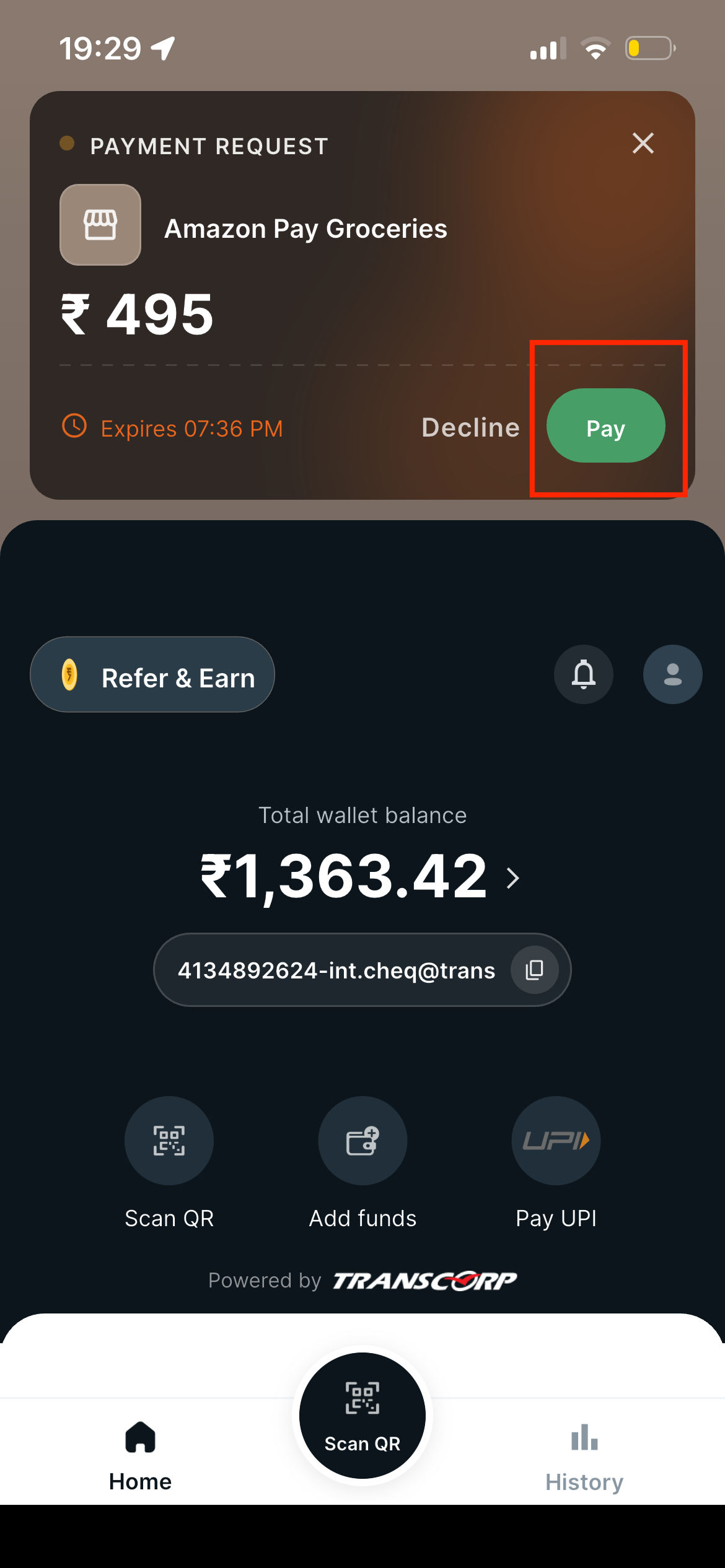
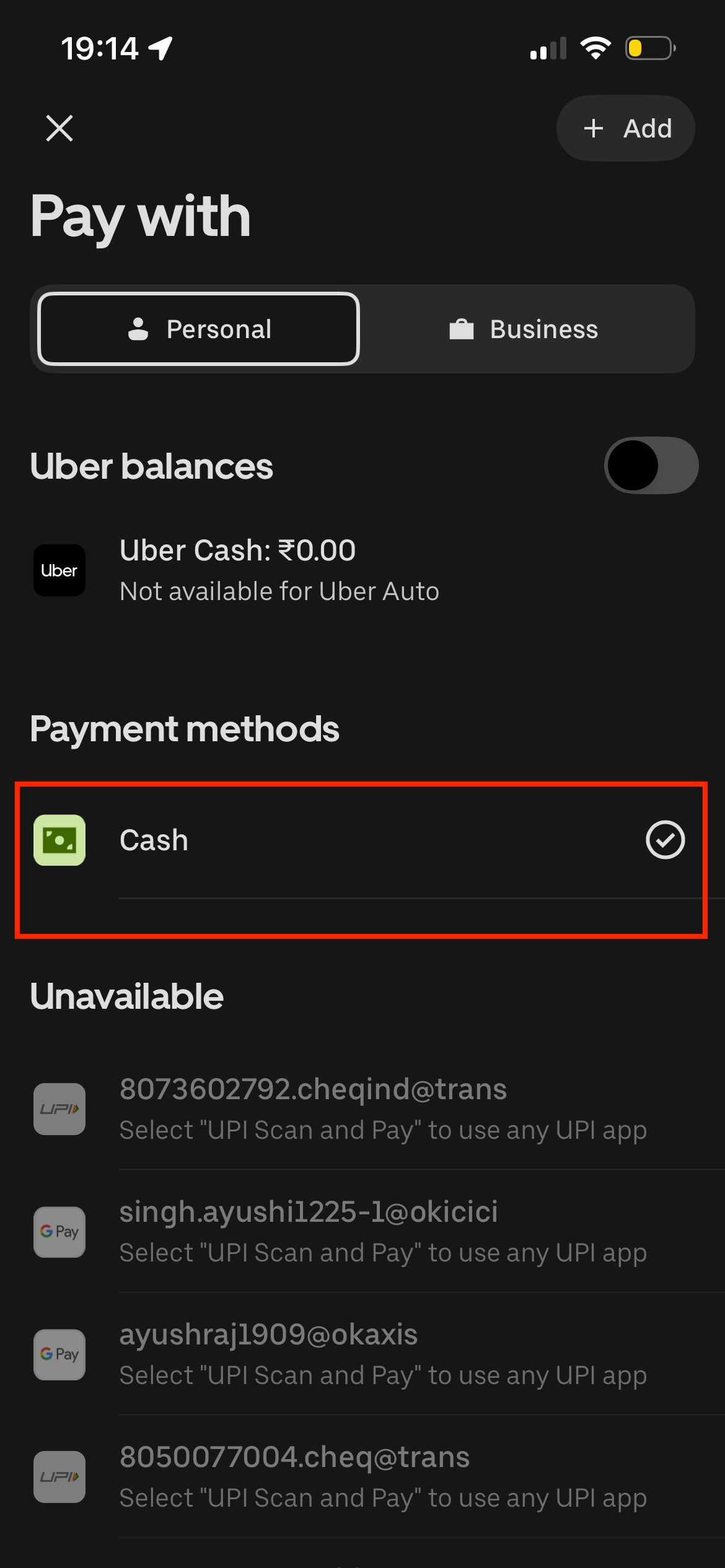
This guide on how UPI payments work for tourists covers how a wallet like CheqUPI connects an international card directly to the UPI network. It sidesteps the cross-border linkage question entirely, since it works independently of PayNow.
For general spending, from restaurants to markets, a foreign tourist wallet remains the more reliable route than relying on the P2P linkage.
Staying safe with cross-border digital payments
Cross-border payment confusion can create openings for scams, particularly around fake QR codes or unofficial "linkage" claims from unverified sources. Stick to official apps and verified merchant codes at all times.
This overview of common scams tourists should watch for covers patterns worth watching for while paying digitally in unfamiliar settings.
Conclusion
UPI and PayNow both are strong domestic systems with a narrow, useful cross-border bridge for remittances. That bridge is not designed for everyday tourist spending in either direction. For merchant payments in India specifically, a dedicated tourist wallet remains the more practical path.
FAQs
1. What is PayNow?
PayNow is Singapore's peer-to-peer payment system, linking bank accounts and mobile numbers for instant transfers.
2. What is UPI?
UPI is India's real-time payment network, supporting both peer-to-peer and merchant payments nationwide.
3. Can Singapore residents use UPI in India?
Not directly through PayNow. Foreign tourists need a dedicated UPI wallet to pay Indian merchants.
4. Can Indians use PayNow in Singapore?
Only through the specific P2P linkage and only with PayNow-UPI-formatted QR codes.
5. Is the QR linkage bidirectional for merchant payments?
No. It primarily supports P2P transfers, not general merchant scanning in either country.
6. What are the transfer limits on the linkage?
Limits are set per participating bank and can change, so check current terms before relying on them.
7. Is PayNow free to use?
Domestic PayNow transfers within Singapore are typically free for users.
8. Which system has wider merchant acceptance?
UPI has significantly broader merchant QR coverage across India.
9. Do tourists need a local bank account for either system?
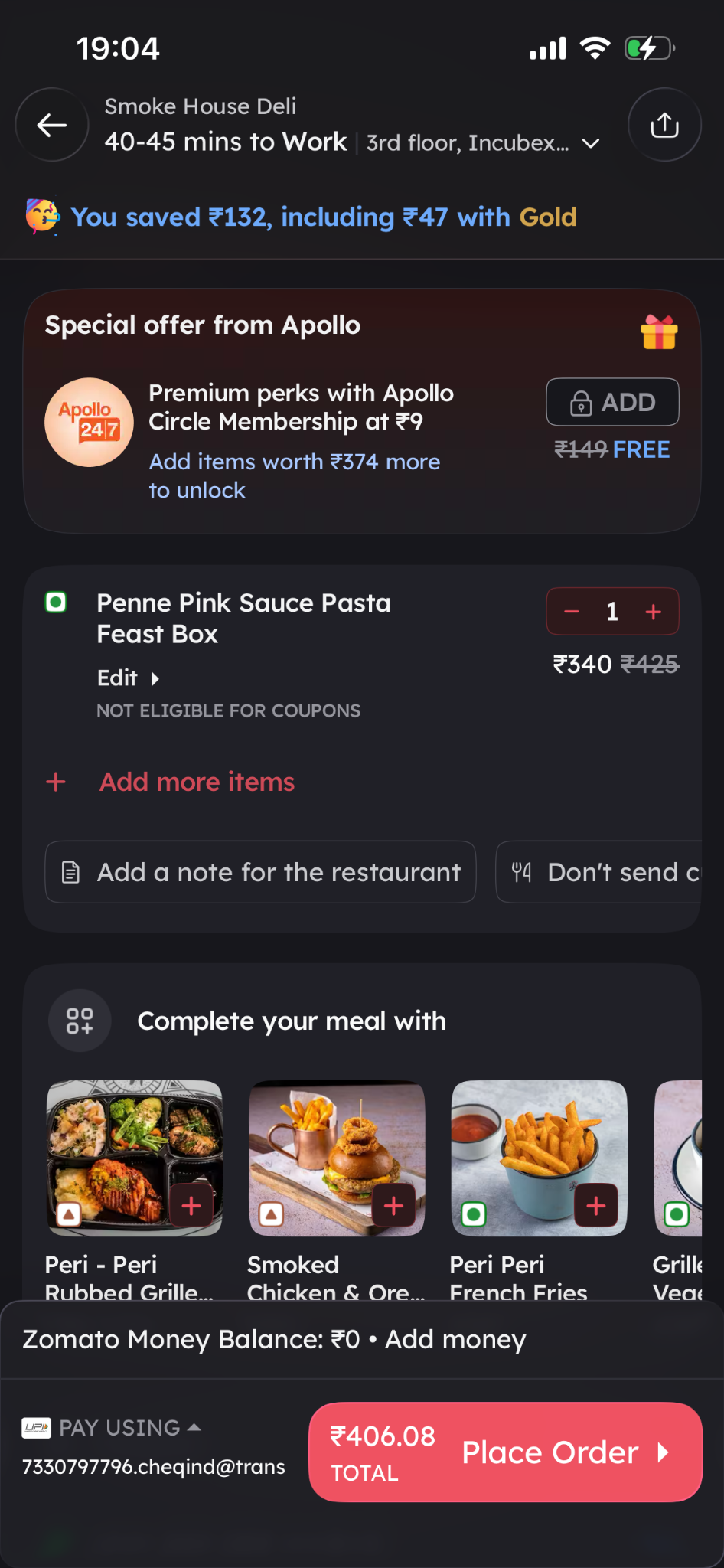
No. Tourist wallets like CheqUPI work without an Indian bank account or SIM.
10. Does the linkage reduce cross-border transfer fees?
Yes, for P2P remittances specifically, though it doesn't cover merchant payments.
"Download CheqUPI before your India trip and skip the confusion around cross-border payment links. Pay directly at UPI-enabled merchants across India, from cafés and restaurants to local shops and markets."