
North and South India can feel like two completely different travel experiences. The north brings grand forts, Mughal architecture, Himalayan landscapes, and rich, hearty food, while the south offers ancient temples, tropical coastlines, backwaters, and a slower pace of life.
If you're visiting India for the first time, choosing where to begin can be surprisingly difficult. Climate, food, costs, culture, and even the rhythm of everyday travel change significantly between the two, so the right region depends on the kind of trip you want.
Key highlights
- North India runs on extreme seasons, while South India stays warmer and more stable year-round.
- Food splits sharply: wheat and dairy-rich curries in the north, rice and coconut-based dishes in the south.
- South India is generally considered calmer and more organized for first-time travelers.
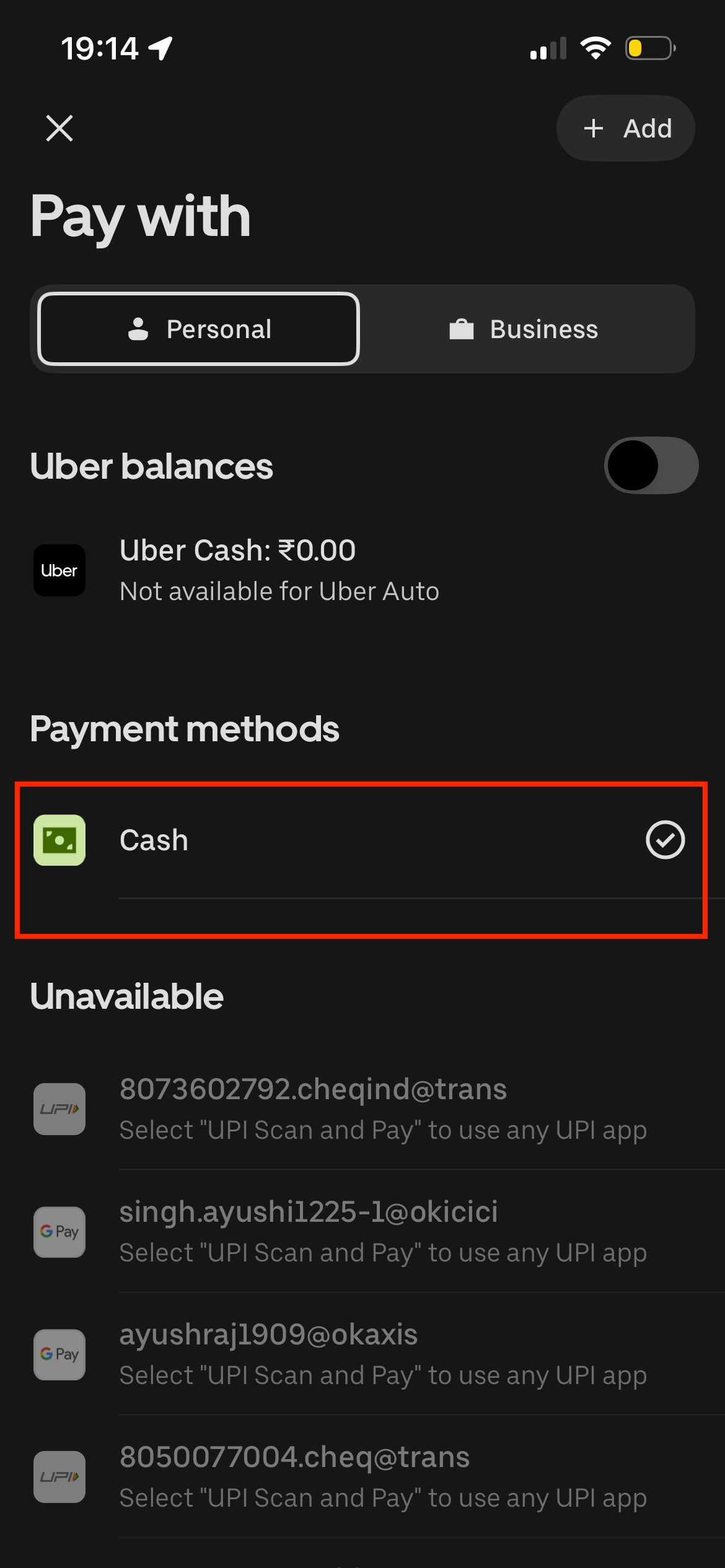
- Both regions are increasingly cashless, with UPI QR codes accepted at most restaurants and shops.
- CheqUPI is free to join for all eligible nationalities, with a loading fee of 2.95% + applicable taxes and 0% merchant payment fee.
- Combining both regions in one trip works well with 12 to 15 days.
North India vs South India: the short answer
North India delivers grand monuments, desert landscapes, and Himalayan foothills packed with history. South India offers temple towns, backwaters, and coastline with a slower, steadier rhythm.
Neither region is objectively better. The right choice depends on your pace preference, food tolerance, and how much heat or crowd energy you want.
Climate and best time to visit each region
North India swings between extremes. Summers in Delhi and Rajasthan regularly cross 40 degrees Celsius, while winter temperatures in the hills can drop below 0 degrees Celcius.
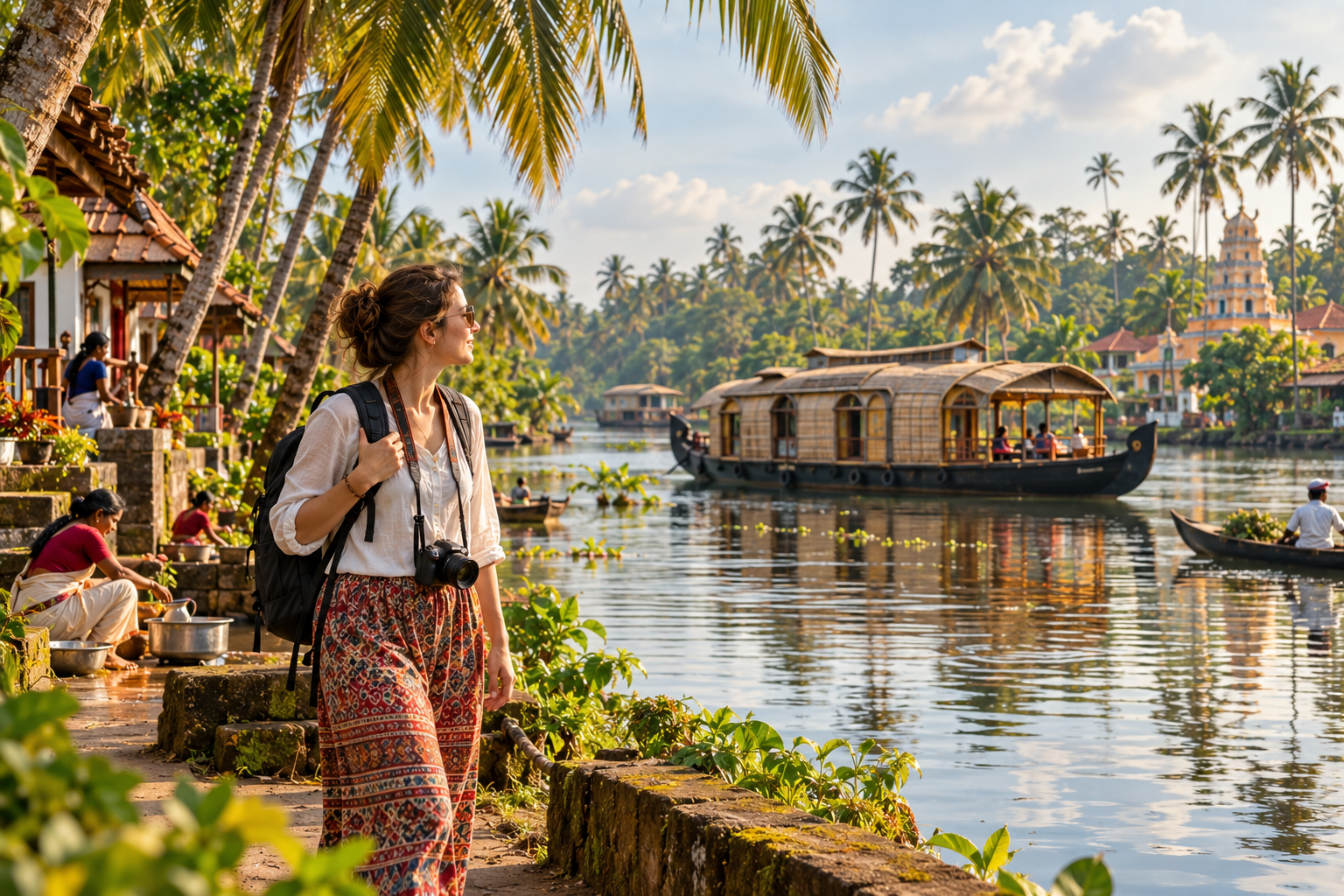
South India stays warmer and more even throughout the year, with monsoon rains as the main seasonal shift. Coastal breezes keep most of the region comfortable outside of peak summer humidity.
October to March works well for North India. South India stays travel-friendly for most of the year, aside from the heaviest monsoon weeks.
Food differences that shape the whole trip
North Indian food centers on wheat, dairy, and rich gravies. Think butter-laden curries, naan, and paneer dishes built for colder weather.
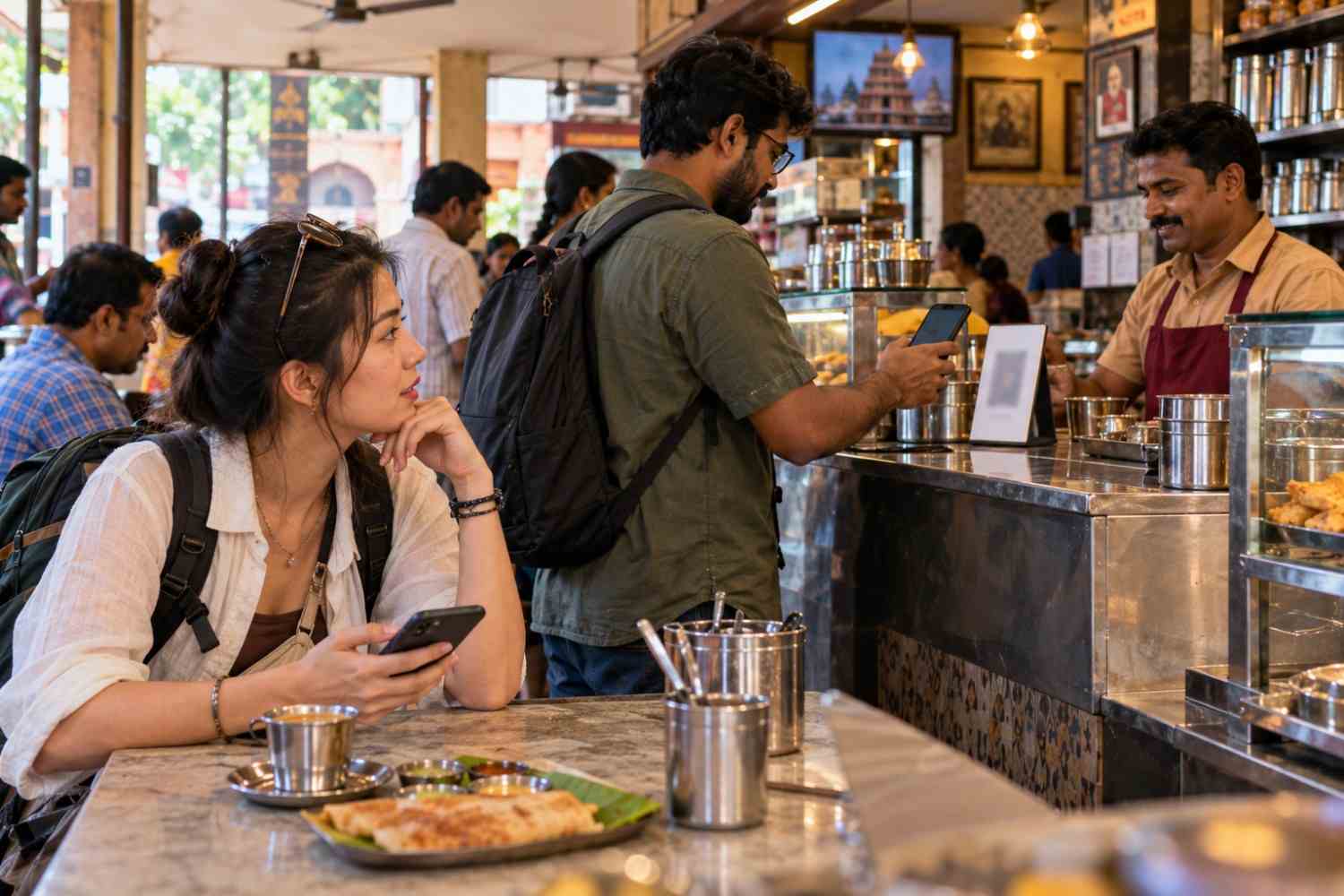
South Indian food leans toward rice, lentils, and coconut. Dosas, idlis, and sambar define the everyday meal far more than bread ever does.
If you want to sample the country's full range before deciding, this list of regional dishes worth trying across India covers both ends of the spectrum.
Culture, pace, and everyday travel experience
North India feels faster, louder, and more crowded in its major cities. Traffic, street noise, and constant activity are part of the daily texture.
South India tends to feel calmer and more orderly. Streets are generally quieter, and the overall pace slows down considerably outside major hubs.
Language also shifts. Hindi dominates the north, while Tamil, Malayalam, Kannada, and Telugu take over across the south.
Cost and transport, side by side
Trip costs and travel logistics differ meaningfully between the two regions. Use this table as a quick reference while planning your route.
| Factor | North India | South India |
| Typical daily budget | Moderate to high | Moderate |
| Weather predictability | Highly seasonal | More stable |
| Crowd levels | Higher in major sites | Generally lower |
| Transport network | Extensive road and rail | Strong rail, growing road |
| Best season window | October-March | Year-round, avoid peak monsoon |
Which part of India should I visit first

First-time visitors chasing iconic monuments usually start in the north, drawn by the Taj Mahal, Rajasthan's forts, and Delhi's history. Those seeking a gentler introduction often prefer the south's slower pace.
If you have 12 to 15 days, combining both regions works well and gives a fuller picture of the country. Shorter trips are better spent focused on one region rather than rushing between both.
For a broader sense of where to go regardless of region, this roundup of top destinations across the country is a useful starting point.
Paying your way across both regions
Digital payments work the same way whether you are in Delhi or Kochi, since UPI runs on one national network. Merchants across both regions increasingly prefer QR-code payments over cash.
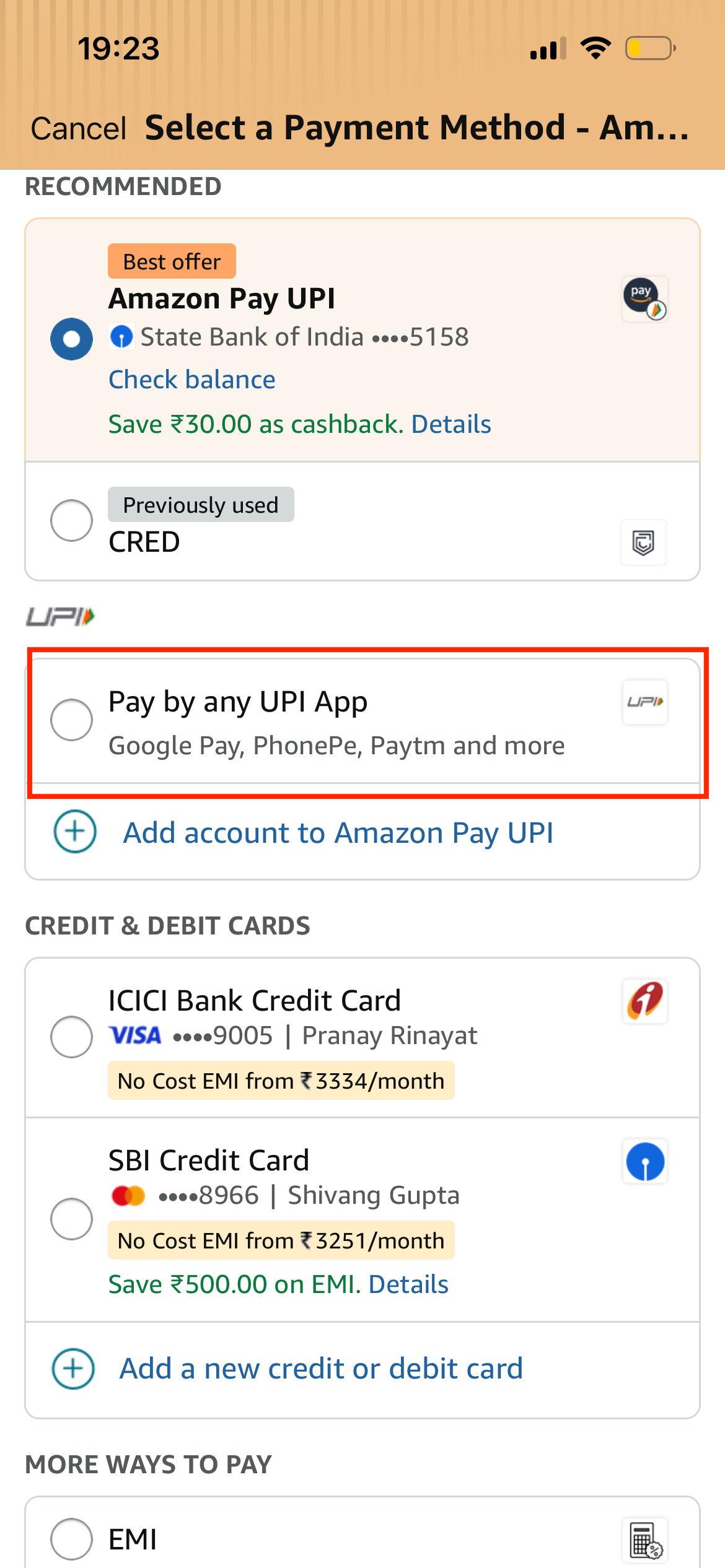
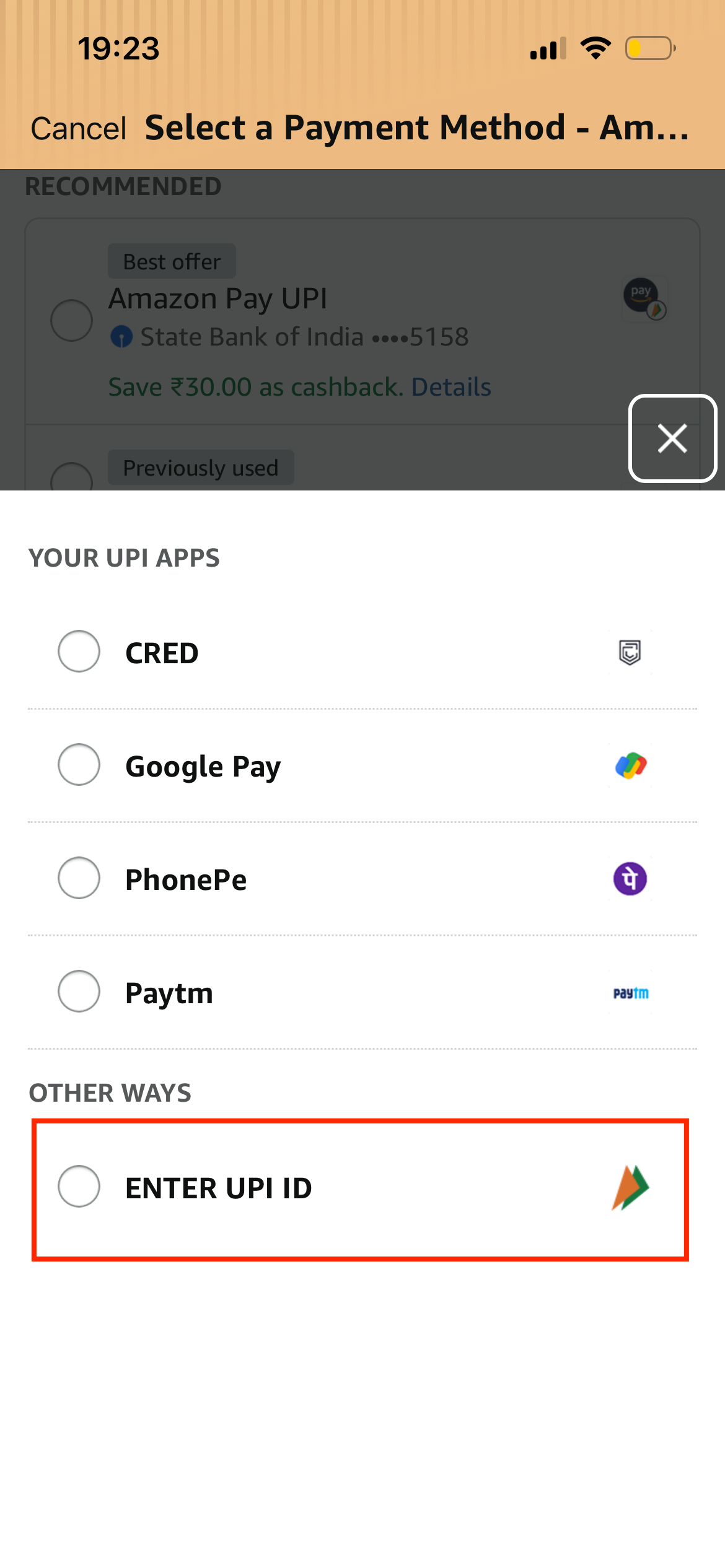
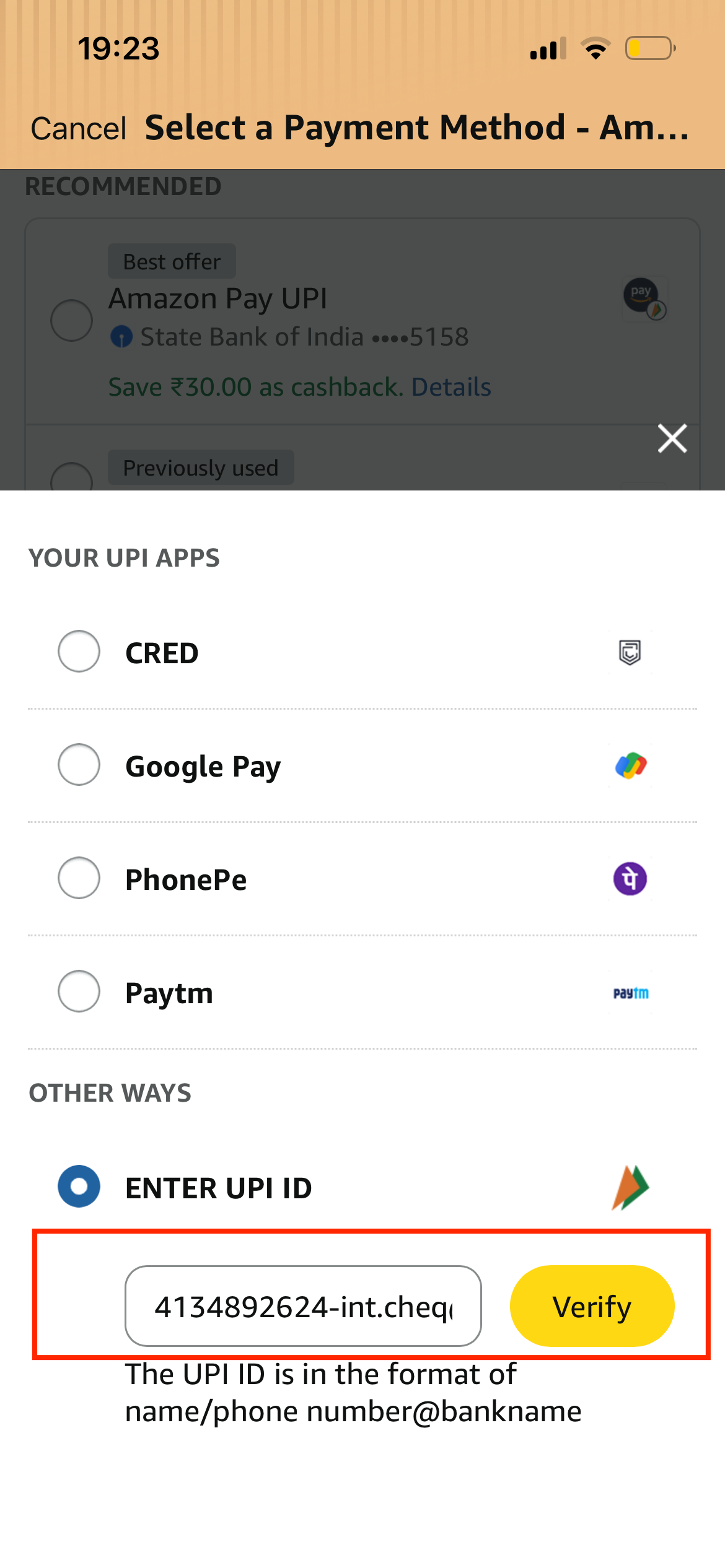
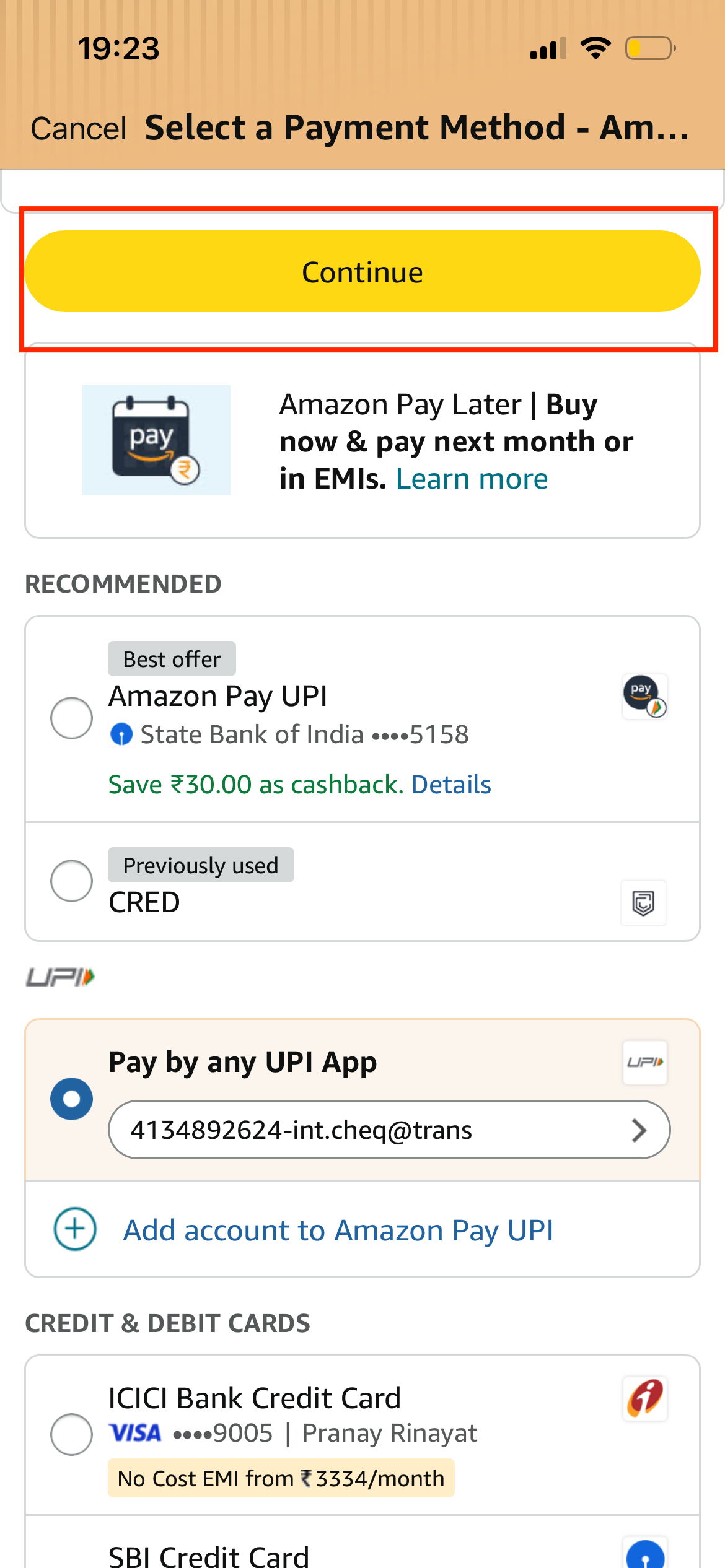
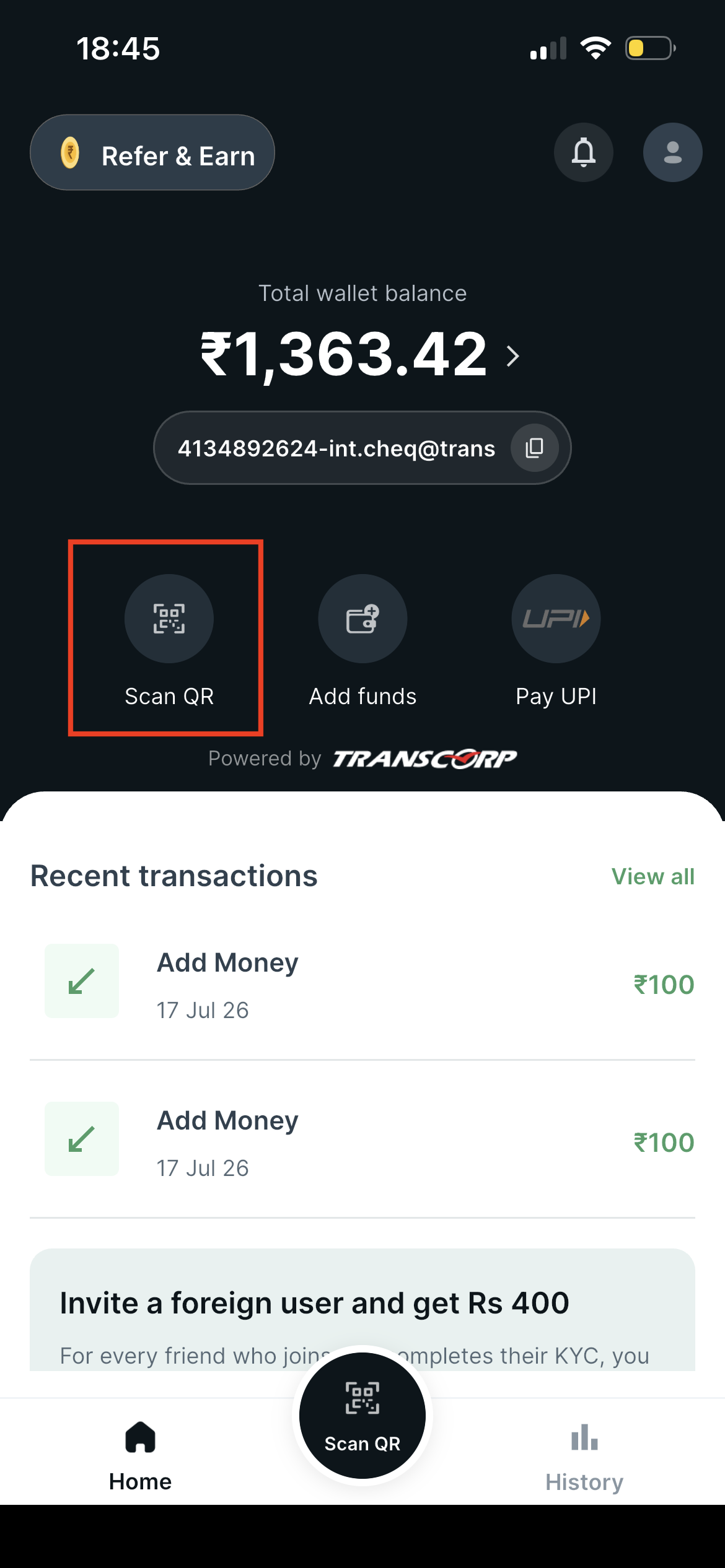
Foreign tourists can access this network through wallets like CheqUPI, with no Indian bank account or SIM required. An internet connection and location access are required. This guide on how UPI payments work for tourists covers the setup in full.
One wallet works consistently whether you're haggling in a Delhi bazaar or paying for filter coffee in Chennai.
You can set it up from home before your flight and complete verification at your earliest convenience after reaching your hotel or by visiting a city branch.
Conclusion
North and South India offer genuinely different trips inside the same country. Your ideal starting point depends on climate tolerance, food preferences, and how much pace you want. Either way, one payment setup covers you across the whole journey.
FAQs
1. Which is cheaper, North or South India?
South India tends to be a bit easier on the wallet, but honestly both regions have options for every budget.
2. Which region is safer for first-time travelers?
South India often feels calmer and more organized, though you'll be fine in either region as long as you take normal precautions.
3. Which is better for a first trip to India?
It depends on the type of trip you have in mind. If you're chasing big monuments, North India is the pick. If you'd rather ease into things at a slower pace, South India would be ideal for you.
4. Can you combine both regions in one trip?
Yes, you can. Give yourself 12 to 15 days and you'll be able to see both without feeling like you're constantly racing to the next spot.
5. Which region has better weather year-round?
The south keeps things pretty steady all year, while up north you'll deal with extreme temperatures such as brutal summers and chilly winters depending on when you go.
6. Is South India less crowded than the north?
Generally, yes. Outside major cities like Bangalore and Chennai, many parts of South India tend to be less crowded, though popular destinations can still get busy during peak season.
7. Which region suits vegetarian travelers better?
If you’re vegetarian, both North and South India offer plenty of options. South Indian cuisine has a particularly strong vegetarian tradition, with thalis, dosas, idlis and other meat-free dishes widely available.
8. Do payment methods differ between the two regions?
There's no major difference. Since UPI is one connected system nationwide, your payment setup in Delhi works exactly the same way in Kochi.
9. Which region is easier to navigate for first-timers?
Many first-timers find the south a touch easier to get used to, simply because everything moves at a gentler, less chaotic pace.
10. How many days do you need for each region?
About 7 to 10 days per region is enough to explore comfortably without feeling rushed.
“Download CheqUPI and you're set with one easy way to pay, no matter where you land. Bargaining at a market in Delhi or grabbing filter coffee in Chennai, it's all covered without the hassle of carrying cash around.”