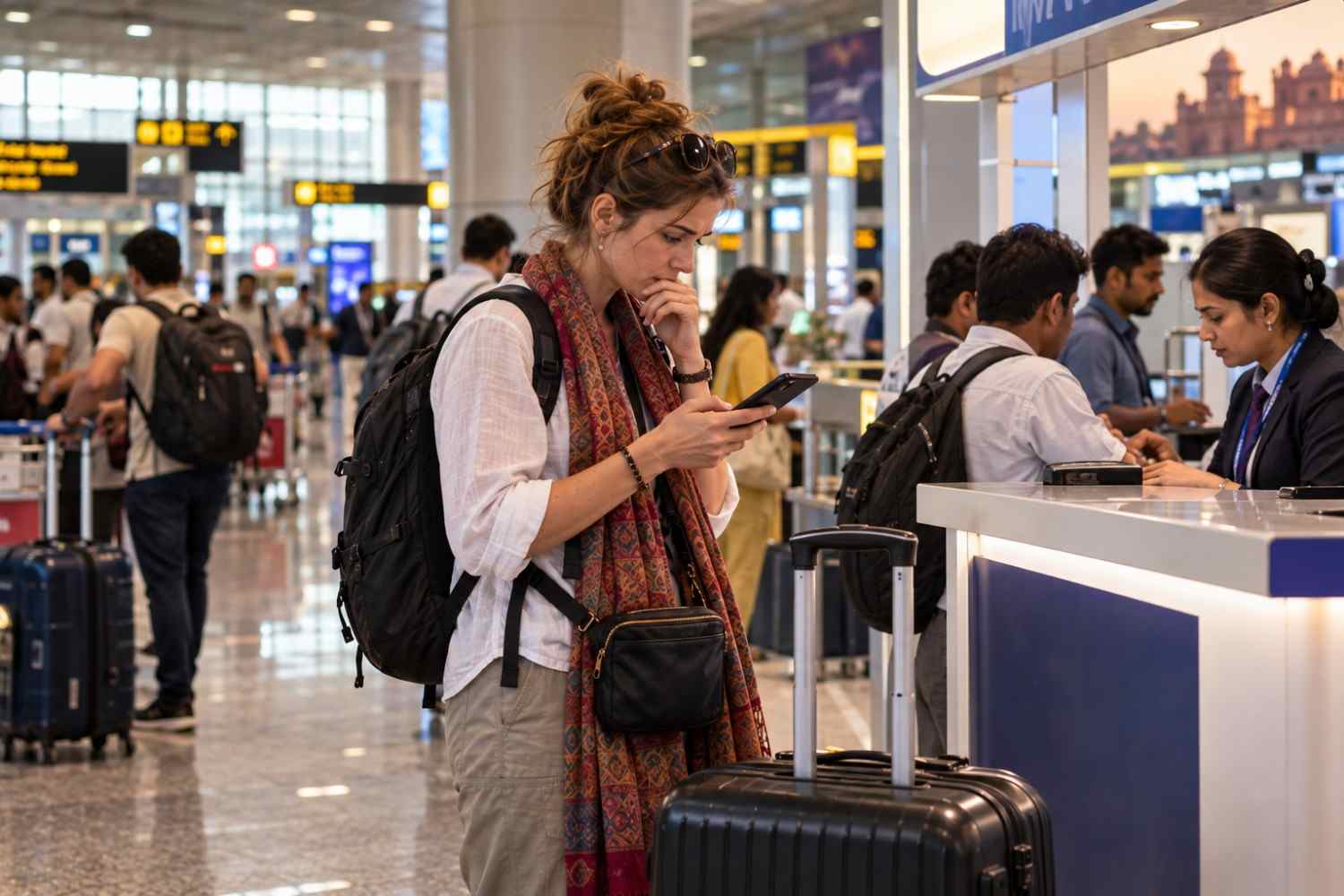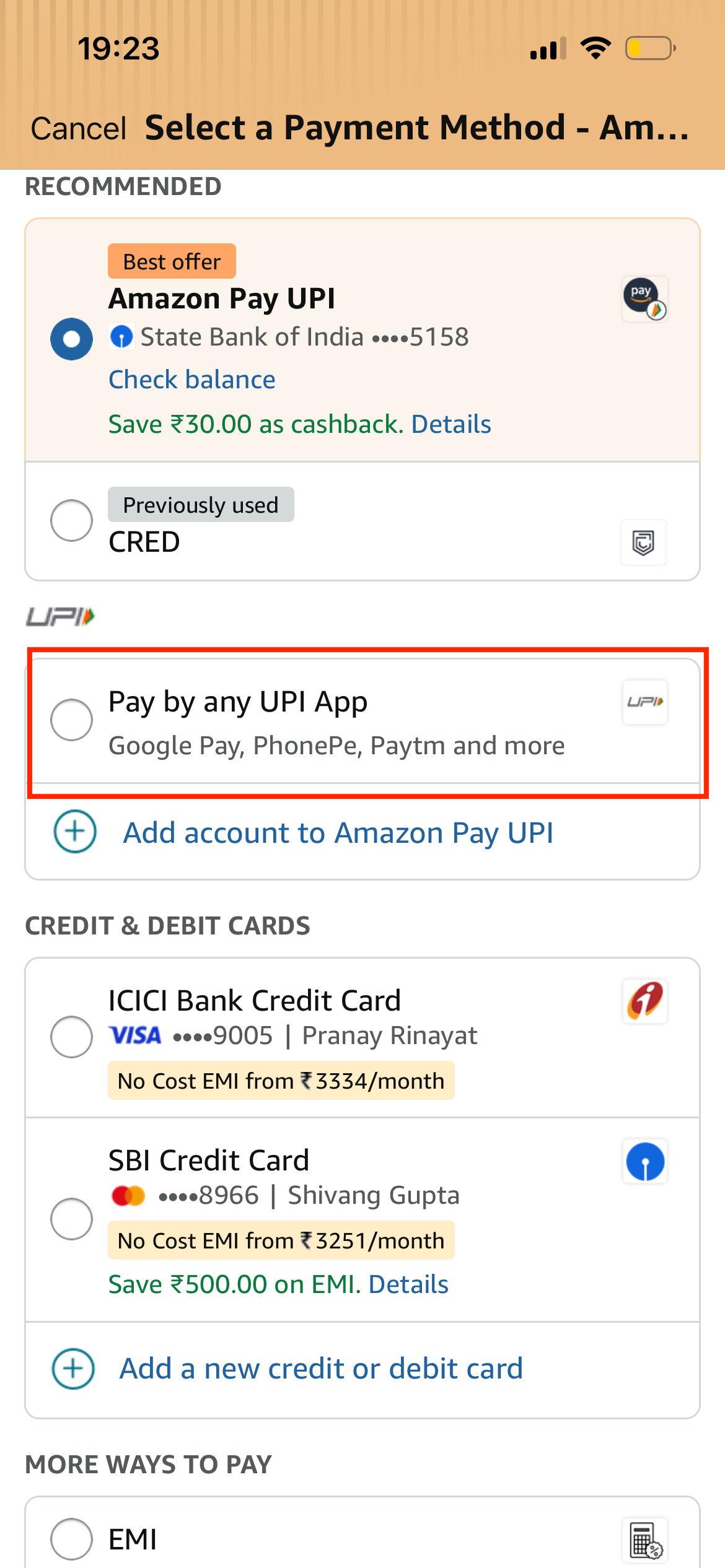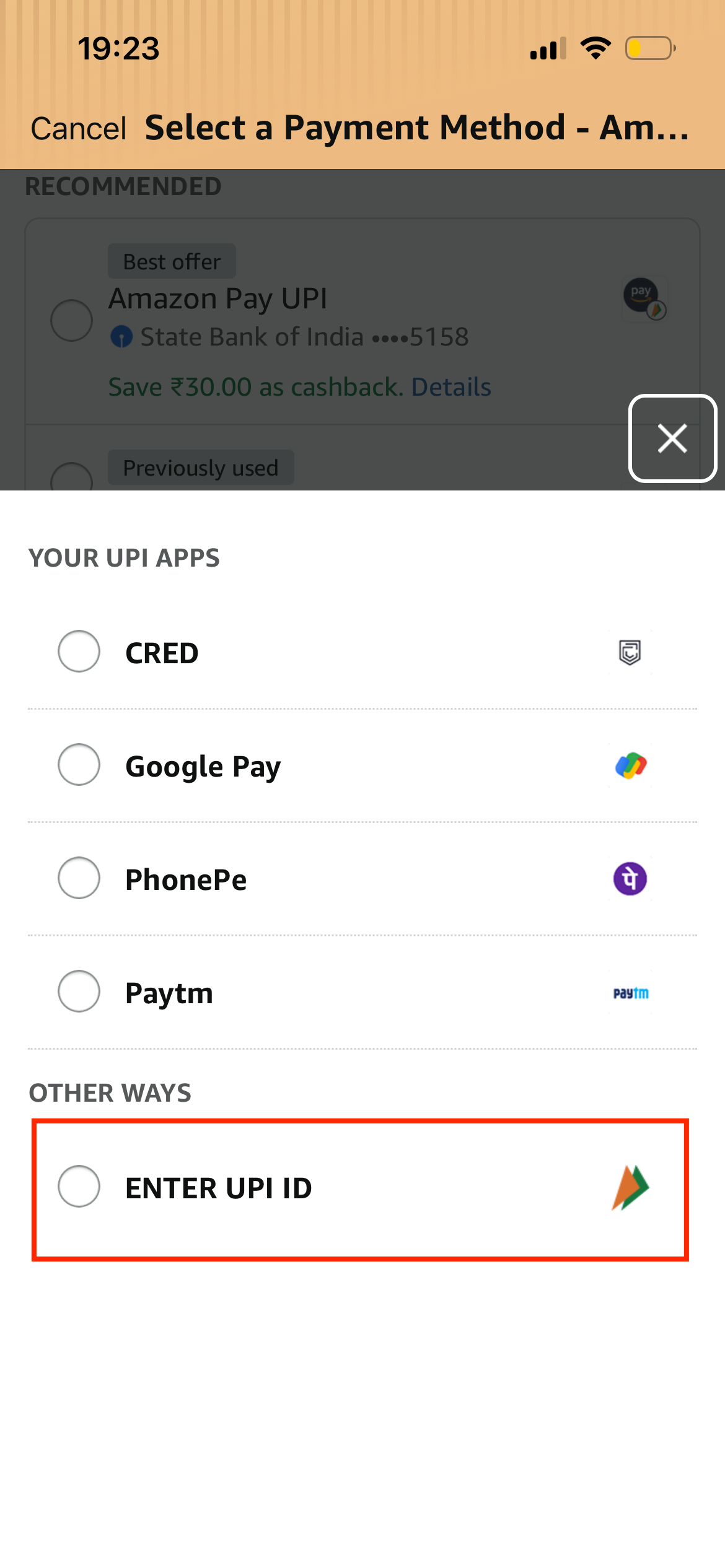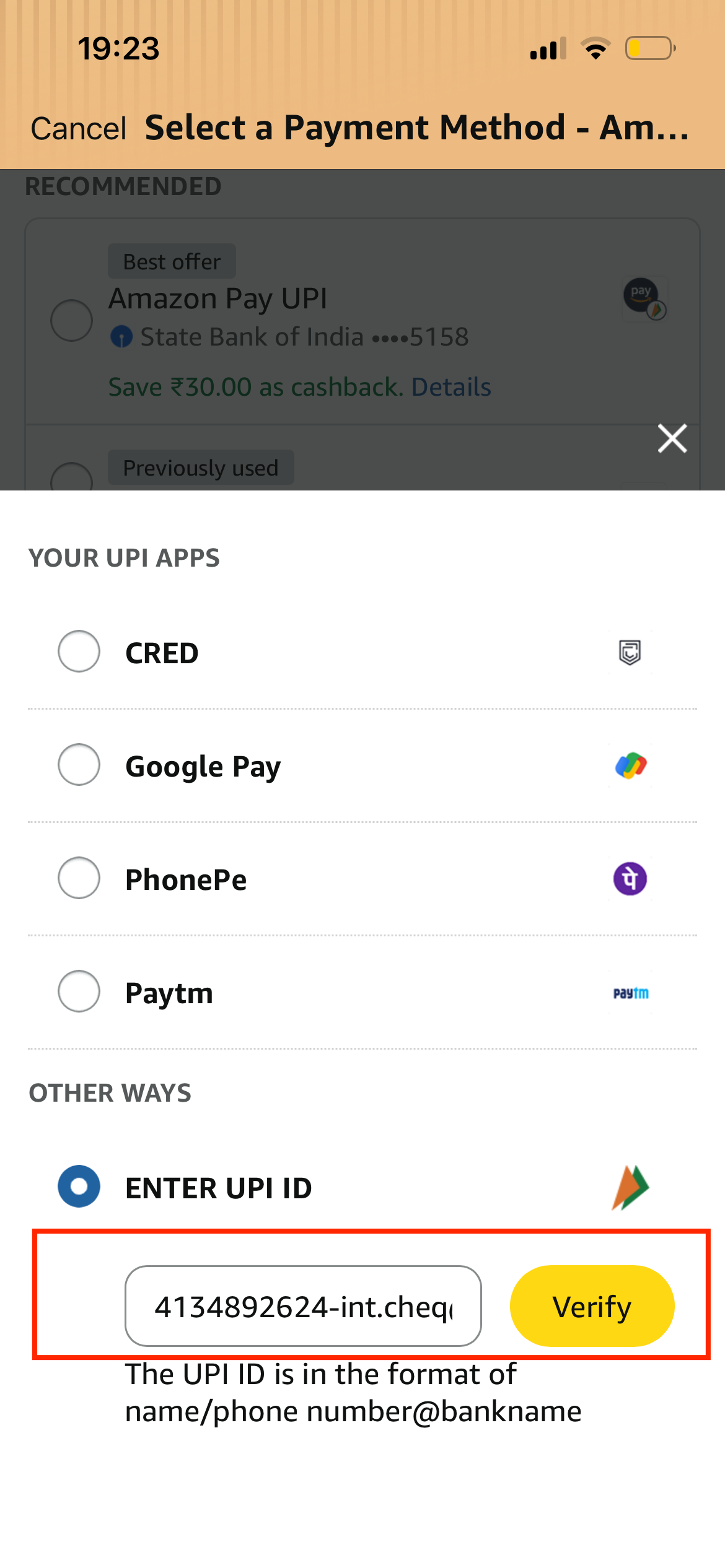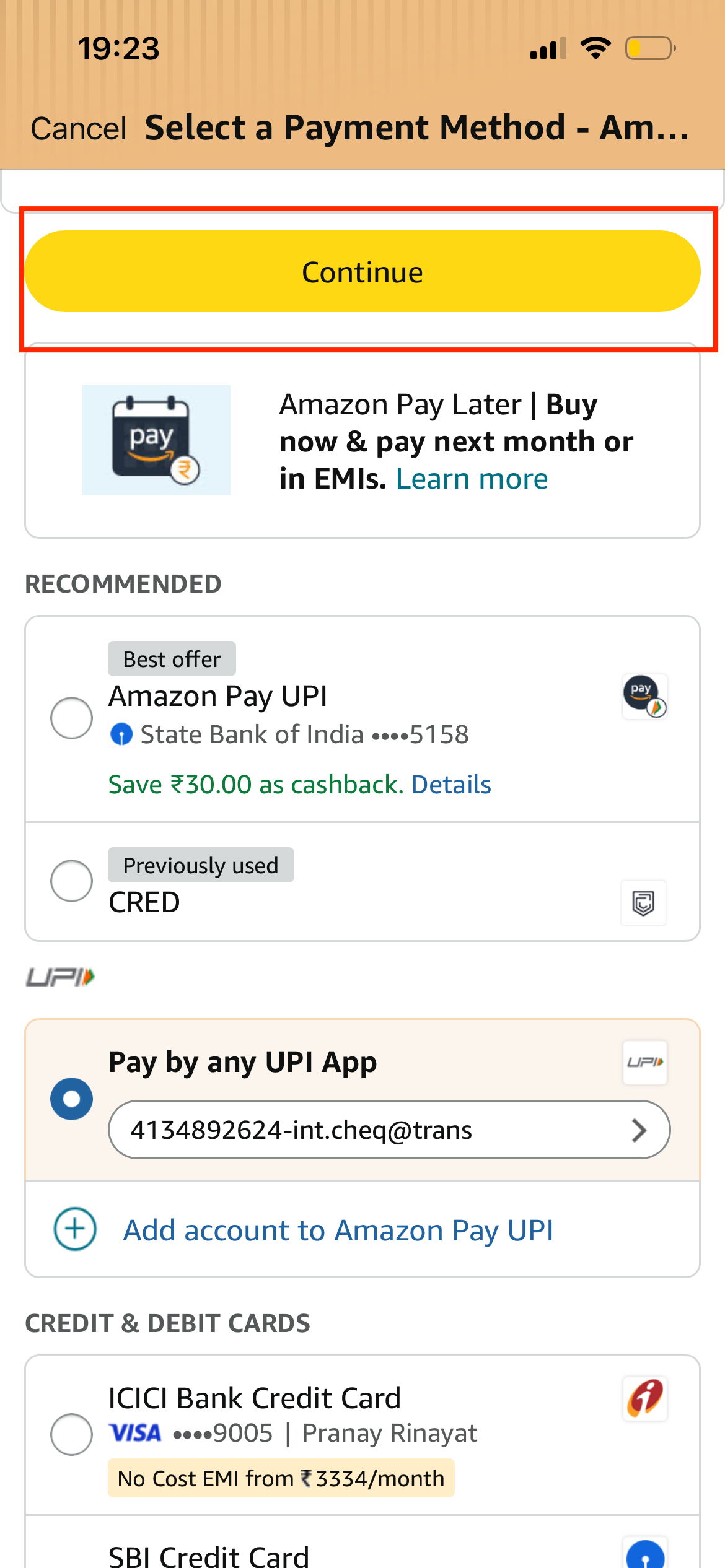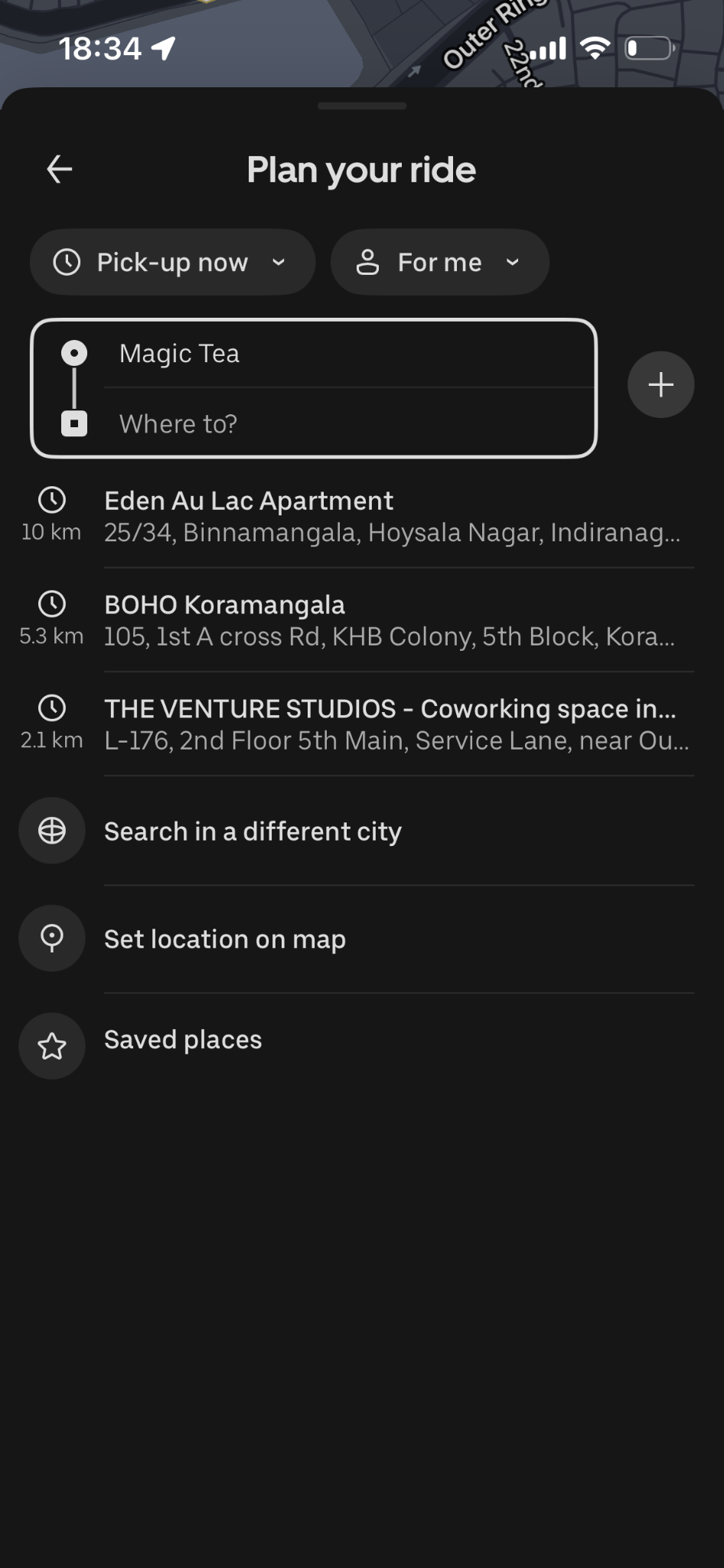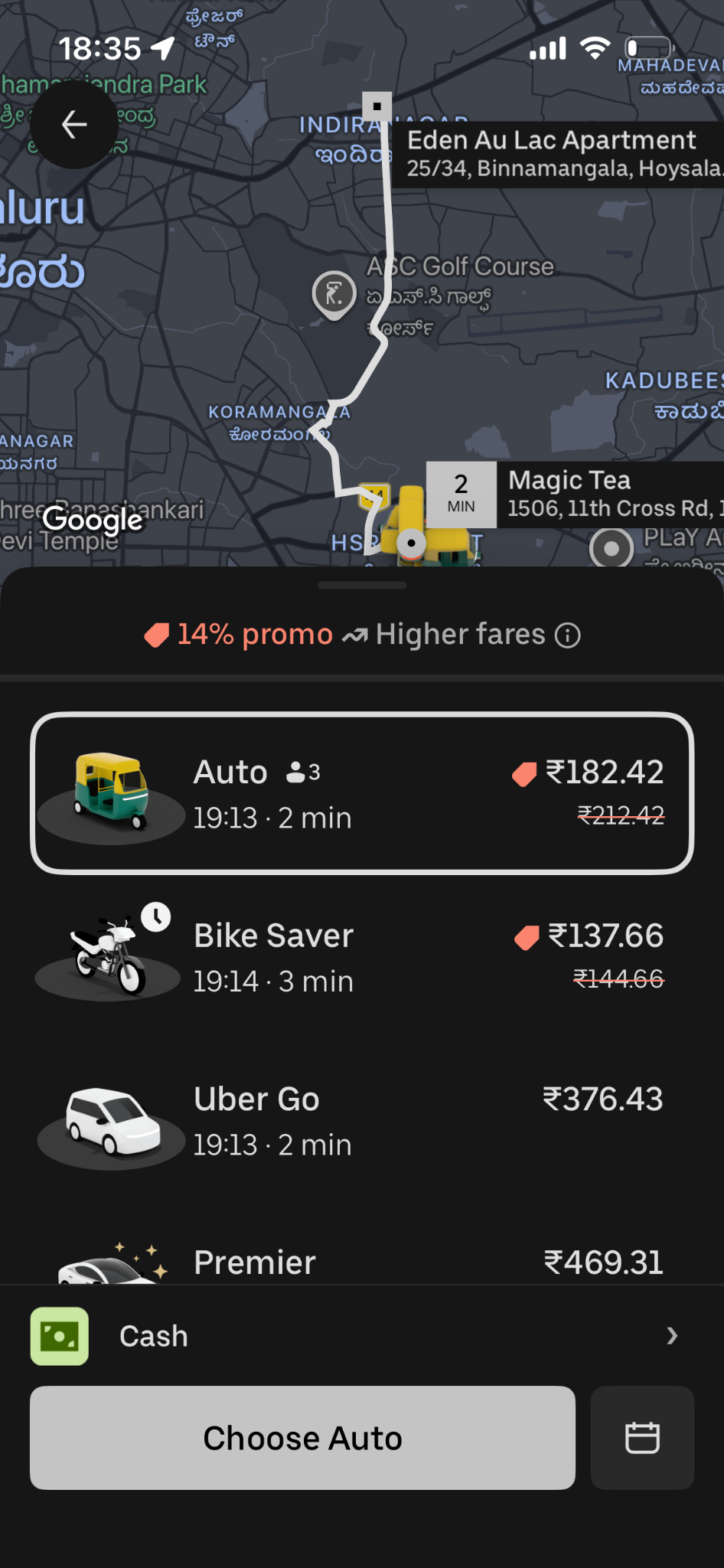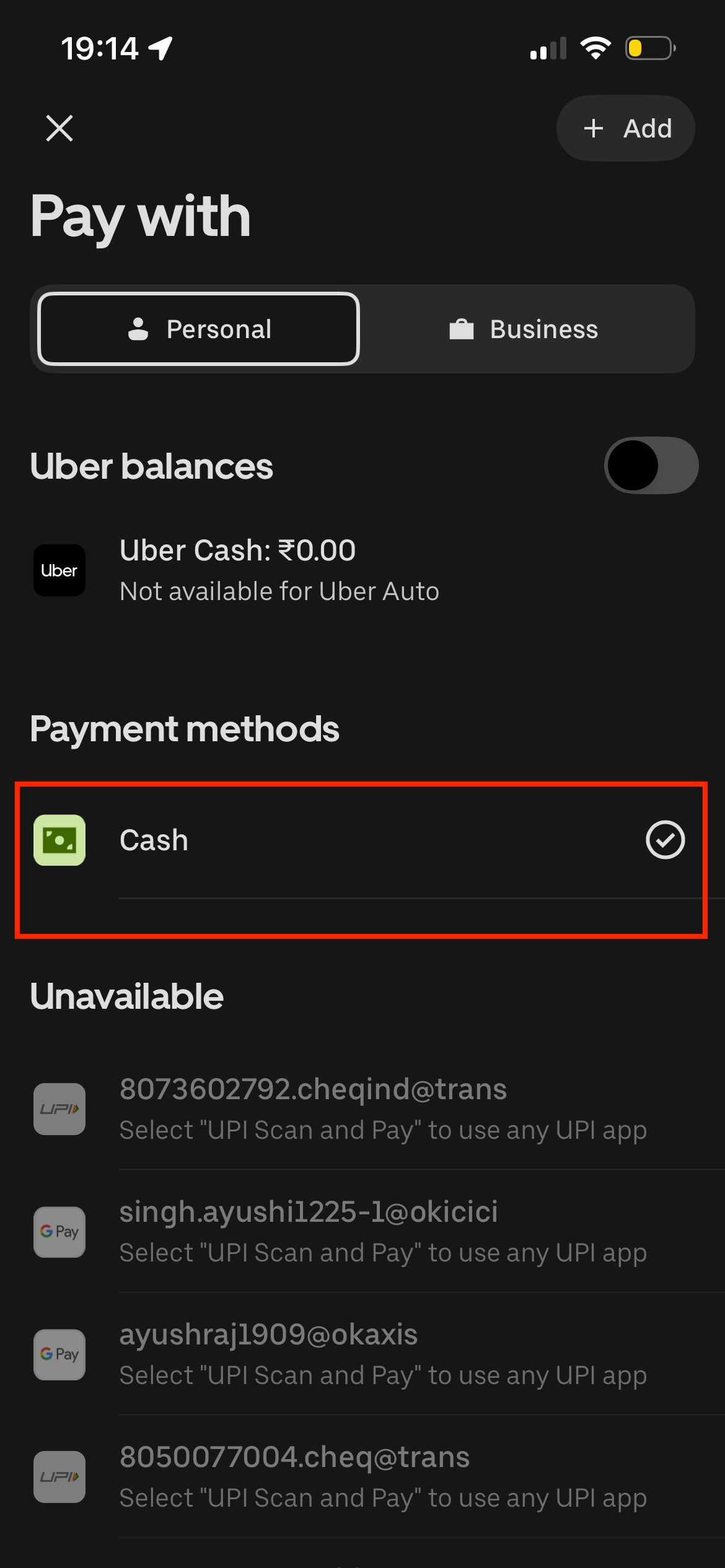
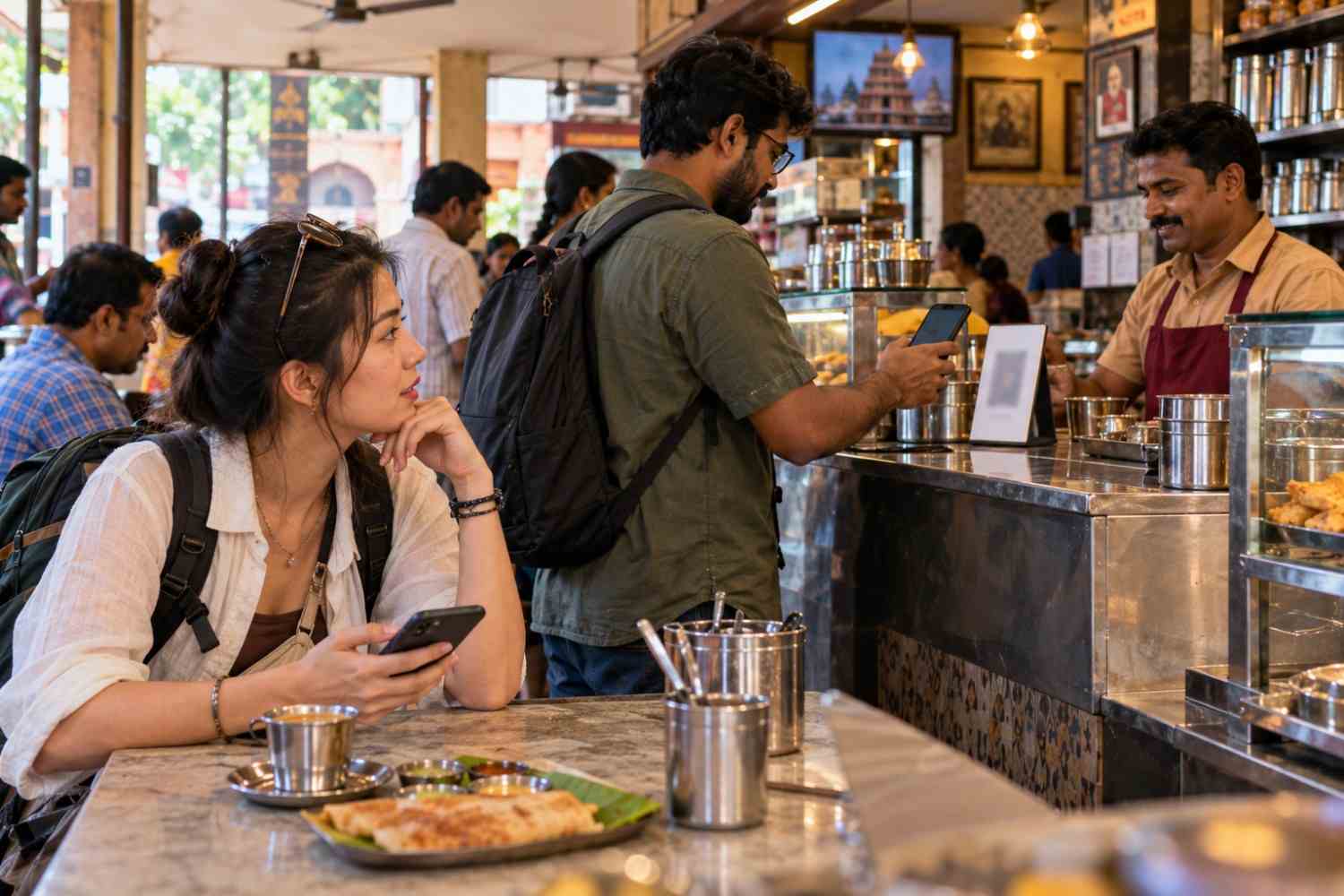
You scan a QR code, the payment goes through, and you barely think twice about it. That's everyday life with PromptPay in Thailand. So when you arrive in India and see QR codes on taxis, food stalls, cafés, and shops, it is natural to assume your usual payment app will work just as easily.
It doesn't quite work that way. UPI and PromptPay may look similar from the outside, but they operate on separate payment networks. Here's what Thai travelers need to know before relying on QR payments during a trip to India.
Key highlights
- UPI and PromptPay are both national instant-payment systems, but neither works automatically on the other's home turf.
- PromptPay generally requires a Thai bank account, which foreign tourists in Thailand do not have by default.
- CheqUPI is free to join for all eligible nationalities, with a loading fee of 2.95% + applicable taxes and 0% merchant payment fee.
- UPI and PromptPay are not directly linked for retail QR payments yet, though talks between India and Thailand have been ongoing since 2023.
- A CheqUPI wallet gives a Thai traveler working UPI access in India without an Indian bank account.
What UPI and PromptPay actually are
UPI is India's real-time payment system, built by the National Payments Corporation of India, and it clears transactions in seconds using a QR code scan or a payment ID. PromptPay is Thailand's equivalent, launched by the Bank of Thailand in 2016 and operated by NITMX.
Both systems process enormous transaction volumes and both display the same familiar QR sticker at merchant counters. The resemblance ends at the surface, since each system is tied to accounts held with banks or apps within its own country.
UPI vs PromptPay at a glance
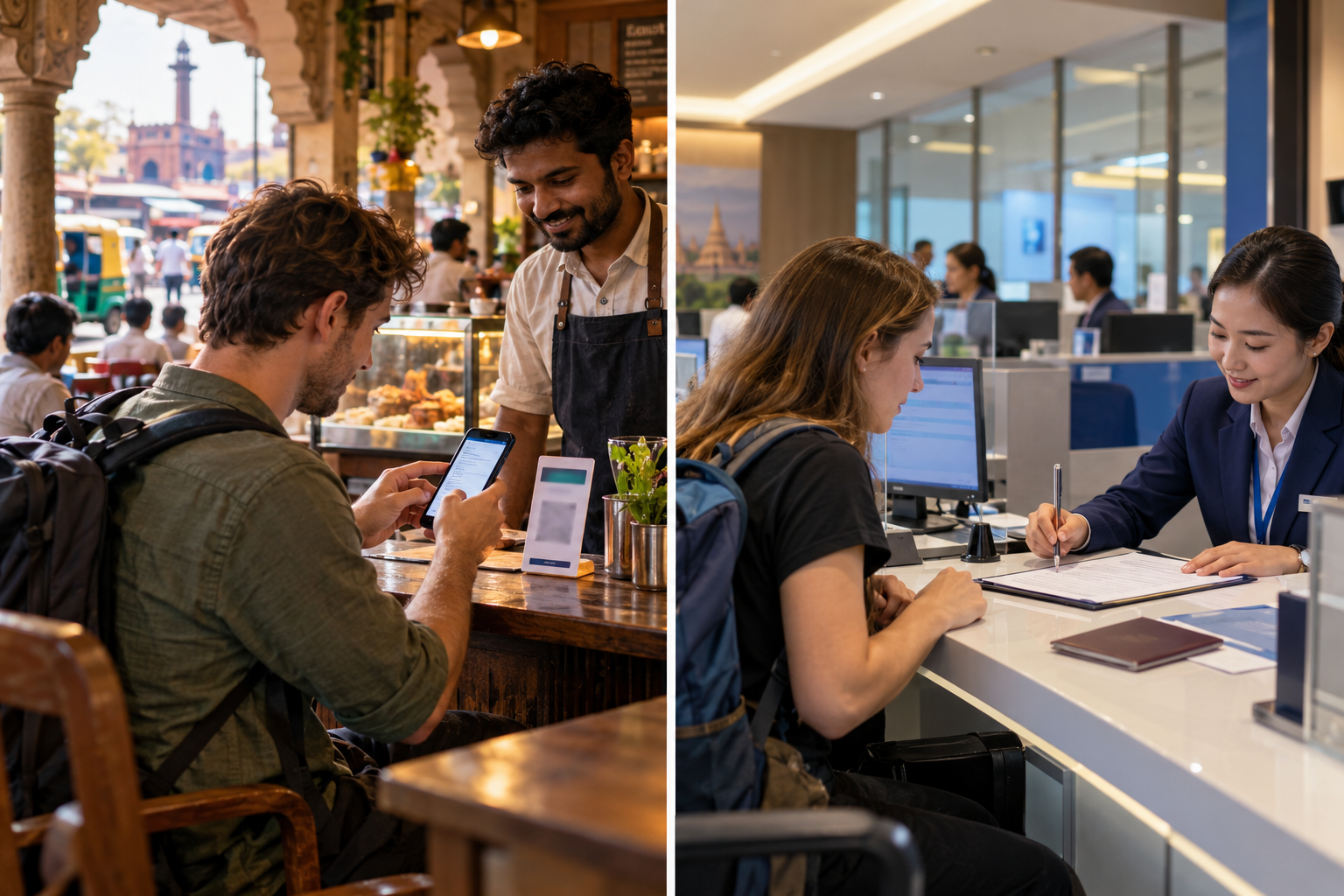
| Feature | UPI (India) | PromptPay (Thailand) |
| Launched by | National Payments Corporation of India, 2016 | Bank of Thailand, 2016 |
| Access for short-stay foreign tourists | Available via wallets like CheqUPI, no local bank needed | Generally requires a Thai bank account |
| Typical merchant fee | 0% for merchant payments via CheqUPI | Usually free for transfers under a set limit |
| Setup for a visiting tourist | App download and in-country KYC | Bank visit or a prepaid-card workaround app |
The clearest gap is in that second row. A foreign tourist in India can get a working UPI wallet through a dedicated app. A foreign tourist in Thailand generally cannot get PromptPay working the same way without a Thai bank account behind it.
Can a Thai tourist use PromptPay while traveling and vice-versa
Inside Thailand, PromptPay is built for residents and account holders, not short-stay visitors. Workarounds exist, such as prepaid-card apps that link to PromptPay QR codes, but they usually require an in-person visit to a bank counter to activate.
The same logic runs in reverse for a Thai traveler landing in India. UPI is not something that can simply be opened through a home banking app the way PromptPay works for a Thai resident at home. It requires a dedicated wallet built specifically for foreign visitors, since Indian banks do not extend UPI to visitors without local accounts.
Are UPI and PromptPay actually linked
Not yet, at least not for everyday retail QR payments. India has connected UPI with Singapore's PayNow and, more recently, with Cambodia's KHQR system, letting travelers from those countries pay directly across borders. Thailand remains in an earlier stage.
Discussions between India and Thailand on linking UPI with PromptPay have continued since at least 2023, with both governments periodically reviewing progress. As of the most recent reporting, Thailand is still described as under exploration rather than an operational linkage. A Thai traveler should plan around the systems as they currently work, not around a connection that may arrive later.
What a Thai traveller actually needs in India
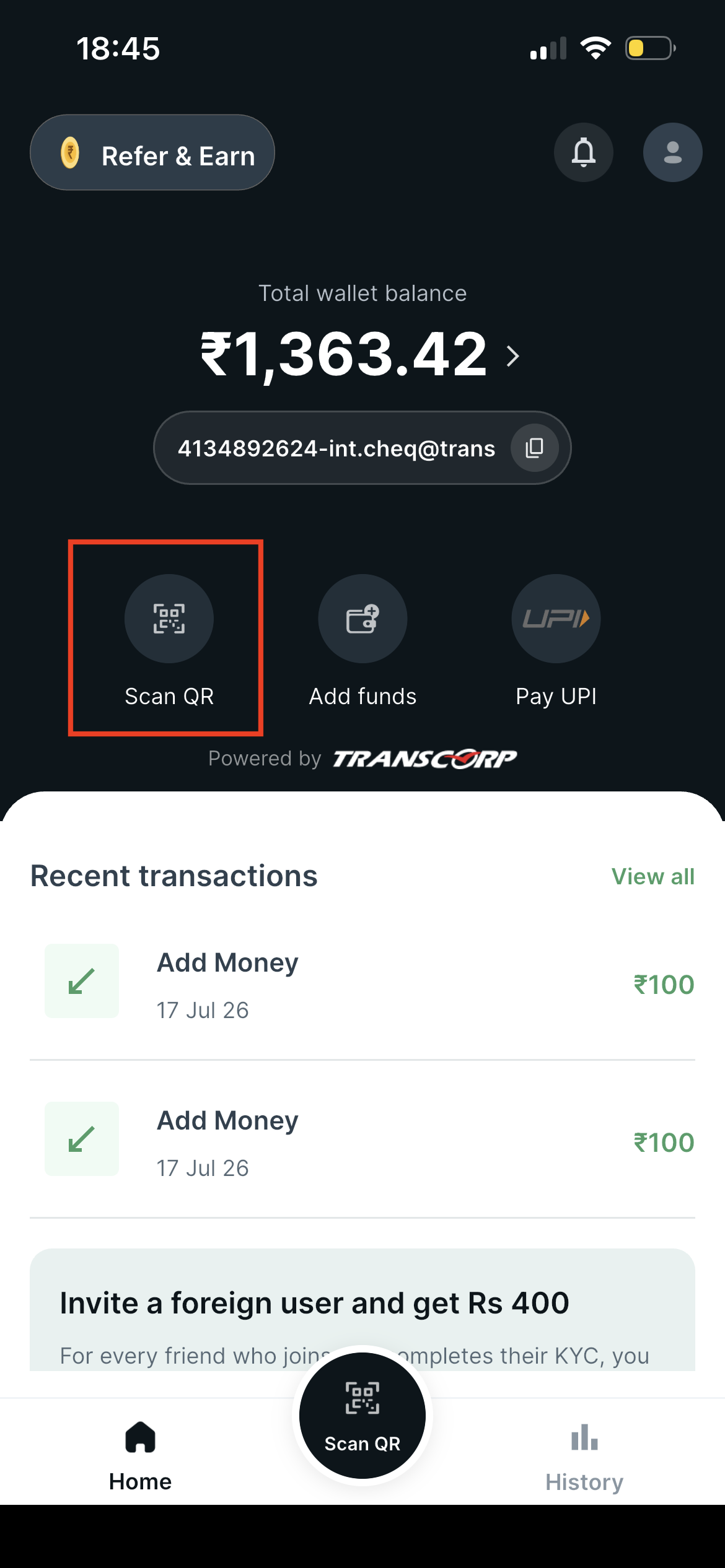
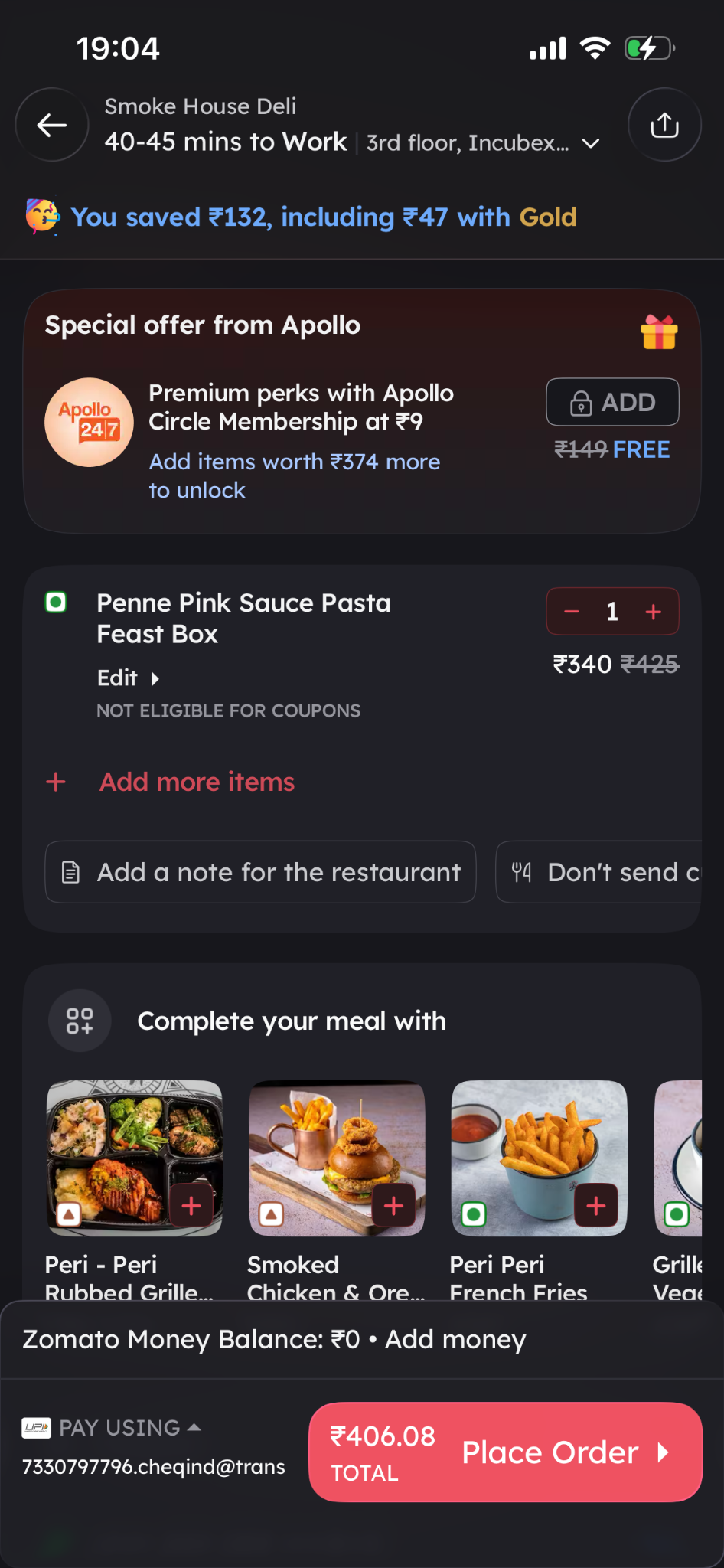
Since PromptPay does not extend into India and a direct UPI-PromptPay bridge is not live, the practical answer is a wallet built specifically for foreign visitors. CheqUPI is free to join for all eligible nationalities, with a loading fee of 2.95% + applicable taxes and a 0% merchant payment fee.
The wallet works for merchant payments across restaurants, shops, and registered vendors, matching how UPI is actually used day to day. P2P transfers are not supported, so it functions as a payment tool rather than a way to send money to individuals directly.
Understanding how UPI payments work for foreign tourists is worth reading before the trip, since the mechanics differ enough from PromptPay to catch first-time visitors off guard.
Setting up before the trip
You can set it up from home before your flight and complete verification at your earliest convenience after reaching your hotel or by visiting a city branch. This process ensures your wallet is ready to use for merchant payments across India's 15+ branch cities.
Carrying a modest cash buffer of Rs 5,000-10,000 (approx $52-$104) alongside the wallet is advisable for the first day or two. Why carrying less cash works better in India covers this trade-off in more detail for anyone weighing how much physical currency to bring.
Staying alert to common tourist scams is also worth a quick read, since QR-based payments occasionally attract fake codes in busy tourist areas.
Conclusion
UPI and PromptPay may look similar, but they operate on separate networks. Thai travelers should set up a supported UPI wallet before departure rather than assume their usual PromptPay setup will work in India. Setting up a dedicated wallet before departure removes that uncertainty entirely and keeps payments as smooth as they feel back home.
Frequently asked questions
1. Does PromptPay work in India?
No, PromptPay is limited to Thailand's domestic banking network and does not extend to India.
2. Does UPI work in Thailand?
No, UPI does not currently work directly in Thailand for retail payments.
3. Are UPI and PromptPay linked yet?
Not for everyday QR payments. Talks between India and Thailand have been ongoing since 2023 but remain unresolved.
4. Can a Thai tourist use PromptPay without a Thai bank account?
Generally no, though workaround apps exist that require an in-person bank visit to activate.
5. How does a Thai traveler pay for things in India?
Through a dedicated foreign-tourist UPI wallet, since standard UPI apps require Indian bank accounts.
6. Is CheqUPI available to Thai nationals?
Yes, Thailand is among the eligible nationalities for CheqUPI.
7. Is there a fee to join CheqUPI?
CheqUPI is free to join for all eligible nationalities, with a loading fee of 2.95% + applicable taxes.
8. Can the wallet be used to send money to a friend in India?
No. P2P transfers are not supported, since the wallet is built for merchant payments.
9. Can setup start before landing in India?
Yes. You can set it up from home before your flight and complete verification at your earliest convenience after reaching your hotel or by visiting a city branch.
10. Which cards can load a CheqUPI wallet?
Only Visa or Mastercard cards can be used to load funds.
"Download CheqUPI before flying from Thailand to India and leave the payment-network confusion behind. Use UPI to pay for everything from your first airport coffee to meals, shopping, and local transport."