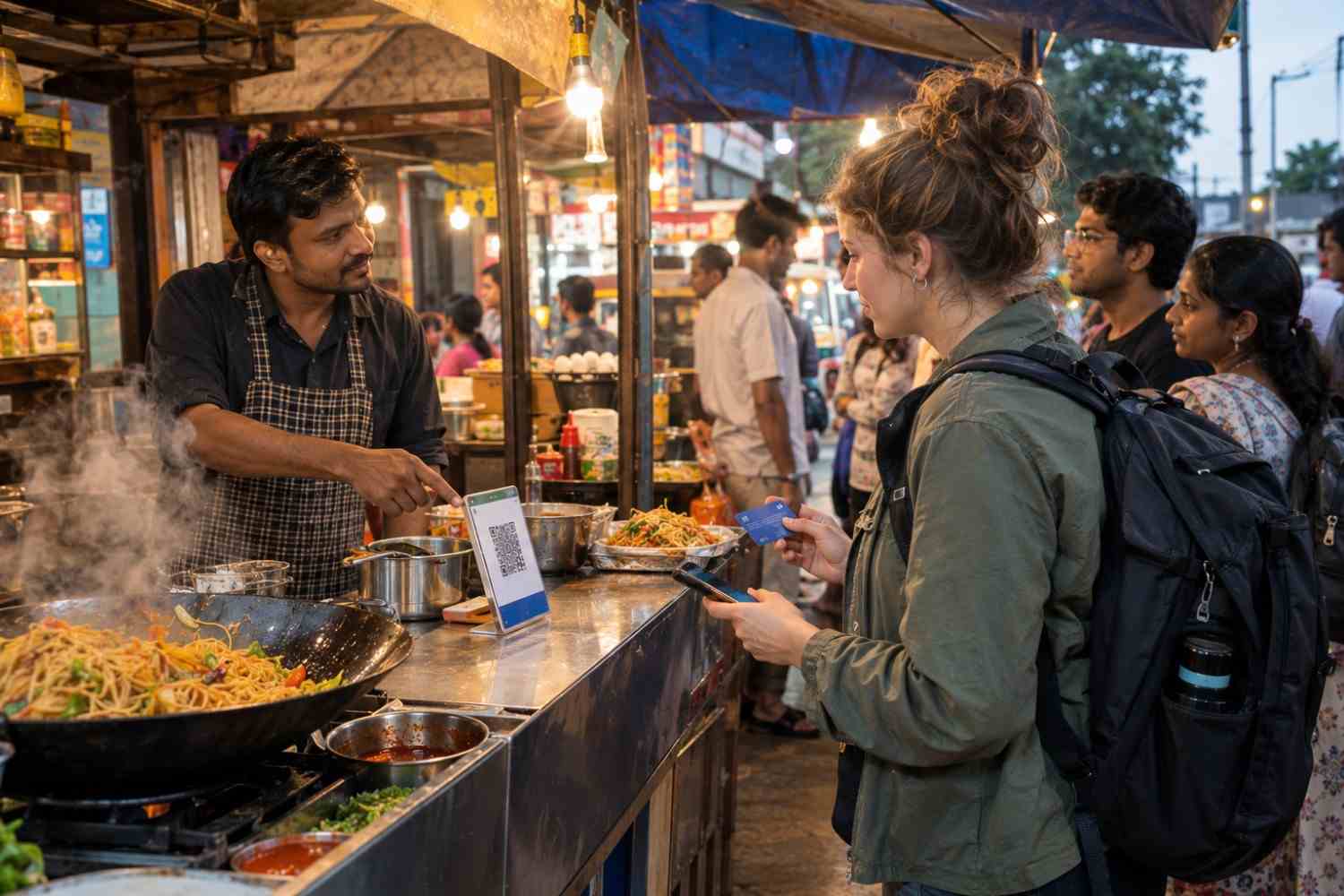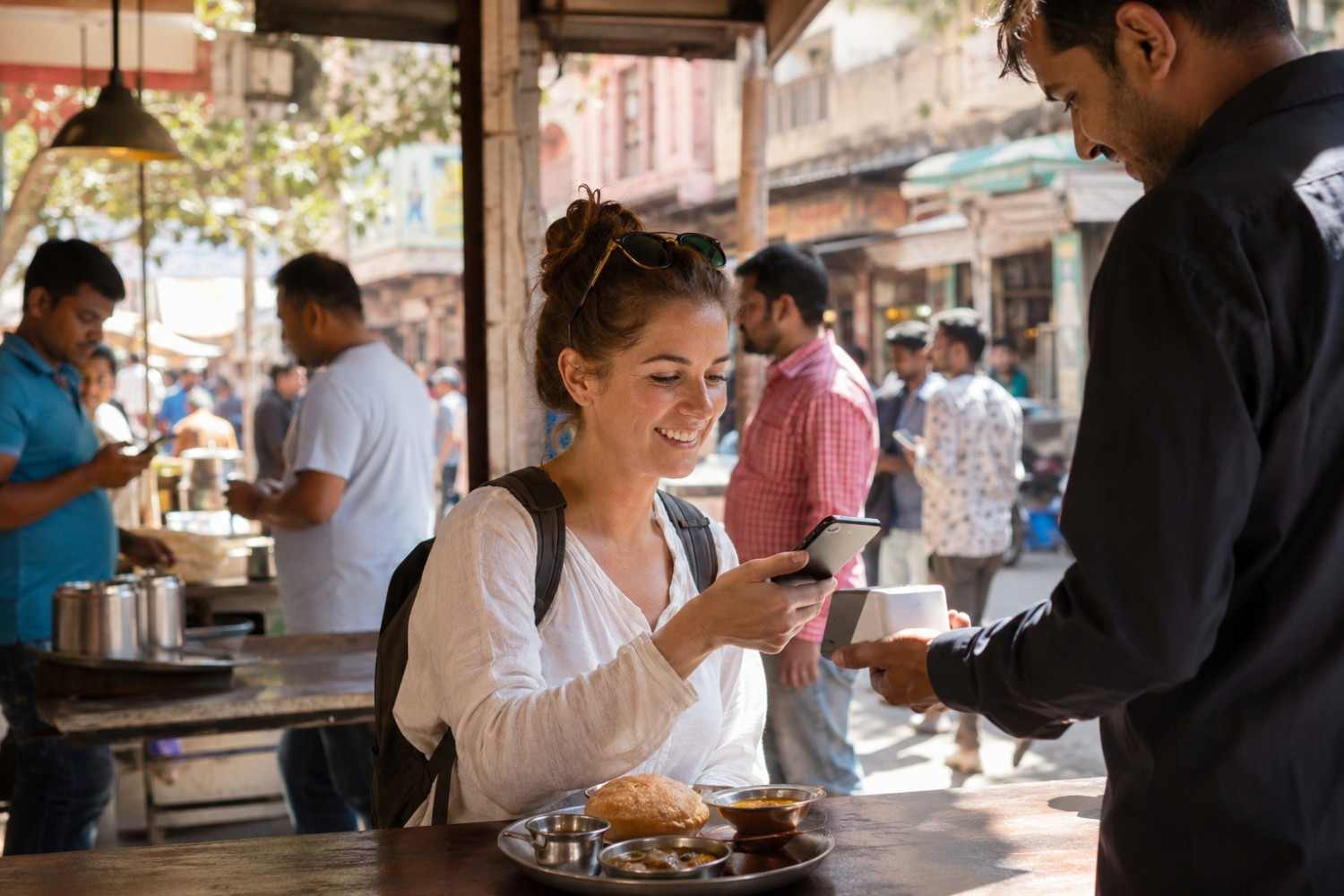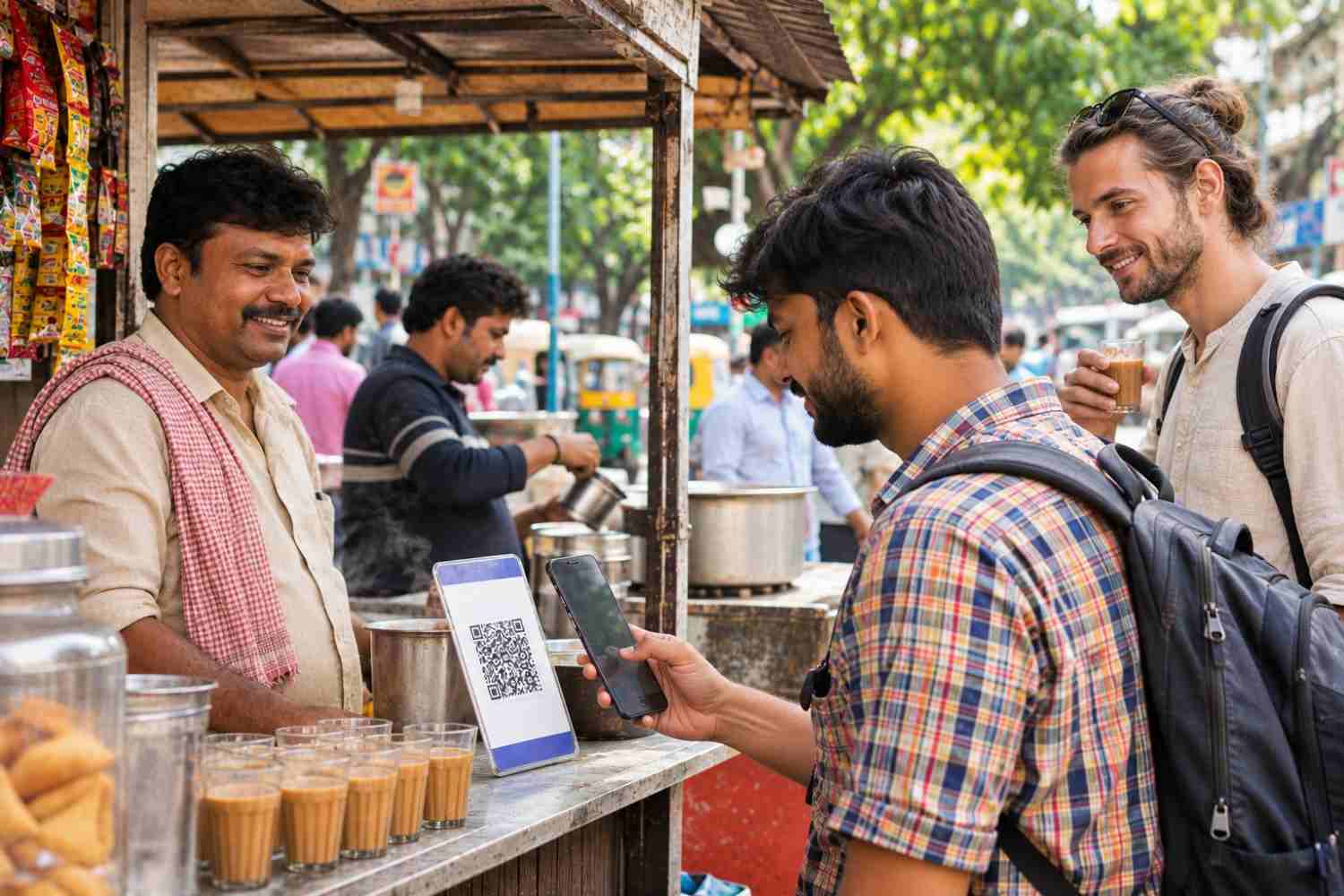
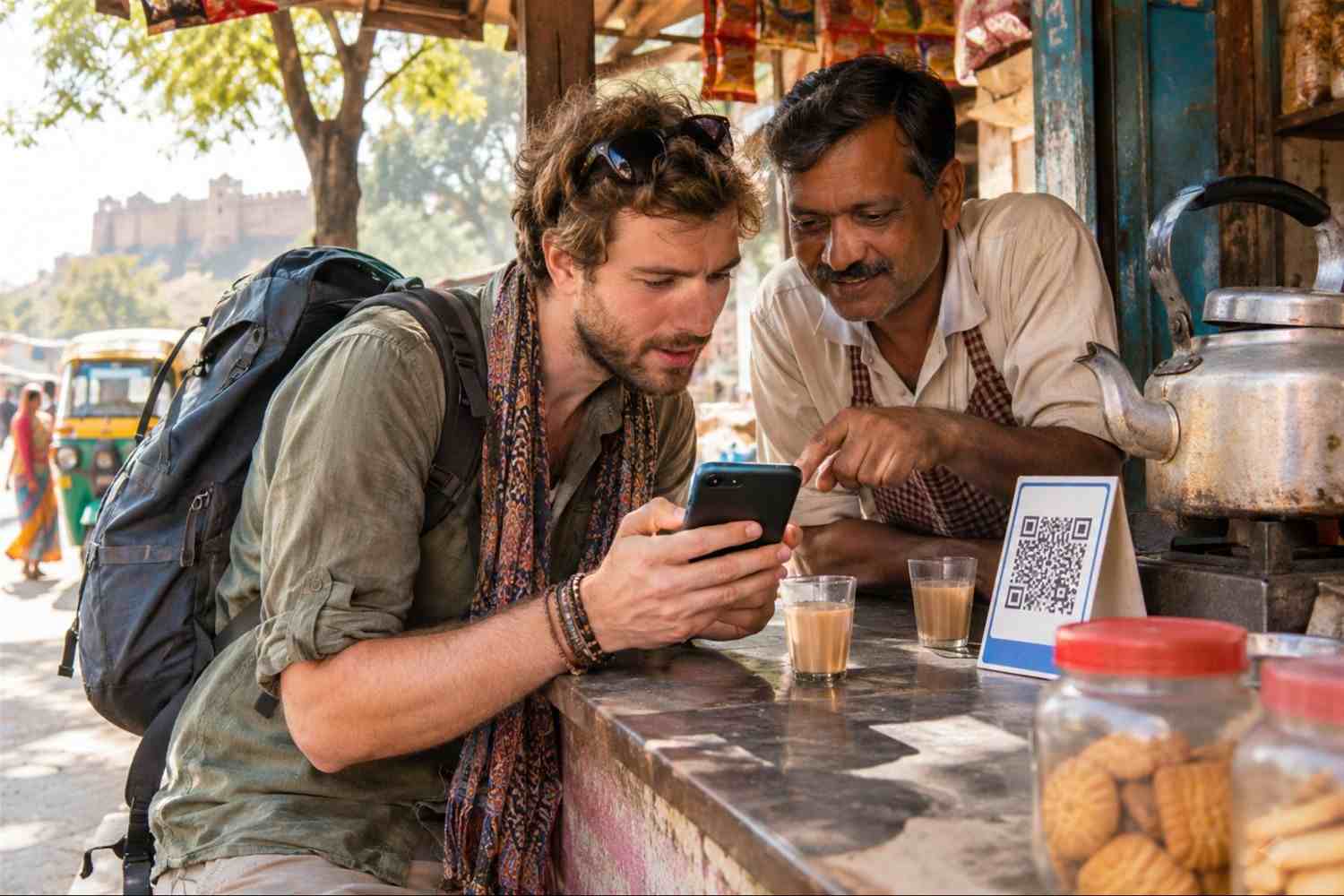
India runs more instant payments than any country on Earth, and even tea stalls display a QR code by the till. So it stings when a traveller scans one, the screen flashes red, and the owner says two words: cash only. It happens to visitors every day, often at shops that clearly take UPI.
The refusal feels personal, but it rarely is, and most causes take seconds to fix. Here is why it happens, what to check at the counter, and which backup to carry.
Key highlights
● Most refusals come from the merchant’s QR code, not your wallet. The wallet pays registered merchants only.
● P2P transfers are not supported, so personal QR codes at some stalls and autos will fail.
● Limits stop payments too: Rs 1,00,000 (approx $1,044) per transaction and per day, with 25 transactions daily.
● In the first 24 hours from your first transaction, a Rs 50,000 (approx $522) cap and 5 transactions apply.
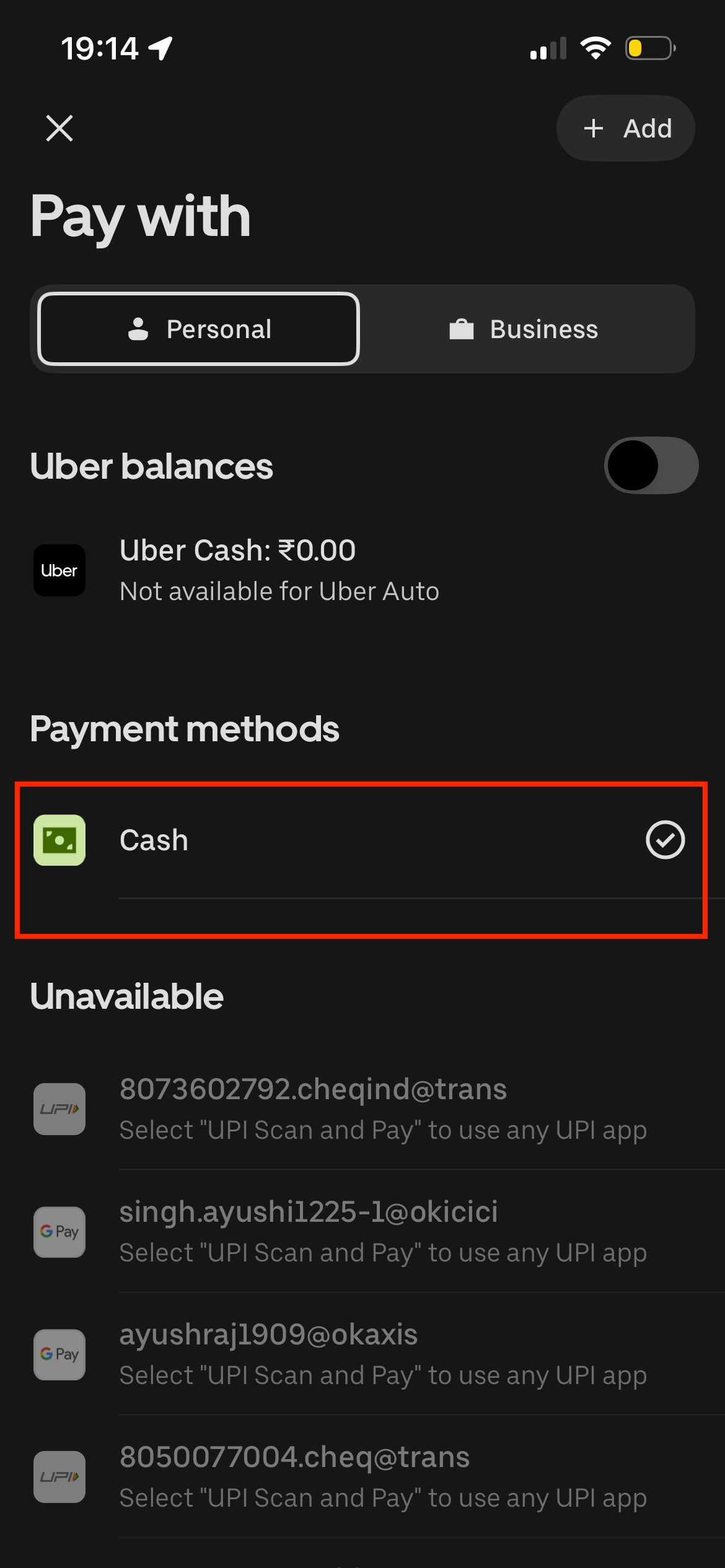
● Uber does not accept prepaid wallets like Cheq. Buy an Uber gift card in the CheqUPI app at 4% off instead.
● Keep Rs 5,000 to 10,000 (approx $52 to $104) in cash as backup.
● CheqUPI is free to join for all eligible nationalities, with a loading fee of 2.95% + applicable taxes and 0% merchant payment fee.
Why does a tourist's UPI payment fail at a shop?
Most failures come from a personal QR code, a limit, a low balance, weak internet or a merchant outage. The refusal is rarely about you. The table below matches each cause to a quick fix.
| Cause | What you see | Quick fix |
| Personal QR code | Payment declined at once | Ask for the shop’s own merchant QR |
| Limit reached | Limit exceeded message | Check daily and monthly caps |
| Low balance | Insufficient funds | Reload before you reach the shop |
| Weak internet | Spinning screen | Switch to Wi-Fi or mobile data |
| Merchant system down | Payment pending | Wait, retry once, then use cash |
| Wallet frozen | Wallet blocked | Update your visa or complete KYC |
Personal QR codes and the P2M rule
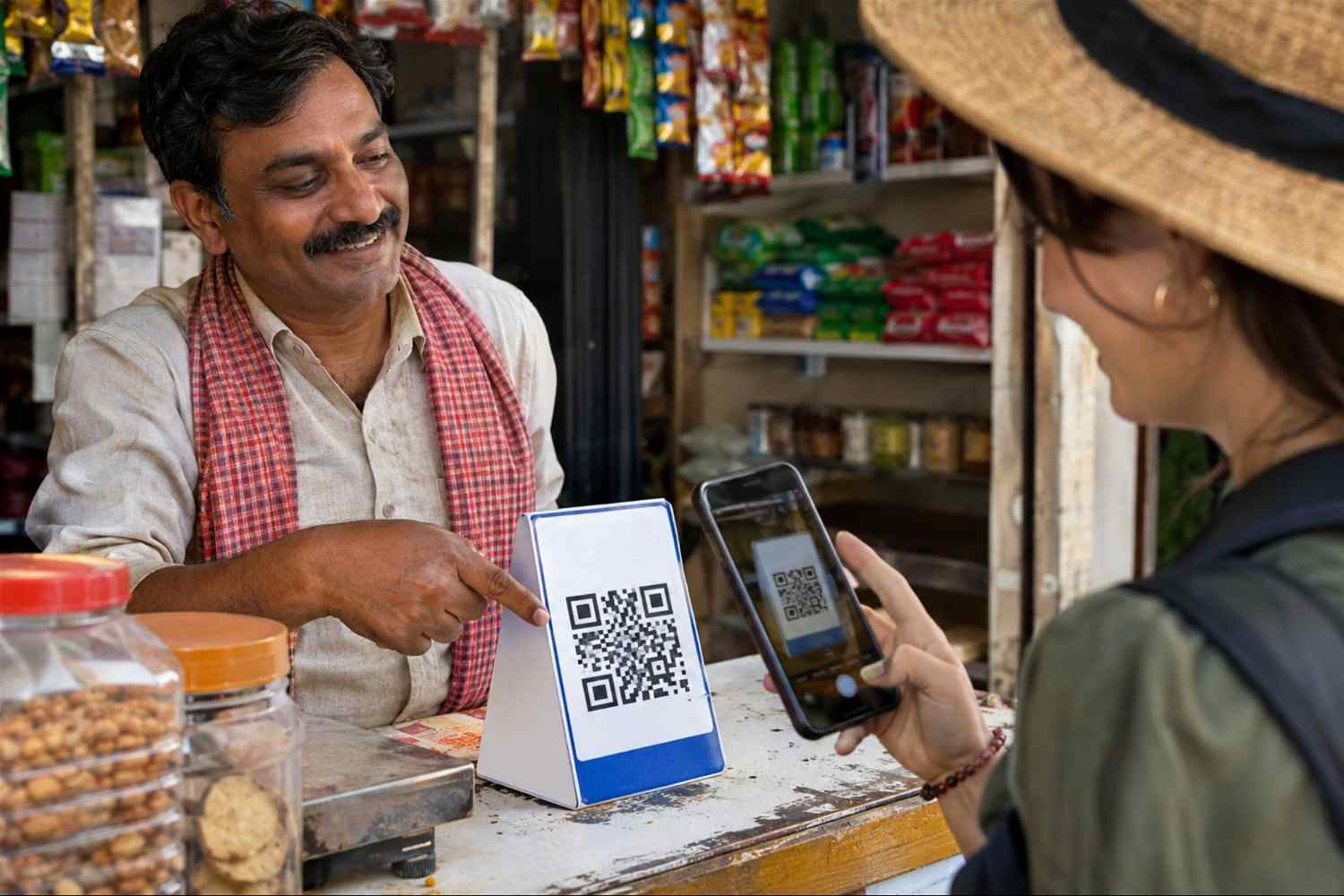
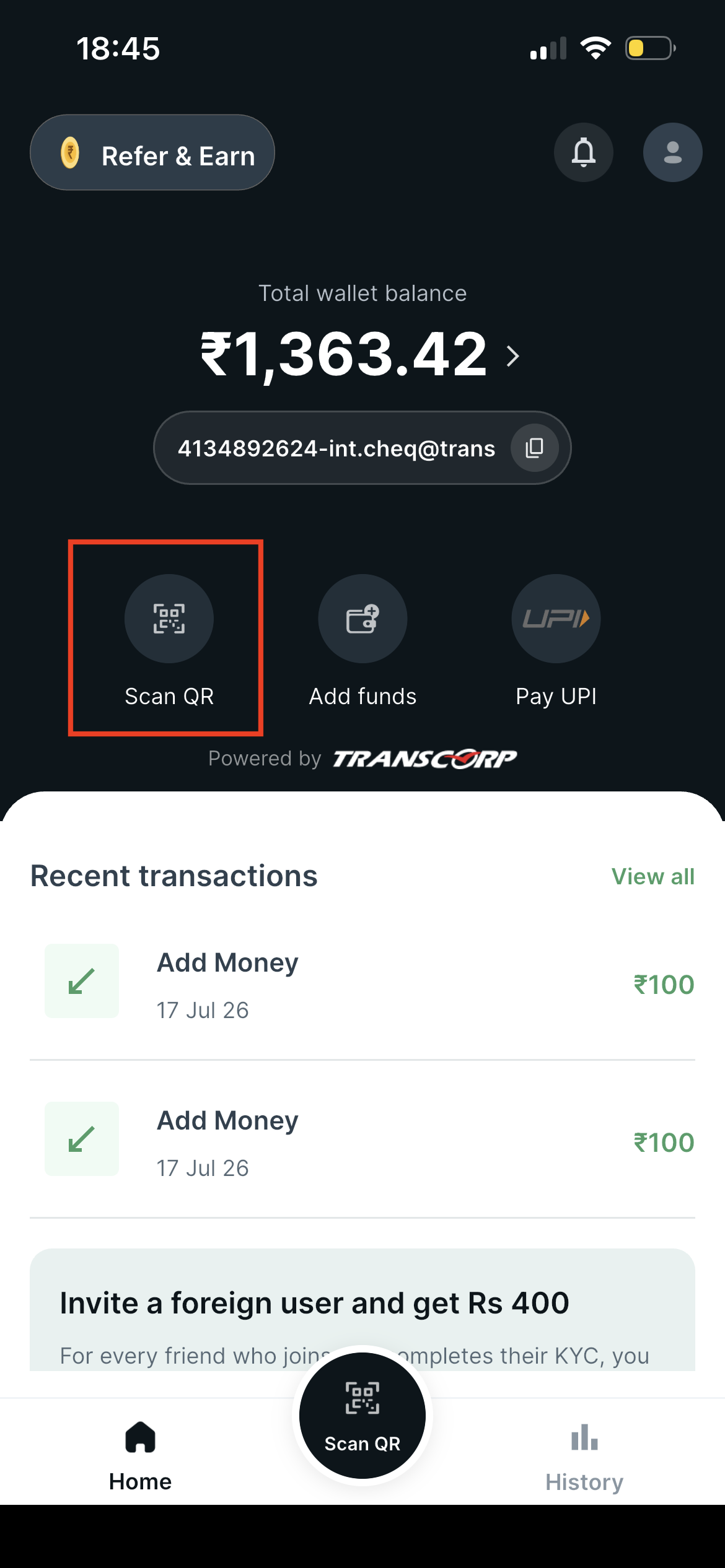
Prepaid tourist wallets pay registered merchants only. This rule is called P2M, or person to merchant. P2P transfers are not supported.
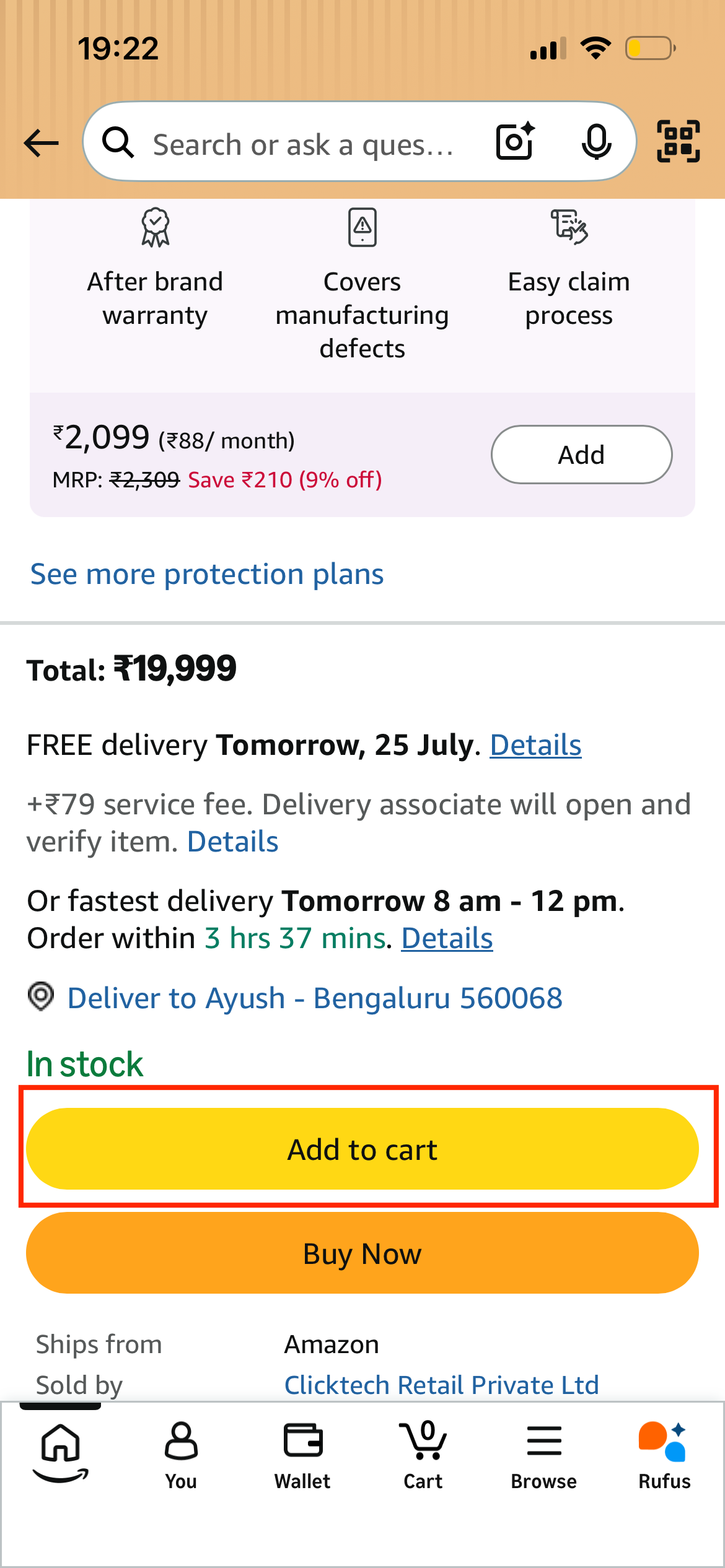
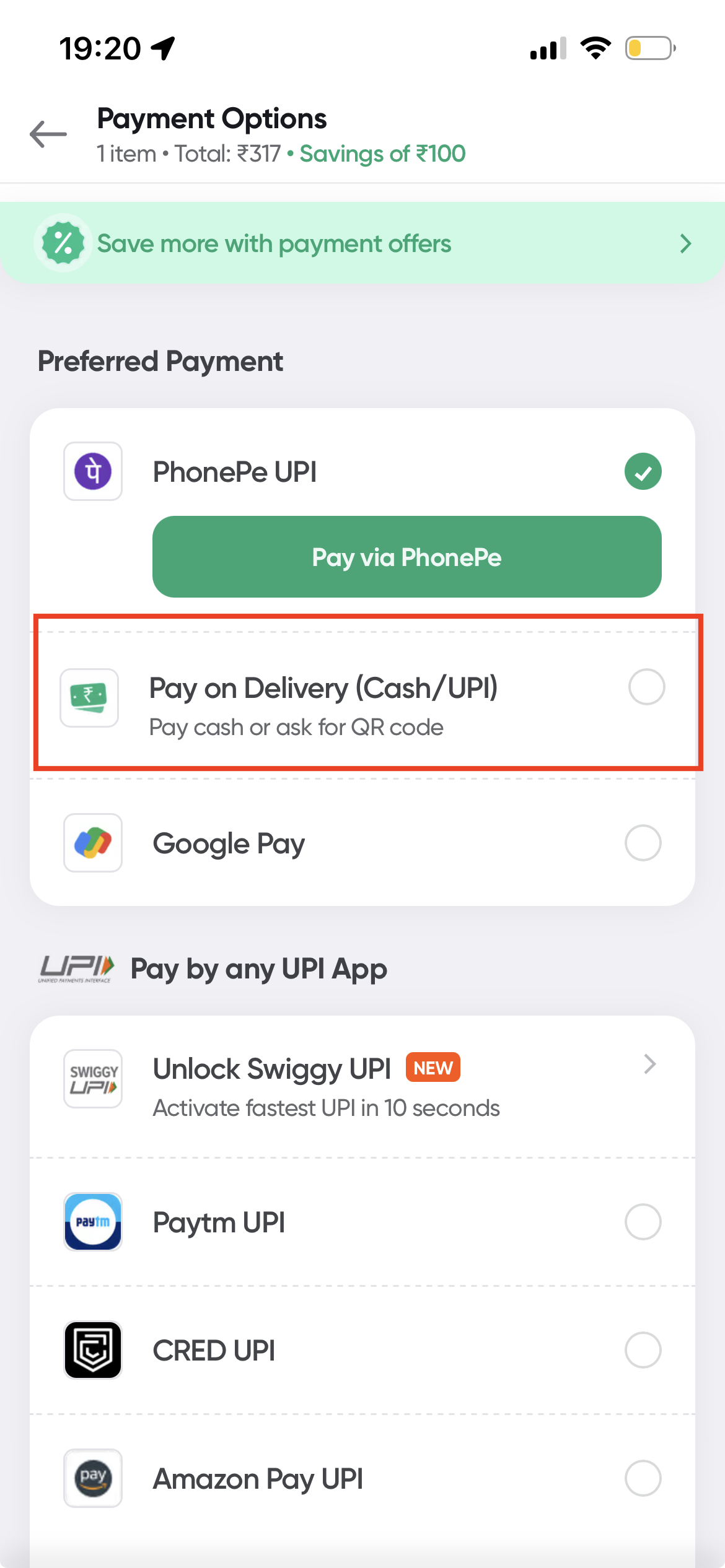
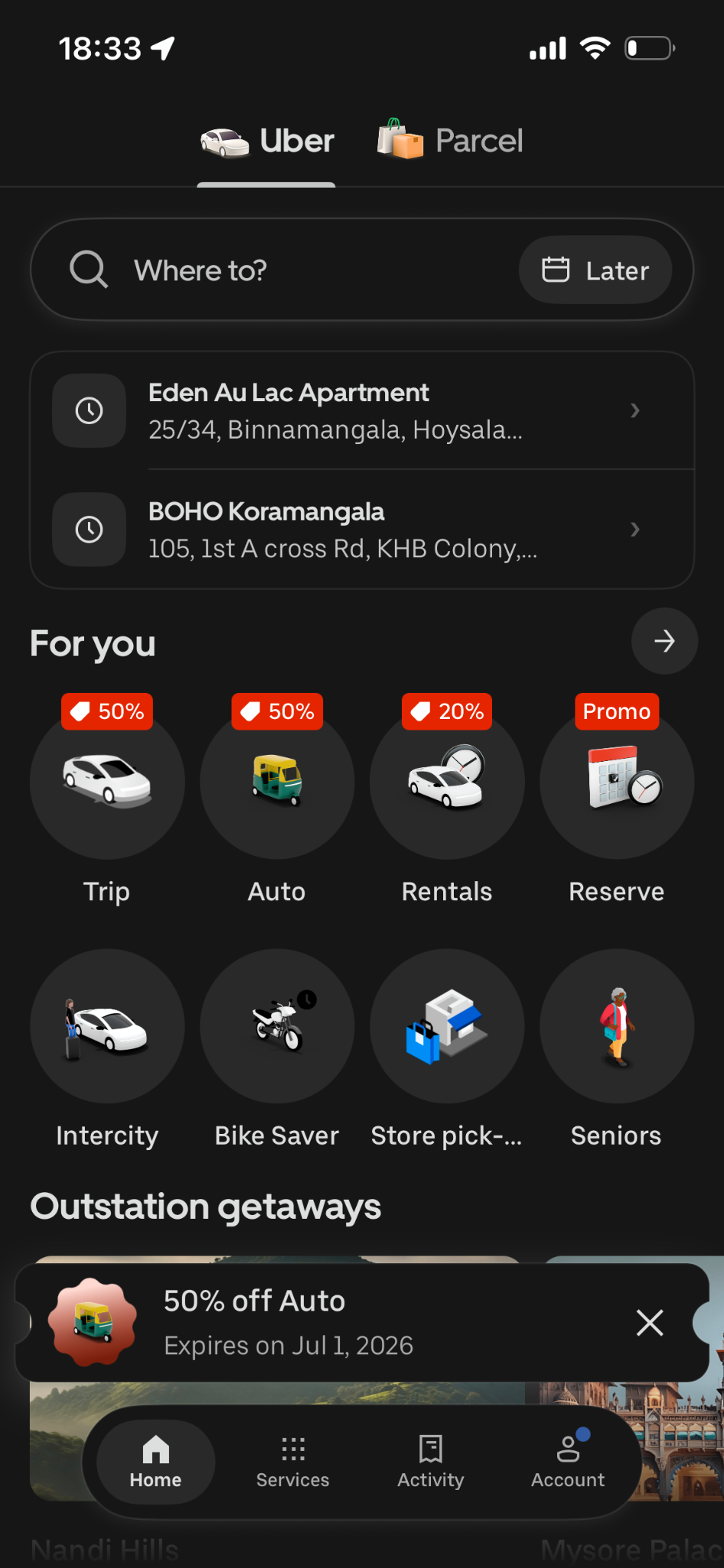
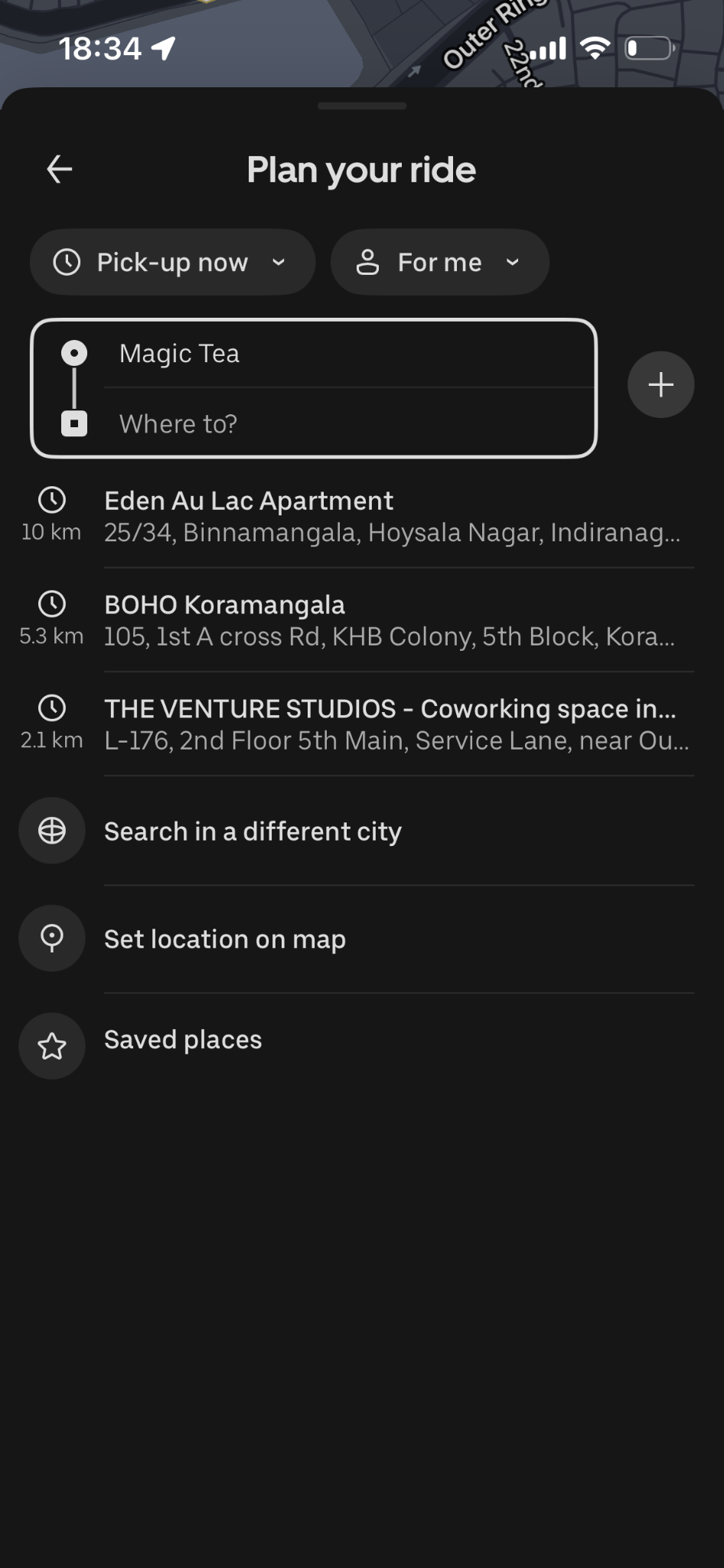
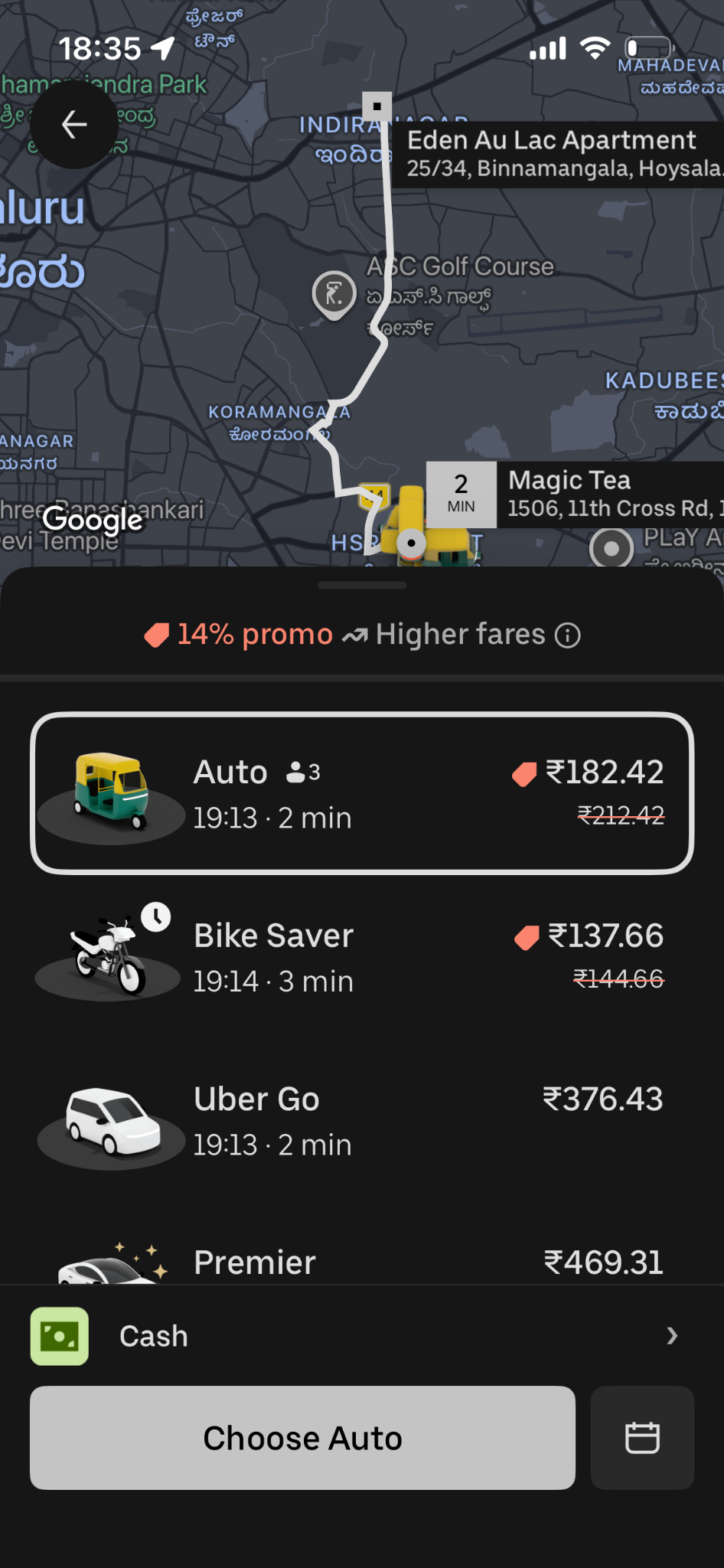
Uber does not accept prepaid wallets like Cheq, so buy an Uber gift card inside the CheqUPI app instead. You get 4% off, and it is the route most travellers should take. The gift card covers cabs and bikes, not tuk-tuks. Rapido works with CheqUPI through an in-app balance top-up. Check whether Uber, Ola and Rapido operate in your city before you rely on them.
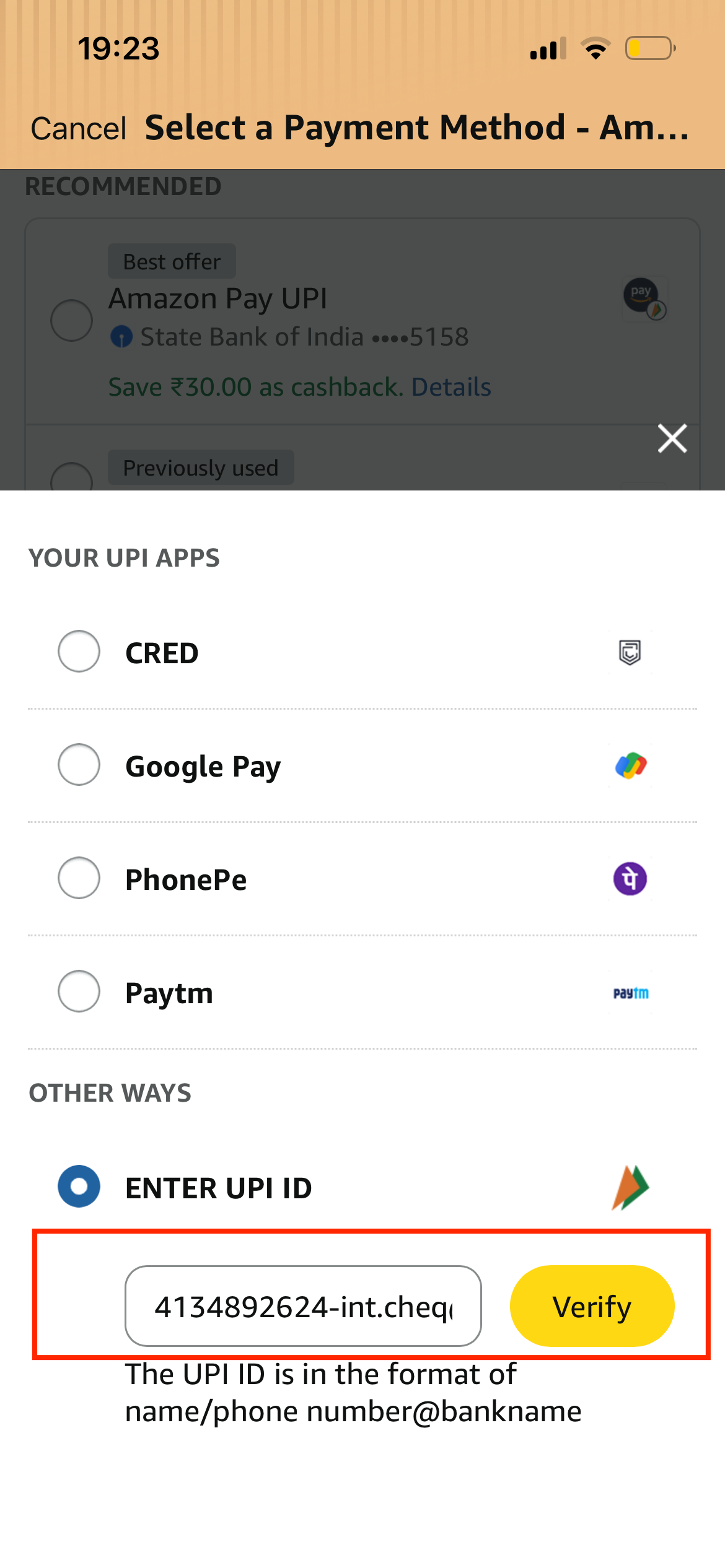
Scan the code and read the name that appears. A business name points to a merchant account, while a personal name often points to a personal ID. If you see a person's name, ask for the shop's own code.
There is no public list of UPI merchants to check in advance. CheqUPI works at more than 55 million registered UPI merchants across India.
Limits, balance and the first 24 hours
A limit or an empty balance can stop a payment at a shop that accepts UPI. Check both before you blame the merchant. These are the caps for CheqUPI wallets:
● Per transaction: Rs 1,00,000 (approx $1,044)
● Daily total: Rs 1,00,000 (approx $1,044), up to 25 transactions
● Monthly total: Rs 5,00,000 (approx $5,222)
● Maximum balance at any given point of time : Rs 2,00,000 (approx $2,089)
● First 24 hours from your first transaction: Rs 50,000 (approx $522) and 5 transactions. For iOS users the window is 72 hours
Take a carpet that costs Rs 1,20,000 (approx $1,253). The per-transaction cap blocks it, and the daily cap matches. Plan to pay part by card or settle the rest on another day.
The cooling-off period starts at your first transaction, not at activation. A traveller who activates on arrival can still hit the cap days later. Our explainer on how UPI works for foreign nationals in India covers the basics.
Network, QR and verification problems
UPI needs a live internet connection and location access. A weak signal or a down QR system can stall a payment at the till. Retry once on a better connection before you give up.
Pending is not the same as declined. If the screen shows pending, wait a few minutes before you retry, so you do not pay twice. Check your wallet history first, then tell the merchant what you see.
A frozen wallet also blocks payments. On visa or passport expiry, your wallet freezes until you provide a new visa. A wallet unused for 365+ days freezes as well, needing fresh KYC and reactivating in 24 to 48 hours.
Activation is only completed in India. You can set it up from home before your flight and complete verification at your earliest convenience after reaching your hotel or by visiting a city branch. Doorstep verification is available across many locations, and you can book it on WhatsApp before arrival.
No Indian bank account or SIM needed. An internet connection and location access are required. Hotel Wi-Fi is enough to load your wallet before you head out.
Rides, temples and cash-only stalls
Some places will never take a tourist wallet, whatever you try. Cash-only stalls, small temple boxes and some rural vendors fall into this group. The table shows where CheqUPI works.
| Where | Does CheqUPI work? | What to do |
| Shops, restaurants, hotels | Yes, with merchant QR | Scan the shop code |
| Auto drivers with personal IDs | Often no | Carry cash |
| Uber | No | Buy an Uber gift card in the CheqUPI app at 4% off |
| Rapido | Yes | Top up Rapido balance with CheqUPI |
| Goa taxis | Uber and Ola do not operate | Use GoaMiles |
| Cash-only stalls | No | Pay cash |
Uber does not accept prepaid wallets like Cheq, so buy an Uber gift card in the CheqUPI app at 4% off. It covers cabs and bikes, not tuk-tuks. Rapido supports CheqUPI, so you can load your Rapido in-app balance directly. In Goa, Uber and Ola do not operate, so use the local taxi app GoaMiles.
Keep Rs 5,000 to 10,000 (approx $52 to $104) in cash for these moments. Small notes help most at roadside stalls, temple gates and short auto rides. Our post on the issues with withdrawing cash from ATMs using international cards explains why cash still matters.
What to say at the counter
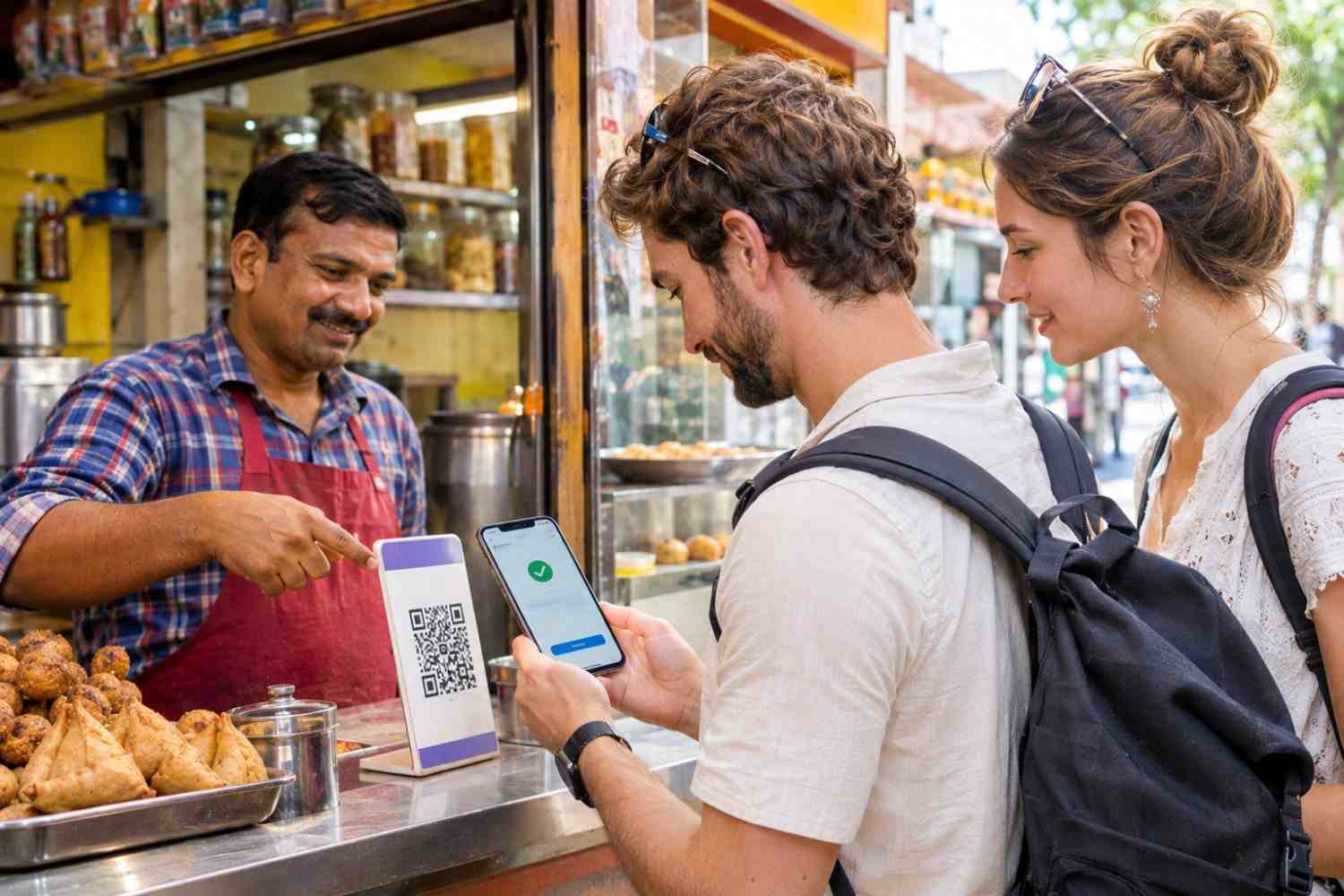
Before assuming there’s a problem, check a few things. Payment refusals can often be resolved with a few quick checks, and the shopkeeper may be willing to help.
- Ask whether the QR belongs to the shop or to a person.
- Check the payee name on your screen.
- Check your balance, limits and internet.
- Retry once, then offer cash.
Some staff have simply never seen a tourist wallet, because they only know the apps their regulars use. Show the payee name on your screen and ask the owner to confirm it matches the shop. A calm, polite check often settles the confusion.
Never type a UPI ID that a stranger reads out to you. Scan the printed code yourself. Our list of popular scams aimed at foreign tourists covers the tricks to watch for.
Habits that prevent refusals
Small habits before you leave the hotel stop most problems. Load enough balance for the day, but stay inside your limits. Check that your phone has data and that location access is on.
Ask before you order at a small restaurant. A quick question about the QR saves an awkward moment at the till. Look for a printed shop name beside the code, which helps you confirm the payee.
Keep your wallet active and your visa details current. Open the app before each trip, since an account unused for 365+ days freezes. Finally, treat cash as part of the plan, not a failure.
What to do if money leaves your wallet
Do not pay twice. Take a screenshot of the payment screen, note the time and amount, and keep any receipt. Recourse is difficult without that proof.
Then contact CheqUPI support on WhatsApp or at contactus@terrafin.tech. Support handles every dispute for CheqUPI wallets. Send the screenshot, the merchant name and the receipt in your first message.
Our guide on how foreign nationals can unlock UPI covers setup, loading and everyday use in more detail.
Conclusion
A refused payment usually means a personal QR code, a limit or a weak signal, not a wallet that does not work. Check the payee name, your balance and your connection first. Carry Rs 5,000 to 10,000 (approx $52 to $104) in cash, and keep proof of every payment. With those habits, most refusals turn into a quick retry or a short walk to the next shop.
FAQs
1. Why did a merchant refuse my UPI wallet?
Most often the QR belonged to a person, not a business. The wallet pays registered merchants only, and P2P transfers are not supported.
2. Can I pay an auto driver with CheqUPI?
Only if the driver uses a merchant QR. Many drivers use personal IDs, which foreign wallets cannot pay. Carry cash for those rides.
3. Does Uber accept CheqUPI?
Not directly. Uber does not accept prepaid wallets like Cheq, so buy an Uber gift card in the app at 4% off. Rapido accepts a balance top-up. In Goa, Uber and Ola do not operate, so use GoaMiles.
4. Is there an official list of accepting merchants?
No public list of UPI merchants exists. Scan the QR and check that the payee shows a business name before you pay.
5. Why was my payment declined at a shop?
Check your balance, daily limit, the 25-transaction cap, the first-24-hour cap and your internet. Any one of these can stop a payment.
6. What is the first 24 hours cap?
Rs 50,000 (approx $522) and 5 transactions, starting from your first transaction. For iOS users the window is 72 hours.
7. Why does my wallet show as frozen?
Visa or passport expiry freezes it until you provide a new visa. A wallet unused for 365+ days also freezes and needs re-KYC.
8. What if money left my wallet but the shop says unpaid?
Keep your screenshot and receipt. Contact CheqUPI support on WhatsApp or at contactus@terrafin.tech. Recourse is difficult without proof.
9. How much cash should I carry?
Rs 5,000 to 10,000 (approx $52 to $104). It covers cash-only stalls, personal QR vendors and outages. Small notes work best.
10. How much does CheqUPI cost?
CheqUPI is free to join for all eligible nationalities, with a loading fee of 2.95% + applicable taxes and 0% merchant payment fee.
A red screen at the till is annoying, but it is almost always fixable. CheqUPI turns your Visa or Mastercard into UPI payments at registered merchants across India.
Download CheqUPI and pay at the counter with confidence.