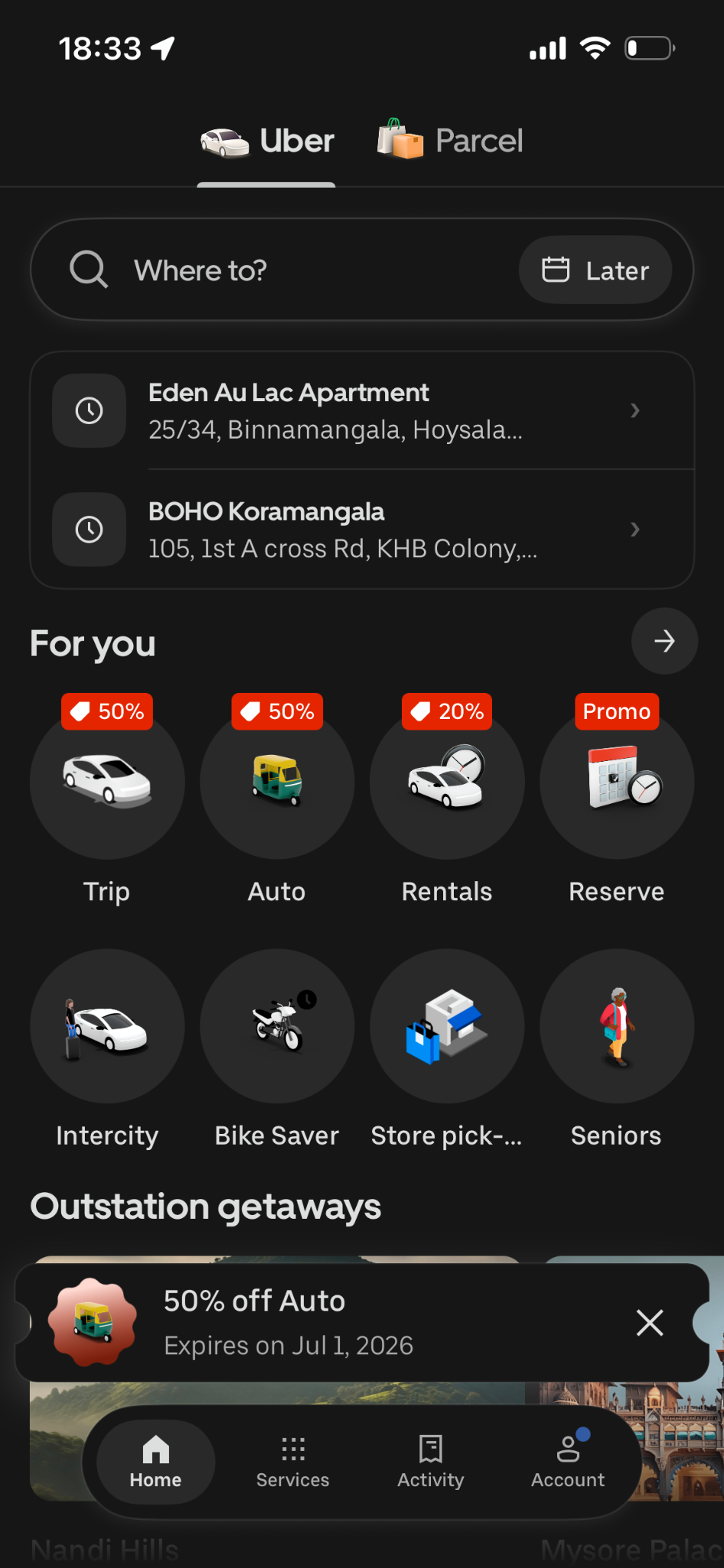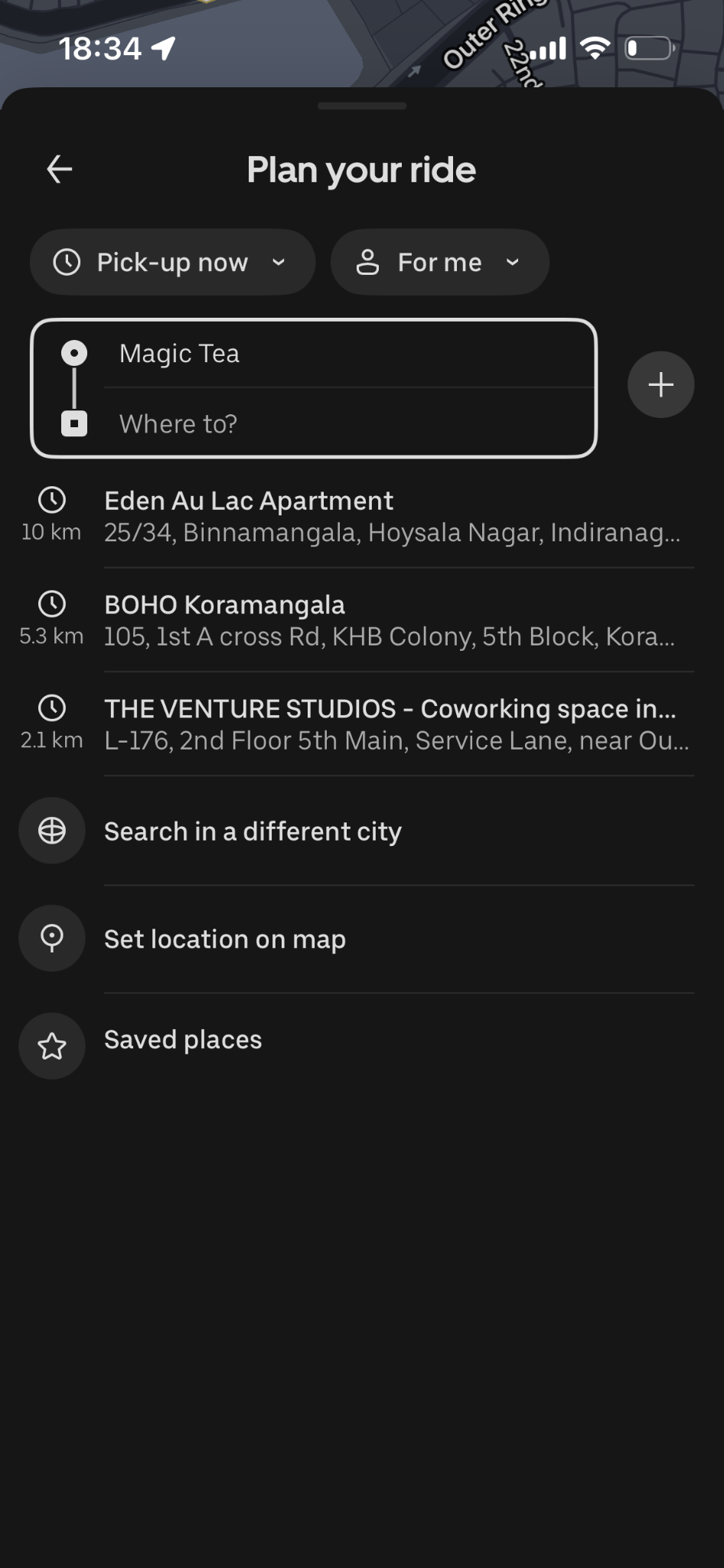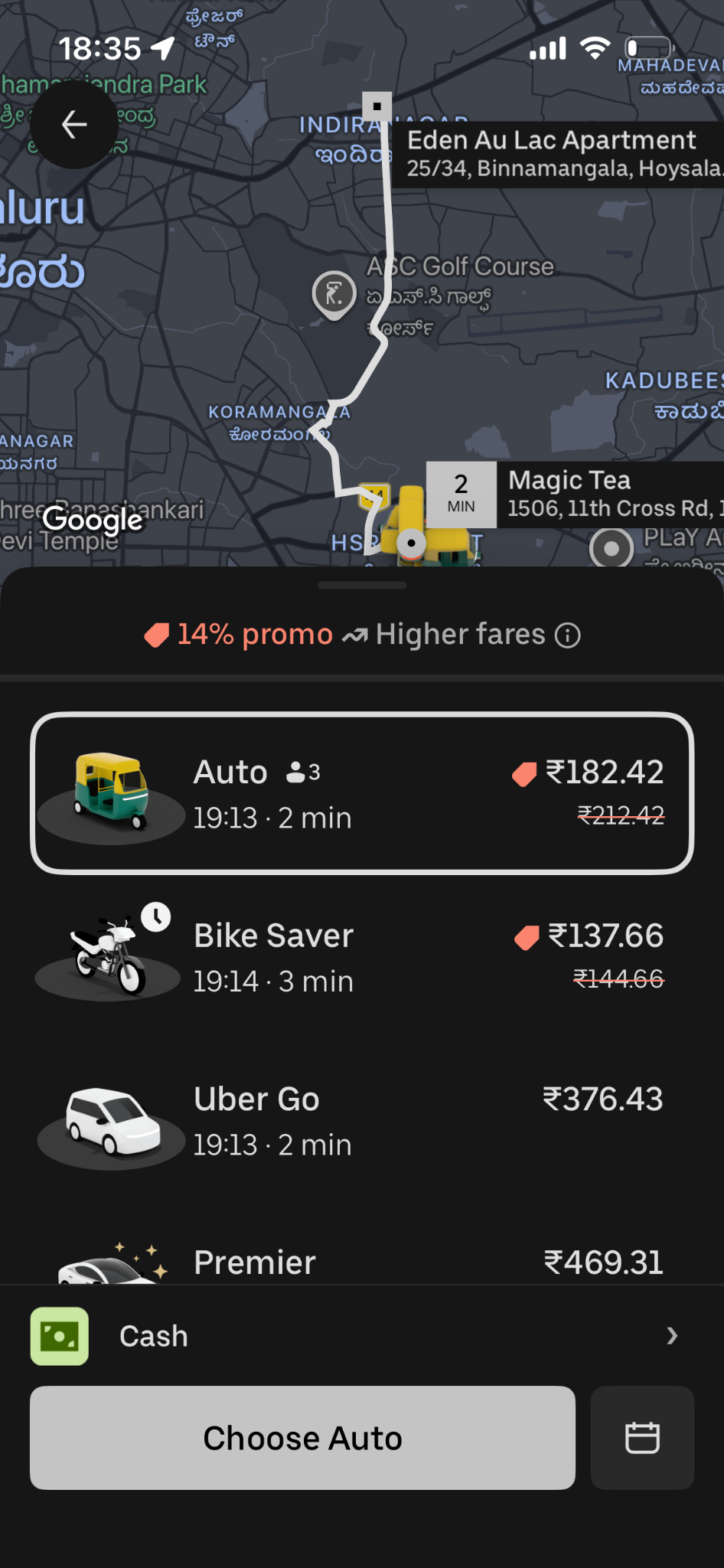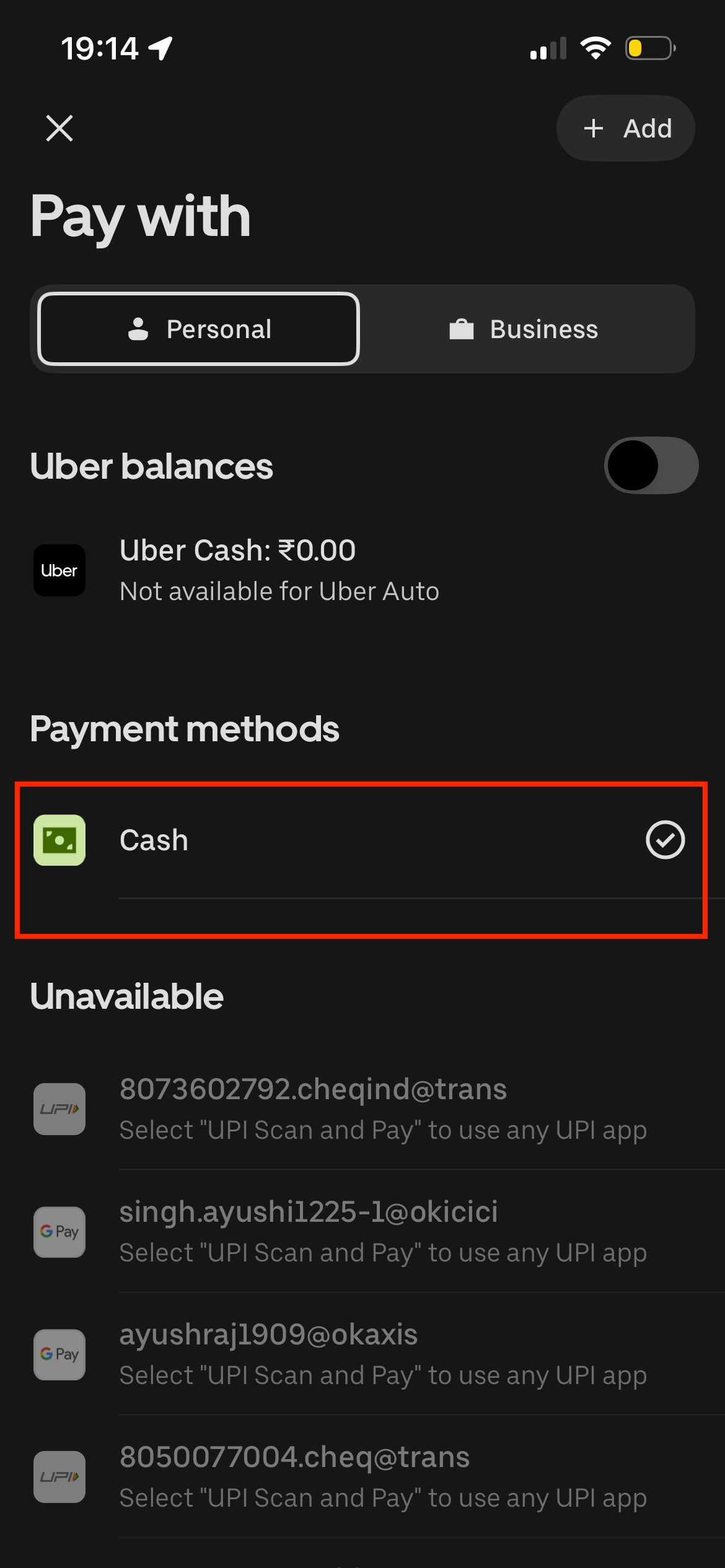
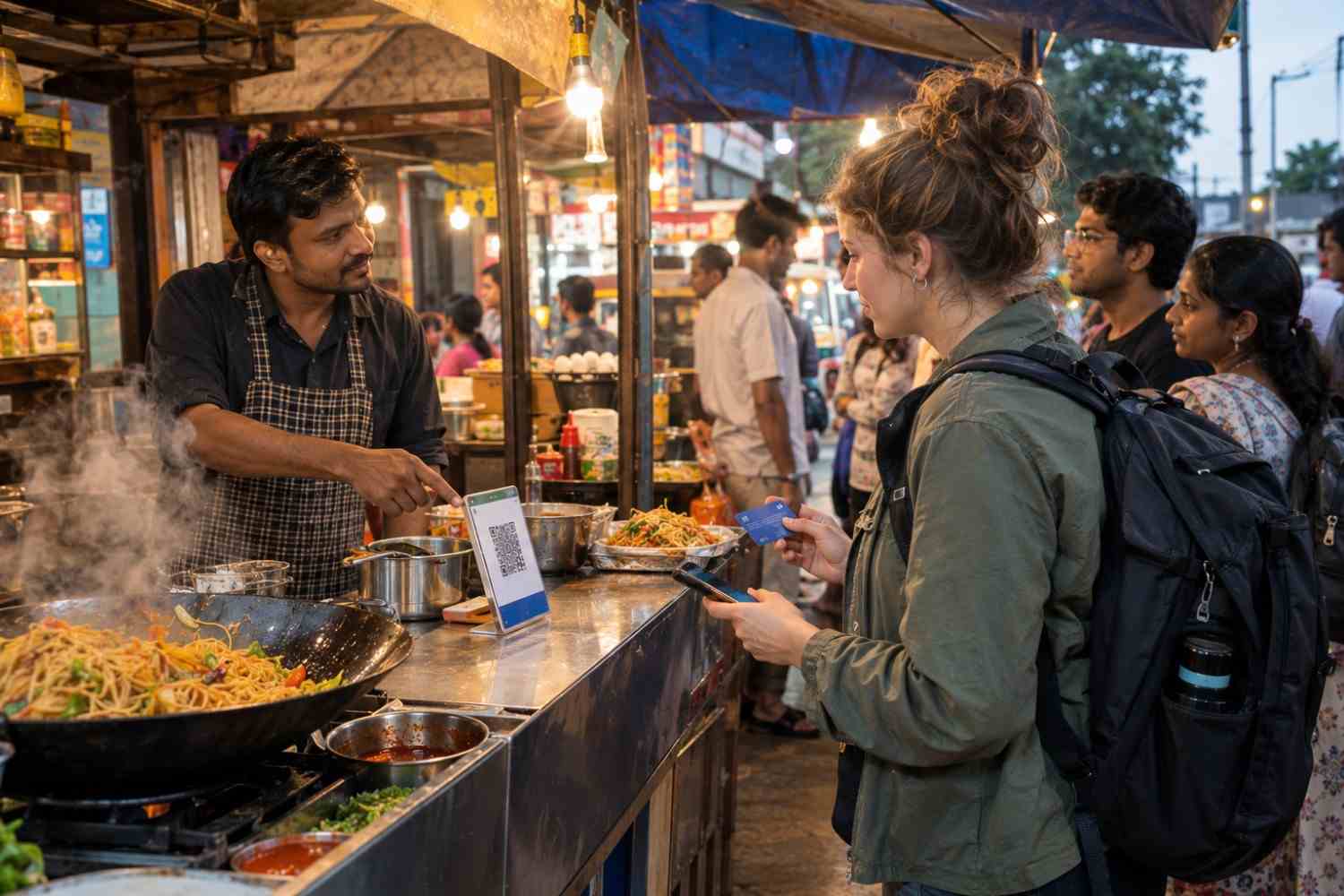
Every year, millions of foreign tourists land in India with a Visa or Mastercard that works perfectly in 150 countries. Within hours, the same card fails at a restaurant, a market stall, and an auto-rickshaw. The machine is not broken. There is no machine. India's merchants moved to QR codes years ago, and most never looked back.
The reason goes deeper than infrastructure. It is a deliberate design choice that separates UPI from every card network on earth, and understanding it changes how you plan for payments in India entirely.
Key highlights
- India has over 55 million UPI-enabled merchants. Most accept only QR code payments, not card swipes.
- Visa and Mastercard require a physical POS terminal to process payments. Most Indian merchants do not have one.
- UPI runs on NPCI's rail, which is entirely separate from the Visa and Mastercard networks.
- Foreign tourists can access UPI through a loaded wallet app without an Indian bank account or SIM card.
- International cards are accepted at large hotels, malls, and some restaurants, but rarely at daily spending points.
- Carrying Rs 5,000 to 10,000 (approx $52 to $104) in cash covers situations where neither card nor UPI is available.
- CheqUPI is free to join for all eligible nationalities, with a loading fee of 2.95% + applicable taxes and 0% merchant payment fee.
How card payments work and why they fail at QR merchants
International cards run on Visa or Mastercard rails, which require a physical POS terminal to process a payment. The terminal connects to the card network, verifies the transaction, and settles the funds. When a tourist tries to pay at a QR-only stall, there is no terminal to interact with. The payment simply cannot go through.
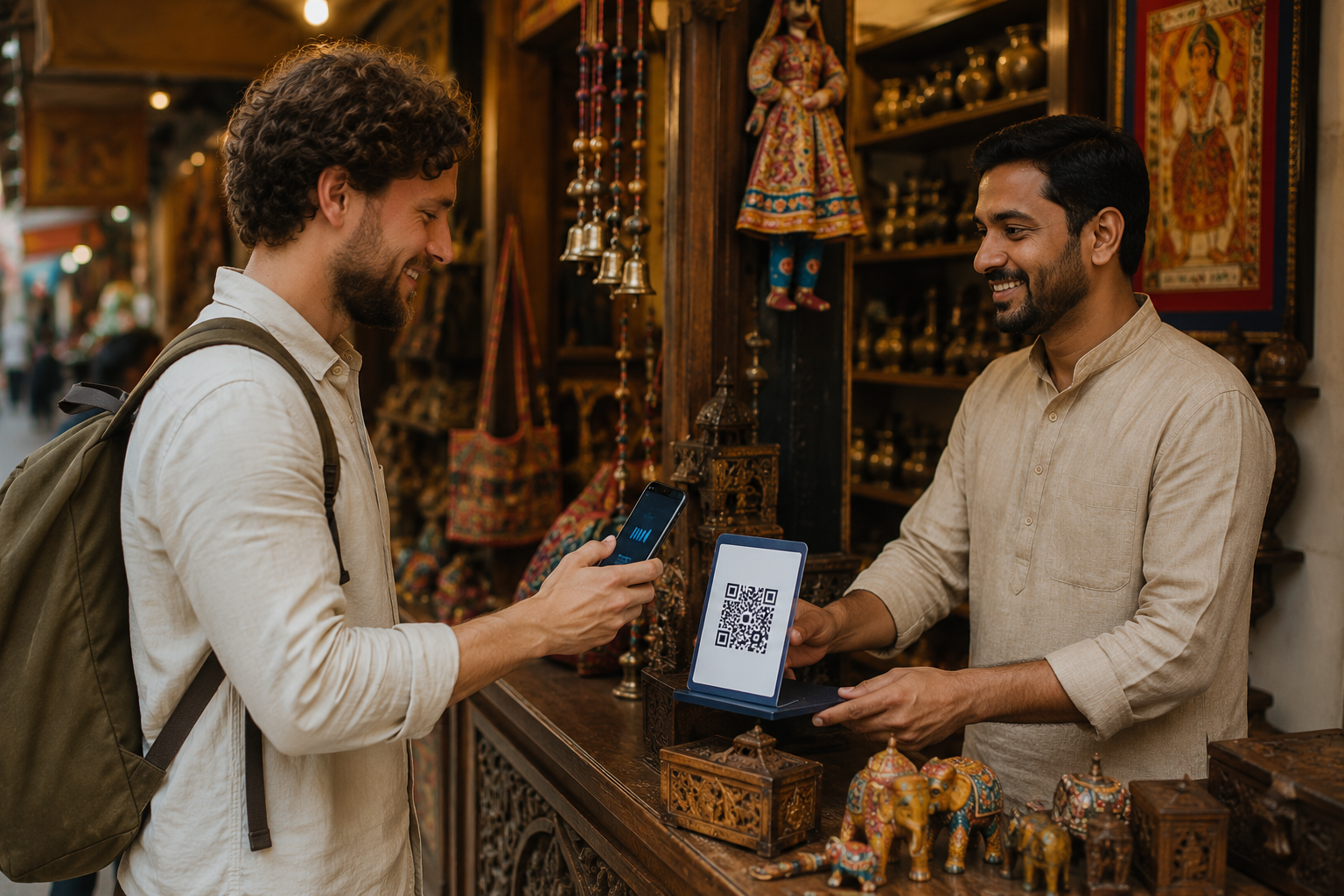
Most Indian merchants never installed a card terminal. The cost of hardware, the monthly fees, and the per-transaction charges made terminals unviable for small vendors. UPI solved this with a printed QR code that costs nothing to produce and accepts payments with a zero percent merchant fee.
This created a two-tier payment landscape in India. The first tier is large commercial establishments with POS terminals, where international cards work normally. The second tier is everywhere else, where most daily life and tourism spending actually happen, and cards simply do not reach it.
How UPI works and why cards cannot plug into it
UPI is a payment rail built by the National Payments Corporation of India. It moves money directly from one bank account or wallet to another, using a unique payment address. No card network sits in the middle of this transaction.
A UPI payment goes from a wallet directly to a merchant's bank account using NPCI's infrastructure. Visa and Mastercard have no role in this settlement.
The card network and the UPI rail do not speak to each other. Tapping or swiping a foreign card at a QR merchant produces no result.
This was a deliberate design choice. India built UPI to be domestically sovereign and free from international card network fees.
The result is a system that handles 49% of global real-time transactions. It is structurally closed to foreign cards at the point of sale.
Why this matters for foreign tourists
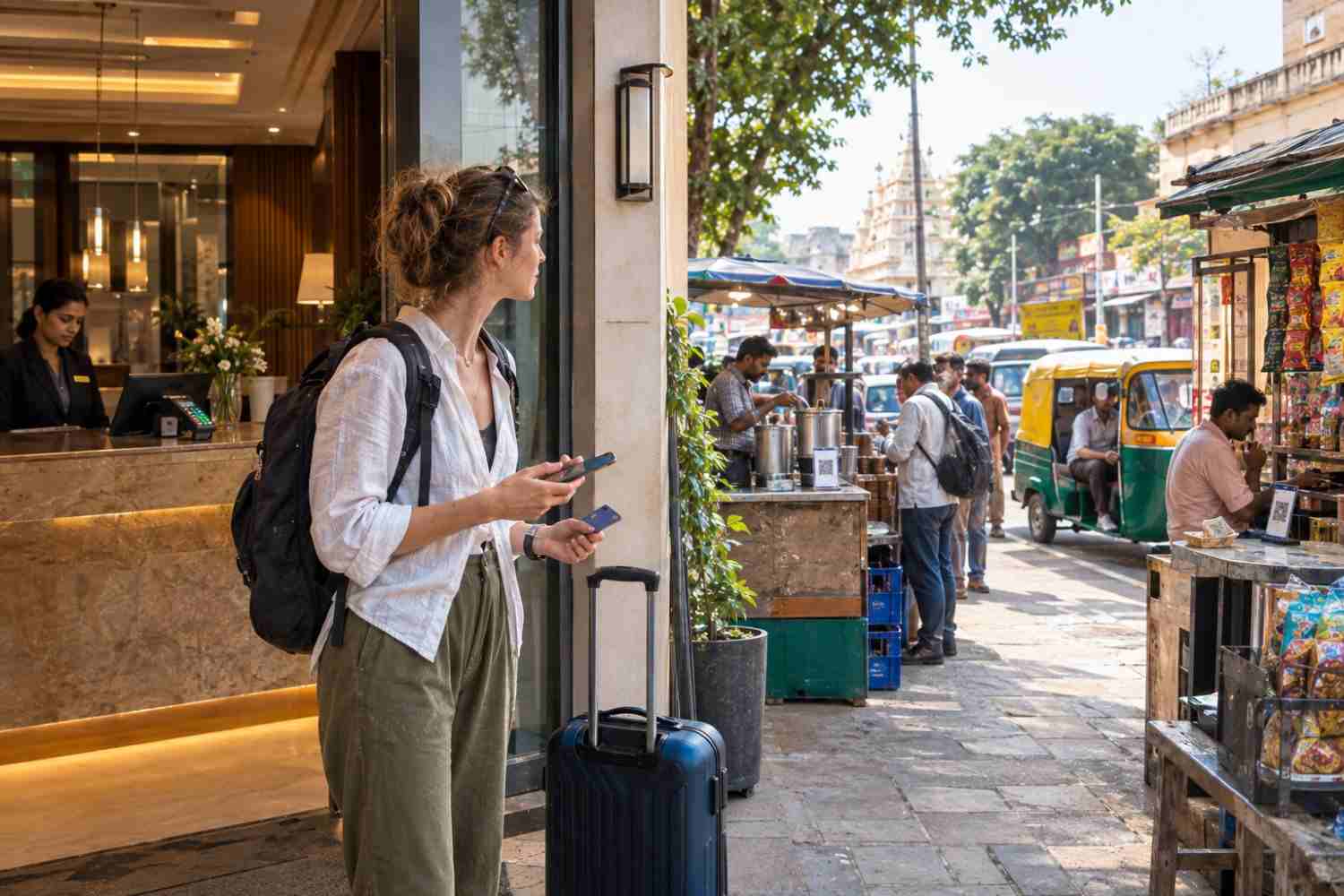
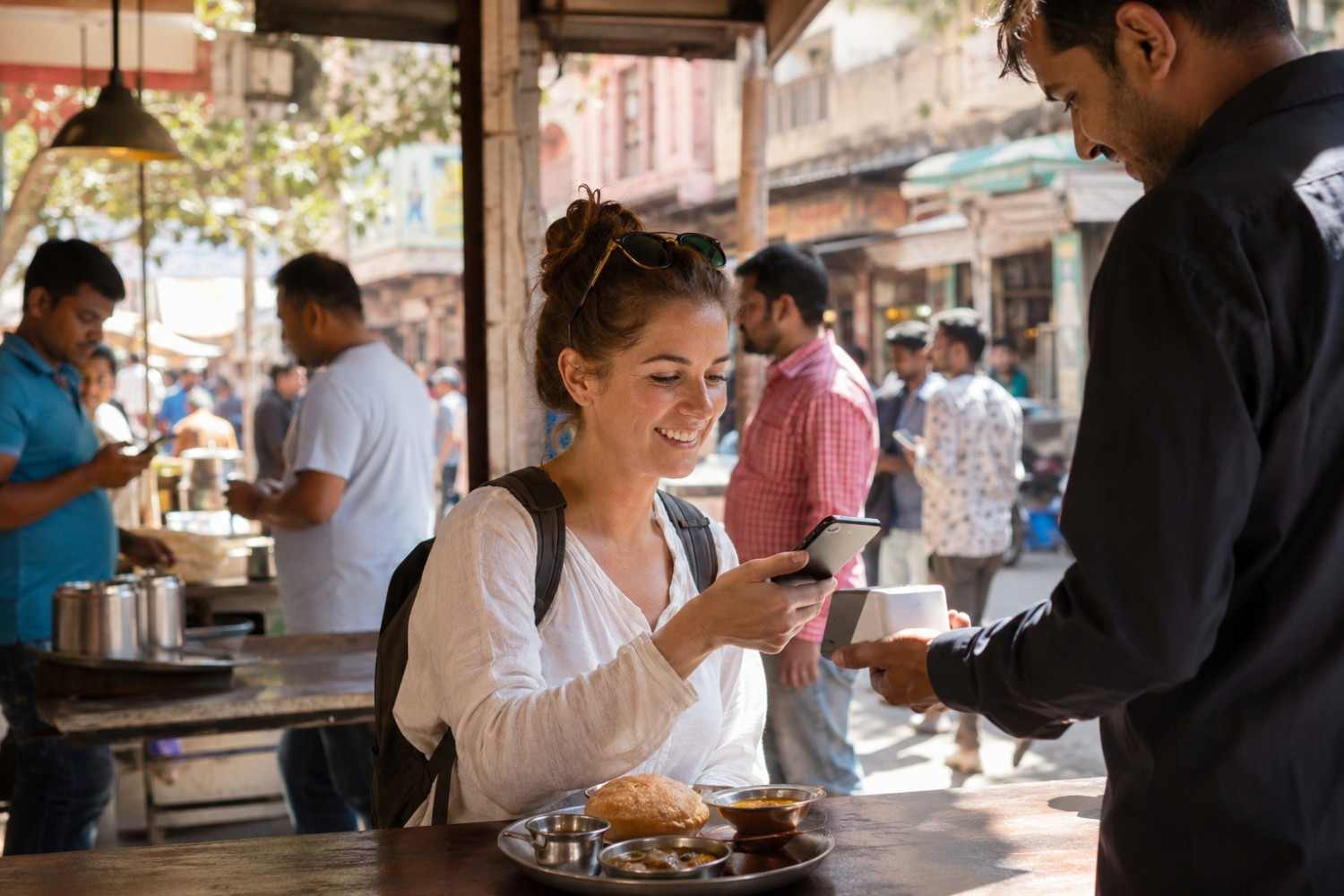
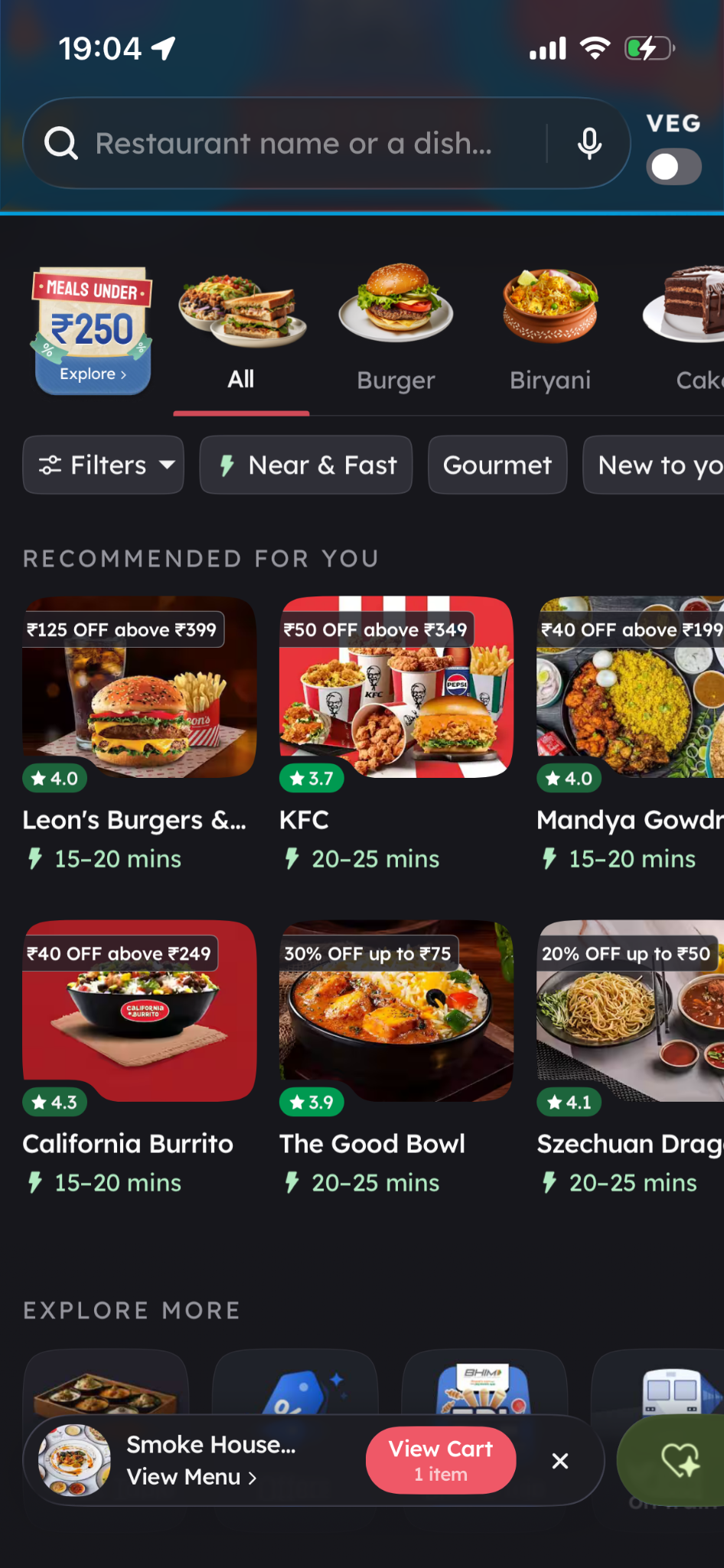
Foreign tourists arriving with only a Visa or Mastercard find that most of India's daily commerce is inaccessible to them. Street food stalls, auto-rickshaws, local markets, small guesthouses, temple towns, and roadside vendors all run on UPI QR codes.
International cards do work at larger hotels, airport retailers, and some upscale restaurants. But these represent a small fraction of where tourists actually spend money across a trip. The gap between what a card covers and what UPI covers is significant outside major commercial districts.
This is not a temporary infrastructure gap. It is a structural feature of how India built its payment system.
UPI was designed to replace card terminals, not complement them. The merchants who adopted UPI have no incentive to install a card terminal alongside it.
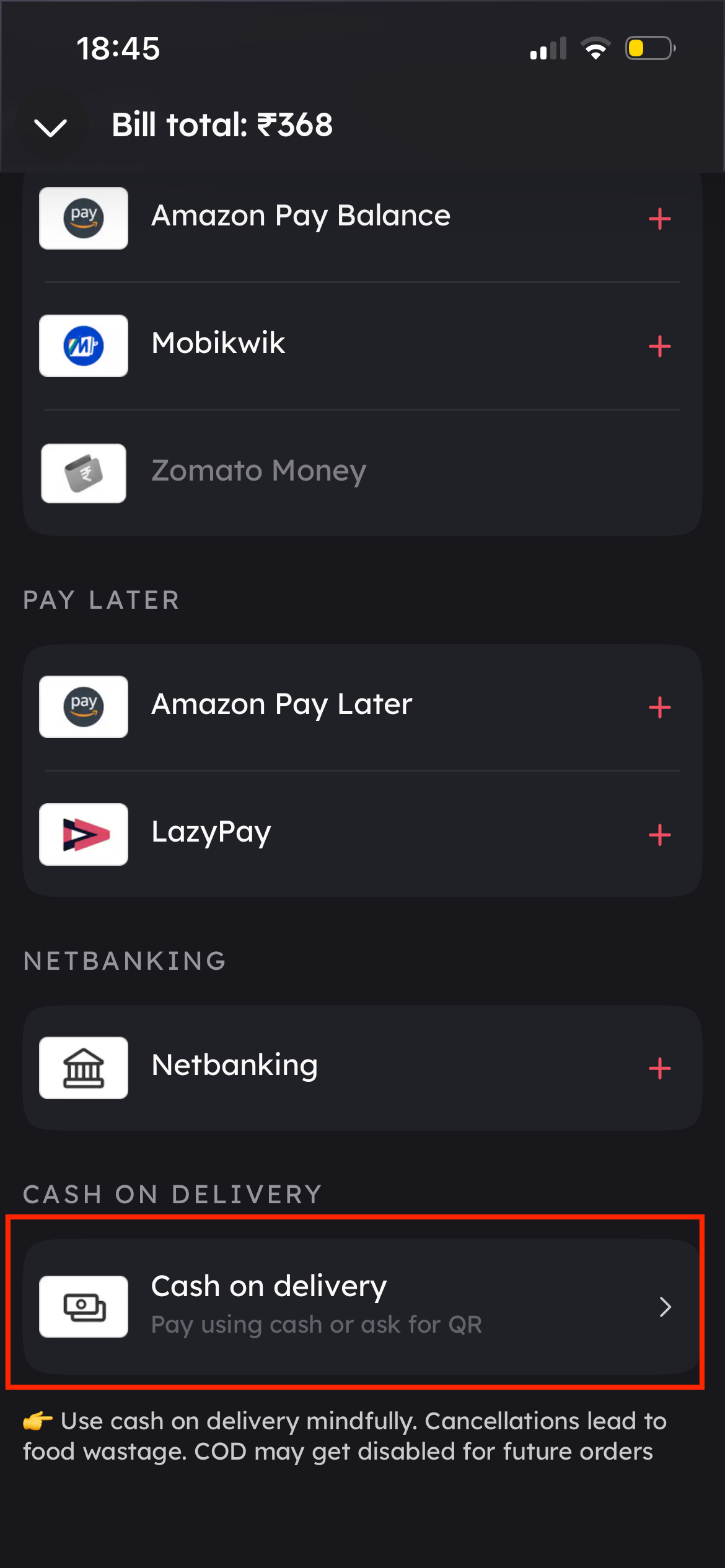
ATMs remain available for cash withdrawals, though Indian ATMs cap foreign card withdrawals at Rs 10,000 to 20,000 per transaction. For cash challenges foreign tourists face in India, read our guide on problems with carrying cash in India for foreign visitors.
The workaround: a UPI wallet loaded with INR
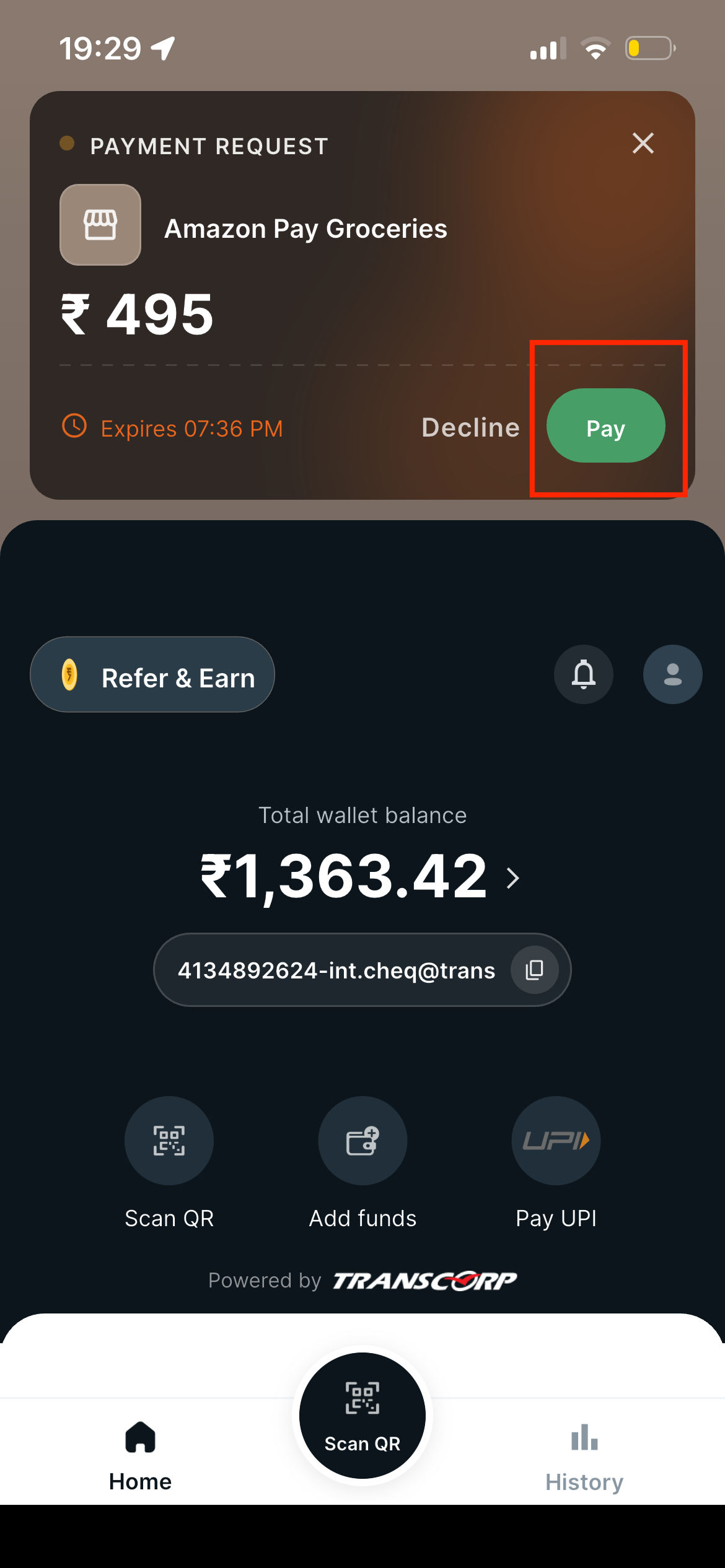
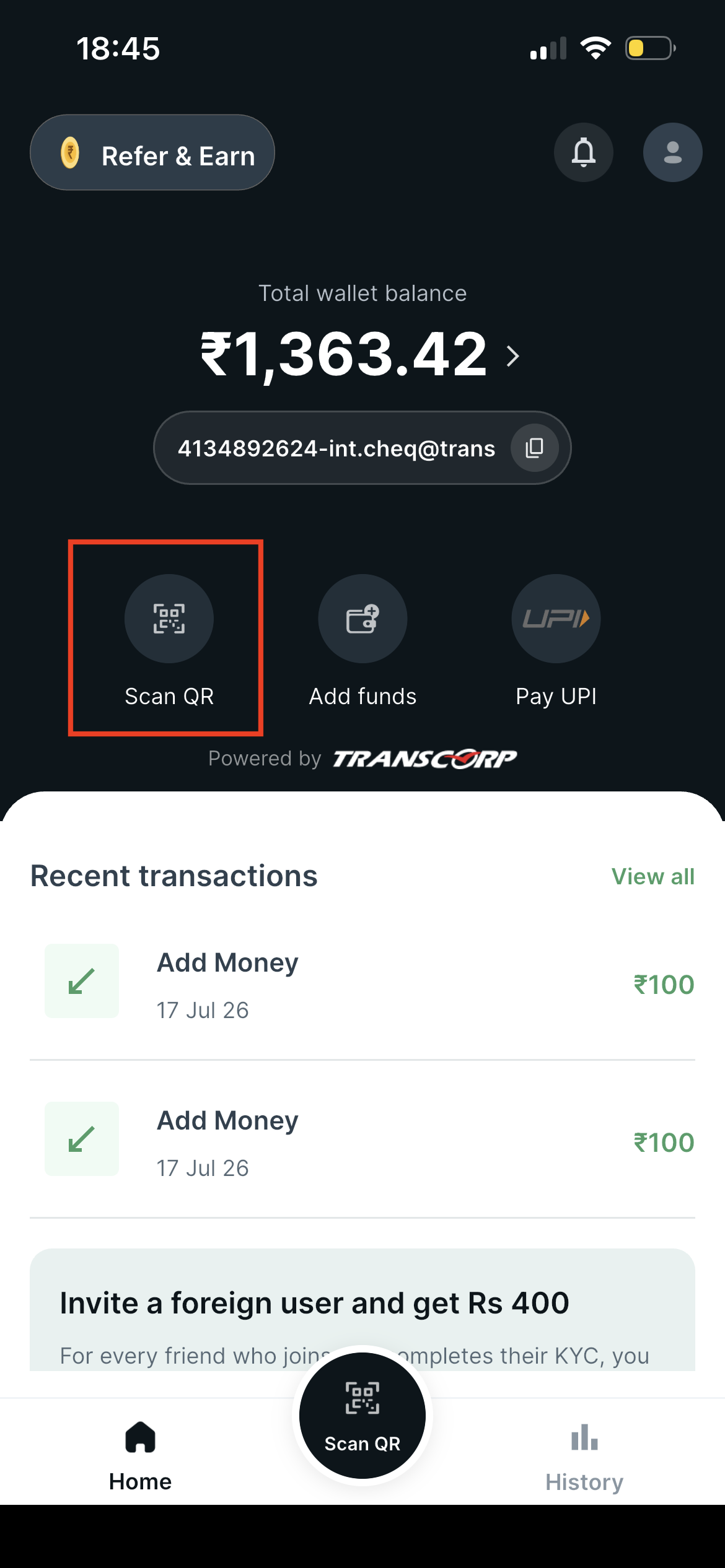
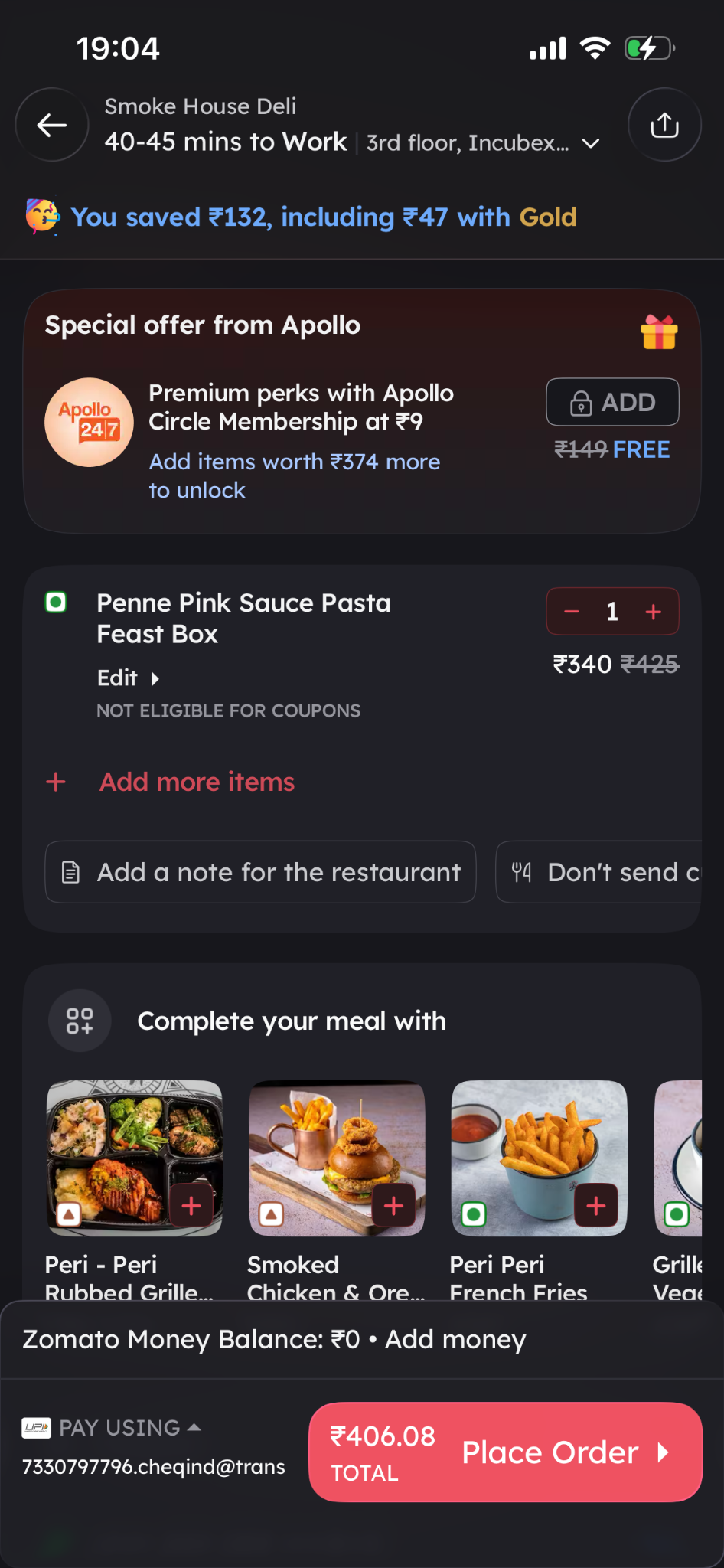
A UPI wallet loaded with INR using an international Visa or Mastercard works much like a local digital wallet at UPI merchants. Once loaded, the wallet pays via QR code exactly as a local app would. The card network is involved only at the loading stage, not at the point of sale.
No Indian bank account or Indian SIM card is needed. An internet connection and location access are required. This lets a foreign tourist access all 55 million-plus UPI merchants from day one without a local bank account or SIM.
The loading process is straightforward. You add funds using your international card and pay a loading fee of 2.95% + applicable taxes.
Every merchant payment after that costs 0%. The wallet balance is visible in the app at all times, and reloading is instant from anywhere with internet access.
For a full walkthrough of how UPI works for foreign tourists, read our UPI payment guide for foreigners in India.
Which merchants still accept international cards in India
Large hotels, international chain restaurants, airport retailers, shopping malls, and some ticketing counters accept Visa and Mastercard. These are the exceptions rather than the rule. Any merchant that installed a POS terminal before UPI dominated can still process card payments.
Outside these environments, card acceptance drops sharply. Markets, street food, local transport, homestays, smaller restaurants, and most tourist attraction entry counters have moved to UPI-only or cash-only. Checking before a purchase avoids the moment of standing at a counter with no payment option that works.
It is worth mapping your spending pattern against this divide before arriving. Hotel stays and airport purchases are comfortably within international card territory. Everything else, from the auto-rickshaw to the chai stall to the monument ticket counter in a smaller town, almost certainly is not.
For how foreign tourists can use UPI across India, read our guide on whether foreign tourists can use UPI in India.
What to carry as a backup
Even with a UPI wallet, carry Rs 5,000 to 10,000 (approx $52 to $104) in cash for situations where connectivity is poor or a vendor has no QR code. Many vendors refuse older-series or soiled banknotes, so ask for clean current-series notes when exchanging currency.
Airport money changers charge an 8 to 9% markup on exchange rates. ATMs from SBI, HDFC, ICICI, or Axis Bank give the Visa or Mastercard rate, typically 1 to 2% above interbank.
Private bank ATMs charge Rs 200 to Rs 335 (approx $2 to $4) per foreign card withdrawal. The home bank adds a foreign transaction fee of 1 to 3%.
Indian ATMs also cap foreign card withdrawals at Rs 10,000 to 20,000 per transaction depending on the bank. For cash needs above this, plan for multiple withdrawals and the fees on each one. Use ATMs in preference to airport counters for better rates and lower total cost.
For cash challenges foreign tourists face in India, read our guide on problems with carrying cash in India for foreign visitors.
Setting up before you arrive
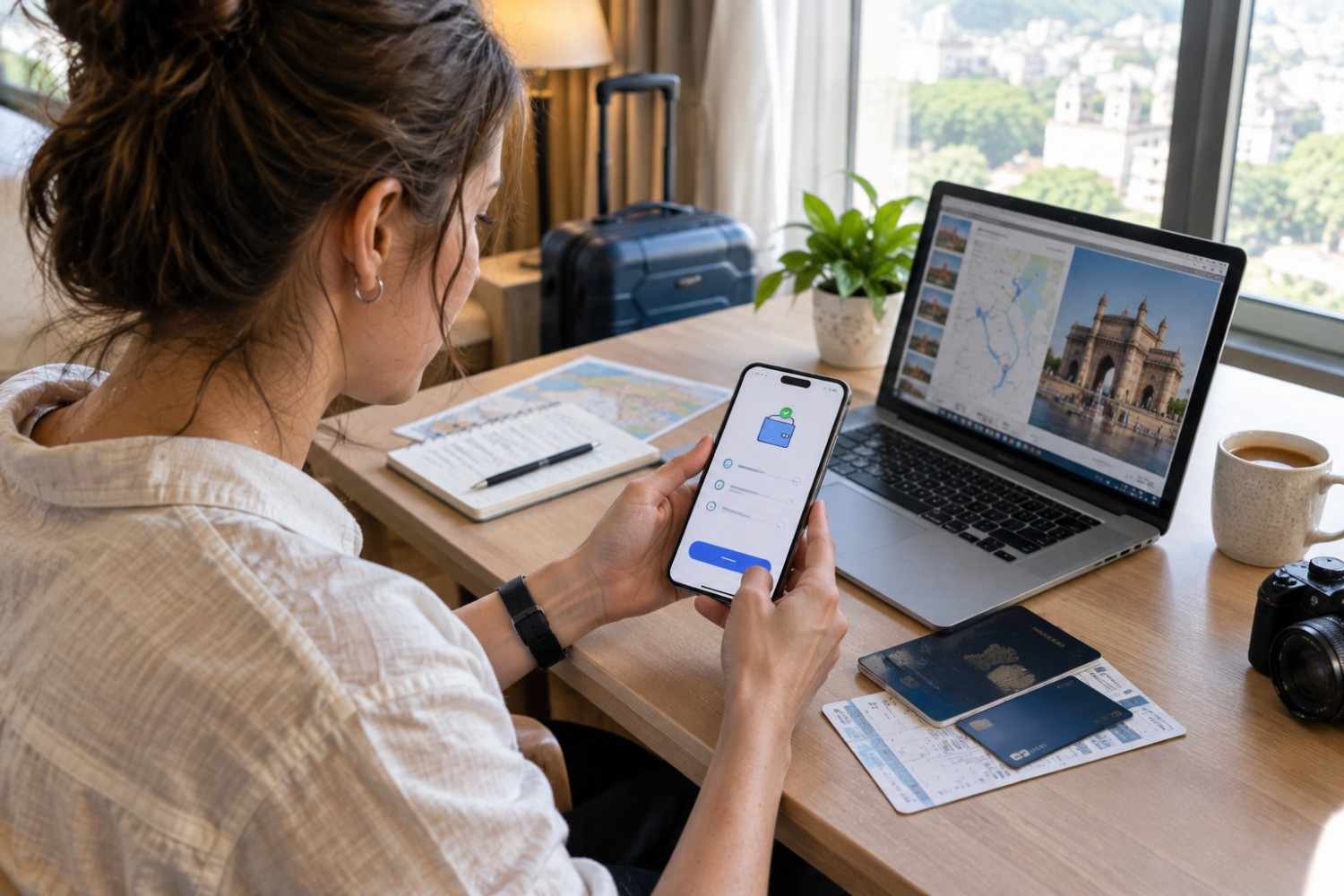
You can download and register for a UPI wallet before your trip. Verification is completed in India after you arrive, not before. Registration only requires your nationality, name as in your passport, and email address.
Once verified, the wallet is linked to your international card for loading. From that point, Almost every one of QR code in India becomes a payment option. No local documentation, no local SIM, and no local bank account needed at any stage.
Conclusion
Visa and Mastercard fail at Indian QR codes because UPI was built outside their infrastructure entirely. The card networks require terminals. UPI requires only a printed code. Loading a UPI wallet with an international card is the only way to access India's full merchant network as a foreign tourist. The setup takes minutes, and the difference it makes across a trip is significant.
FAQs
1. Why does my Visa card not work at Indian QR codes?
UPI QR payments run on NPCI's rail, which is separate from the Visa and Mastercard networks. Your card requires a POS terminal to process payments, and most Indian merchants do not have one.
2. Can I use my Mastercard for UPI payments in India?
Not directly. Mastercard cannot scan a UPI QR code. You can use your Mastercard to load a UPI wallet, which then pays merchants via QR code.
3. Do any Indian merchants accept Visa or Mastercard?
Yes. Large hotels, airport retailers, shopping malls, and some chain restaurants have POS terminals. Most daily spending points, including street food, local transport, and markets, do not.
4. What is the alternative to using a card at Indian QR merchants?
A UPI wallet loaded with INR using your international card. Once loaded, it pays at any UPI QR merchant the same way a local wallet would.
5. Why did India build UPI separately from Visa and Mastercard?
UPI was built to be domestically sovereign, free from international card network fees, and accessible to merchants who could not afford POS terminals. The zero-fee QR model drove rapid adoption.
6. How do foreign tourists load a UPI wallet in India?
Using an international Visa or Mastercard to top up a wallet app like CheqUPI. The loading fee is 2.95% + applicable taxes. Every merchant payment after that costs 0%.
7. Can I withdraw cash with my Visa or Mastercard in India?
Yes. ATMs from SBI, HDFC, ICICI, and Axis Bank accept international cards. Indian ATMs cap withdrawals at Rs 10,000 to 20,000 per transaction and charge Rs 200 to Rs 335 (approx $2 to $4) per withdrawal.
8. How much cash should I carry in India as a foreign tourist?
Rs 5,000 to 10,000 (approx $52 to $104) covers transport and vendors without UPI QR codes.
9. Is UPI available to foreign tourists in India?
Yes, through UPI One World. Apps like CheqUPI let foreign tourists access UPI without an Indian bank account or SIM card.
10. What happens if my UPI wallet runs out of money in India? Reload it using your international Visa or Mastercard. Loading costs 2.95% + applicable taxes. The reload is instant and available from anywhere with internet access.
“Carrying a UPI wallet as your primary payment method in India removes this problem entirely. CheqUPI works at 55 million-plus merchants across India. Download CheqUPI before your trip, complete activation after arriving in India, and pay every QR code merchant with confidence.”