-883ff238b2.jpeg)
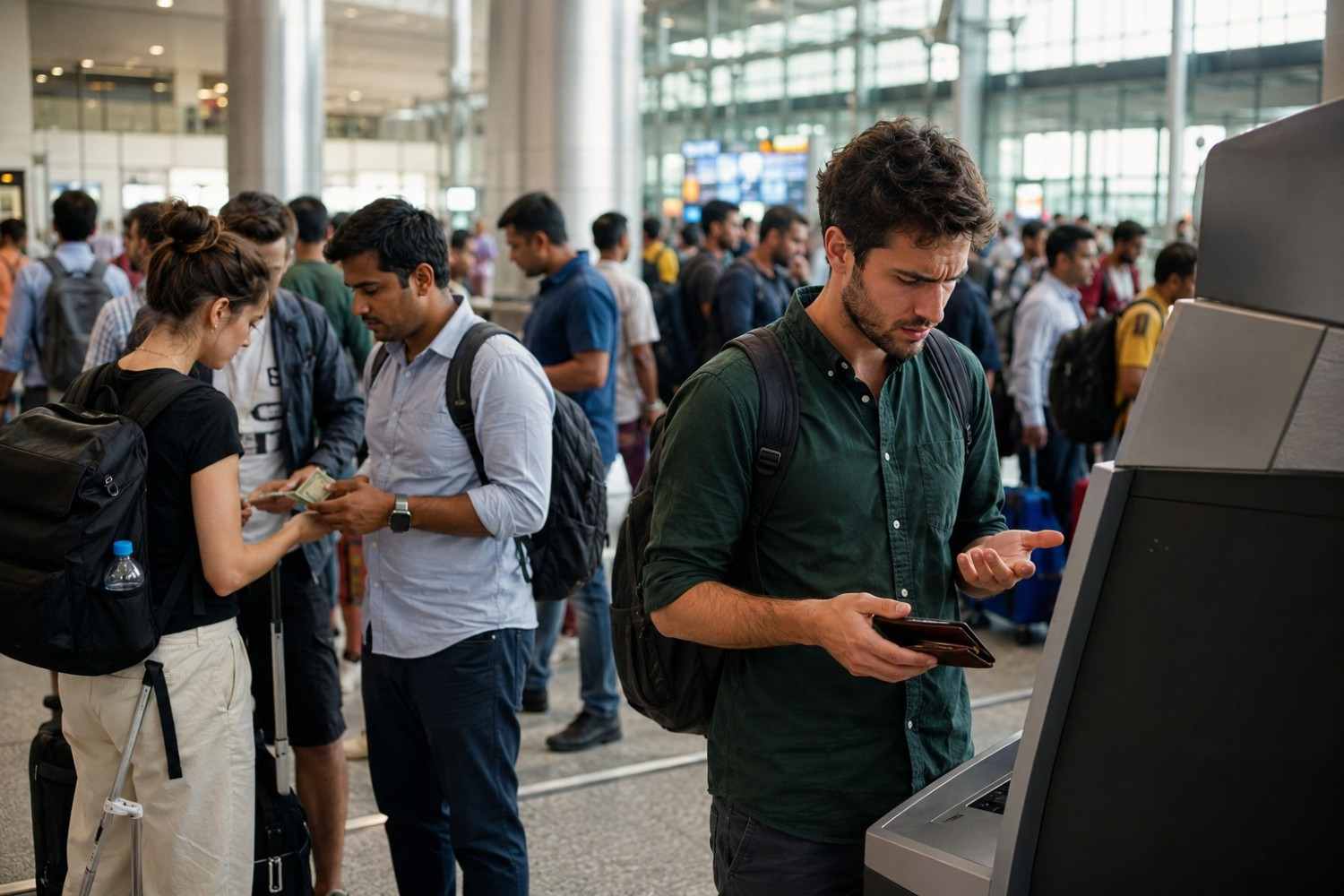
Many foreign travellers in India see a payment terminal offer to charge them in their home currency and assume it's the safer option. It isn't. That seemingly helpful choice, known as Dynamic Currency Conversion (DCC), often adds an unnecessary markup before your payment is even processed.
Knowing when this prompt appears and choosing to pay in Indian rupees instead can save thousands of rupees over the course of a trip.
Key highlights
- Dynamic currency conversion (DCC) can add a significant markup, often around 3 to 5%, on top of any existing card fees at Indian ATMs and merchant terminals.
- Indian ATMs already charge Rs 200 to Rs 335 (approx $2 to $4) per foreign-card withdrawal, plus your home bank's 1 to 3% foreign transaction fee. DCC stacks on top of all of that.
- The DCC prompt appears as a helpful choice between your home currency and INR. Choosing your home currency triggers the extra markup.
- Refusing DCC is always an option. Card network rules require merchants and ATMs to let you decline.
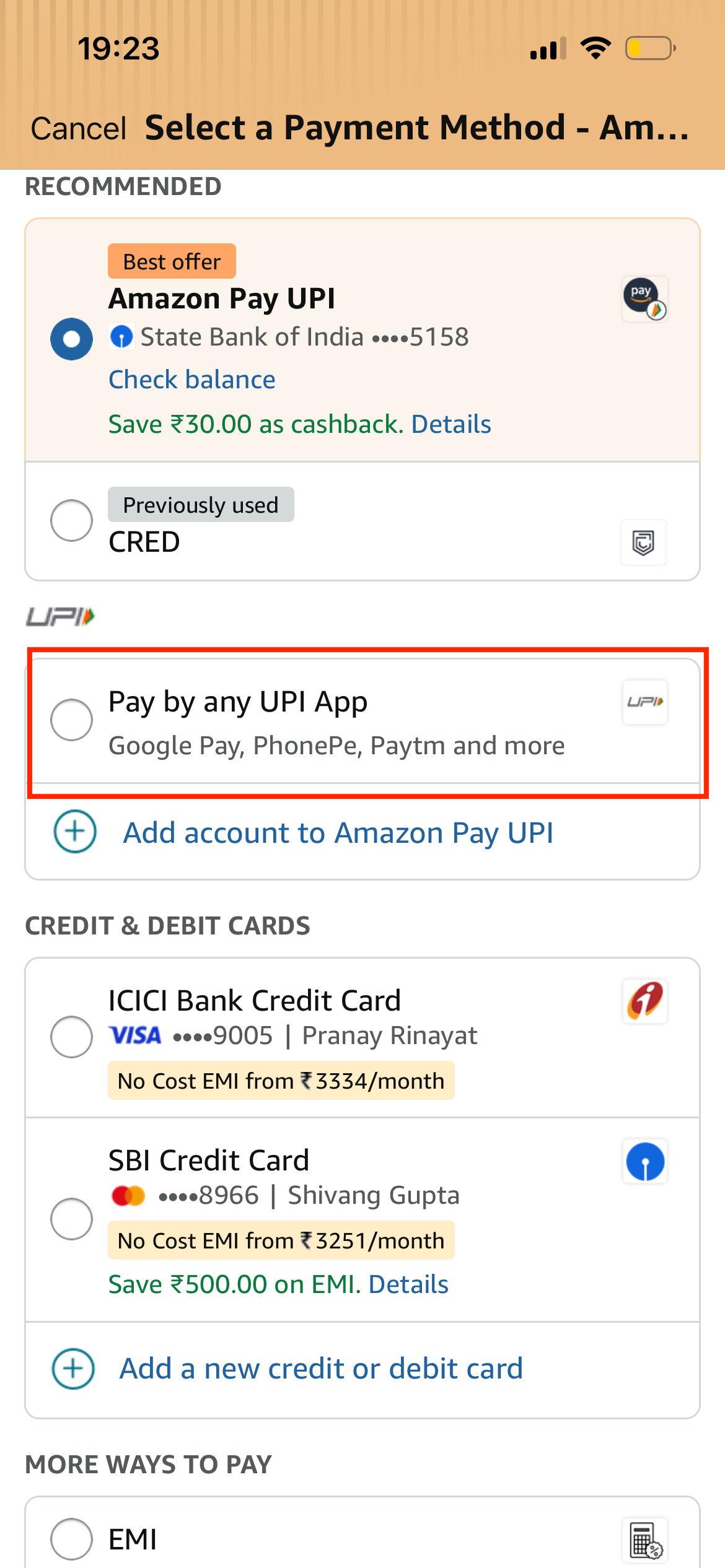
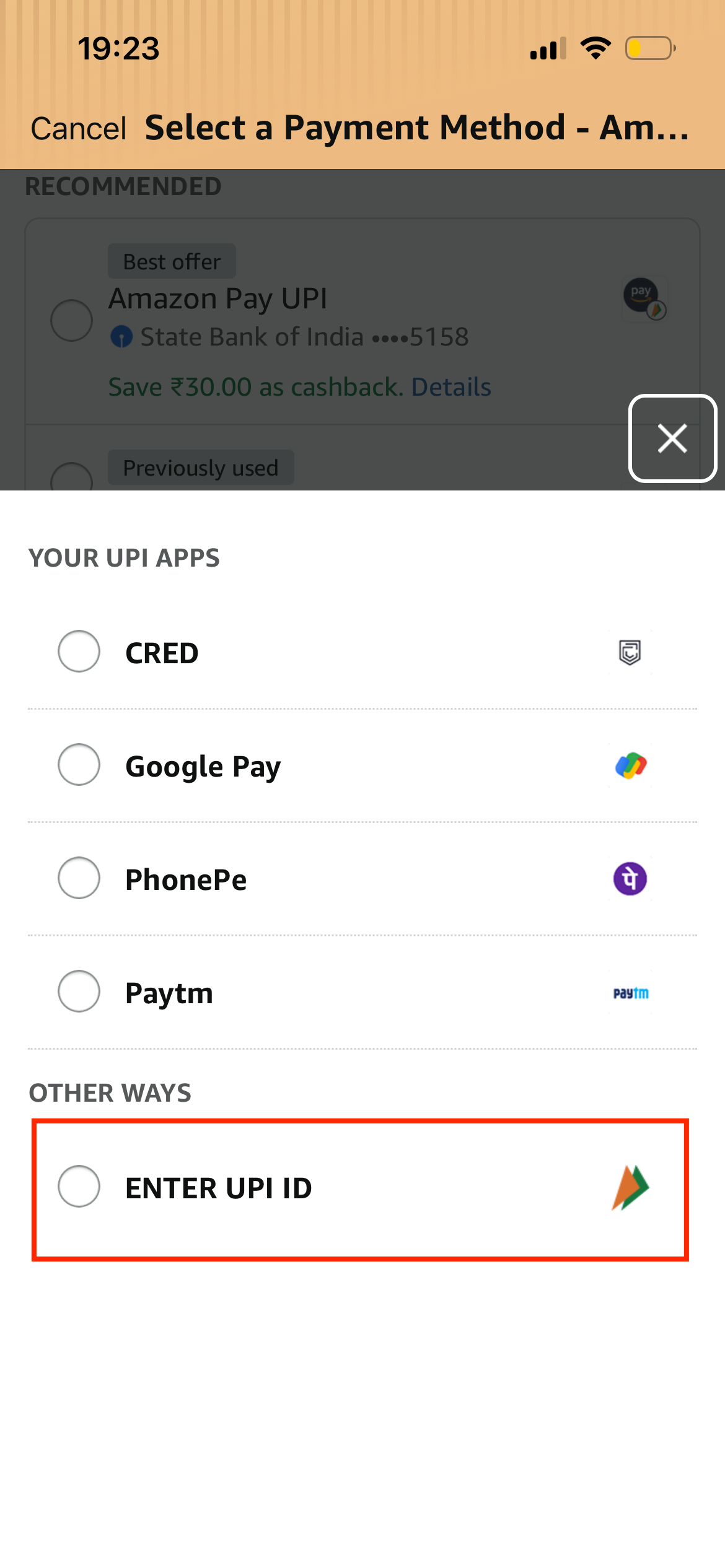
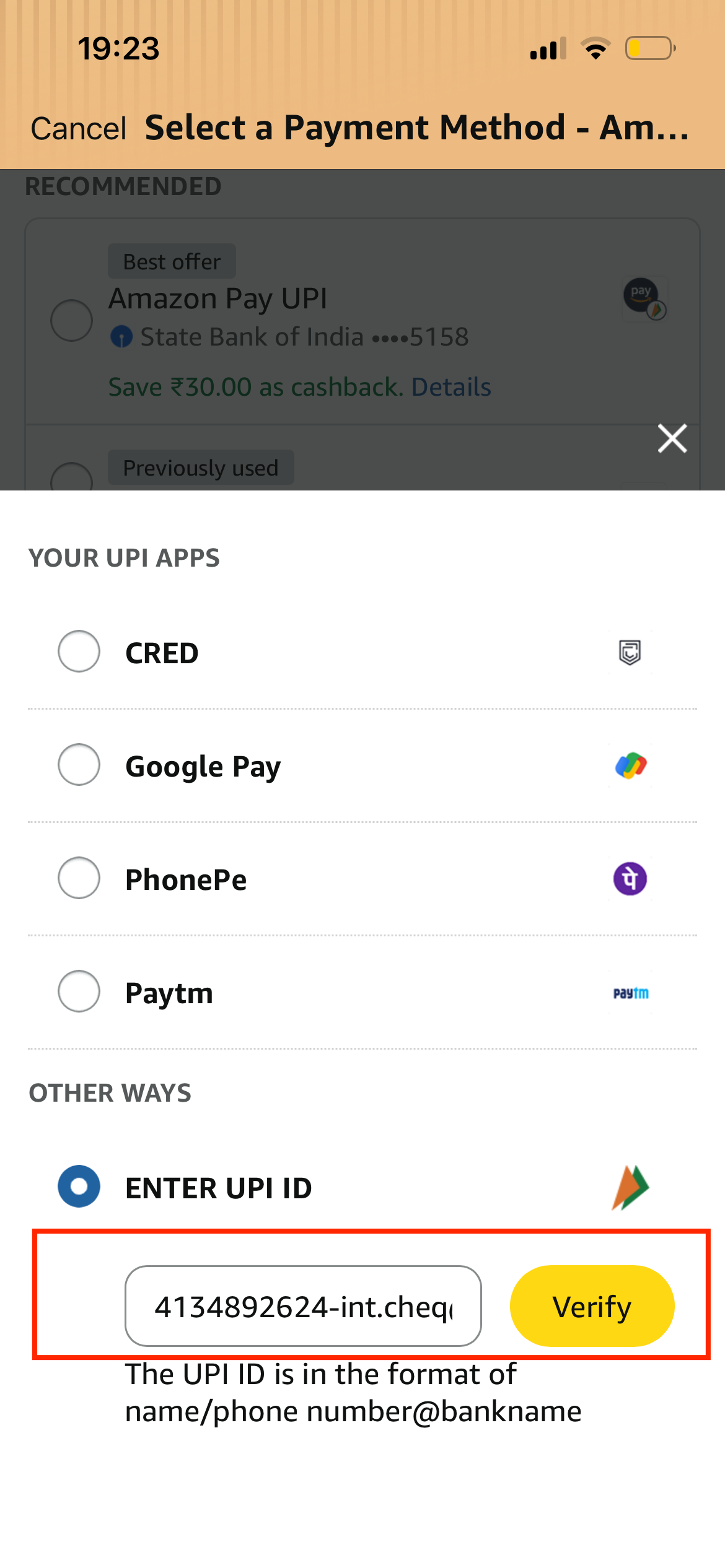
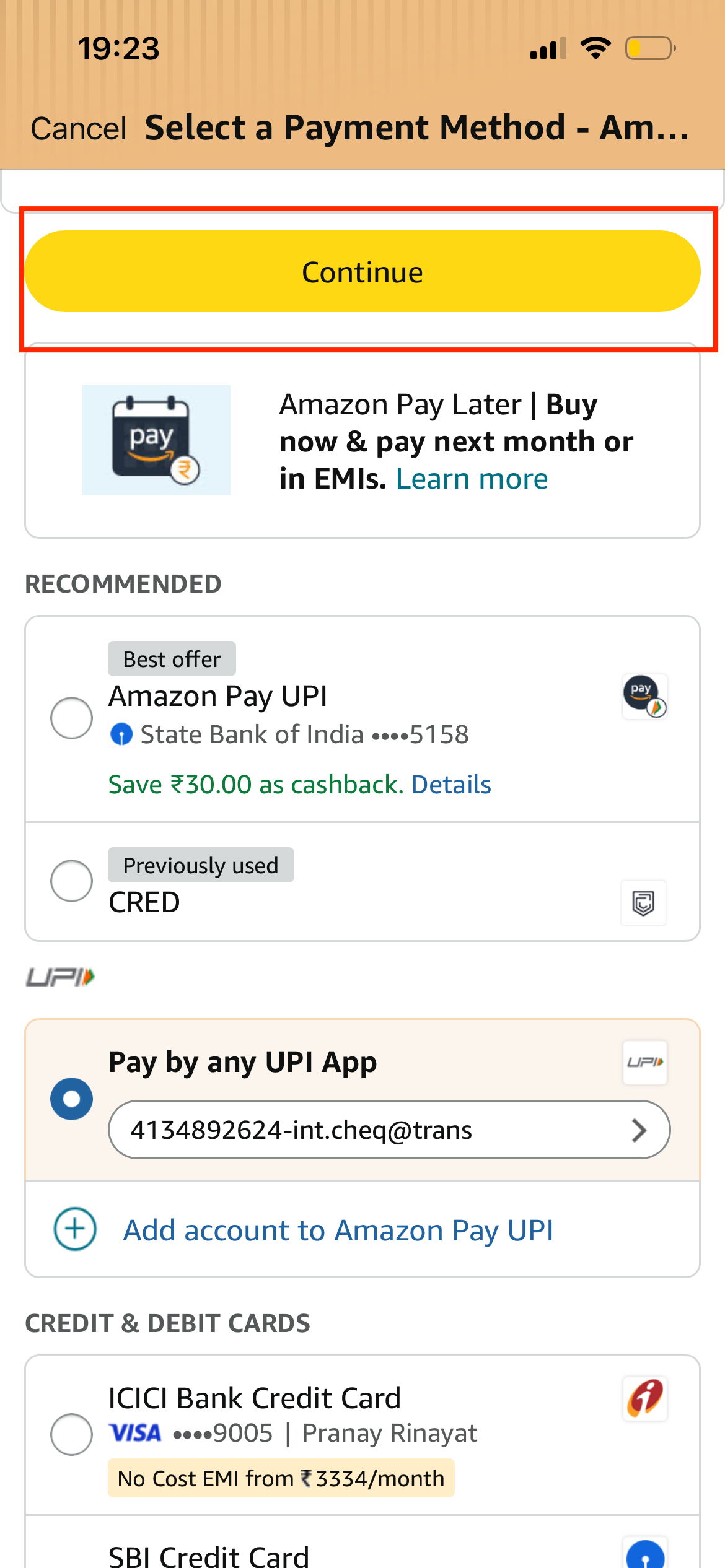
- Paying via UPI in INR eliminates the DCC prompt entirely because no currency conversion happens at the terminal.
- Airport money changers in India charge an 8 to 9% markup, making DCC and cash exchange the two most expensive ways to spend money here.
- CheqUPI is free to join for all eligible nationalities, with a loading fee of 2.95% +taxes and 0% merchant payment fee.
What is dynamic currency conversion?
Dynamic currency conversion is a service where a merchant or ATM converts your transaction into your home currency on the spot. They use their own exchange rate rather than your card network's rate. You see a familiar dollar or euro figure on the screen. The merchant or their payment processor earns a commission on the conversion markup.
The key detail most tourists miss is who sets the rate. With standard card transactions, Visa or Mastercard applies a rate close to the interbank rate. With DCC, the merchant's bank sets the rate and builds in a markup of 3 to 5%. The markup generates additional revenue for the parties involved in providing the DCC service.
You are always entitled to refuse. Card network rules from both Visa and Mastercard require that the choice be disclosed and that cardholders can decline DCC. A merchant who processes DCC without asking is breaching those rules.
How DCC works at Indian ATMs and merchant terminals
The ATM screen that looks helpful but isn't
You insert your card at an HDFC or SBI ATM and request Rs 10,000 (approx $104). Before dispensing, the screen shows two options. One says something like "Rs 10,000, continue without conversion." The other says, "Your home currency: $104. Accept conversion." The second figure includes the DCC markup. The buttons are often sized to make "accept" easier to tap.
Always choose "continue without conversion" or "proceed in INR." If the machine does not offer this choice, cancel the transaction and use a different ATM. You still pay the ATM's own fee of Rs 200 to Rs 335 (approx $2 to $4), but you avoid the DCC layer on top.
The POS terminal prompt at shops and hotels
At Indian restaurants, shops, and hotel checkouts, the terminal may display your home currency amount after you insert or tap your card. Some cashiers pre-select the home currency option before turning the screen toward you. Others ask verbally which currency you prefer.
The rule is the same: always ask for INR. If the cashier has already selected your home currency, ask them to cancel and reprocess. Keep the receipt. If the charge appears in your home currency on your bank statement and you did not consent, contact your card issuer to dispute it.
What DCC actually costs you in India
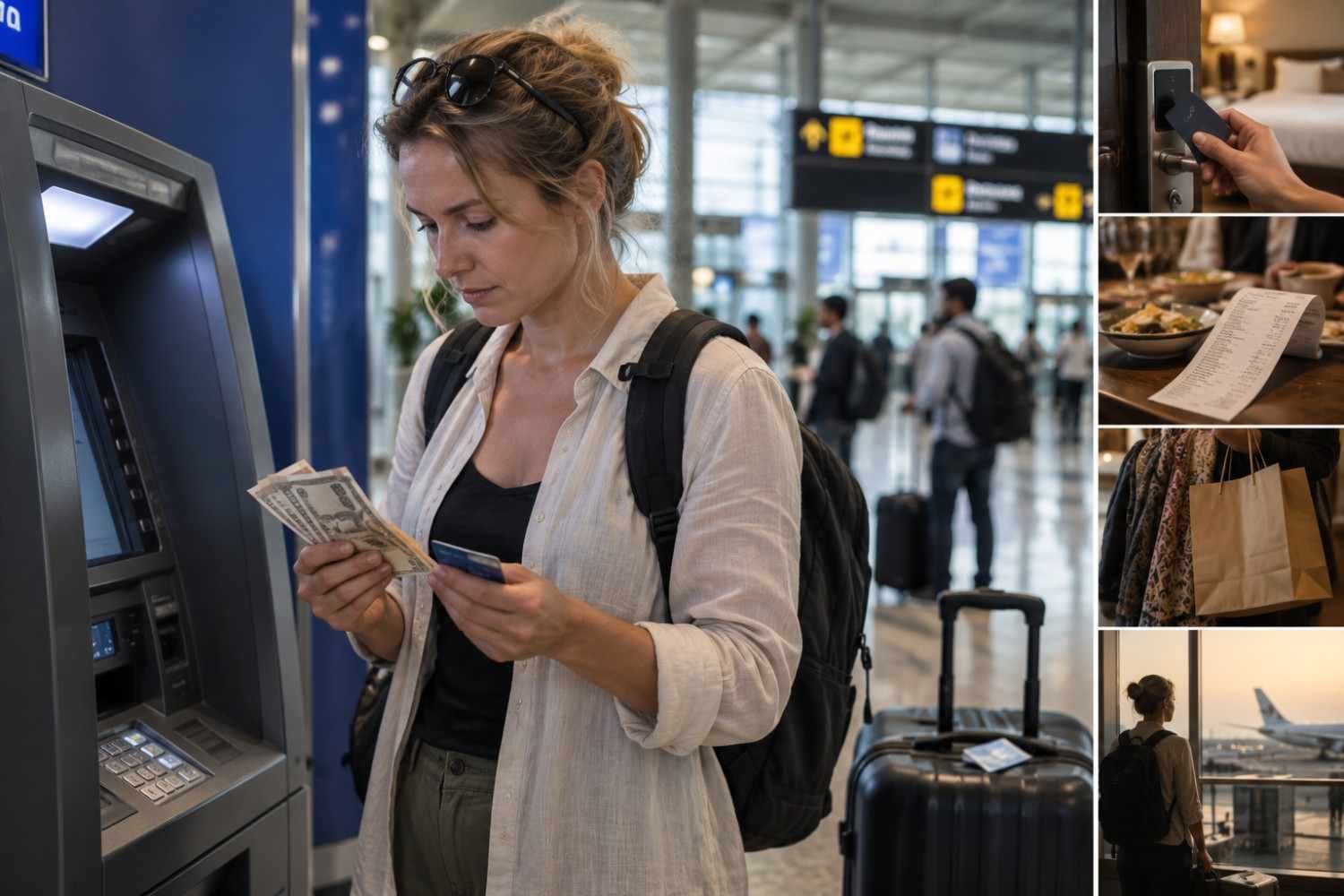
The percentage sounds small until you add it up across a two-week trip. Here is what a typical ATM withdrawal looks like with DCC versus without.
Take an Rs 10,000 (approx $104) ATM withdrawal. Without DCC, the ATM fee of roughly Rs 270 (approx $3) plus a 2% foreign transaction fee adds up to around Rs 470 (approx $5) in total charges. With DCC, the 4% markup adds Rs 400 (approx $4) on top of that, taking the total fee to Rs 870 (approx $9) on a single withdrawal.
Across ten ATM withdrawals on a three-week India trip, that DCC layer alone costs Rs 4,000 (approx $42). Hotel checkouts, restaurant bills, and souvenir shops where you tap your card add to that total. Most mid-range travelers who accept DCC at every touchpoint pay Rs 8,000 to 12,000 (approx $84 to $125) in avoidable fees over a full trip.
How to spot and refuse DCC every time
Watch for these phrases at ATMs and terminals: "Pay in USD/GBP/EUR," "convert to your home currency," "fixed rate guaranteed," and "lock in today's rate." All signal a DCC offer. The correct response is always to choose INR or select "decline conversion."
At an ATM, press "proceed without conversion" and ignore the highlighted "accept" button. At any POS terminal, say "INR, please" before the cashier turns the screen toward you, and at hotel checkout, confirm "Please charge me in rupees" before they process the card. At restaurants, check the receipt before you sign and ask for a reprocess if the currency shown is not INR.
If a terminal processes DCC without asking, note the merchant name, amount, and date, and always keep your paper receipt without it, it's hard to get your money back, since you'll need it to show your bank that you didn't agree to the conversion. Contact your card issuer and raise a dispute. Visa and Mastercard both require disclosure and consent before DCC is applied.
Why UPI sidesteps the DCC problem entirely
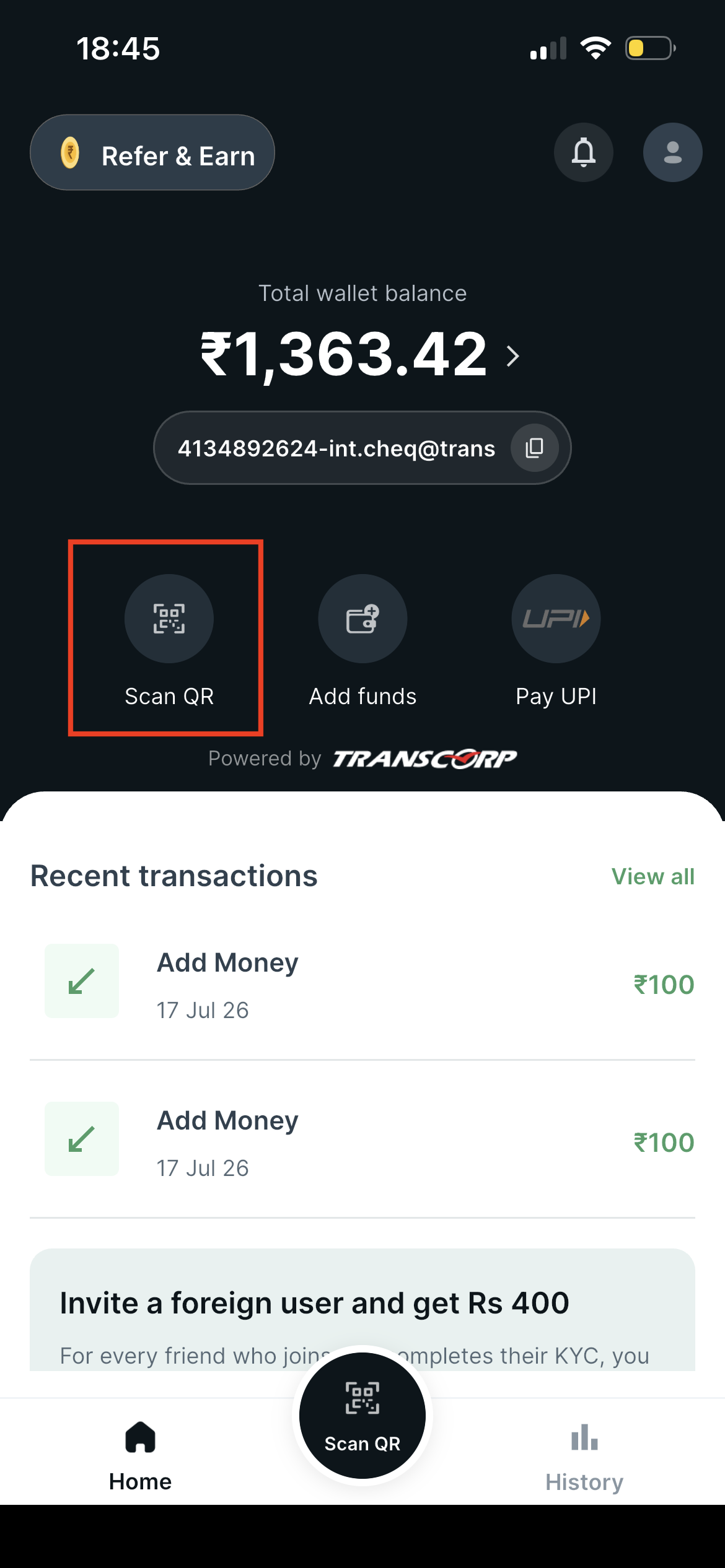
When you pay via UPI, the transaction settles in INR between your UPI wallet and the Indian merchant. There is no currency conversion at the point of payment. The DCC prompt never appears.
This is one of the practical reasons foreign tourists switch to UPI for India trips. Every QR code scan at a shop, restaurant, or auto-rickshaw goes through in rupees with no markup layered on top. You load your wallet once using your Visa or Mastercard and pay a 2.95% + taxes loading fee at that stage. Every payment after that costs 0%.
For a full walkthrough of UPI for foreign tourists, including eligibility and setup, read our UPI payment guide for foreigners in India.
Other hidden forex fees to watch in India
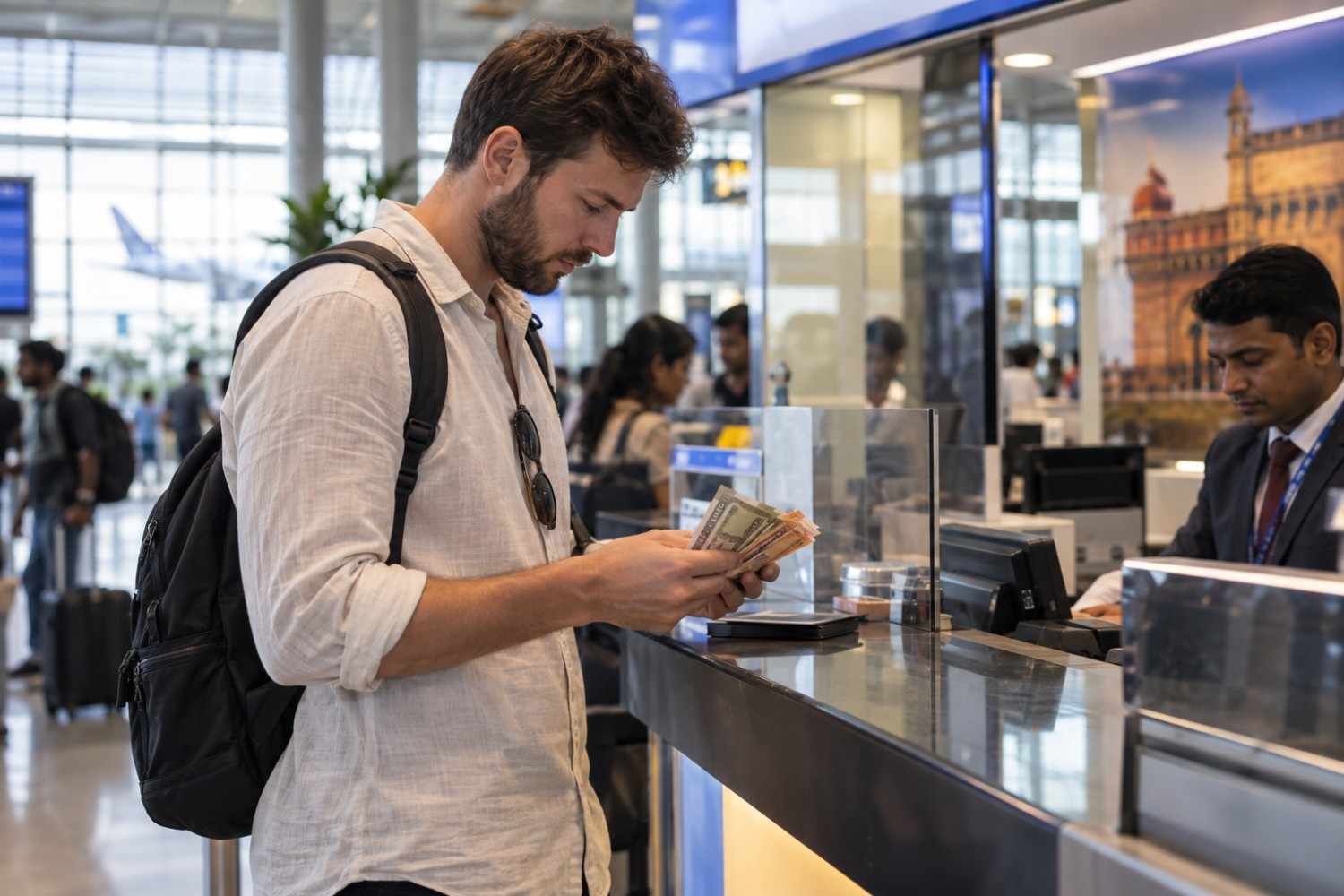
DCC is not the only way to lose money on currency in India. Airport money changers charge an 8 to 9% markup on exchange. That means Rs 10,000 (approx $104) in rupees costs the equivalent of Rs 10,800 to 10,900 (approx $113 to $114) at an airport counter. For most trips, this is the single most expensive way to get rupees.
Indian ATMs from SBI, HDFC, ICICI, and Axis give you the Visa or Mastercard network rate, typically 1 to 2% above the interbank rate. Your home bank adds a fixed fee of Rs 200 to Rs 335 (approx $2 to $4) per withdrawal. It also charges a foreign transaction fee of 1 to 3%. ATMs also cap foreign card withdrawals at Rs 10,000 to 20,000 (approx $104 to $209) per transaction, so multiple withdrawals mean multiple fee hits.
Carry Rs 5,000 to 10,000 (approx $52 to $104) in cash for vendors and transport that do not accept digital payments. Many vendors in India refuse older-series banknotes or soiled and damaged currency, so check the condition of any notes you receive. For more on what cash problems to expect, see our guide on problems with carrying cash in India for foreign visitors.
Conclusion
Every time a terminal shows you your home currency, it is offering to convert the transaction at a rate that benefits the merchant, not you. Saying "INR please" at every ATM and checkout takes two seconds and saves thousands of rupees on a full trip. To skip the DCC risk entirely, a UPI wallet settles every payment in rupees from the moment you load it.
FAQs
1. What is the dynamic currency conversion scam?
DCC is when a merchant or ATM converts your payment to your home currency using their own inflated rate. They earn a commission on the markup, typically 3 to 5%, which you pay on top of existing card fees.
2. Does DCC happen at Indian ATMs?
Yes. Most major Indian bank ATMs offer a home-currency conversion screen before dispensing cash. Always select "proceed in INR" or "continue without conversion" to avoid the fee.
3. Can I refuse DCC at an Indian hotel or restaurant?
Yes. Card network rules from Visa and Mastercard require that DCC be disclosed and that you can decline. Ask for the charge to be reprocessed in INR if the cashier pre-selected your home currency.
4. How much does DCC add to costs in India?
DCC typically adds 3 to 5% per transaction on top of existing card fees. On a two-week trip with regular card use, this can total Rs 8,000 to 12,000 (approx $84 to $125).
5. Is it always better to pay in INR in India?
Yes. Paying in INR lets your card network apply its own rate, which is always closer to the interbank rate than the DCC rate set by the merchant's bank.
6. What phrase should I use to refuse DCC in India?
Say "INR please" or "local currency please" before the cashier turns the terminal toward you. At ATMs, select "proceed without conversion" or "decline conversion."
7. Does DCC apply to UPI payments?
No. UPI payments settle in INR at the merchant. There is no currency conversion at the point of payment, so DCC prompts do not appear.
8. What happens if DCC is applied without my consent in India?
Contact your card issuer and raise a dispute. Merchants are required by card network rules to offer you the choice before applying DCC. Transactions processed without consent breach those rules.
9. Are airport money changers better than DCC in India?
No. Airport money changers in India charge an 8 to 9% markup on exchange, which is worse than most DCC rates. Both are among the most expensive ways to handle currency in India.
10. How do foreign tourists avoid all card fees in India?
Loading a UPI wallet in INR using a Visa or Mastercard consolidates the cost into one loading fee of 2.95% + taxes. Every payment after that costs 0% at the merchant.
“The DCC trap only works if you don't know it's happening. Avoid unnecessary conversion markups by paying in local currency and use CheqUPI to pay seamlessly at 55 million+ UPI merchants across India. Download the CheqUPI app and get your wallet ready before you land.”