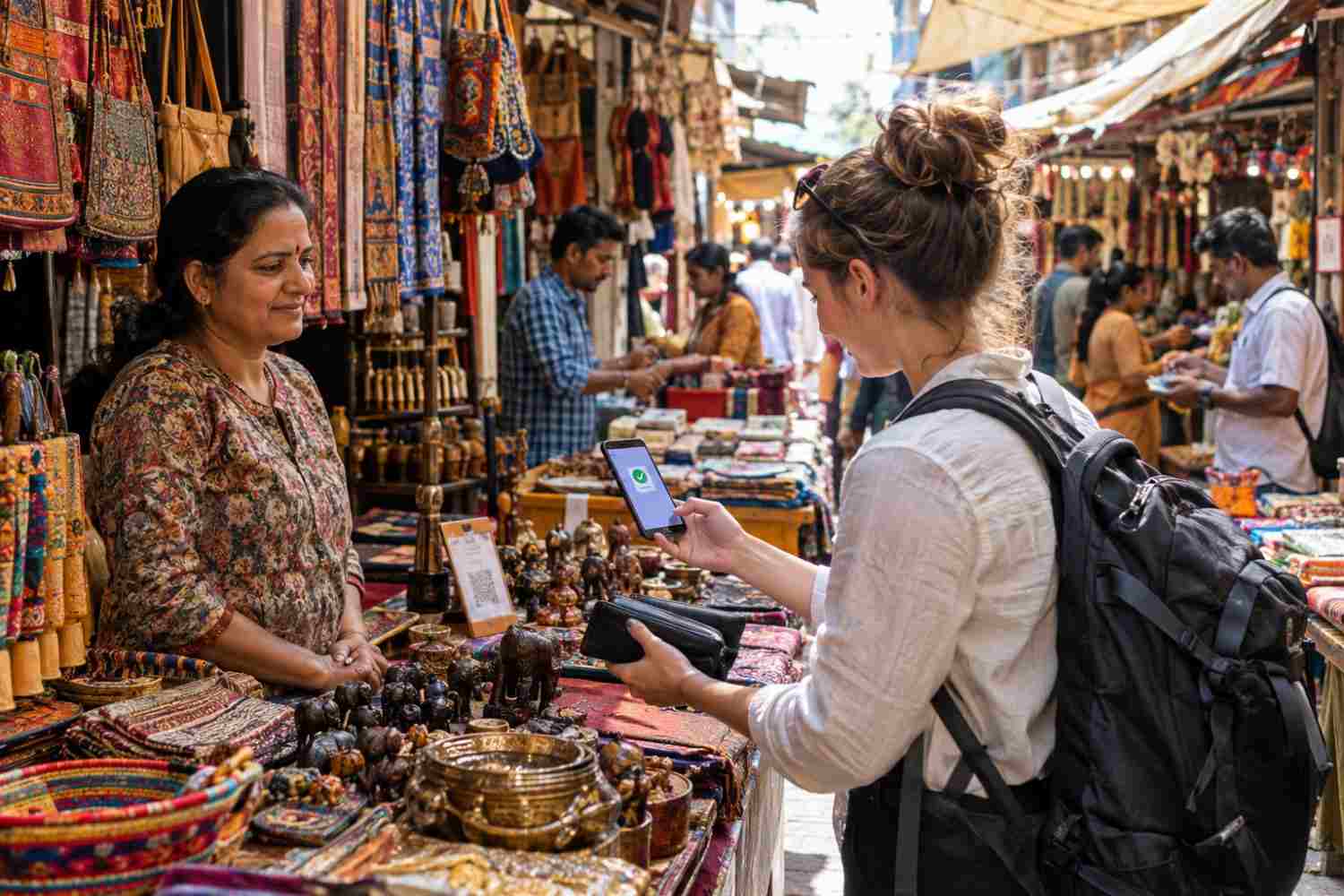
Thousands of foreign tourists walk into India's markets every day and walk out having paid ten times the fair price for a gem that is worth nothing, or having tipped a guide who was never licensed, or having bought silk from a shop they were walked into by a stranger who called himself a friend. None of it happened by accident. Every one of those exchanges followed a script.
The script is not hard to learn. The problem is that most tourists only learn it after it has already worked on them.
Key highlights
- Tourist pricing in popular Indian bazaars can run 5 to 10 times the local rate before bargaining begins.
- The note-switching scam targets foreign tourists paying with large-denomination cash. It does not work on UPI payments.
- The gem and jewellery scam is concentrated in Jaipur, Pushkar, and Udaipur. The resale-for-profit story attached to it is always false.
- The friendly stranger commission scam operates in every major tourist city. The "friend" earns a cut from any shop they walk you into.
- Fake tourist offices clustered near railway stations in Delhi, Agra, and Varanasi sell overpriced packages and fake tickets.
- Paying by UPI removes the cash-handling step from most market transactions and eliminates several common scam mechanisms.
- CheqUPI is free to join for all eligible nationalities, with a loading fee of 2.95% + applicable taxes and 0% merchant payment fee.
The note-switching scam
You buy something at a market stall and hand over a Rs 500 note (approx $5). The vendor takes it, turns away briefly, then shows you a torn or old-series note and says you gave him this one. He hands it back and waits.
You are certain you gave him a clean note. He is equally certain. The disagreement is the scam.
The switch happens when the vendor turns away or folds the note into his palm before showing you the damaged one. It works because the transaction involves physical cash and there is no record of what you actually handed over. Many vendors who run this also keep damaged notes ready as props.
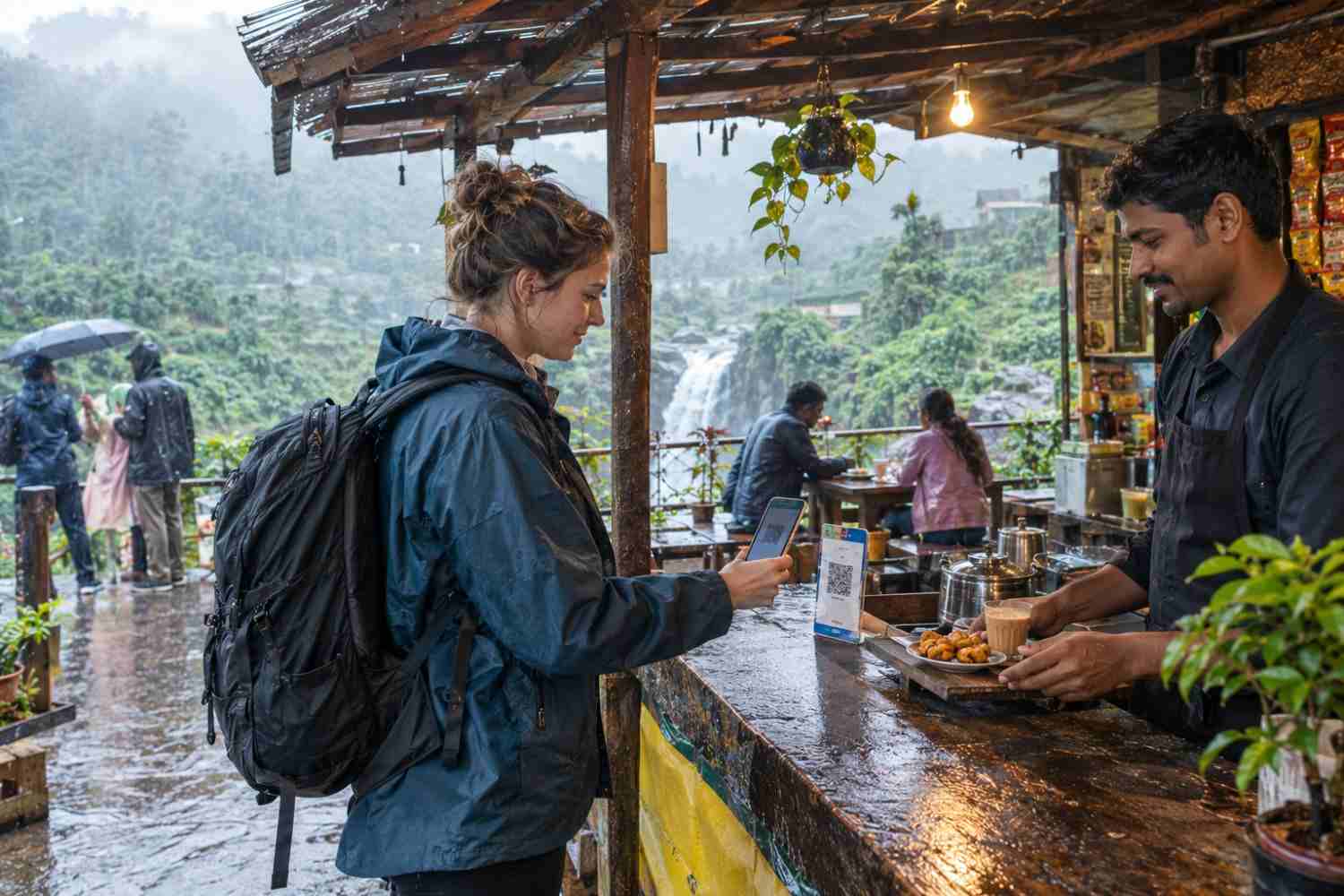
Pay in smaller denominations where possible, and count change before leaving the stall. Better still, pay by UPI where the merchant displays a QR code. No cash changes hands, no note can be switched, and both parties have a transaction record.
Tourist pricing in Indian bazaars
The opening price a foreign tourist receives in most Indian street markets is not a price. It is the start of a negotiation, set high because the vendor expects a tourist to pay more than a local would. In popular bazaars like Jaipur's Bapu Bazaar and Delhi's Chandni Chowk, tourist prices can run 5 to 10 times the local rate.
This is not a scam in the criminal sense. Bargaining is a normal and expected part of market commerce in India. The scam version is when false claims about quality or rarity justify a price no bargaining will bring to a fair level.
Start any market negotiation at 25 to 30% of the first price quoted. Walk away slowly if the vendor does not move. Compare the same item across two or three stalls before committing.
For craft items or textiles, government fixed-price shops like Rajasthan's state emporiums give you a benchmark. Visit one before entering the open market.
The gem and jewellery scam
This is India's most financially damaging market scam for foreign tourists. It is concentrated in Jaipur, Pushkar, and Udaipur. The setup always involves a story: a gem trader, a wholesale contact, a resale opportunity in your home country.
The buyer is told they can resell the stones for two or three times the price at home. The gems are worth a fraction of what is paid. No buyer is waiting in London, New York, or Frankfurt.
The wholesale contact and the friendly stranger are part of the same operation. Certified gemological appraisals in the buyer's home country consistently show the stones to be low-grade or synthetic.
Never buy expensive gems, silver, or gold from a stranger's recommendation. Reputed jewellery stores in India are registered and display their certification. If the deal requires trust in a person you met in the last hour, leave without buying.
The friendly stranger and commission shop

A well-dressed, English-speaking local approaches you near a monument or market. He asks where you are from. He has been to your country, or has family there.
He offers to show you a local market that tourists never find. The conversation is warm and the suggestions feel genuine. The shop he walks you into pays him a commission of 30 to 50% on anything you buy.
Prices inside are inflated to cover that commission. If you buy nothing, the interaction ends abruptly. The "friend" disappears the moment the commercial purpose of the meeting is exhausted.
Enjoy conversations with strangers in India; most are genuine. The sign to notice is any conversation that moves quickly toward a shopping recommendation. Decline politely and visit markets independently.
The fake guide at monuments and markets
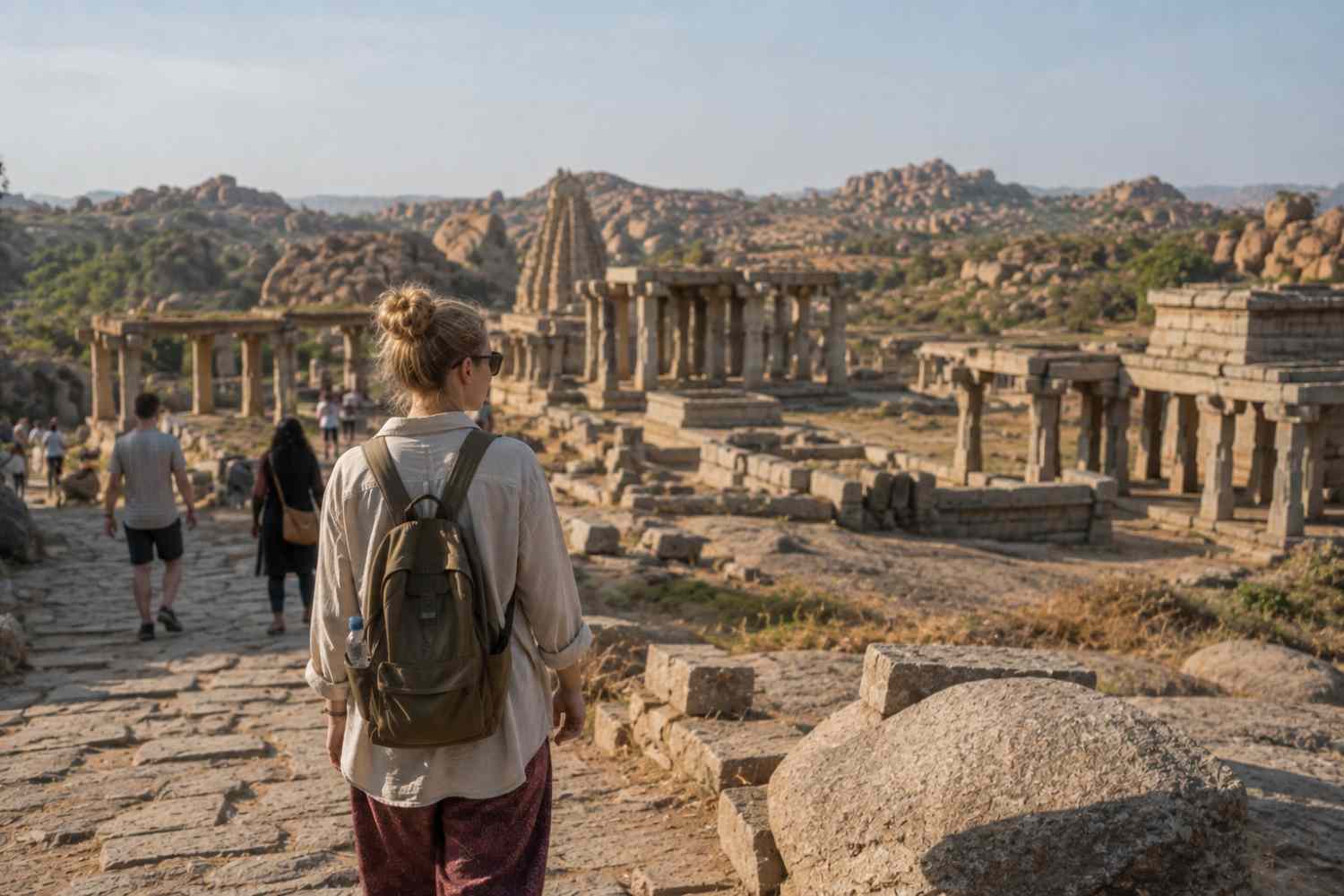
Unlicensed individuals position themselves near the ticket queue or gate at major monuments and offer guided tours. They may carry a printed badge and mention government licensing. They are not licensed guides.
Once inside, the tour leads to affiliated shops. The guide demands a fee at the end that was never discussed at the start. The amount is significantly higher than a licensed guide's stated rate.
Hire guides only from the official desk inside the monument or book in advance through the Archaeological Survey of India. Licensed guides carry government-issued photo ID cards. Agree on the fee in full before beginning any tour.
The closed attraction redirect
A driver or tout tells you a monument is closed today: a government holiday, a religious event, or renovation work. He offers to take you to an alternative. The alternative is always a craft shop, gem showroom, or restaurant where he earns commission.
The monument is almost never closed. This script runs near the Taj Mahal, Qutub Minar, and major forts across Rajasthan. The driver's story changes with the situation but the destination is always commercial.
Verify independently before changing plans. Check the monument's official website or walk past the tout to the entrance yourself. If the gate is locked, the sign outside will say why.
Fake tourist offices near railway stations
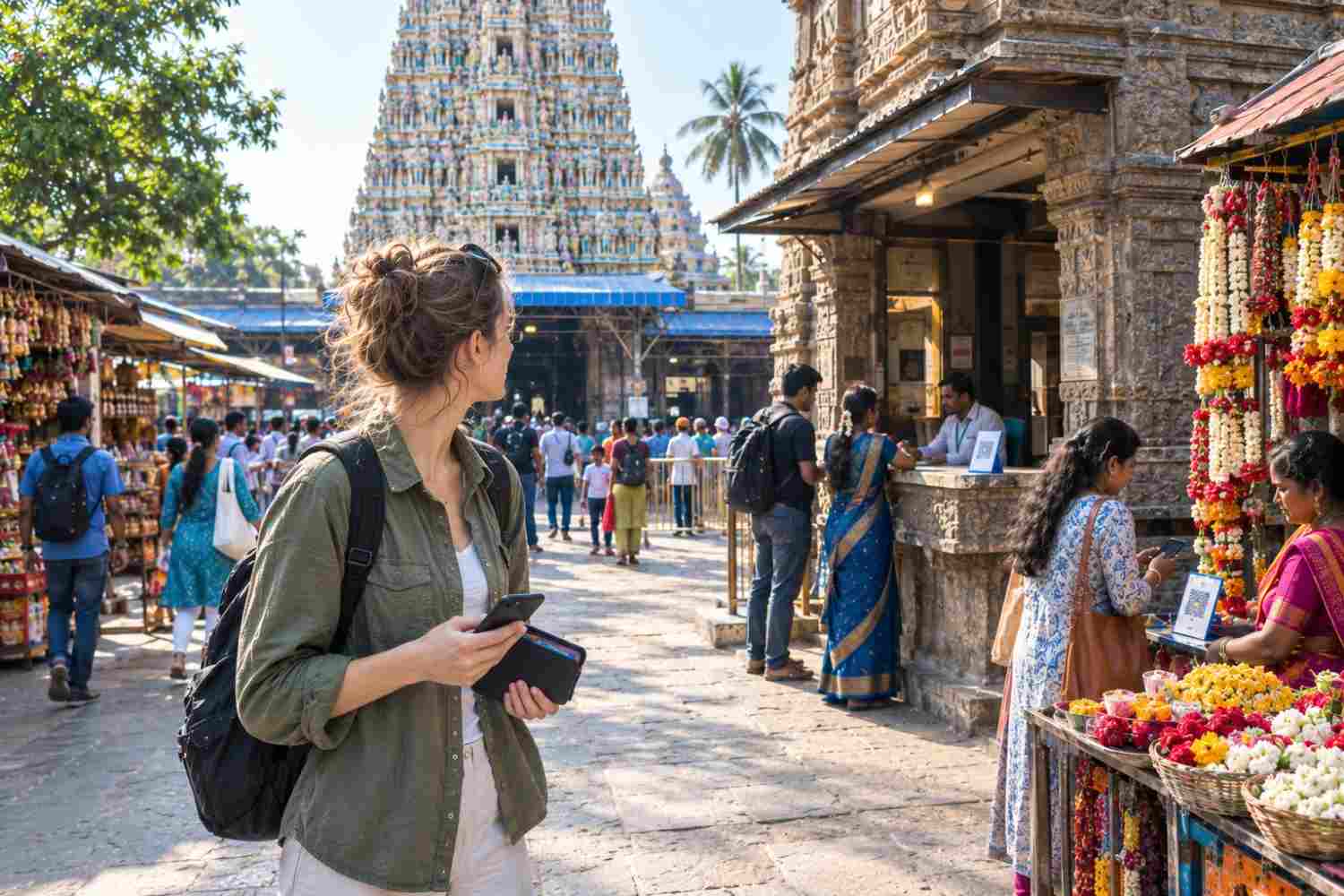
Delhi's Connaught Place, Paharganj, and the area around New Delhi Railway Station host unofficial offices that present as government tourist information centres. Signage references tourism ministry language. Staff wear formal clothing.
They sell overpriced tour packages, inflated train tickets, and unnecessary services framed as compulsory. The Government of India's official tourist offices are listed on incredibleindia.org. Any office not on that list asking for cash payment is not a government office.
Book train tickets only through irctc.co.in or the official IRCTC Rail Connect app. Overseas visitors can register with a passport and pay with an international card. If anyone at a station says your ticket is invalid or offers to take you to a special tourist office, walk away.
How paying digitally cuts your cash-scam exposure
Most of the scams above share one structural feature: they require a cash transaction. Note switching needs physical notes. Commission shops rely on you carrying cash to spend.
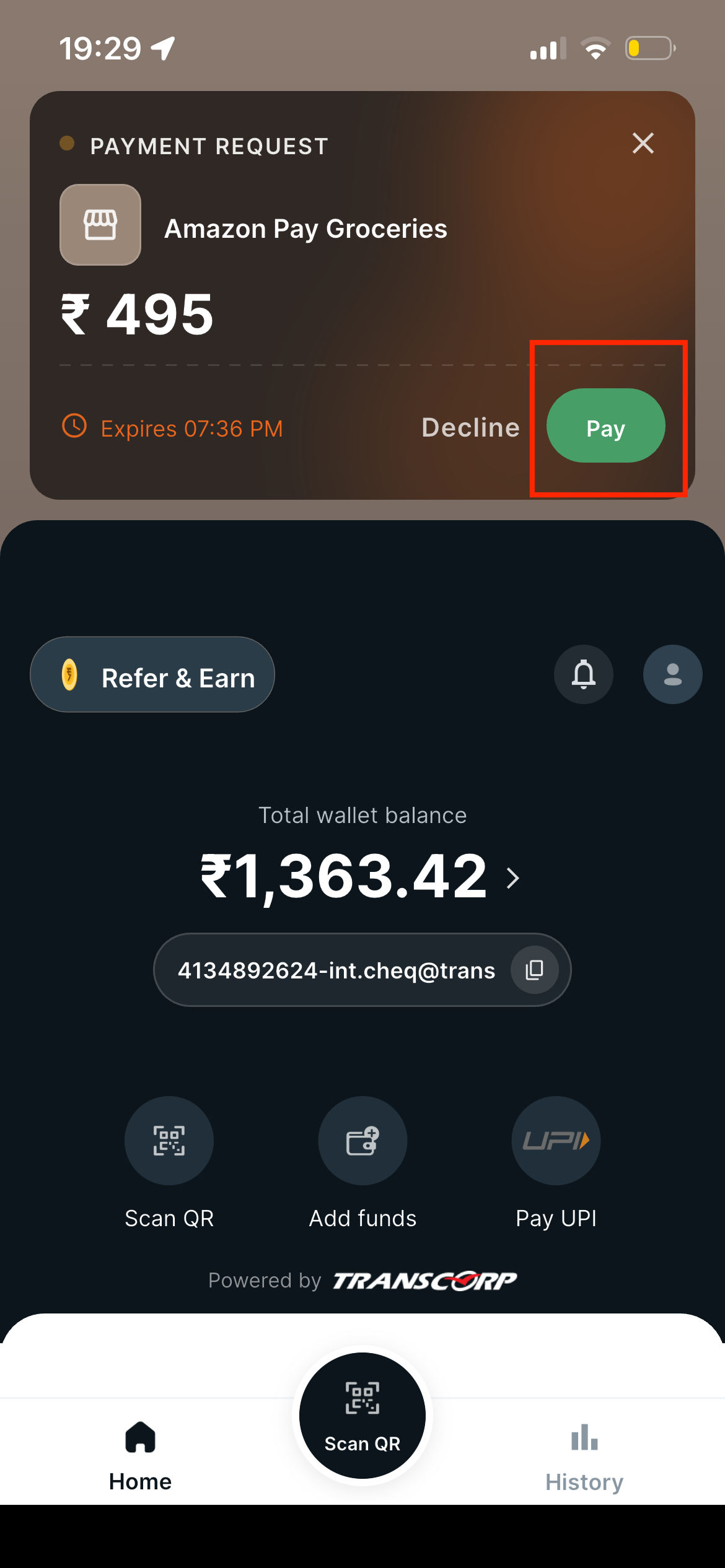
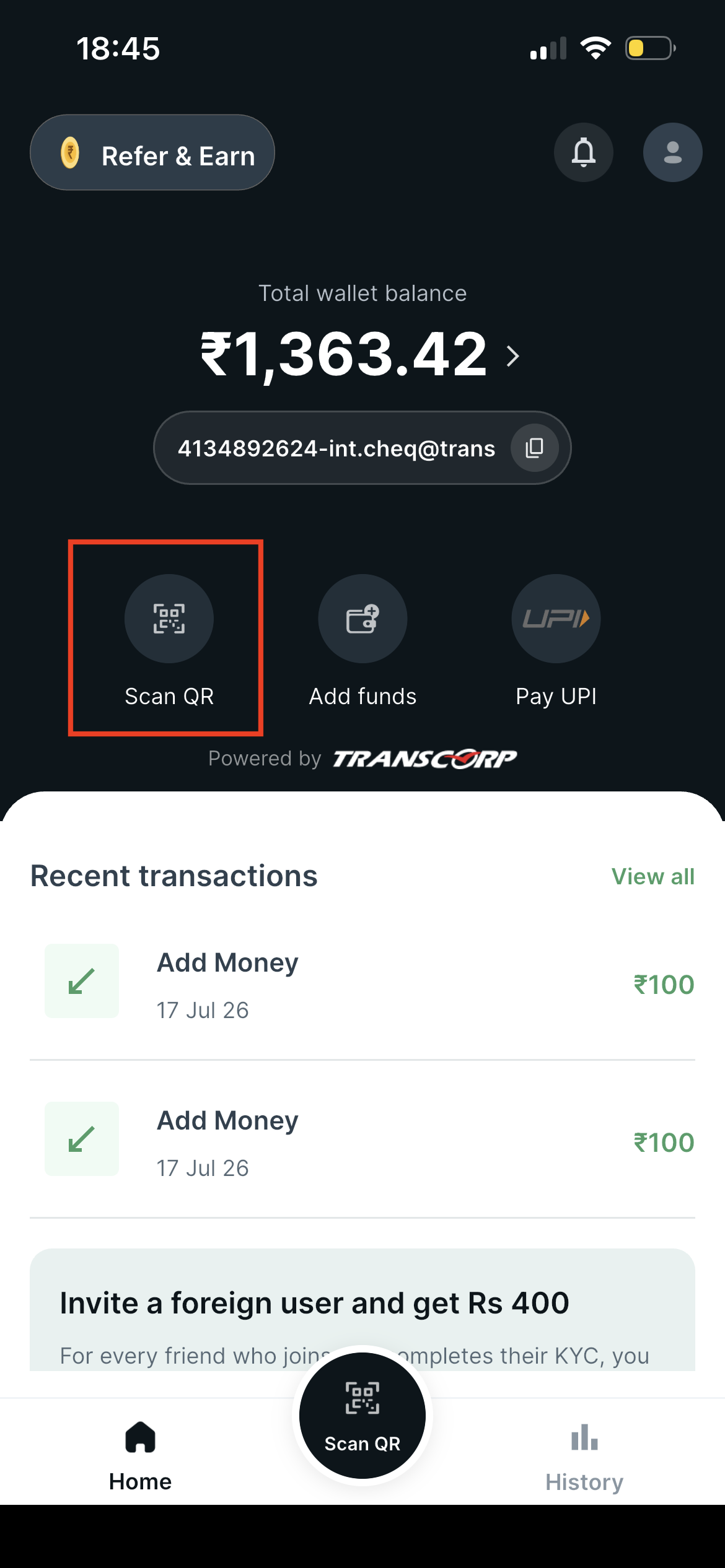
Paying by UPI removes the cash-handling step from every merchant interaction where a QR code is displayed. The transaction amount is confirmed in the app before you approve it. No note changes hands and no change is given.
There is no moment where a note can be switched or a denomination disputed. Carry Rs 5,000 to 10,000 (approx $52 to $104) in cash for transport, stalls without QR codes, or crowded indoor markets where mobile signal might be weak. For a full guide to setting up UPI as a foreign tourist, read our UPI payment guide for foreigners in India.
No Indian bank account or Indian SIM card is needed. An internet connection and location access are required. For more on cash problems in India, read our guide on problems with carrying cash in India for foreign visitors.
For a broader overview of scams beyond the market, read our guide on popular scams foreign tourists need to be aware of in India.
Conclusion
Indian markets are some of the most rewarding places to spend time in the world. The scams that operate inside them follow recognisable patterns and predictable scripts. Knowing the script is enough to step past most of them.
Pay attention when a stranger walks you toward a shop. Verify attraction status before changing plans. Hire only licensed guides and pay by QR code where you can.
The market experience stays; the scam risk does not.
FAQs
What is the most common tourist scam in Indian markets?
Tourist pricing and the friendly stranger commission scam are the most frequent. Vendors quote 5 to 10 times the local rate, and commission-based strangers walk tourists into affiliated shops. Both are avoidable with independent shopping and price comparison.
How does the note-switching scam work in India?
A vendor takes your cash, briefly turns away, then presents a damaged or old-series note claiming it is what you gave them. Paying by UPI removes the cash exchange entirely and eliminates this scam.
Where does the gem scam happen most in India?
Jaipur, Pushkar, and Udaipur are the primary locations. A friendly stranger introduces a gem trader offering wholesale prices and a resale opportunity abroad. The gems are low-grade or synthetic.
How do I bargain in Indian markets?
Start at 25 to 30% of the first price quoted. Walk away slowly if the vendor holds firm. Prices often drop when a buyer moves toward leaving. Compare the same item across multiple stalls before buying.
What are fake tourist offices in India?
Unofficial offices near railway stations in Delhi, Agra, and Varanasi that pose as government tourism centres. They sell overpriced packages and fake tickets. Use incredibleindia.org to find official India Tourism offices.
How do I spot an unlicensed tour guide in India?
Licensed guides carry government-issued photo ID cards and operate from official guide desks inside monuments. Anyone approaching you outside the gate without ASI credentials is unlicensed.
What is the closed attraction scam?
A driver or tout tells you a monument is closed today and offers an alternative. The alternative is always a shop or restaurant that pays them commission. Verify independently by walking to the entrance.
Does paying with UPI protect against market scams?
Yes, for cash-based scams. UPI payments show the amount on screen before you approve, remove physical note exchange, and create a transaction record. Note switching and cash short-changing do not apply.
Can foreign tourists use UPI at Indian markets?
Yes. Many market stalls and shops in Indian bazaars display UPI QR codes. A foreign tourist UPI wallet lets you pay by scanning the code without an Indian bank account.
Is it safe to shop in Indian markets as a foreign tourist?
Yes, with awareness. Most vendors are honest. The scams that exist follow predictable patterns. Independent shopping, price comparison, and digital payments remove most of the risk.
“Most market scams in India need cash to work. CheqUPI removes that dependency at every stall with a QR code.Download the CheqUPI app and start your registration before you fly.”