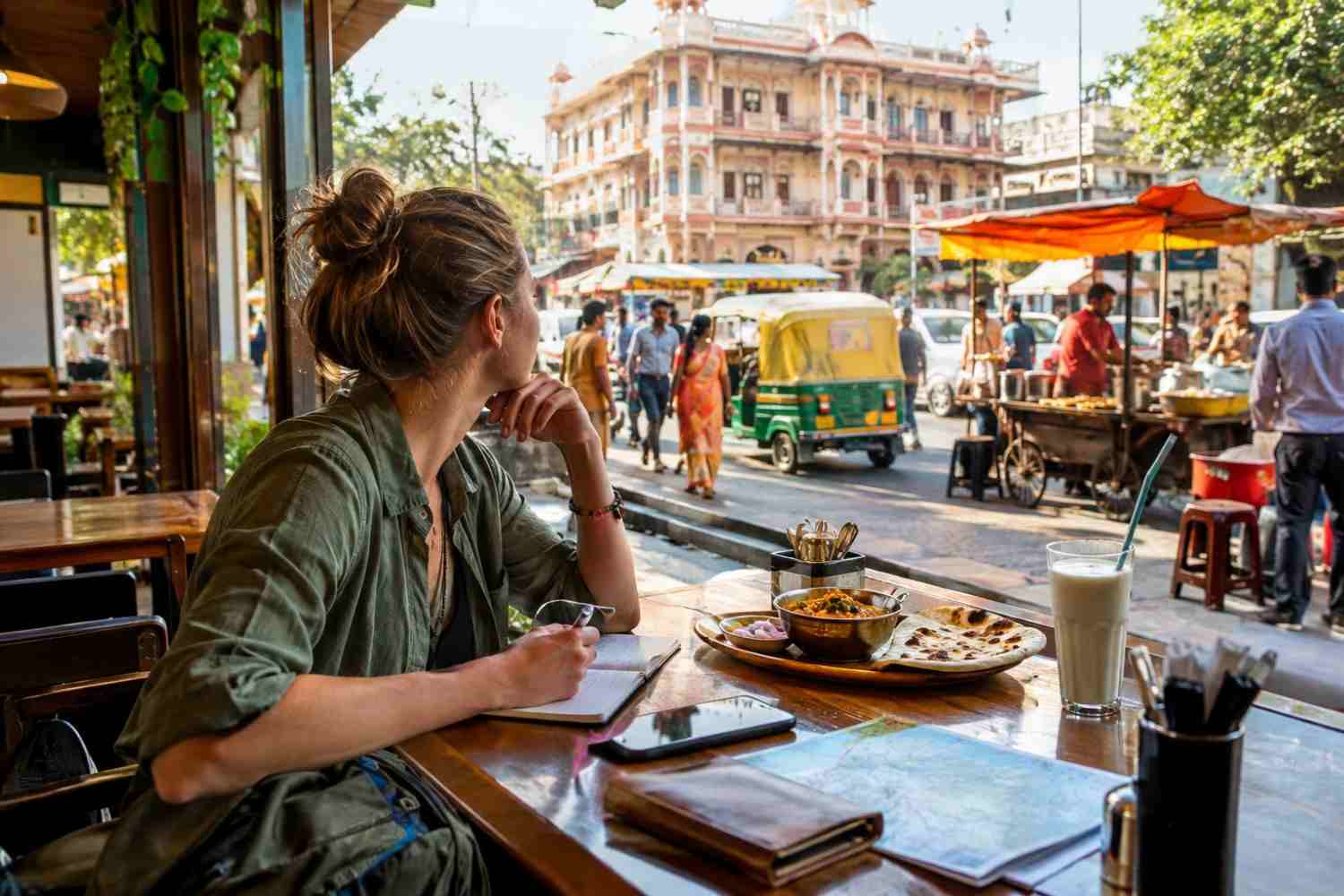
India can be surprisingly affordable for tourists, but your daily spending can shift pretty quickly depending on where you're staying, what you're eating, and how you get around. A local meal might cost a few hundred rupees, while a night at a luxury heritage hotel can run into several thousand.
So how much money do you really need for India in 2026? Whether it's budget stays and street food or comfortable hotels, transport, sightseeing, and day-to-day payments, here's a realistic picture of what to expect.
Key highlights
- If you're traveling on a budget, plan on spending somewhere around Rs 1,200 - Rs 3,500 (about $13-37) a day.
- Want a bit more comfort? Mid-range travel usually lands around Rs 3,000 - Rs 5,000 (about $31-52) a day.
- Going luxury will often push your budget past Rs 6,000 (about $63) a day.
- For everyday cash, it's advisable to carry around Rs 5,000-10,000 (about $52-104).
- CheqUPI is free to join for all eligible nationalities, with a loading fee of 2.95% + applicable taxes and 0% merchant payment fee.
- Keep in mind costs shift quite a bit depending on the city, with the big metros running noticeably higher than smaller towns.
Daily budget tiers for India in 2026
Most travelers fall into one of three spending tiers, and knowing yours early makes planning far easier. Each tier reflects a different balance of comfort and cost.
| Travel style | Daily cost | Approx USD |
| Budget | Rs 1,200-3,500 | $13-37 |
| Mid-range | Rs 3,000-5,000 | $31-52 |
| Luxury | Rs 6,000+ | $63+ |
These figures typically exclude international flights, visa fees, and travel insurance. Build those into your total trip cost separately before finalizing a budget.
Where your money actually goes
Accommodation is usually the single biggest variable in any India trip budget. Hostel dorms and guesthouses sit at the low end, while boutique and heritage properties push costs sharply higher.
Food stays remarkably affordable across every tier. Street food and local restaurants rarely exceed a few hundred rupees per meal, even in major cities.
Transport and entry fees round out the daily spend. Trains and buses cost far less than private cars, and most monument entry fees stay under Rs 500 (approx $5).
Cash vs digital payments while traveling
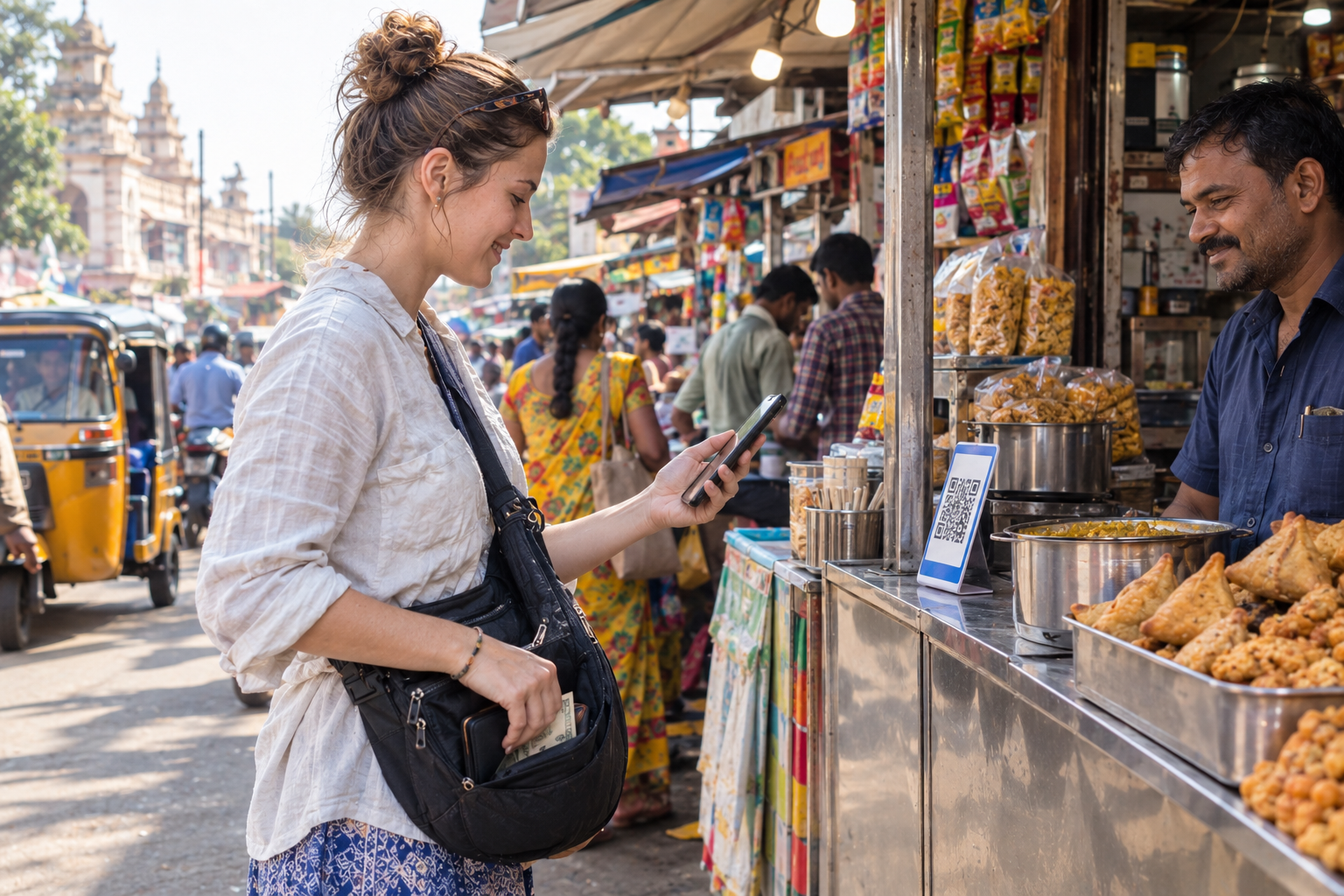
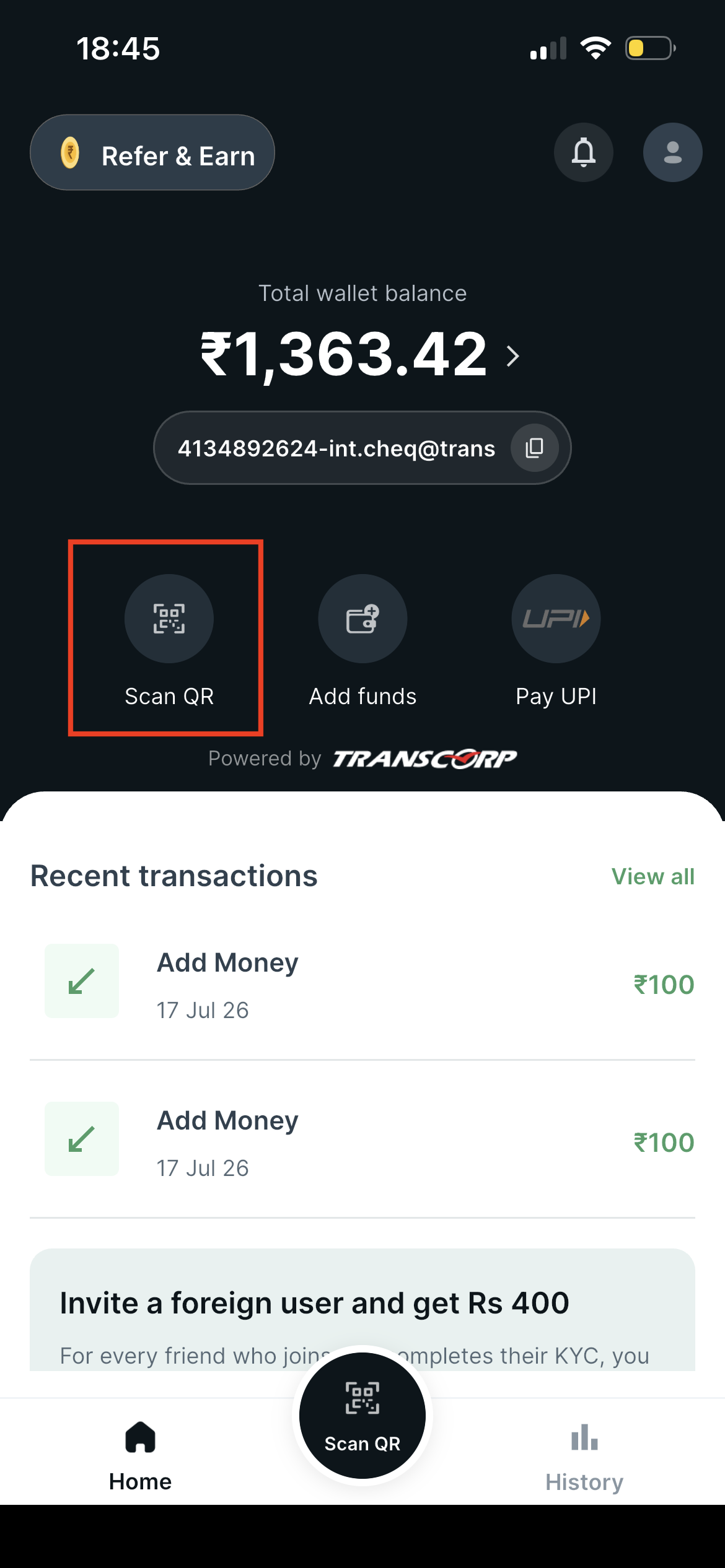
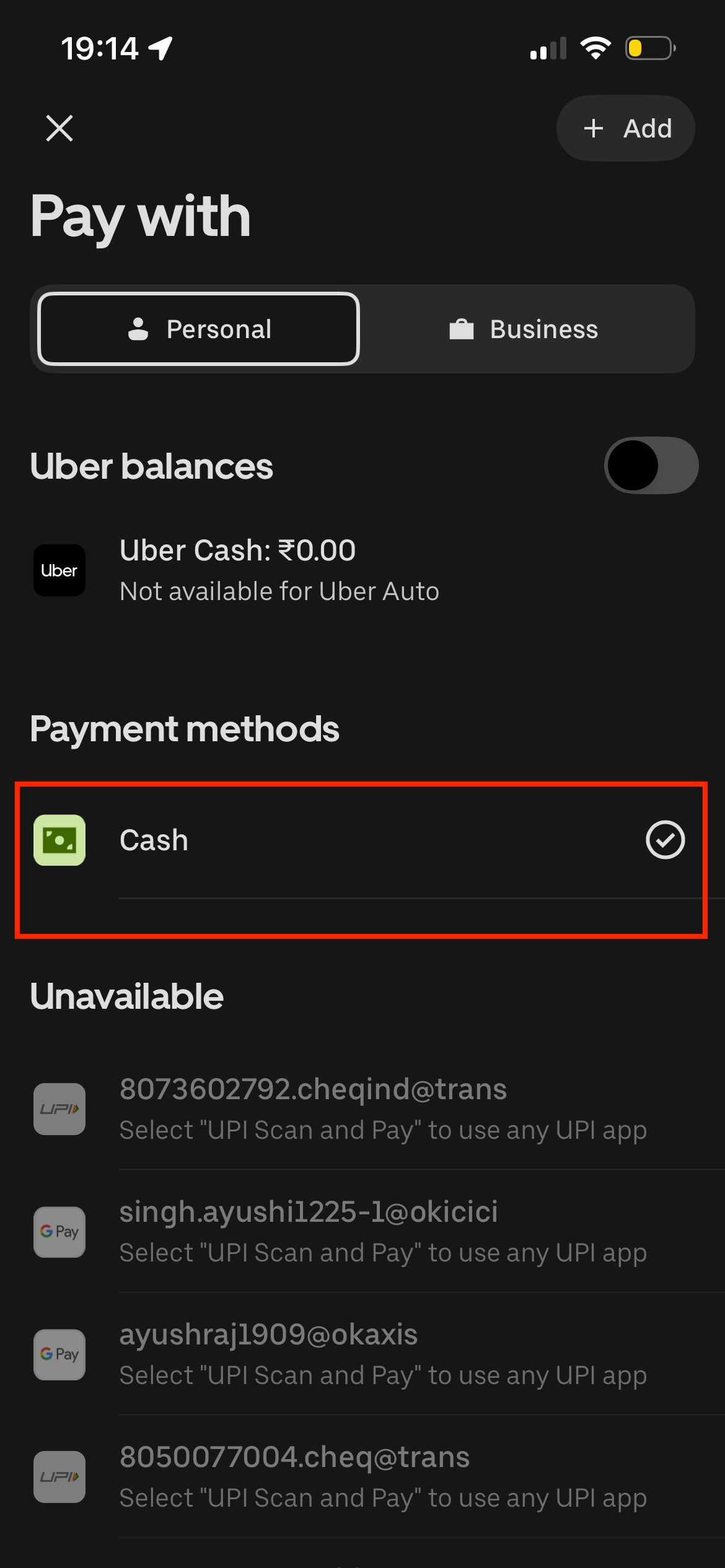
Cash is still widely used in India, but it is no longer the default for most transactions. UPI QR codes now dominate payments at restaurants, shops, and even smaller vendors in tourist areas.
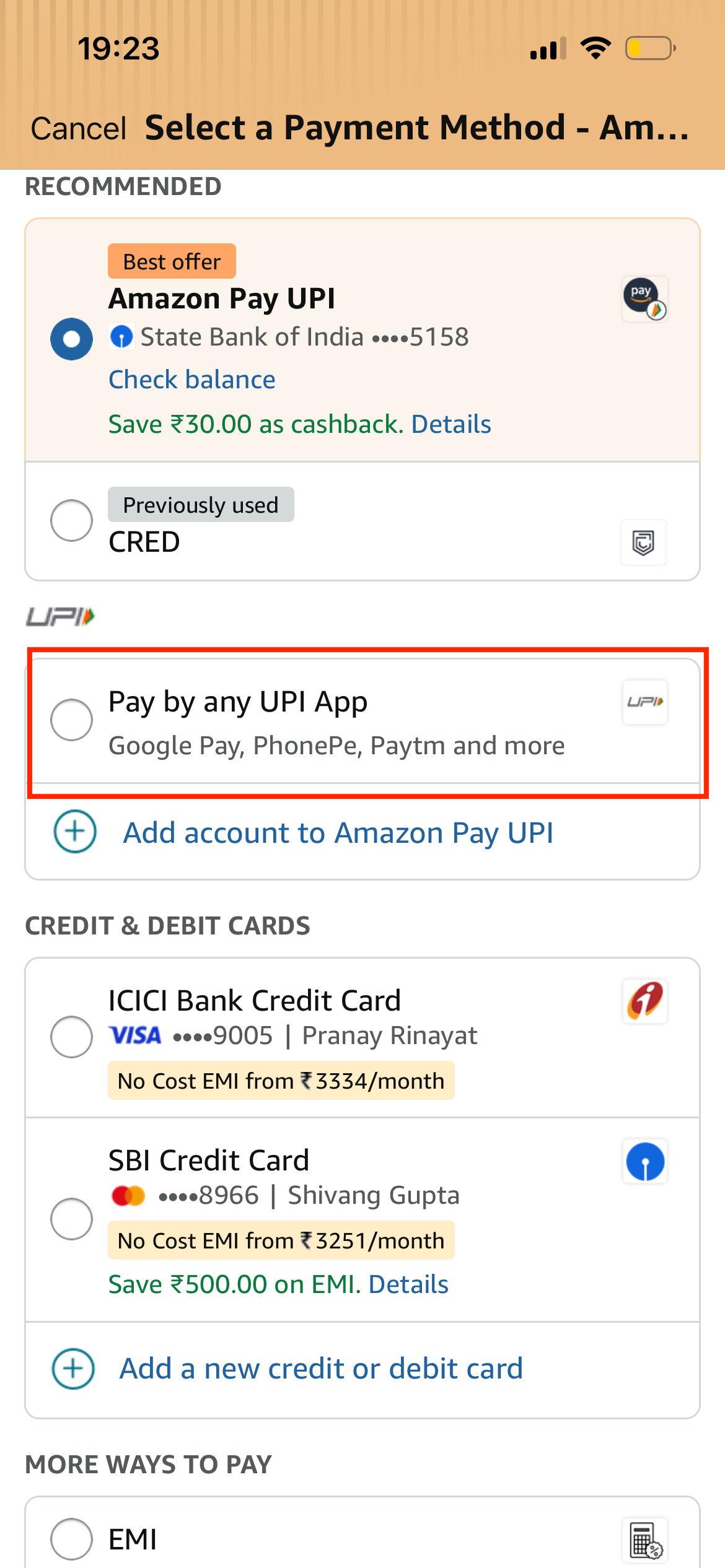
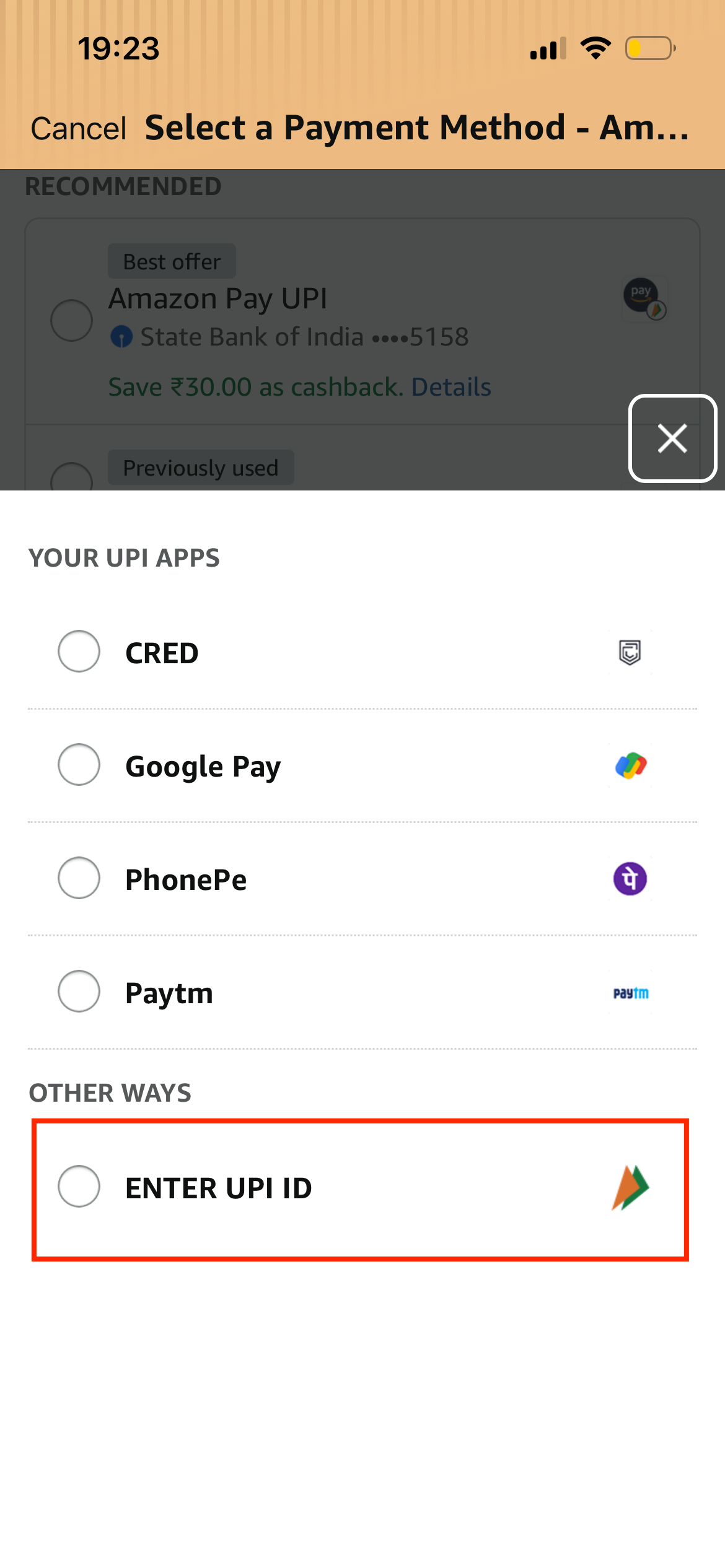
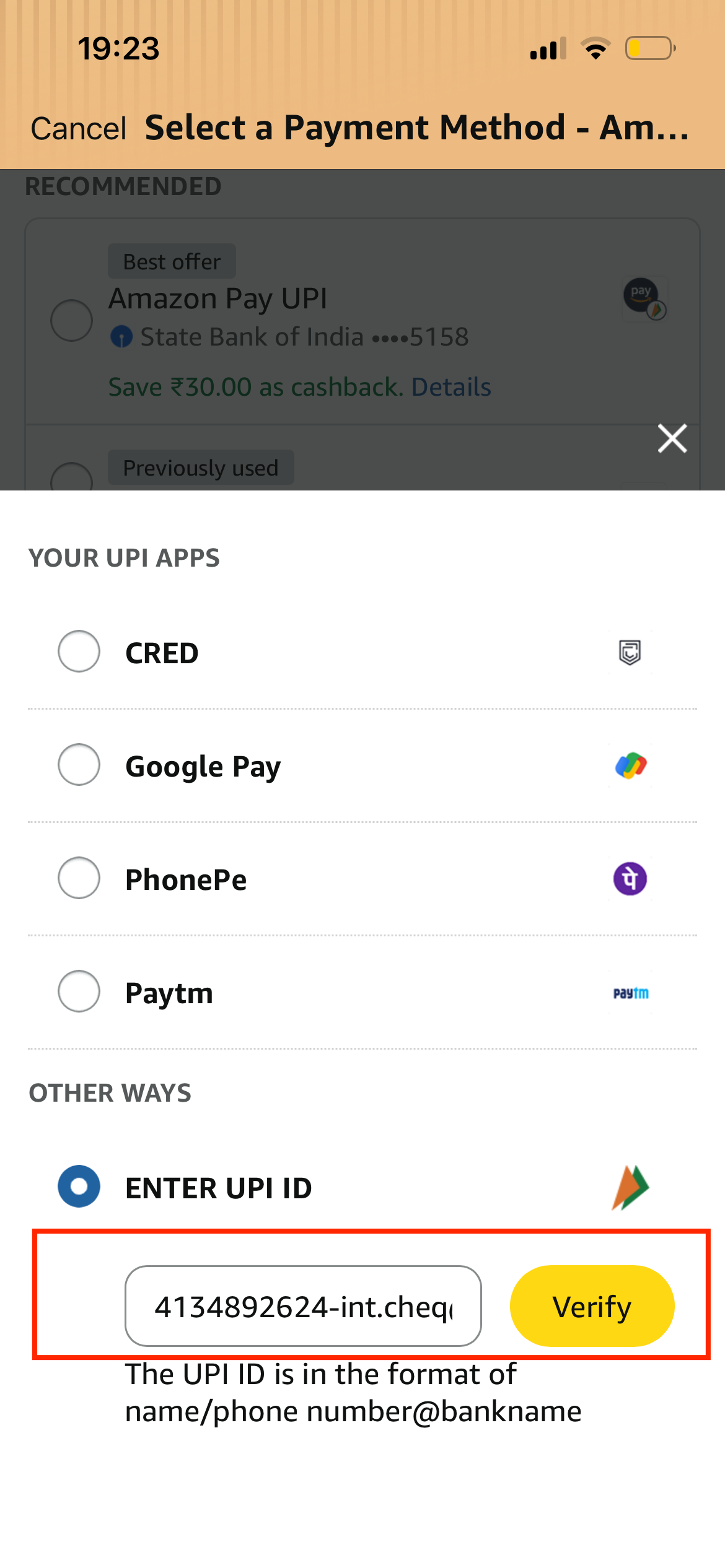
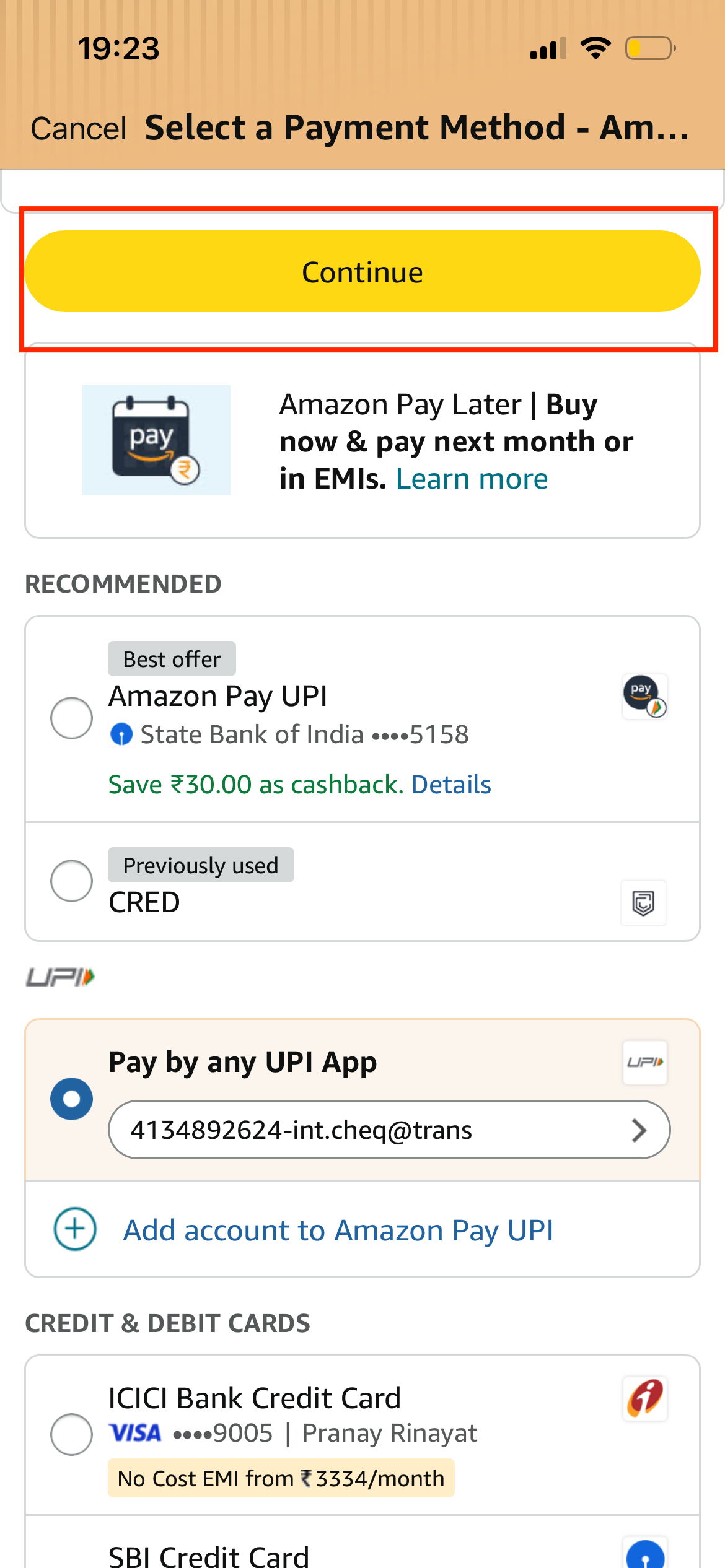
Foreign tourists can access UPI directly through a wallet like CheqUPI, without needing an Indian bank account or SIM. This guide on how UPI payments work for tourists walks you through the full setup.
Relying mainly on a digital wallet, with a smaller cash reserve as backup, tends to be the most practical approach for most trips.
How much cash to carry day to day
A good rule of thumb is to keep Rs 5,000 to 10,000 (approx $52 to $104) on hand for everyday use. That should cover small vendors, tips, and the odd situation where digital payments just aren't an option.
ATMs aren't hard to find in cities, but if you're withdrawing on a foreign card, be mindful of the extra fees and lower withdrawal limits. This overview of common ATM issues foreign tourists face is worth a read before you count on withdrawing cash from your card.
Your best bet is to keep most of your money digital and treat cash as a backup rather than your main method. It’s convenient and gives you a safer option when digital payments aren’t available.
Regional cost differences worth planning around
Where you travel in India makes a real difference to your budget. Big metros like Delhi and Mumbai tend to cost more for both accommodation and food compared to smaller towns.
Tier-2 cities and rural areas usually give you more for your money without sacrificing comfort. Mixing both into your itinerary is a smart way to make a fixed budget go further.
And if you're traveling during peak season, roughly December through February, expect higher prices for accommodation and flight tickets.
Staying within budget without getting scammed
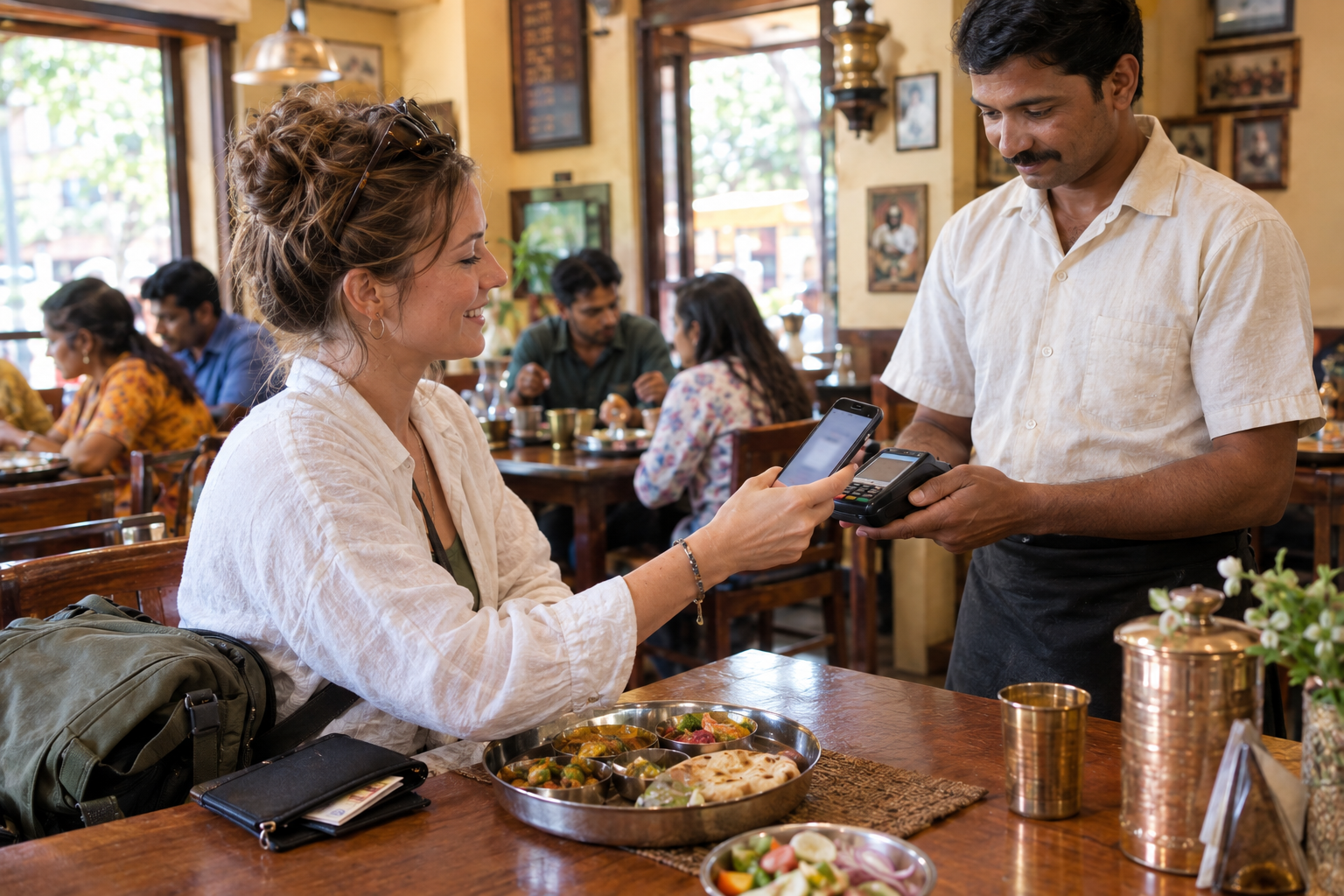
Overcharging and minor scams are more likely to eat into a budget than any single big expense. Staying alert in tourist-heavy areas helps protect what you've planned to spend.
This guide on common scams tourists should watch for covers the situations worth extra caution.
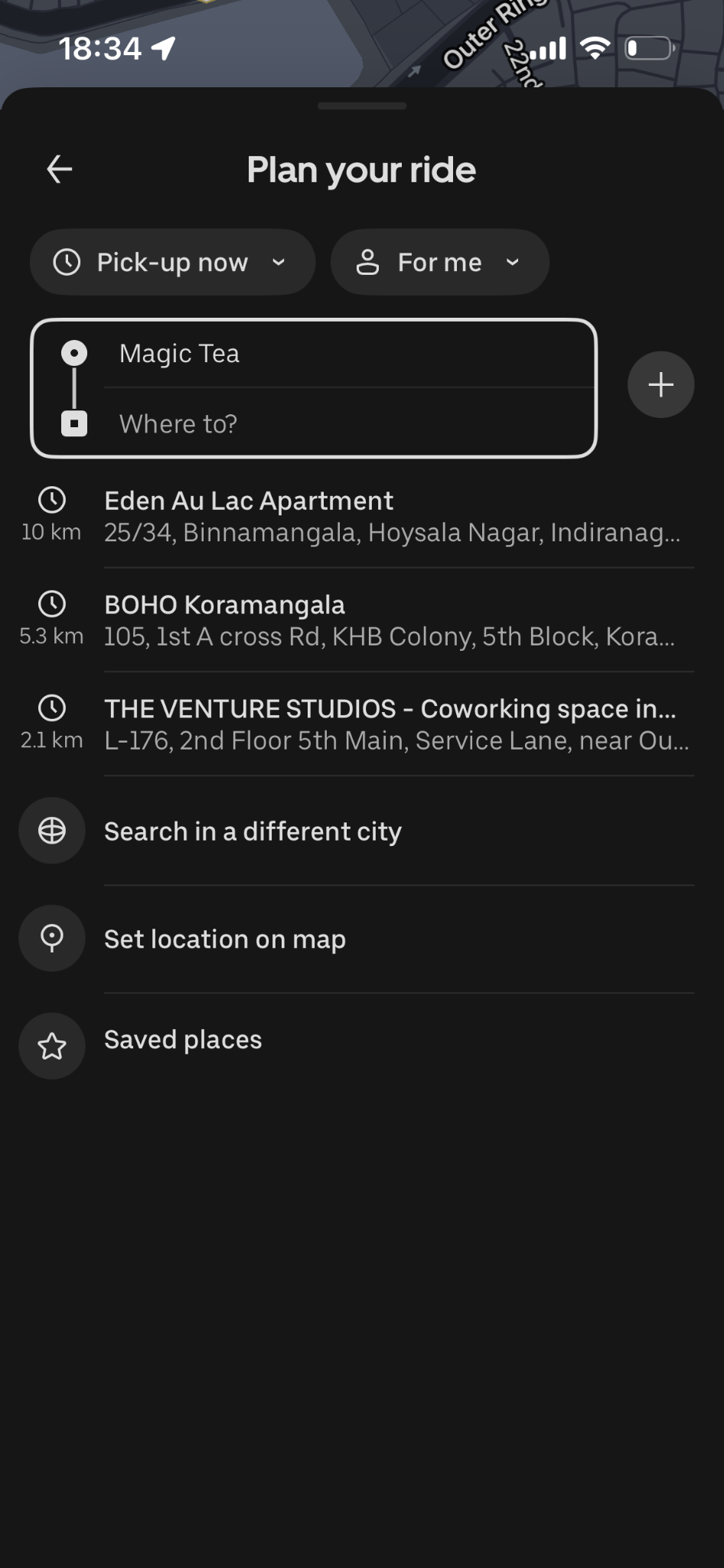
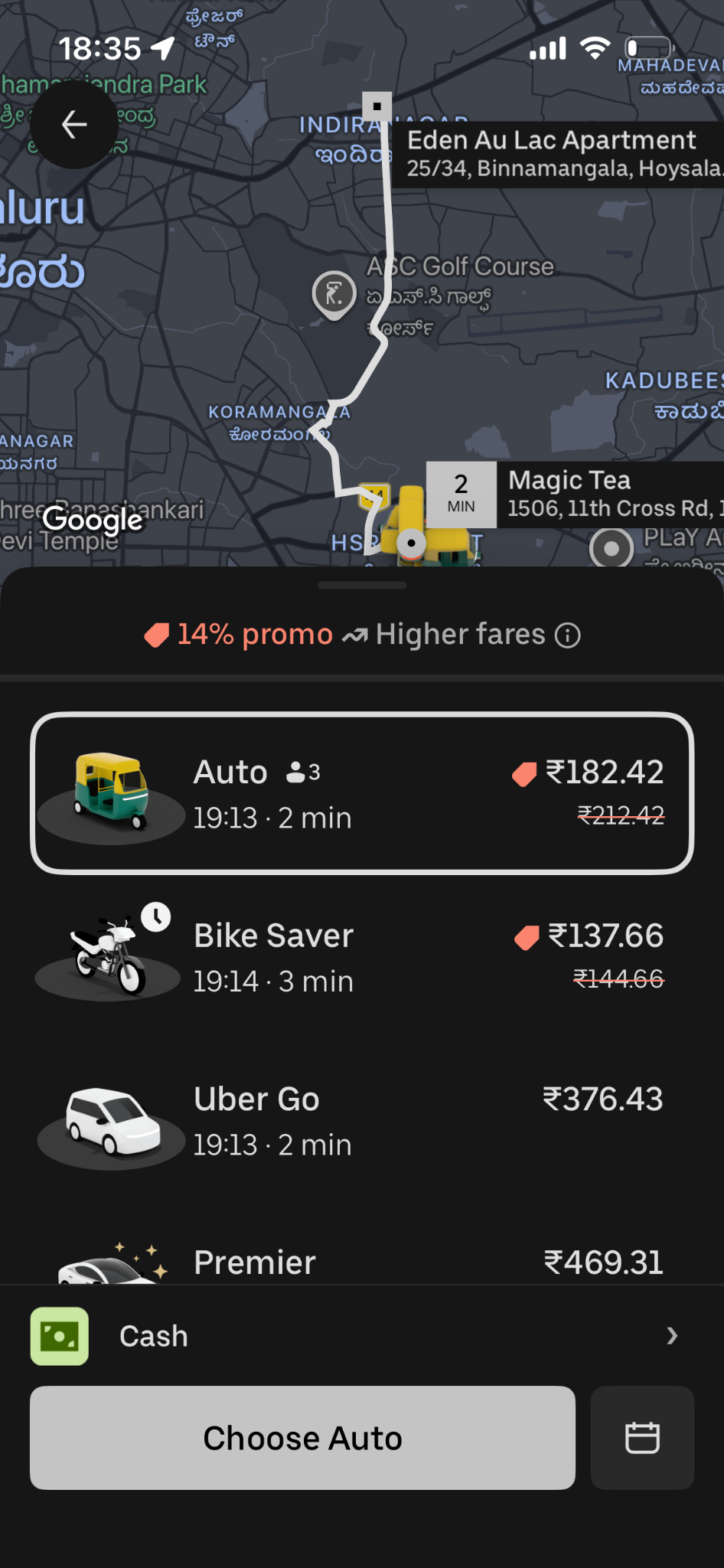
Sticking to metered or app-based transport, and confirming prices before agreeing to a service, keeps small costs from adding up unexpectedly.
Conclusion
India remains genuinely affordable across every travel style, from shoestring backpacking to full luxury. Knowing your tier in advance, and pairing it with a mostly digital payment setup, keeps the trip predictable. The biggest budget risk usually comes from surprises, not the baseline costs themselves.
FAQs
1. What's a realistic daily budget for India?
Budget travelers usually spend somewhere around Rs 1,200-3,500 (about $13-37) a day, though it really depends on which city you're in and how you like to travel.
2. Is India cheaper than Southeast Asia?
For the most part, yes. India tends to work out about the same or a little cheaper than most Southeast Asian spots if you're after similar comfort.
3. How much should I budget for a 2-week trip?
If you're traveling mid-range, expect to spend around Rs 42,000-70,000 (about $438-731) in total, and that's not counting flights or visa costs.
4. Do prices vary significantly by city?
Yes, they definitely do. Big cities like Delhi and Mumbai will cost you noticeably more than smaller towns or tier-2 cities.
5. How much cash should I carry daily?
Somewhere between Rs 5,000 and 10,000 (about $52-104) is a good amount to carry for everyday situations.
6. Are cards widely accepted across India?
Not really at smaller places. UPI QR codes get used far more often than cards, especially outside big hotels and chains.
7. Is UPI available to foreign tourists?
Yes, you can get access through RBI-licensed wallets like CheqUPI, and you won't need an Indian bank account to do it.
8. What's typically excluded from daily budget figures?
Daily budget numbers usually leave out international flights, visa fees, and travel insurance, so it's worth adding those in separately when you're planning your total spend.
9. How much should I budget for tipping?
For drivers, guides, and hotel staff, tipping around Rs 50-100 (roughly $1) is a common and appreciated amount.
10. Does travel season affect overall cost?
Yes, it does. If you're traveling during peak season, December through February, expect accommodation and flights to cost more.
"Download CheqUPI and make everyday spending easier to manage on your India trip. Pay digitally for meals, transport, shopping, and local experiences while keeping cash as a backup."