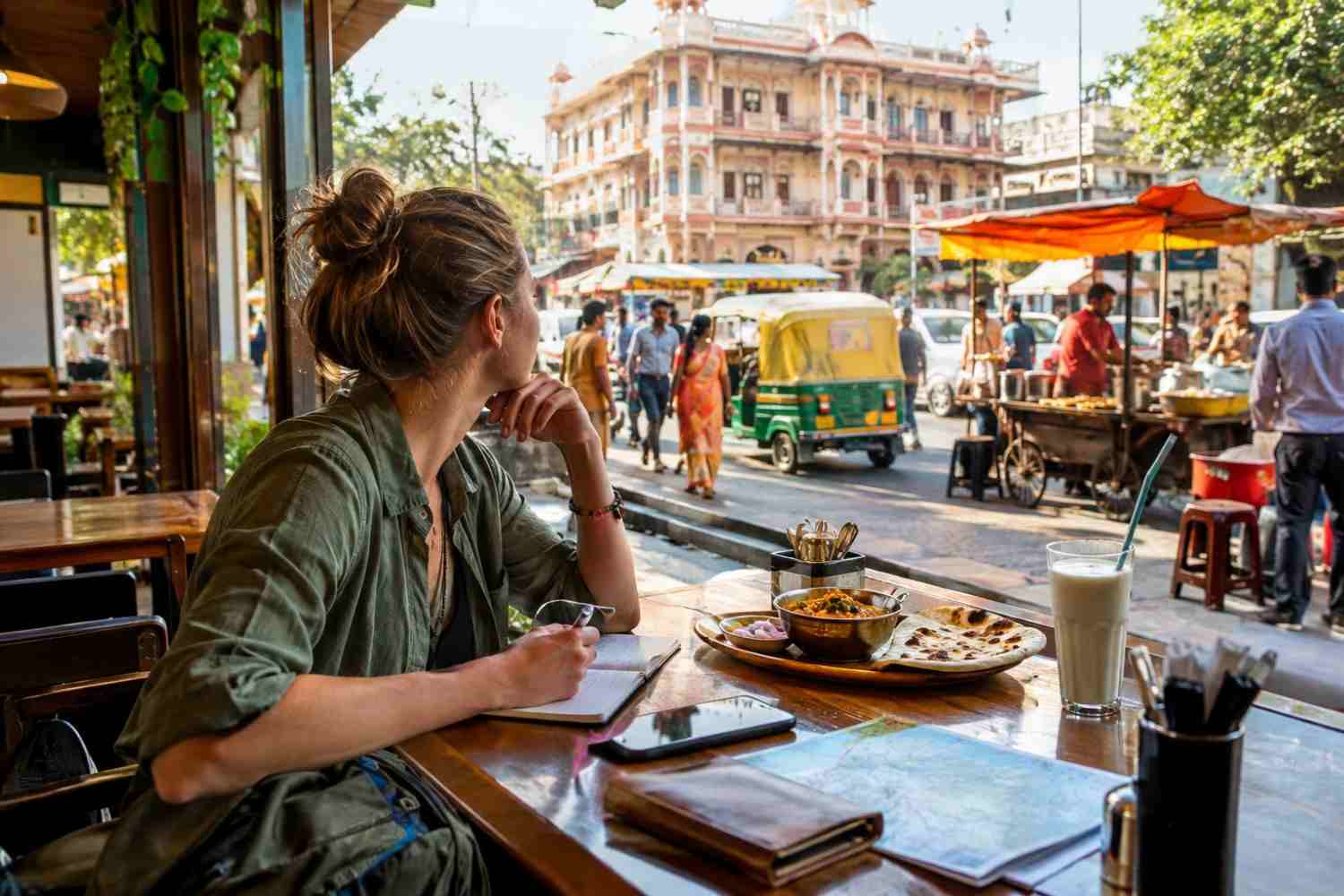
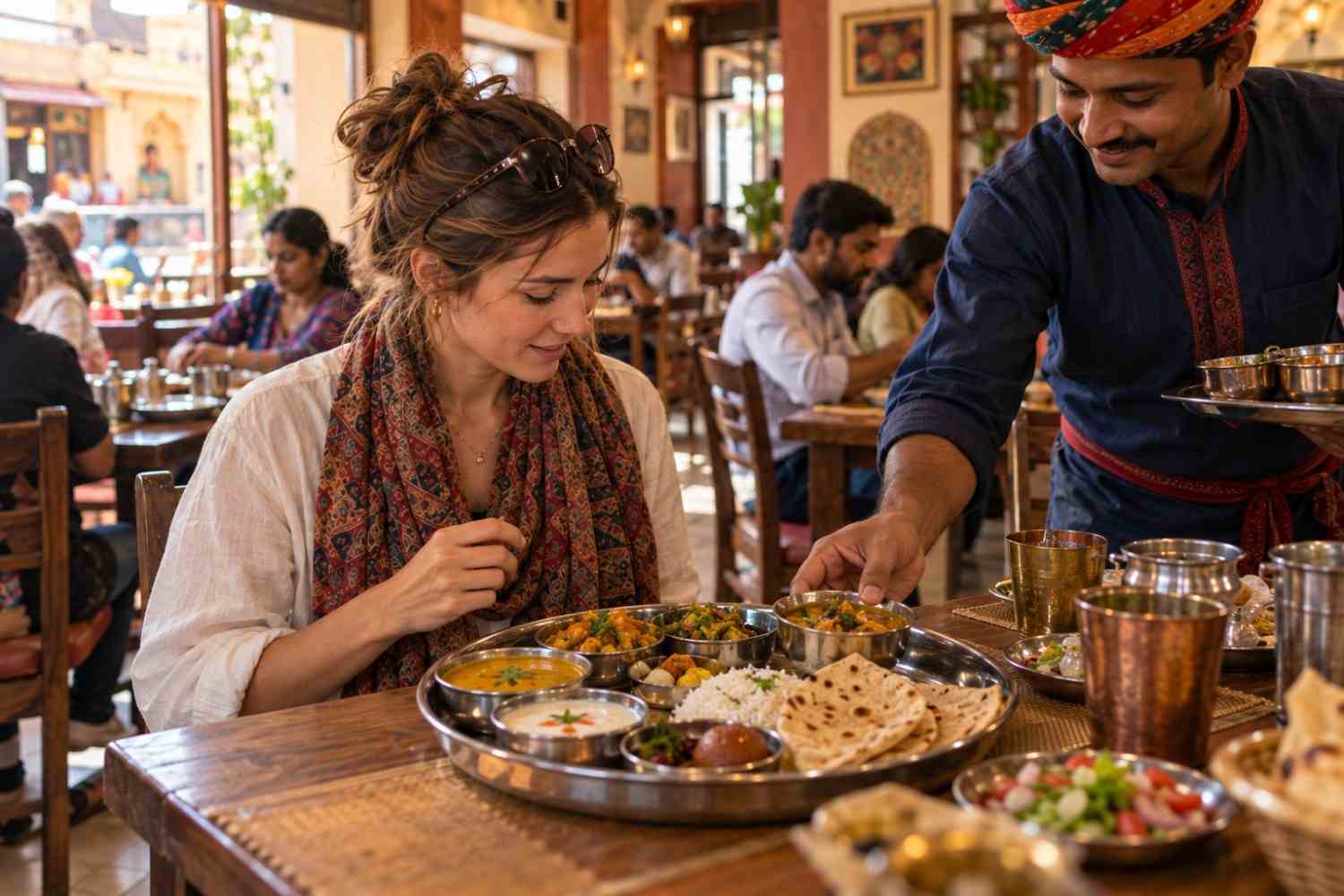
A thali is one of the easiest ways to experience the incredible variety of Indian food in a single meal. One plate can bring together dal, vegetables, rice, bread, curd, pickles, and sweets, with every region adding its own flavors. From rich Rajasthani spreads to banana-leaf meals in Kerala, every thali tells a different food story.
For tourists, the generous portions, unfamiliar dishes, refills, and local dining customs can be a little confusing at first. Knowing what to expect, what it costs, and how to pay makes your first thali experience much easier.
Key highlights
- A thali is a multi-course meal served on one plate, common across every Indian region.
- Regional thalis vary widely: Punjabi thalis lean rich and buttery; South Indian thalis lean light and rice-based.
- Dhaba thalis often cost Rs 100 to 250 (approx $1 to $3), while upscale restaurant thalis can reach Rs 600 to 900 (approx $6 to $9).
- Most small thali joints still run on cash, but UPI-based digital payments are increasingly accepted.
- CheqUPI is free to join for all eligible nationalities, with a loading fee of 2.95% + applicable taxes and 0% merchant payment fee.
- Refills are usually free at traditional thali restaurants, so you can start with small portions and go back for more.
What exactly is a thali
A thali is a single plate holding several small dishes served together as one meal. The word simply means "plate" in Hindi. Every region interprets it differently, using local staples and spice profiles.
Thalis typically include a starch, a lentil dish, one or two vegetable curries, a yogurt-based side, and something sweet. Bread or rice forms the base, depending on the region. The format makes it an easy way to sample several flavors in a single sitting.
The five regional thali styles worth knowing
India's thali culture shifts dramatically from north to south. Knowing the basics helps you choose intentionally rather than randomly. For a deeper look at the country's food culture, this guide to India's most-loved regional dishes is a useful companion.
Punjabi thali: Rich, buttery, and generous. Expect dal makhani, paneer curry, and fresh naan. A glass of lassi usually rounds it off.
Rajasthani thali: A royal-feeling spread built around dal baati, churma, and gatte ki sabzi. The sweet ghewar is a highlight worth saving room for.
Gujarati thali: A balance of sweet, tangy, and spicy flavors. Dishes like undhiyu and khandvi appear alongside soft rotis called thepla.
South Indian thali: Lighter and rice-centered, often served on a banana leaf. Sambar, rasam, and curd rice are staples.
Kerala sadhya: A festive spread that can include over 20 items, from avial to payasam. It's traditionally tied to the Onam festival but is available year-round at many restaurants.
What a thali actually costs
Prices differ widely based on where you eat. A roadside dhaba charges far less than an air-conditioned restaurant in a tourist district. Knowing the range helps you budget realistically for the trip.
| Venue type | Typical thali price | Approx USD |
| Roadside dhaba | Rs 100-250 | $1-$3 |
| Mid-range local restaurant | Rs 250-450 | $3-$5 |
| Tourist-district eatery | Rs 400-600 | $4-$6 |
| Upscale/heritage restaurant | Rs 600-900 | $6-$9 |
Portion sizes are large across every tier, and most places refill rice, dal, and bread at no extra cost. A single thali is often enough for one person to eat well without ordering anything else.
How to order and eat a thali like a local
Ordering a thali is simple. You typically just say "one thali" and the rest follows automatically, with bowls arriving in sequence.
Eating is traditionally done with the right hand only. The left hand stays reserved for your drinking glass or serving spoons, following local custom. Mixing rice with curry using your fingers is normal and expected, not a breach of etiquette.
Spice levels vary by region and by kitchen. If you prefer milder food, ask before ordering, since thalis are rarely customized once served.
Paying for your thali without carrying cash
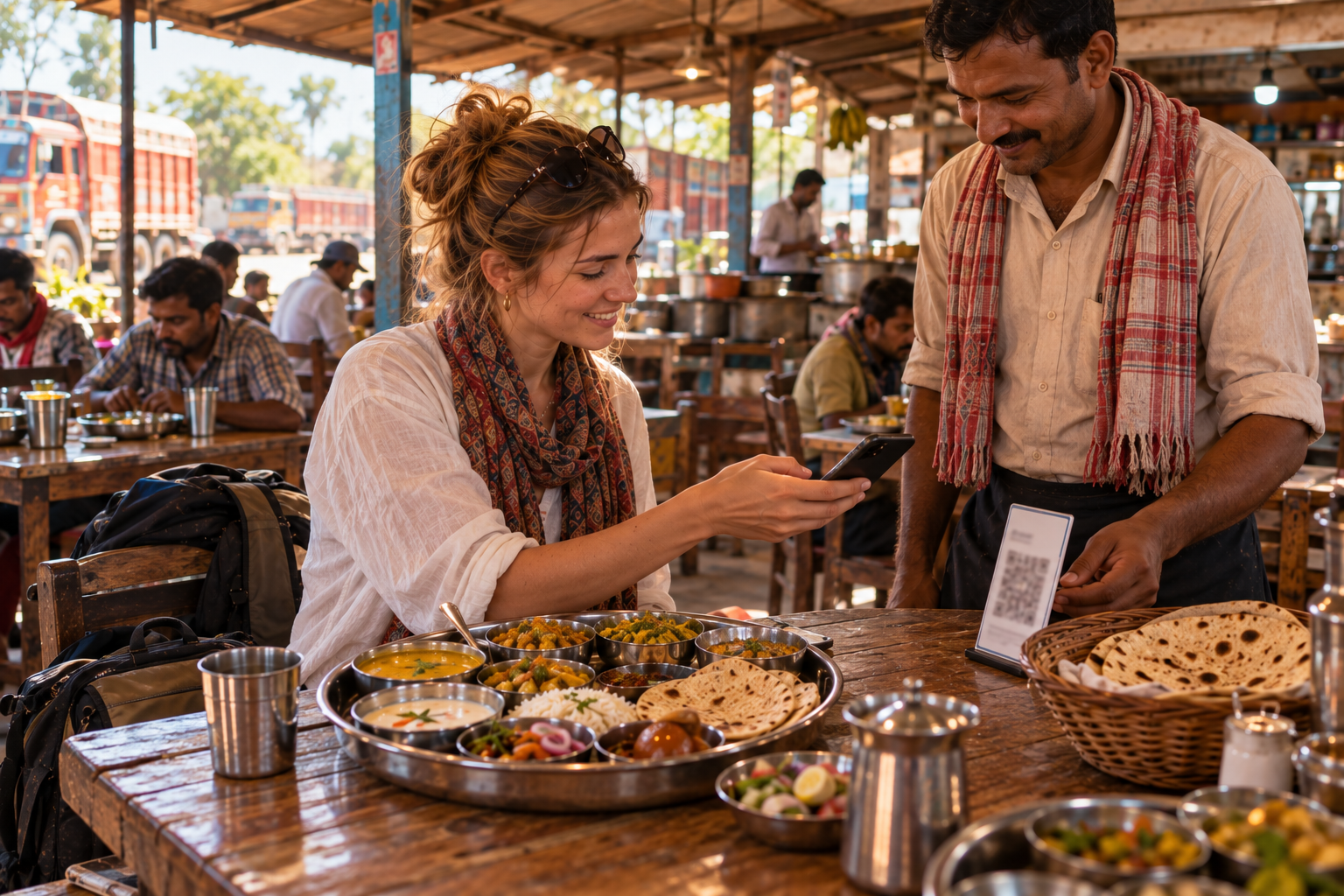
Many thali restaurants, especially traditional dhabas, still expect cash payment. Larger chains and restaurants in tourist areas increasingly accept digital payments through UPI, India's dominant payment network.
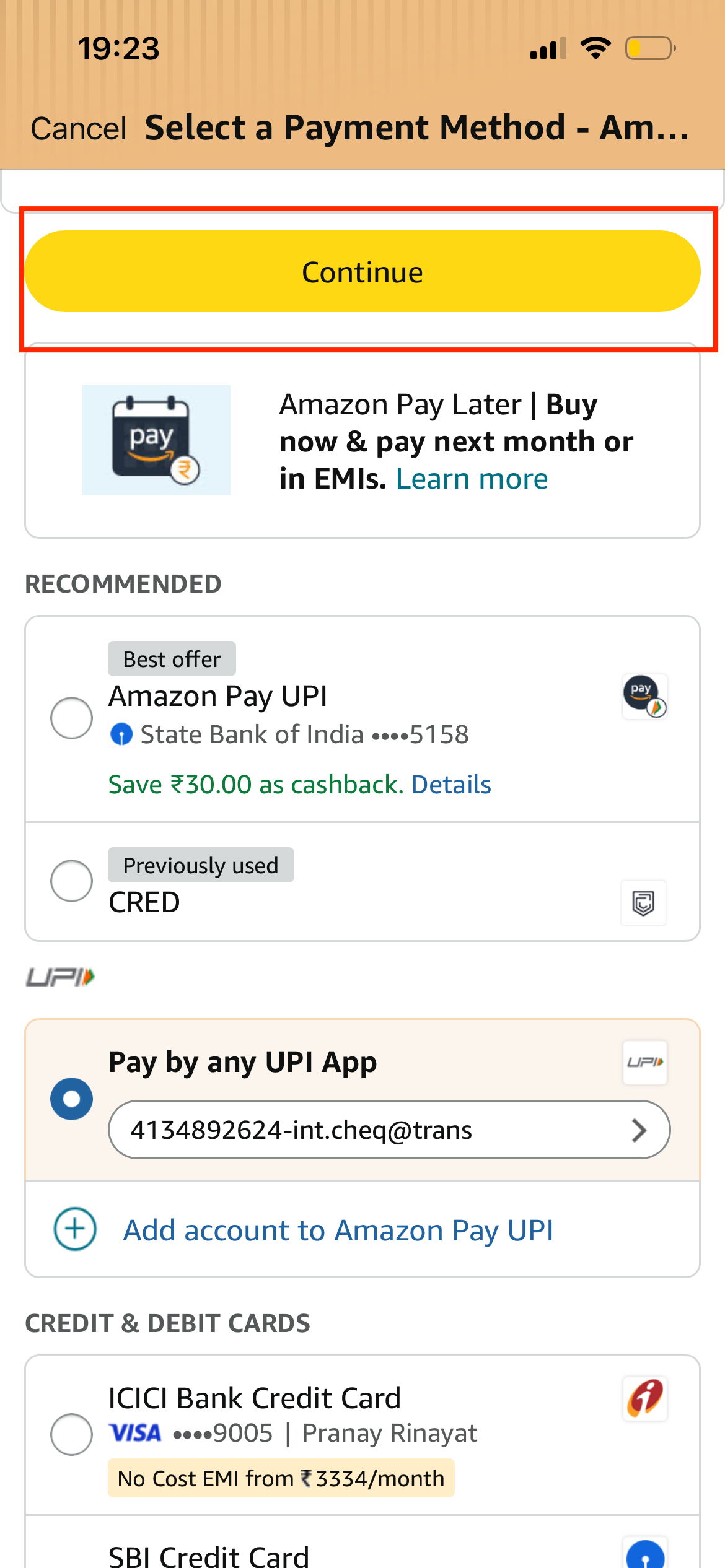
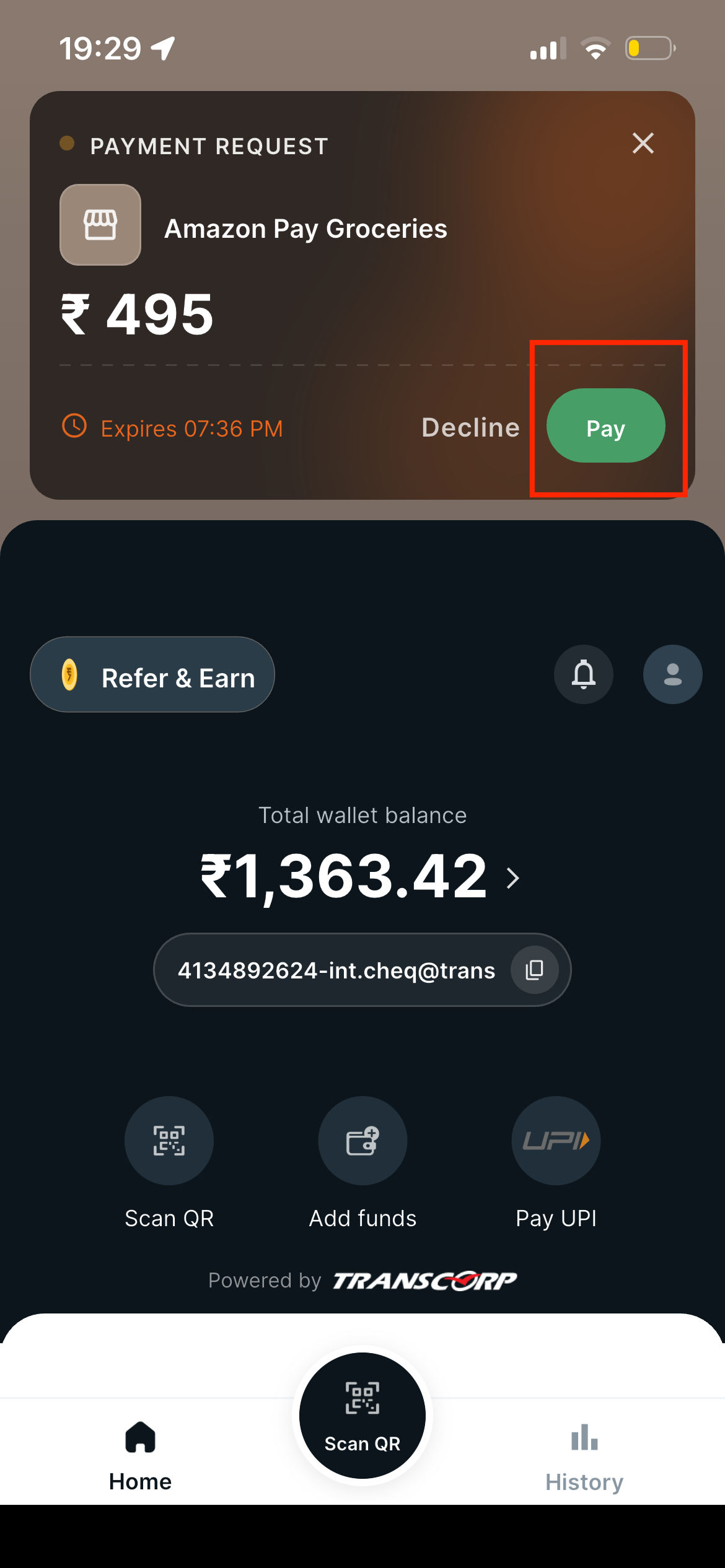
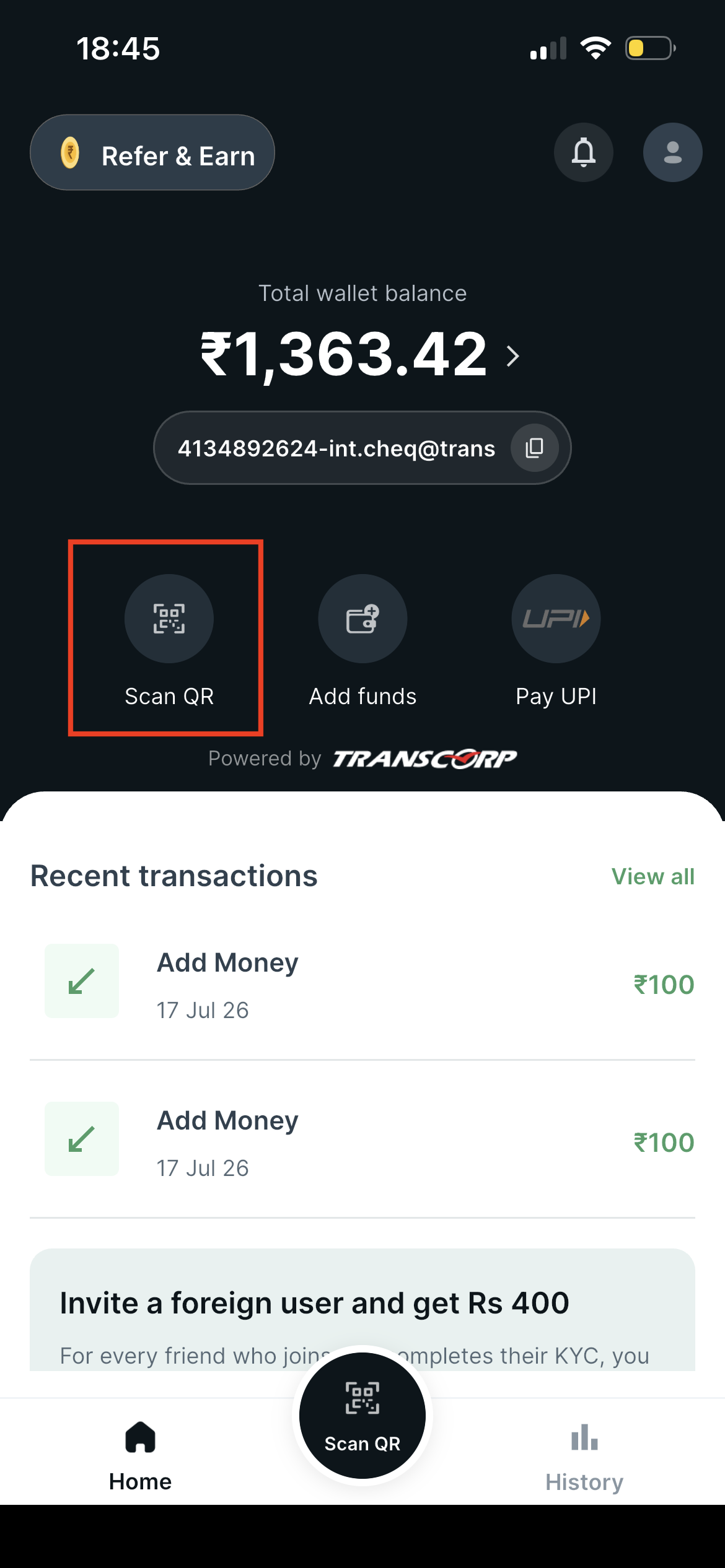
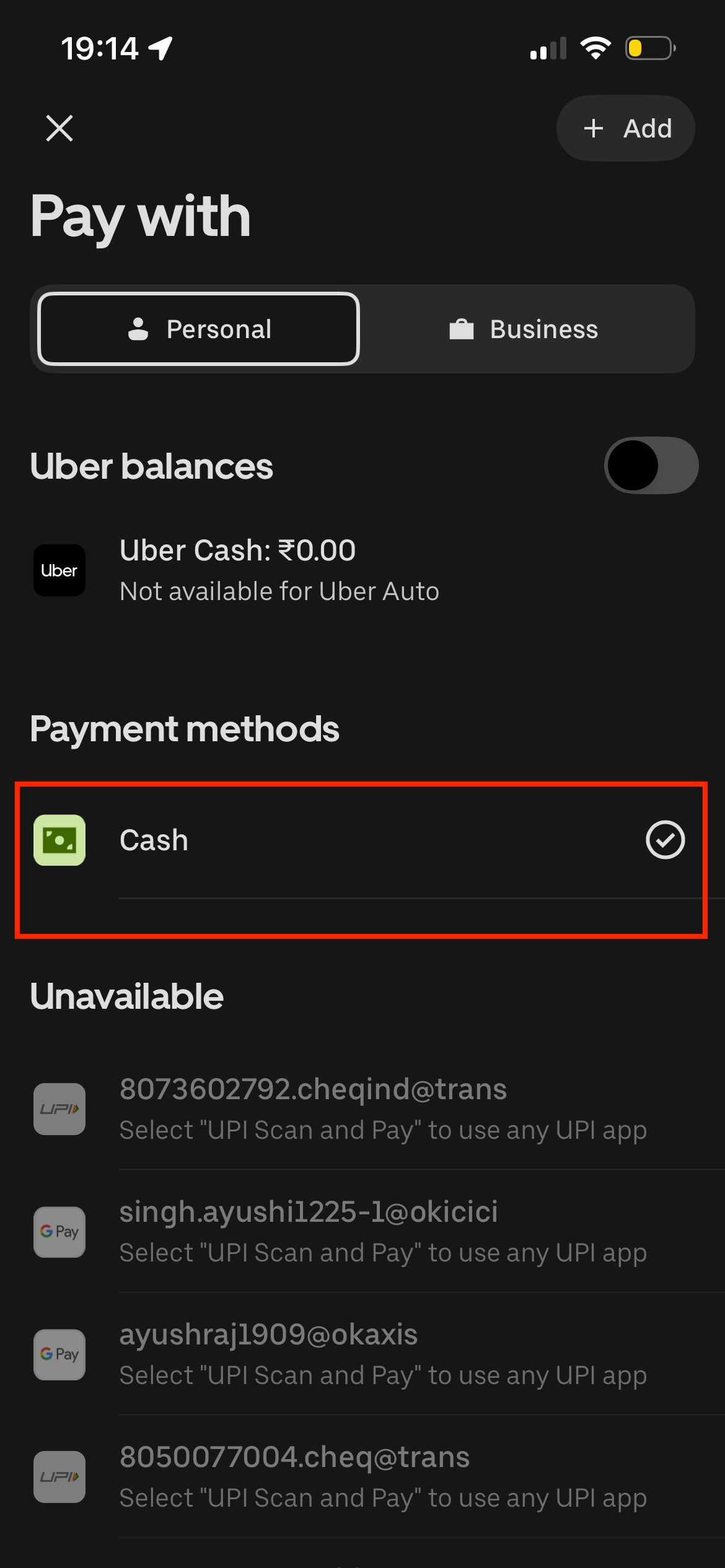
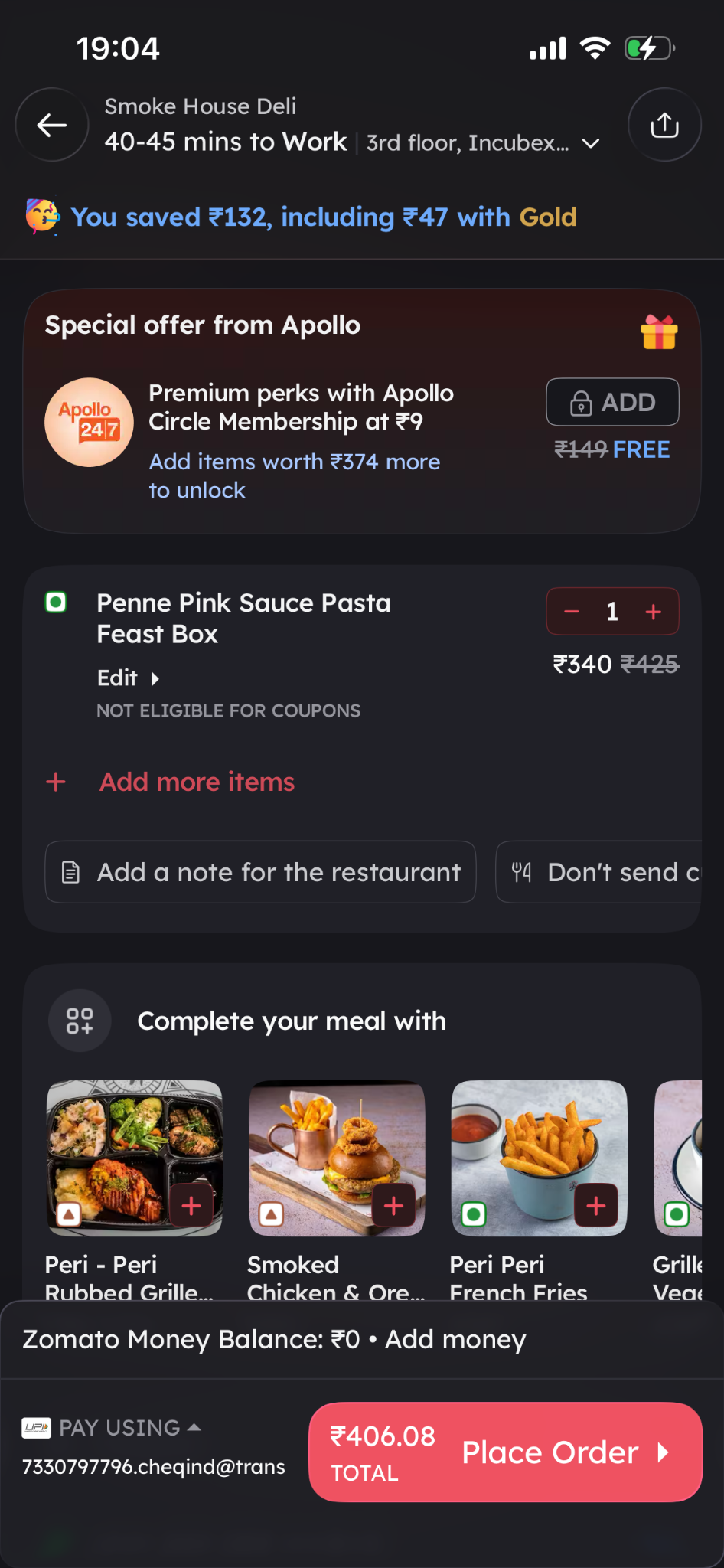
Foreign tourists can now access UPI directly through wallets like CheqUPI, without needing an Indian bank account or SIM card. An internet connection and location access are required. This guide on how UPI payments work for tourists covers the full setup process.
You can set it up from home before your flight and complete verification at your earliest convenience after reaching your hotel or by visiting a city branch. This means your first thali meal in India can already be a cashless one.
Staying safe while thali-hopping
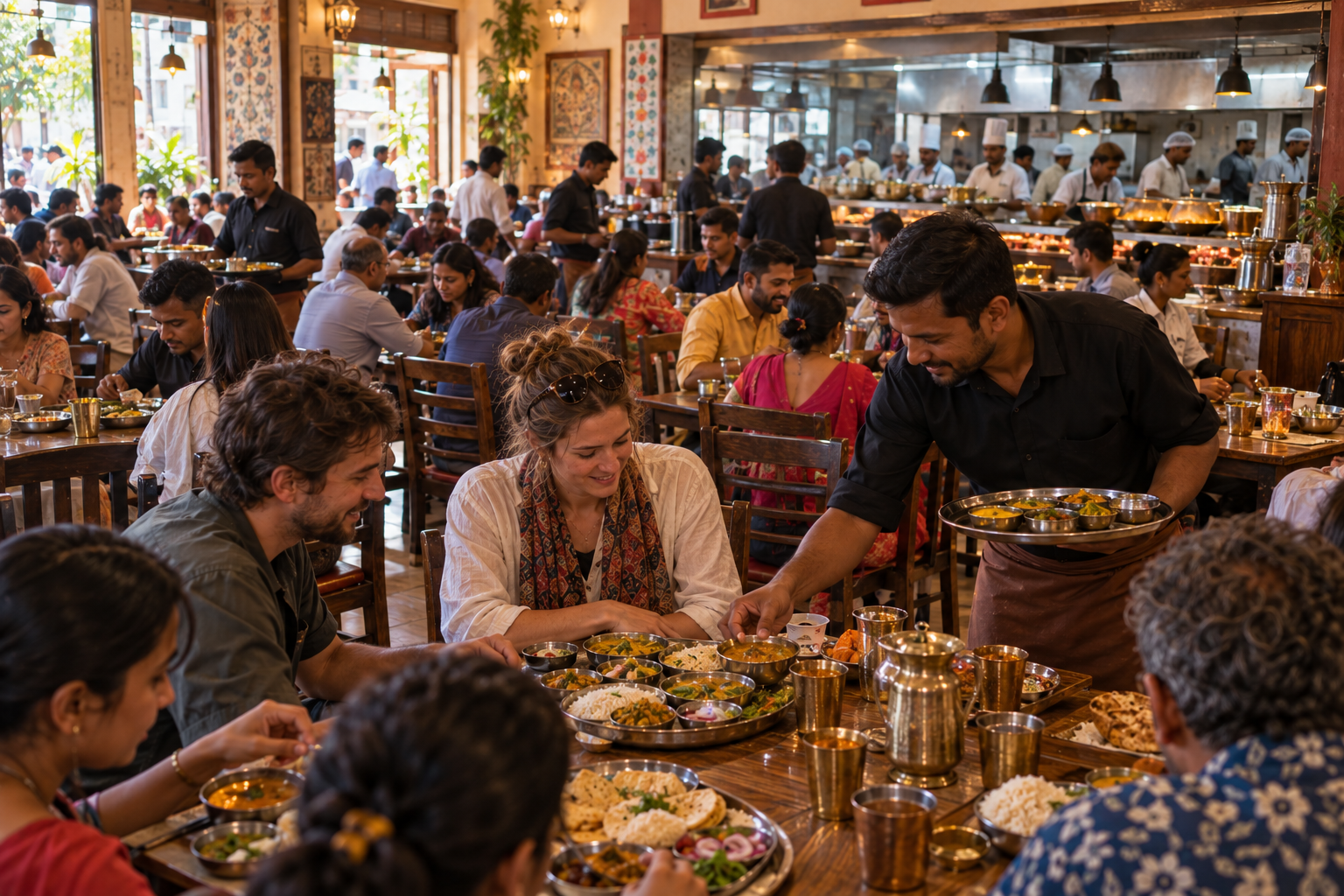
Busy, high-turnover restaurants are generally safer bets than quiet ones with little foot traffic, since ingredients move faster and stay fresher. Stick to places that look consistently full during meal hours.
Bottled or filtered water is the safer choice over tap water at most eateries. Ask for it sealed if you want extra certainty.
Tourist-heavy food streets can also attract minor scams around overcharging or short-changing. This overview of common scams tourists should watch for is worth a quick read before you start exploring.
Conclusion
A thali is less a single dish and more a way of experiencing a region through food. Costs stay low almost everywhere, portions are generous, and the format rewards curiosity. Pair that with a cashless payment setup and the whole experience becomes far smoother to manage.
FAQs
1. What is a thali?
Think of it as one plate with a little bit of everything: usually rice or bread, some lentils, a couple of veggie dishes, yogurt, and something sweet to finish.
2. Is thali always vegetarian?
Not always. Kashmir's Wazwan, for instance, is built around meat, but across most of the country, vegetarian thalis are what you'll come across most often.
3. How much does a thali cost?
A thali costs approximately Rs 100-250 (about $1-$3) at a dhaba, and it can go up to Rs 600-900 (about $6-$9) if you're eating somewhere upscale.
4. Do you tip at thali restaurants?
Tipping at thali restaurants is optional. It is a gesture of appreciation, but it’s not a rule, especially at the casual, no-frills dhabas and local spots.
5. Can you pay by card at thali places?
Not all thali restaurants will have card payment setups, so it's advisable to have a UPI-based digital wallet on hand since it's accepted more widely.
6. Which cities are best for trying thalis?
Jaipur, Ahmedabad, Udaipur, and Chennai are all great picks if you want a solid regional thali experience.
7. How spicy is a typical thali?
It varies by region and restaurant, so spice levels can range from mild to quite spicy. If you prefer milder food, ask the restaurant to adjust the spice before ordering.
8. Is tap water safe to drink with a thali meal?
It’s better to stick with bottled or filtered water at most places, just to be safe.
9. Do thali restaurants accept UPI payments?
The bigger restaurants and ones in touristy areas mostly do, but the smaller dhabas tend to accept cash payments only.
10. How long does a typical thali meal take?
Usually somewhere between 30 and 45 minutes, since you're working through several courses and getting refills along the way.
"Download CheqUPI and register before your flight. You can complete verification at your earliest convenience after reaching your hotel or by visiting a city branch, then pay cashlessly for thalis, local restaurants, street food, and stores across India."