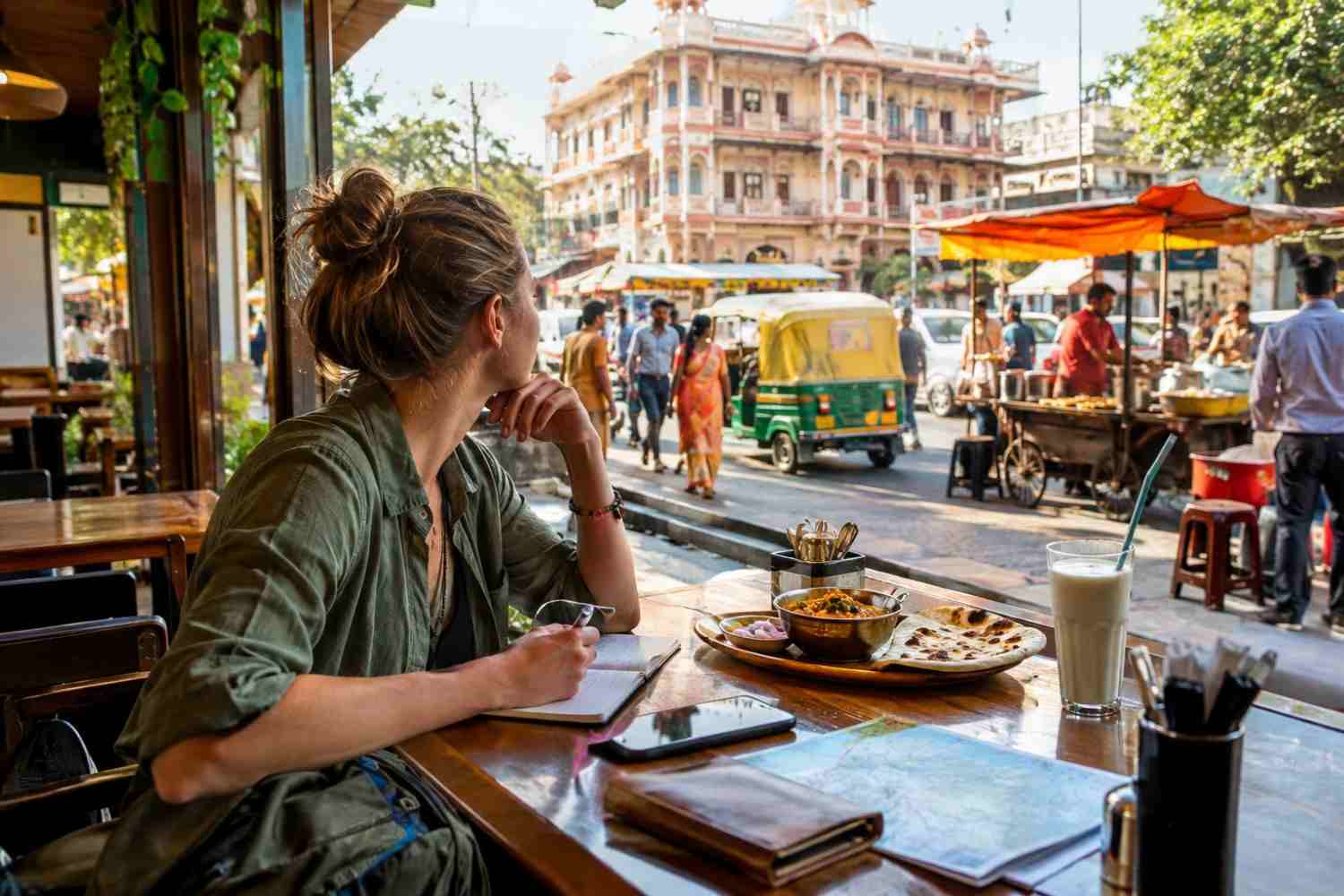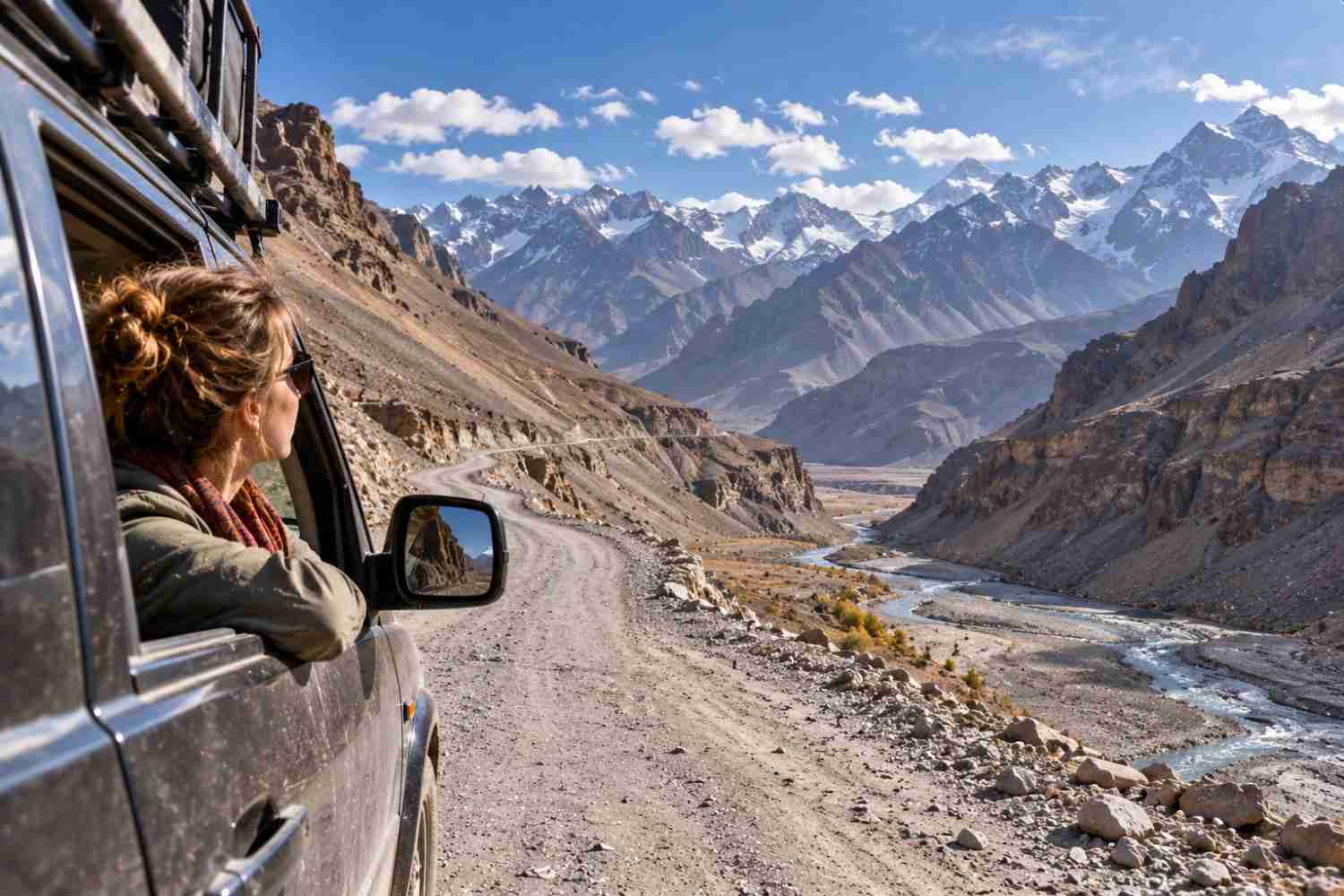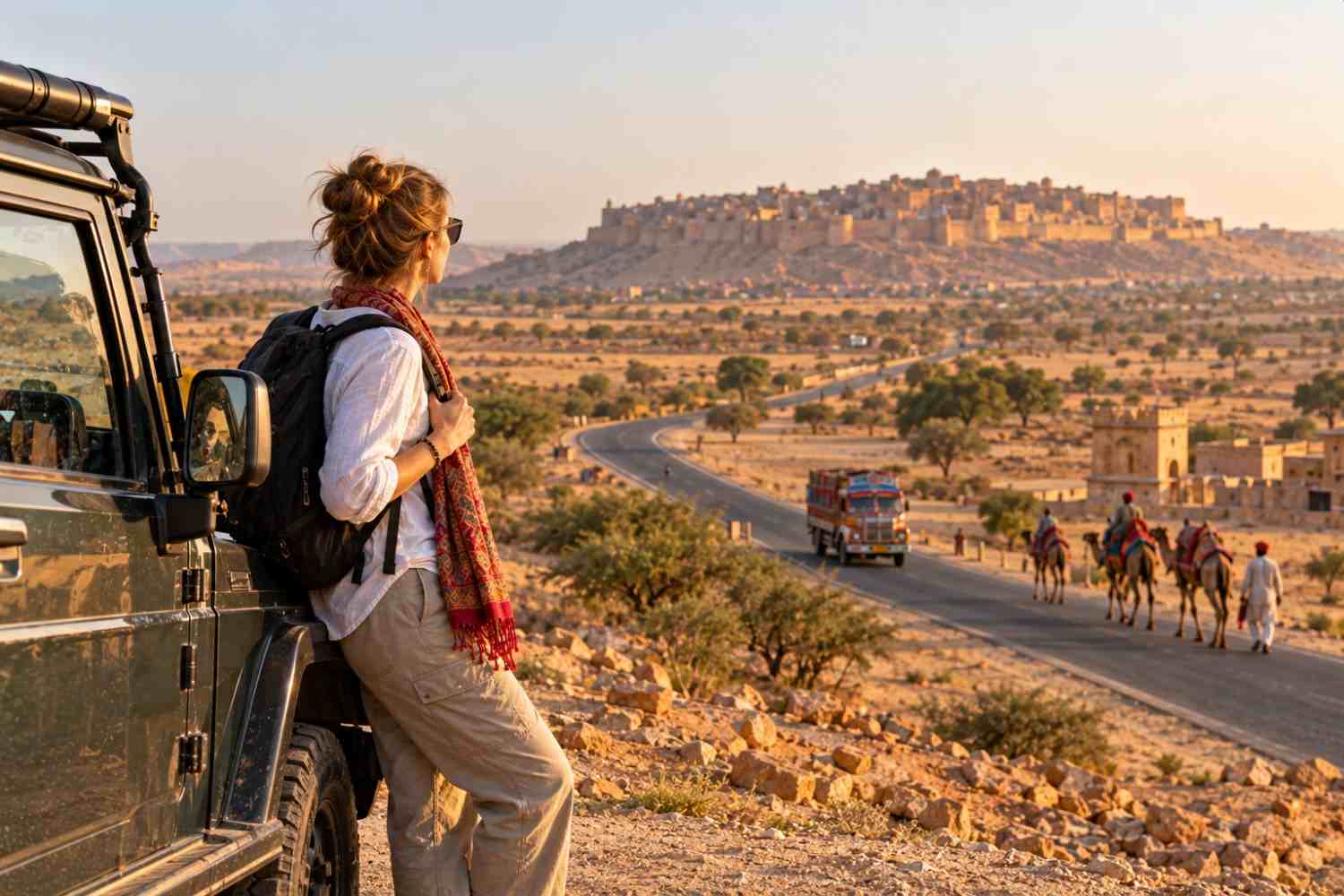
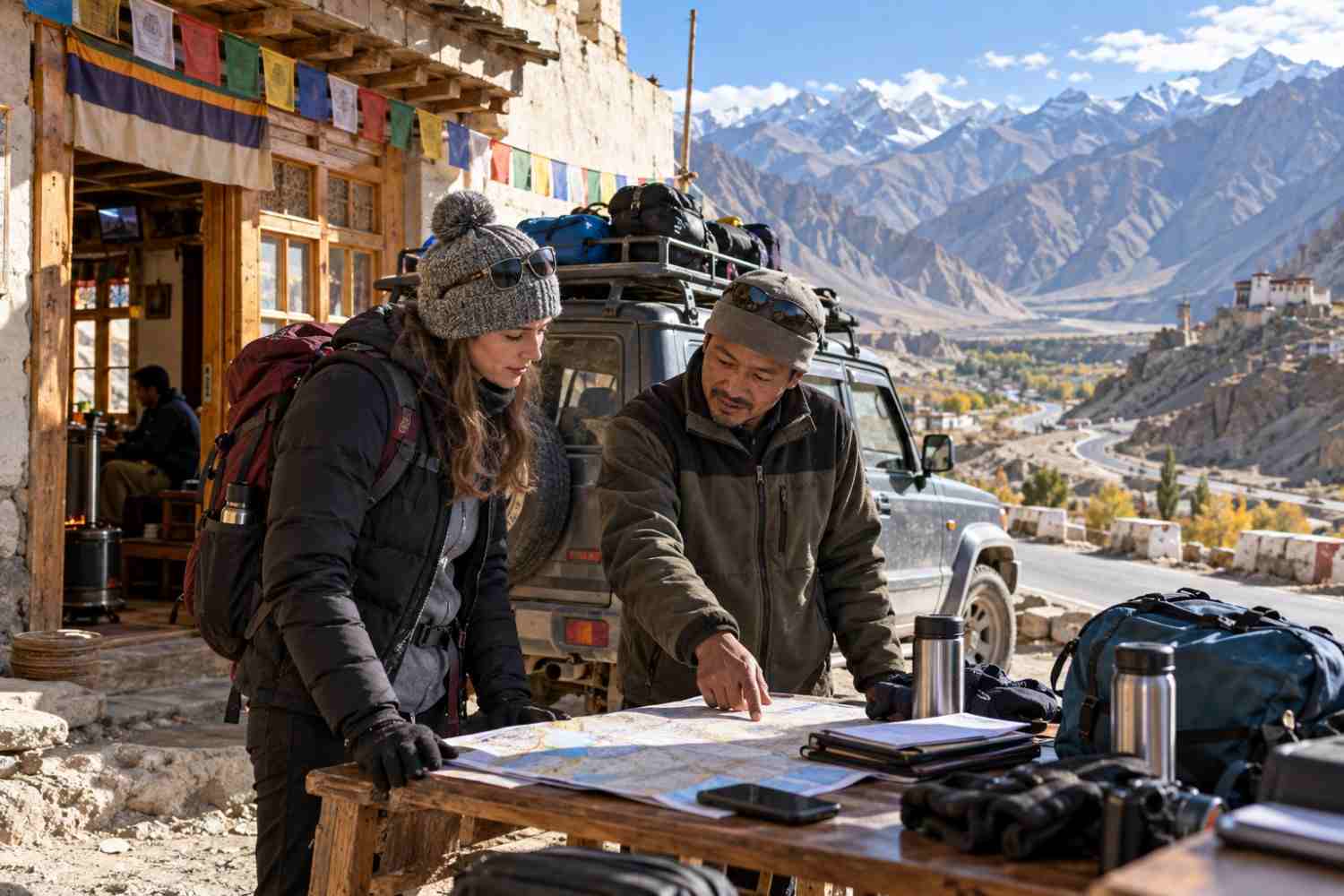
By September, Ladakh starts changing character. The summer crowds begin to ease, the skies turn intensely clear, and the roads through the mountains still have a little time left before winter begins closing them one by one. It is the brief window when you can experience the high-altitude desert without the peak-season rush.
But September travel here comes with its own rules. Nights are already cold, permits are essential for several border areas, altitude cannot be taken lightly, and payment options become less predictable once you leave Leh. Knowing these details before you go can make the difference between a smooth road trip and a difficult one.
Key highlights
- September is one of the best months in Ladakh, with clear skies and fewer summer crowds.
- The Manali-Leh highway typically stays open until mid- to late November, so September leaves a comfortable margin.
- Foreign nationals need a Protected Area Permit for restricted zones like Nubra Valley, Pangong Tso, and Tso Moriri.
- Altitude sickness is a real risk above 3,500 meters, and acclimatization should not be rushed.
- Cashless payments work well in Leh town, though power outages can affect card terminals more than QR-based options.
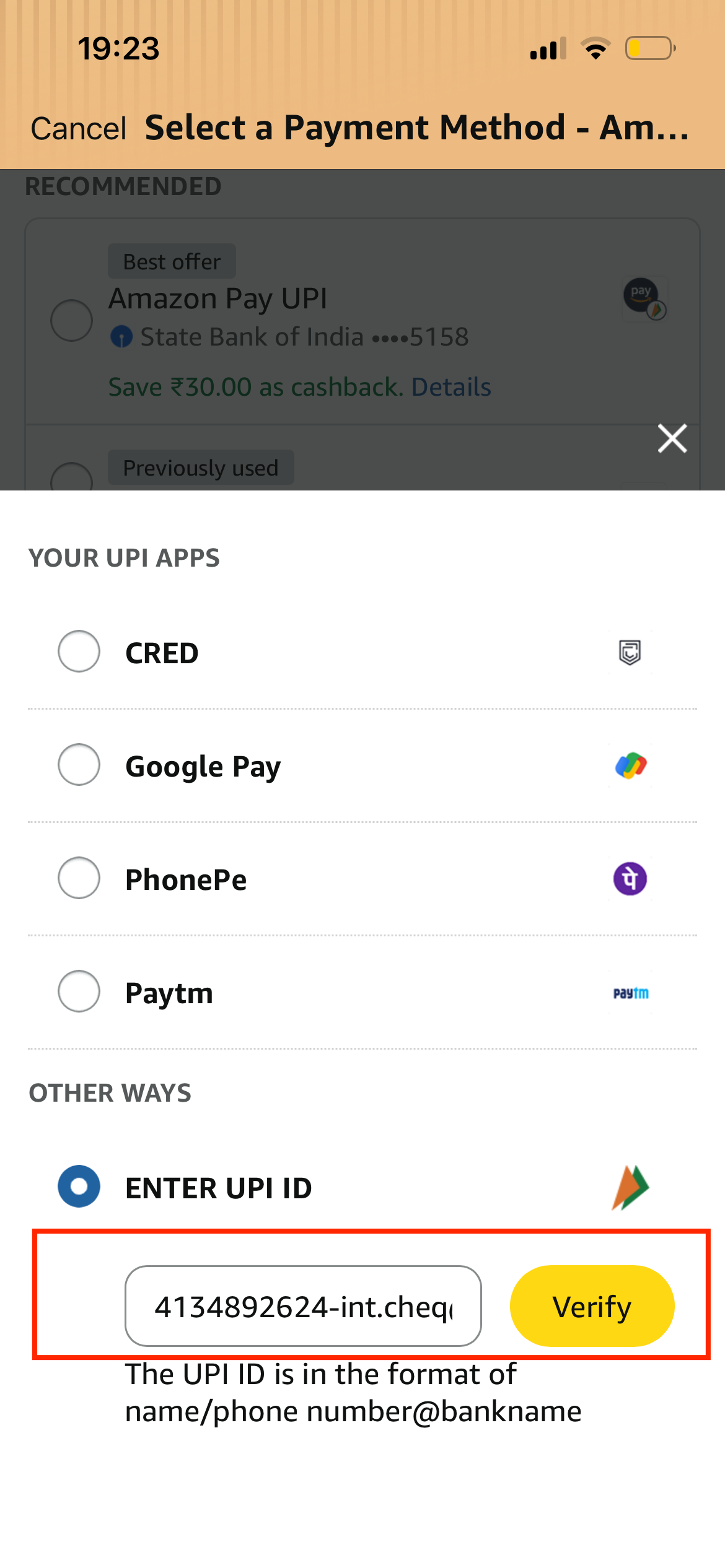
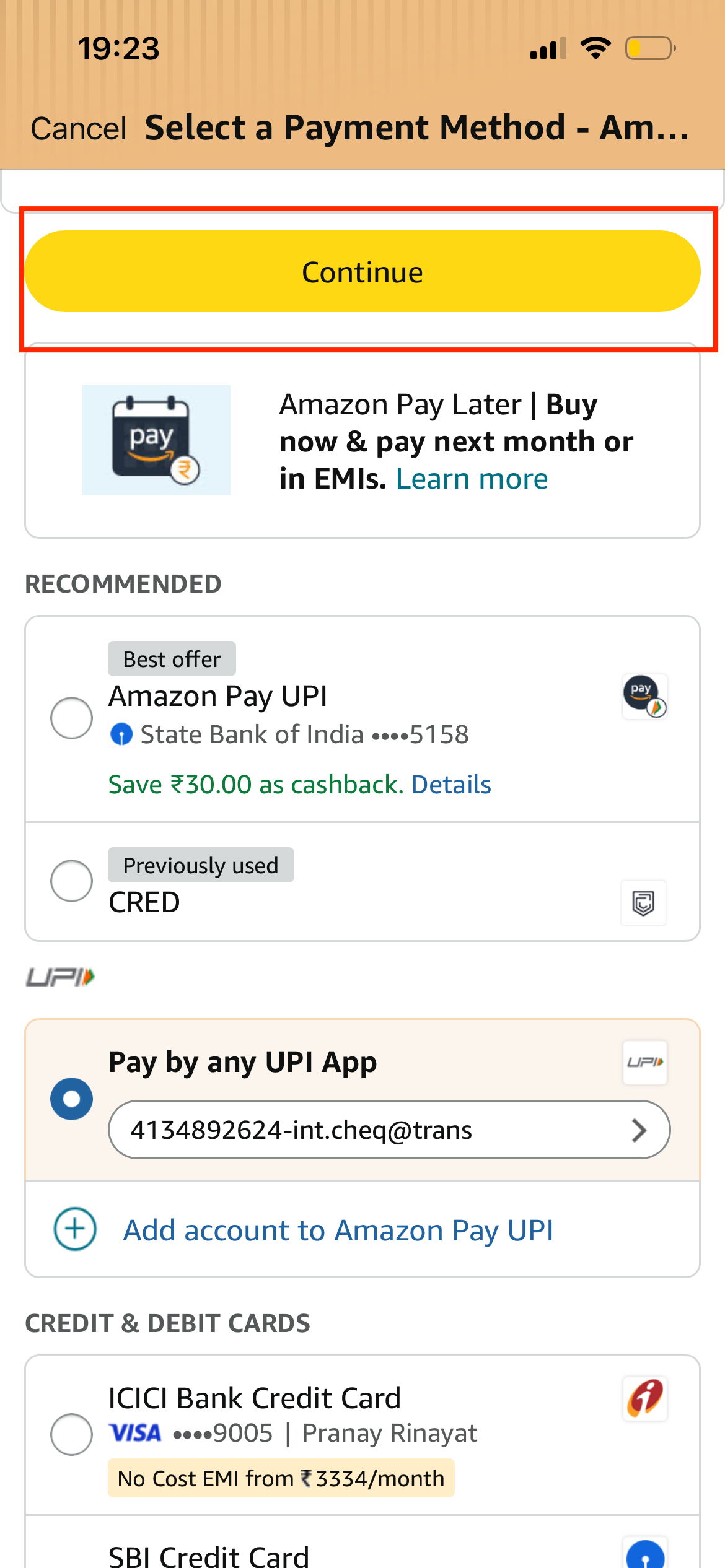
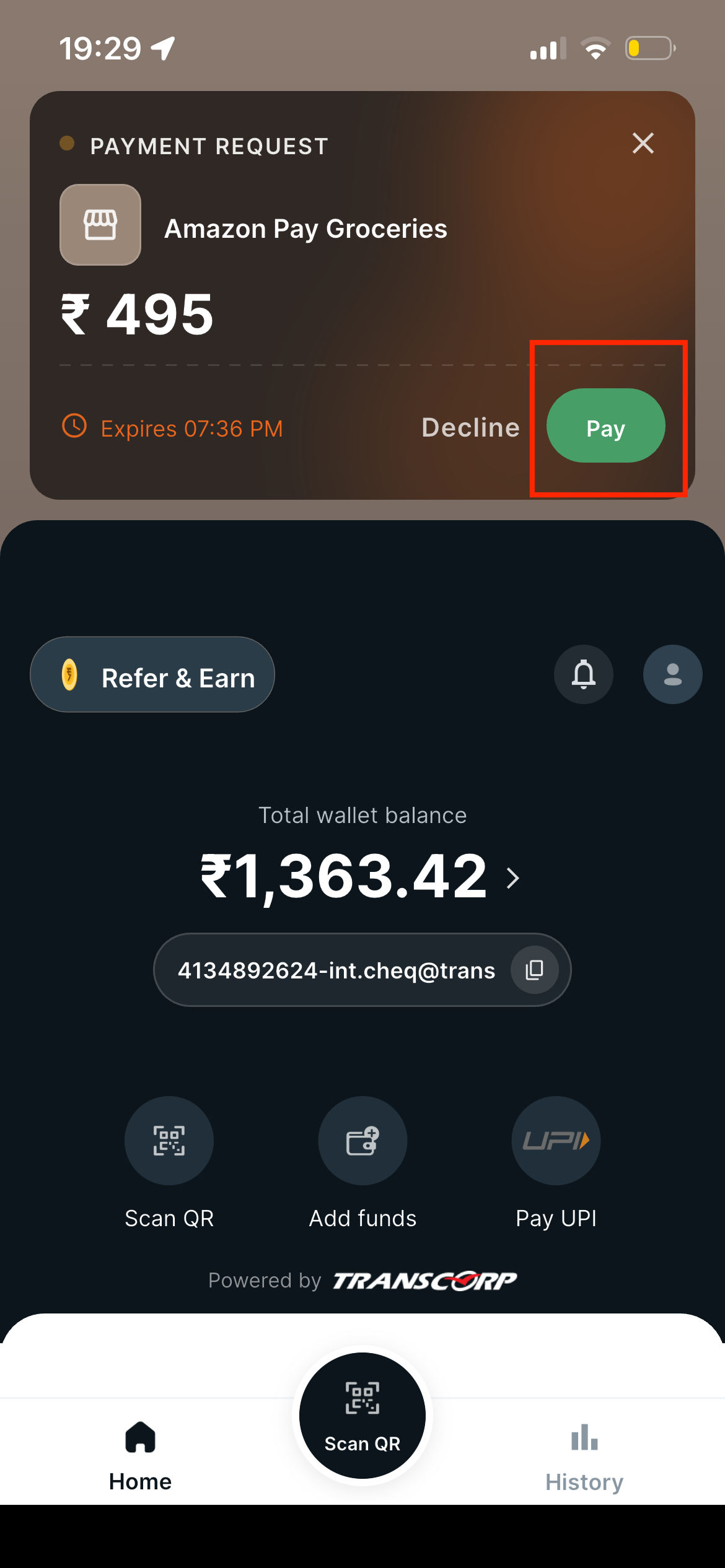
- CheqUPI is free to join for all eligible nationalities, with a loading fee of 2.95% + applicable taxes and 0% merchant payment fee.
Why September works
By September, the summer rush of domestic tourists has largely reduced, which means shorter queues at monasteries and more available rooms in Leh. The barren, post-monsoon landscape also photographs differently than the greener stretches of earlier months.
Nights get noticeably colder, often dropping close to freezing at higher altitudes. Days generally stay clear and pleasant, making it a comfortable window for sightseeing and short treks before the real cold sets in.
When the roads actually close
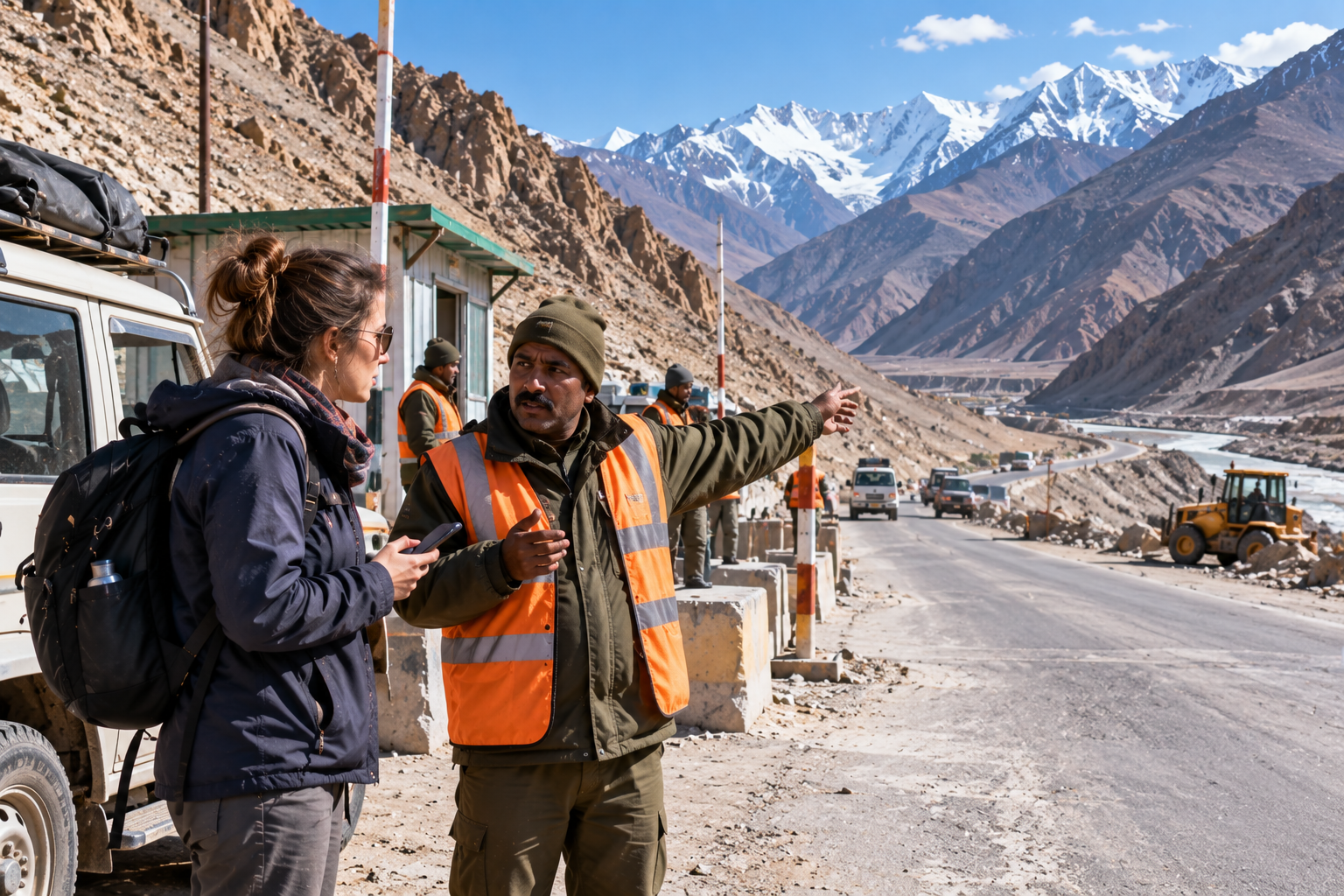
Ladakh's road access depends entirely on two high-altitude highways, and both close for winter well before the region becomes fully snowbound. Planning around these dates matters more than most first-time visitors expect.
| Route | Typical opening | Typical closure |
| Manali-Leh Highway | Mid to late May | Mid to late November |
| Srinagar-Leh Highway | Late March to April | Late October to November |
| Air access (Leh airport) | Year-round | Weather-dependent in winter |
September sits comfortably inside the open window for both highways, though conditions can shift with early snowfall in some years. Checking current status with the Border Roads Organisation shortly before departure is worth the extra few minutes.
Protected Area Permits for foreign travelers
Ladakh sits close to sensitive international borders, and several of its most photographed spots, including Nubra Valley, Pangong Tso, and Tso Moriri, fall inside protected zones. Foreign nationals need a Protected Area Permit to enter these areas, distinct from the Inner Line Permit used by Indian citizens.
The permit is generally arranged through a registered travel agent in Leh, using a passport copy and Indian visa details. It is worth applying a day or two after arrival, since most agents process it quickly, but leaving it until the morning of departure risks delays.
Citizens of a small number of countries face additional restrictions and must apply through the Ministry of Home Affairs rather than a local agent, so checking eligibility ahead of the trip avoids a last-minute scramble.
Altitude and acute risk
Leh sits above 3,500 meters, and altitude sickness is a genuine risk for travelers who arrive by air and move too fast on their first day. Spending the first 24 hours resting in Leh before attempting higher passes or treks reduces this risk considerably.
Beyond altitude, Ladakh's mountain roads carry acute weather risk of their own, particularly as the season shifts toward winter. Checking IMD advisories for the region before heading toward high passes like Khardung La or Chang La is a sensible habit, separate from the routine caution of good footwear and an experienced driver.
Things to do in Leh in September
Leh town itself rewards a slow first day, with Leh Palace and the old town's narrow lanes offering an easy introduction to the region. Shanti Stupa, a short climb above town, gives a wide view over the valley and is especially good near sunset.
For those with more time, Nubra Valley combines sand dunes with double-humped camels against a backdrop of snow peaks, while Pangong Tso offers the kind of blue that photographs rarely capture accurately. Both require the Protected Area Permit mentioned earlier.
Understanding how UPI payments work for foreign tourists is worth reading before heading into these remote stretches, where card acceptance thins out fast.
Cashless payments at altitude
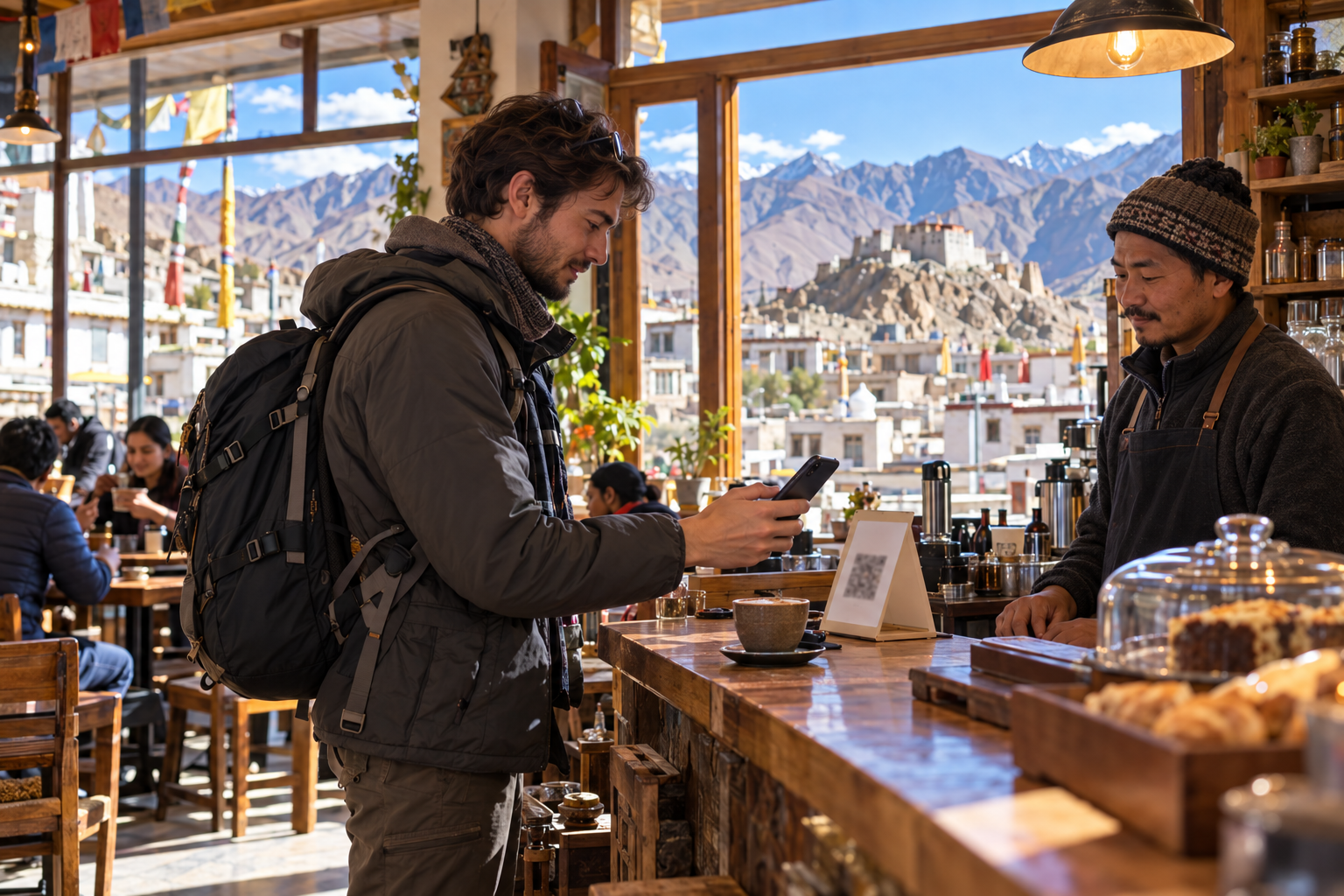
Leh town itself has reasonably reliable digital payment infrastructure, with QR codes accepted at most cafes, guesthouses, and shops. Once outside town, particularly in Nubra Valley or near the high passes, connectivity and power both become less predictable.
Power outages are more common in remote stretches of Ladakh, and these can affect card terminals more than QR-based UPI payments, which only need a phone with signal or offline caching in some cases. Carrying a reasonable cash buffer for the more remote legs of the trip remains sensible.
Why carrying less cash works better in India covers the broader reasoning, though Ladakh's remoteness makes a small cash reserve more useful here than in most other regions.
Practical prep checklist
A few small preparations make the September window far smoother for first-time foreign visitors. None of them take more than an afternoon to sort out before departure.
Packing layered warm clothing matters even in September, since nights swing close to freezing at altitude. Booking accommodation slightly ahead of arrival helps too, since Leh's guesthouse supply shrinks as the season winds down.
Staying alert to common tourist scams is worth a quick read before the trip, since permit touts and unofficial guides occasionally target travelers near checkpoints.
Conclusion
September gives Ladakh a different character than its busier summer months, quieter roads, sharper light, and a landscape stripped down to its bones. With the highways still open and the permits sorted early, it is one of the most rewarding windows to see the region before winter closes the door until spring.
Frequently asked questions
1. Is September a good time to visit Ladakh?
Yes, it offers clear skies, lesser crowds, and roads that remain open well into the month.
2. When does the Manali-Leh highway close for winter?
Typically mid to late November, though exact dates shift year to year with weather.
3. Do foreign tourists need a special permit for Ladakh?
Yes, a Protected Area Permit is required for restricted zones like Nubra Valley and Pangong Tso.
4. How do foreign nationals apply for the Protected Area Permit?
Through a registered travel agent in Leh, using a passport copy and Indian visa.
5. Is altitude sickness a real concern in Leh?
Yes, especially for travelers arriving by air, so resting the first day is strongly advised.
6. Are card payments reliable in remote parts of Ladakh?
Not always. Power outages in remote areas can affect card terminals more than QR-based payments.
7. Should I carry cash in Ladakh?
A modest cash buffer is sensible, particularly for remote stretches like Nubra Valley and Pangong Tso.
8. What is the coldest part of a September trip?
Nights at higher altitudes, which can drop close to freezing even in September.
9. Can I fly into Leh instead of driving?
Yes, Leh Airport operates year-round, though winter flights are weather-dependent.
10. Are permits needed to visit Leh town itself?
No, Leh town and major monasteries do not require a Protected Area Permit; only the outer restricted zones do.
"Download CheqUPI before your Ladakh adventure. You can set it up from home before your flight and complete verification at your earliest convenience after reaching your hotel or by visiting a city branch."