"How much will the Taj Mahal actually cost me?" It's one of the first questions foreign tourists type into Google before an India trip, right alongside flight prices and visa rules. The honest answer surprises most people: entry fees for foreign tourists run far higher than what Indian citizens pay at the same gate, sometimes five to twenty times more, and almost no travel site lists the real numbers side by side.
This blog answers those questions clearly, with entry fees for major temples, forts, and heritage sites for both Indian and foreign visitors. It also explains how to pay at each site, whether you can use UPI or a card, or need to carry cash.
Key highlights
- The Taj Mahal charges Indian citizens Rs 50 and foreign tourists Rs 1,100 (approx $11) for base entry, plus Rs 200 for the inner mausoleum for everyone.
- Amer Fort in Jaipur charges Indian citizens Rs 100 and foreign tourists Rs 500 (approx $5).
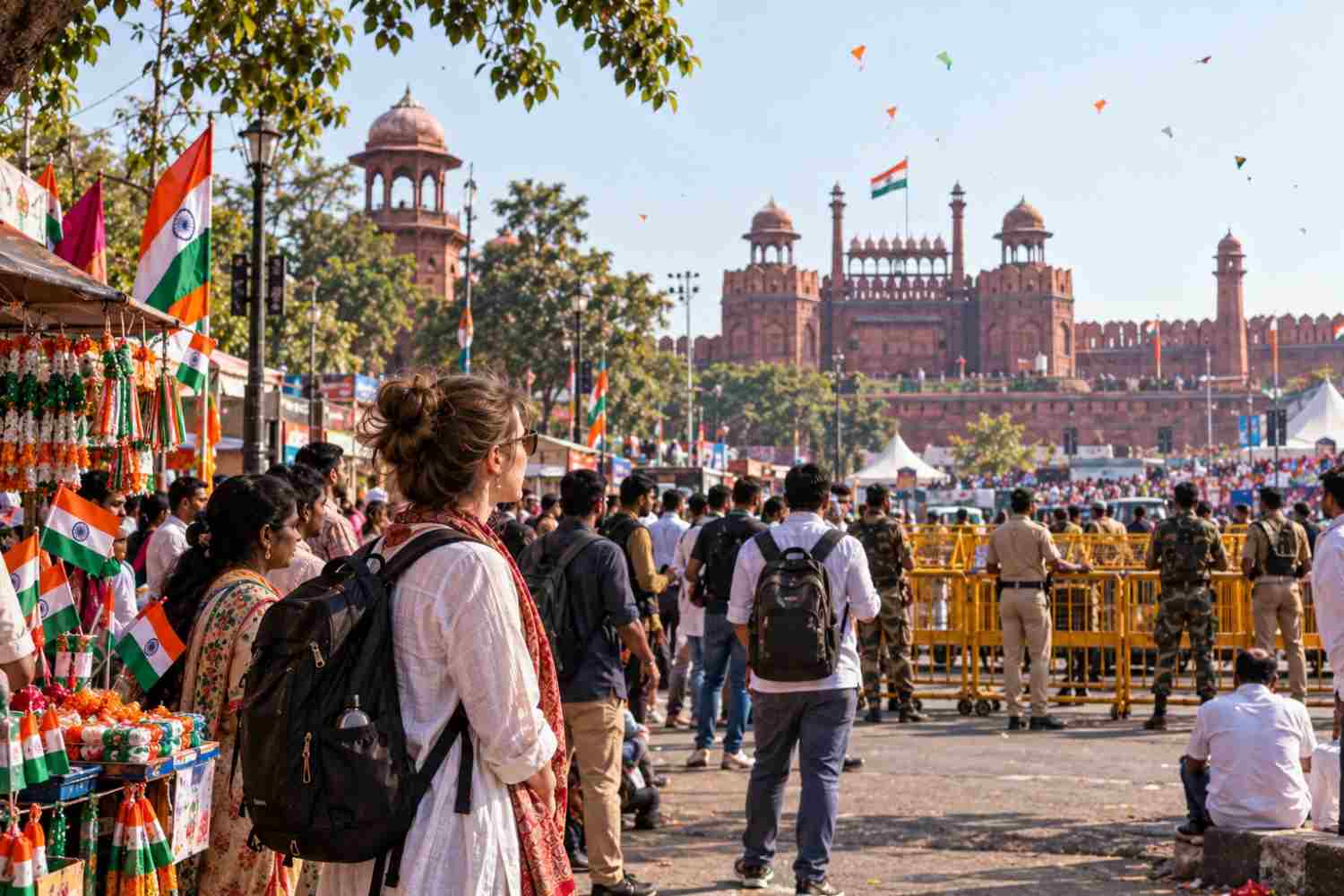
- Red Fort in Delhi charges Indian, SAARC and BIMSTEC citizens Rs 35, and other foreign tourists Rs 500 (approx $5).
- The Golden Temple in Amritsar has no entry fee for anyone, Indian or foreign, and donations are optional.
- Many ASI ticket counters and official booking portals now accept UPI alongside cards and cash.
- CheqUPI is free to join for all eligible nationalities, with a loading fee of 2.95% + applicable taxes and 0% merchant payment fee.
Why entry fees differ for Indians and foreign tourists
Most centrally protected monuments in India use a two-tier pricing system set by the government. Indian citizens, along with SAARC and BIMSTEC nationals at some sites, pay a subsidised rate. Other foreign tourists pay a separate, higher rate.
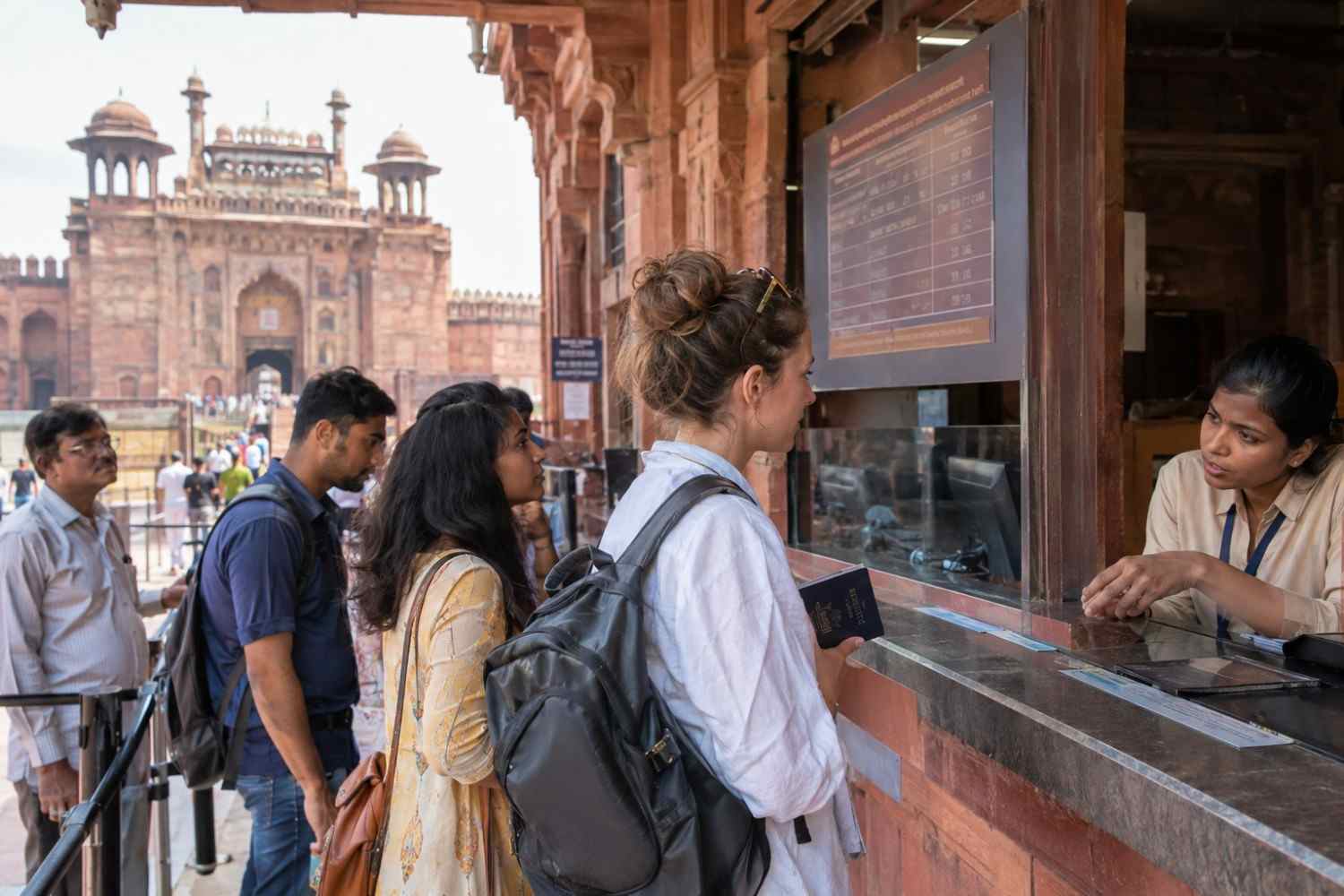
This isn't a scam or a markup added by a vendor. It's the official published rate at sites like the Taj Mahal, Amer Fort and Red Fort, and the revenue goes toward conservation and upkeep. Carrying valid ID, a passport for foreign tourists, is usually required to confirm which rate applies at the counter.
Entry fees at major heritage sites: Indians vs foreign tourists
Taj Mahal, Agra
Indian citizens pay Rs 50 for base entry. Foreign tourists pay Rs 1,100 (approx $11) for the same base entry. Entering the inner mausoleum chamber, where the royal tombs sit, costs an additional Rs 200 for every visitor, regardless of nationality.
Amer Fort, Jaipur
Indian citizens pay Rs 100 for entry. Foreign tourists pay Rs 500 (approx $5). The evening light and sound show is a separate, smaller ticket for both groups. [VERIFY: some sources report a 2026 pricing revision raising the foreign-tourist rate to Rs 1,000, check official Rajasthan tourism sources before publishing.]
Red Fort, Delhi
Indian citizens, along with SAARC and BIMSTEC nationals, pay Rs 35. Other foreign tourists pay Rs 500 (approx $5). Children under 15 enter free regardless of nationality.
Golden Temple, Amritsar
The Golden Temple has no entry fee at all, for Indian visitors or foreign tourists. It's open 24 hours a day, and the only expectations are removing your shoes and covering your head before entering.
How to pay at temples and heritage sites
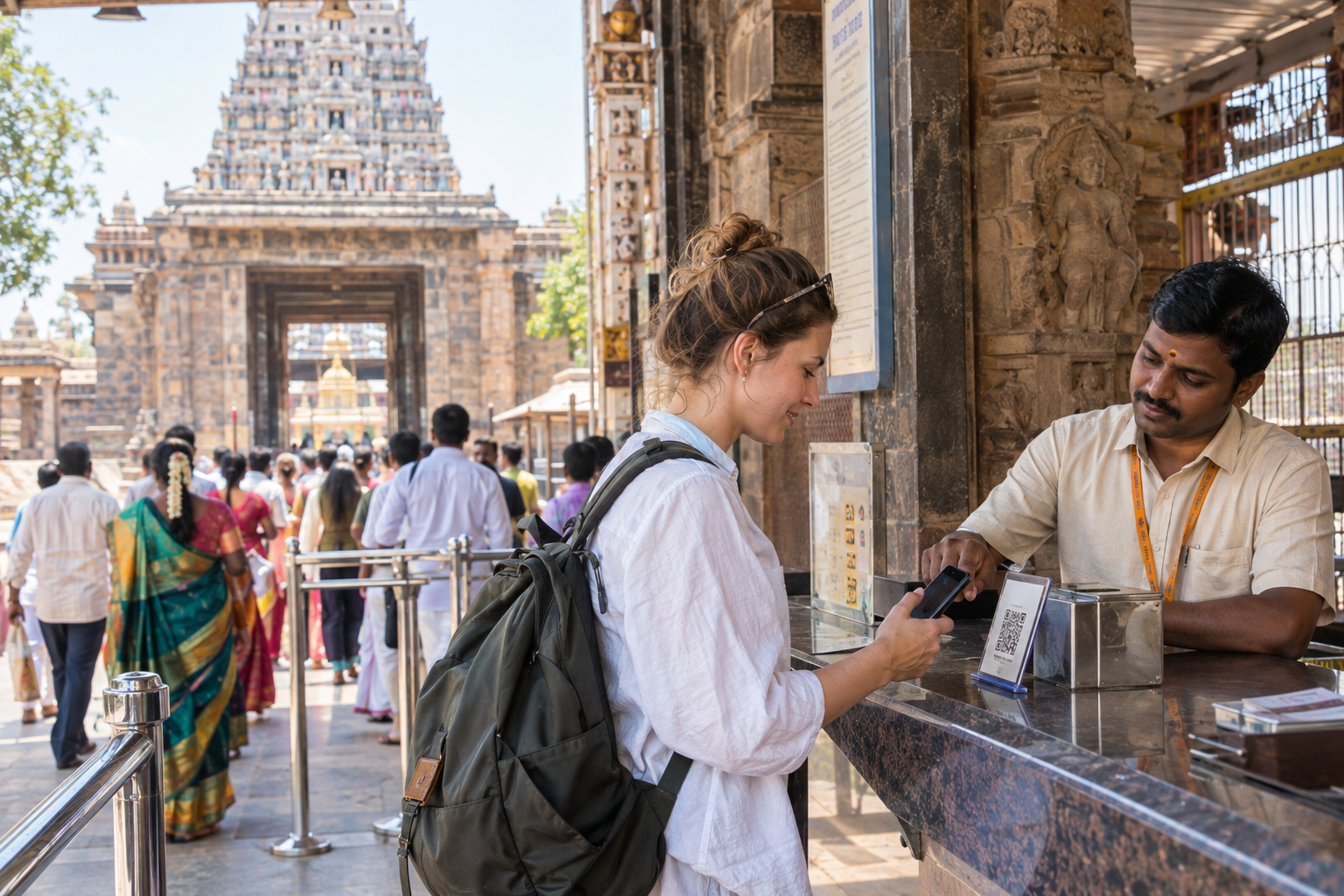
Ticket counters at forts, palaces and ASI monuments
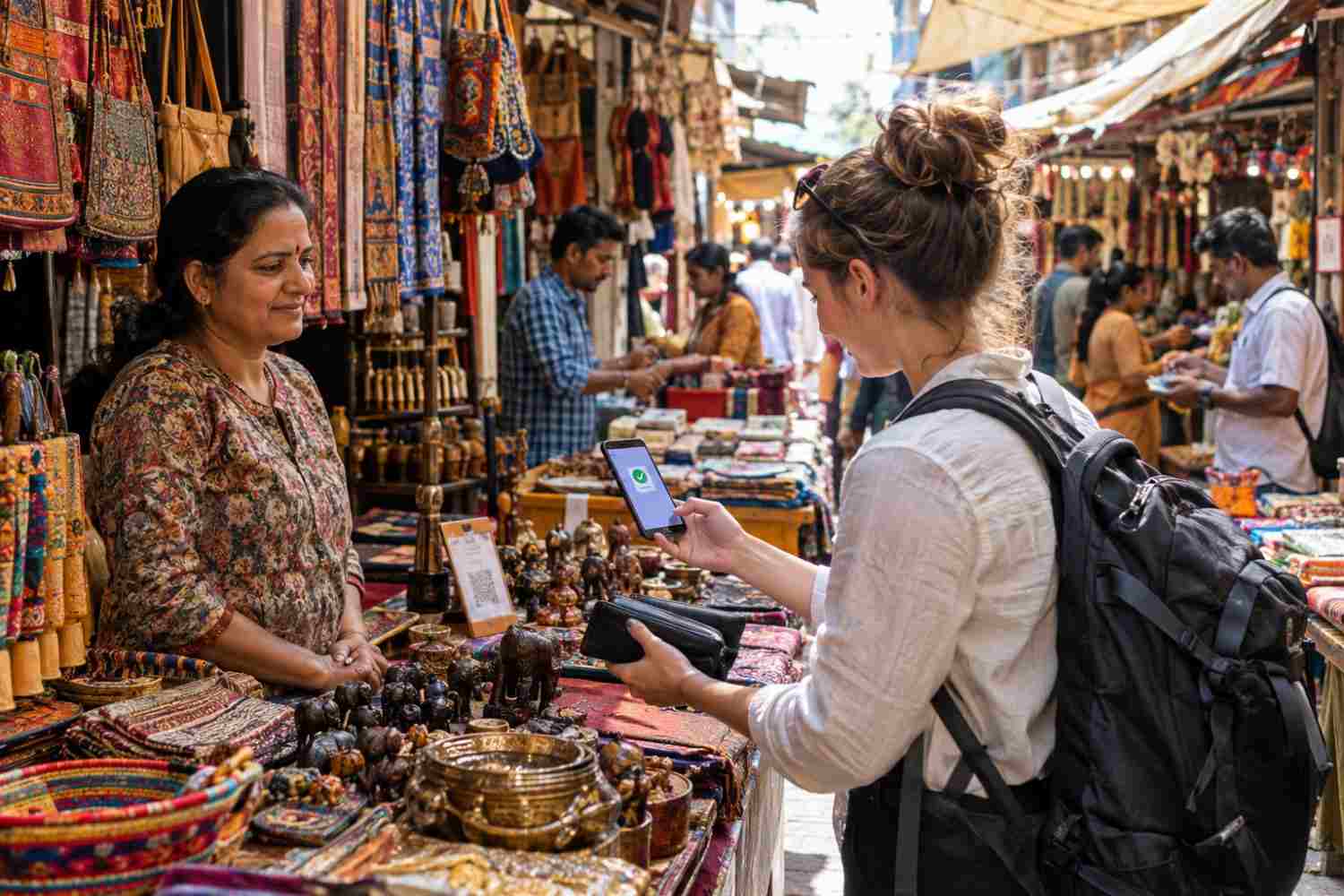
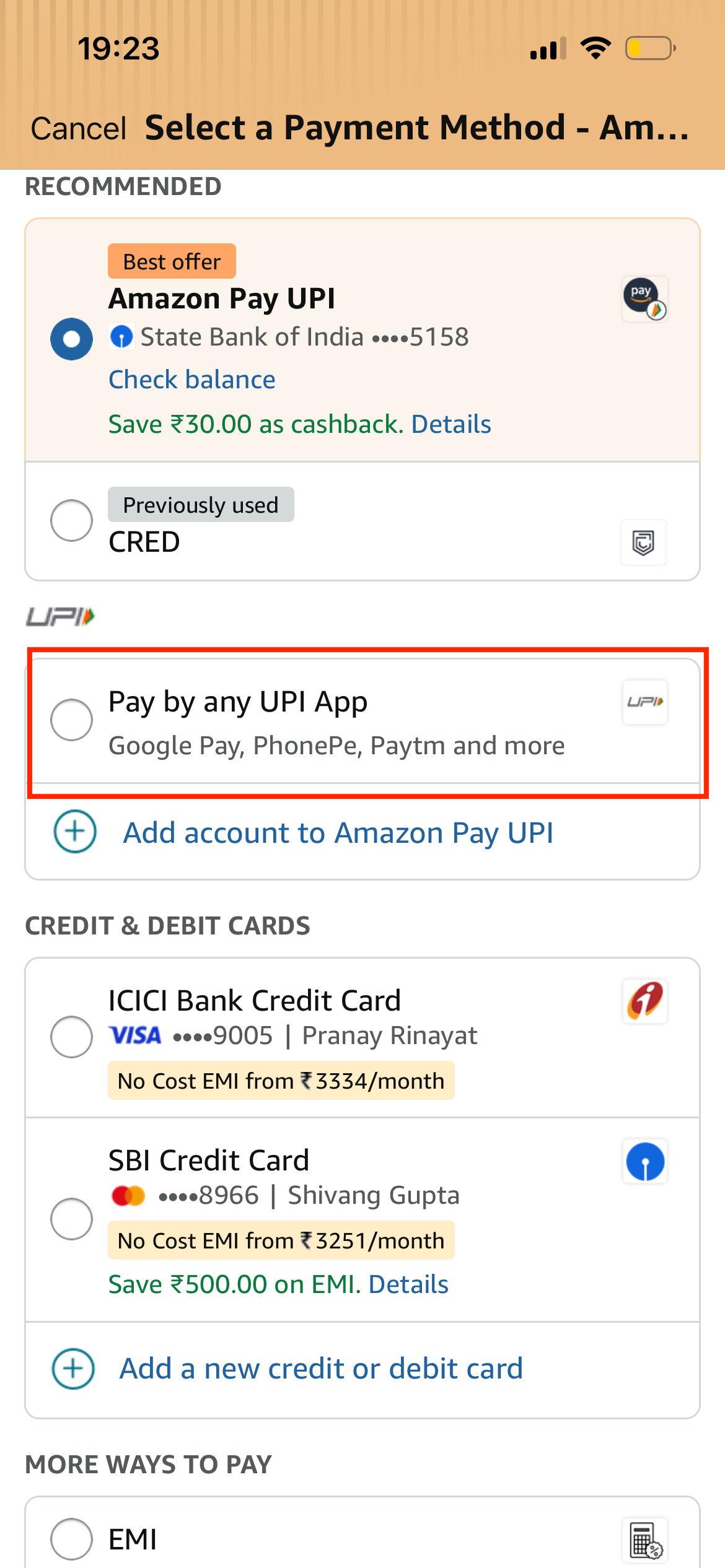
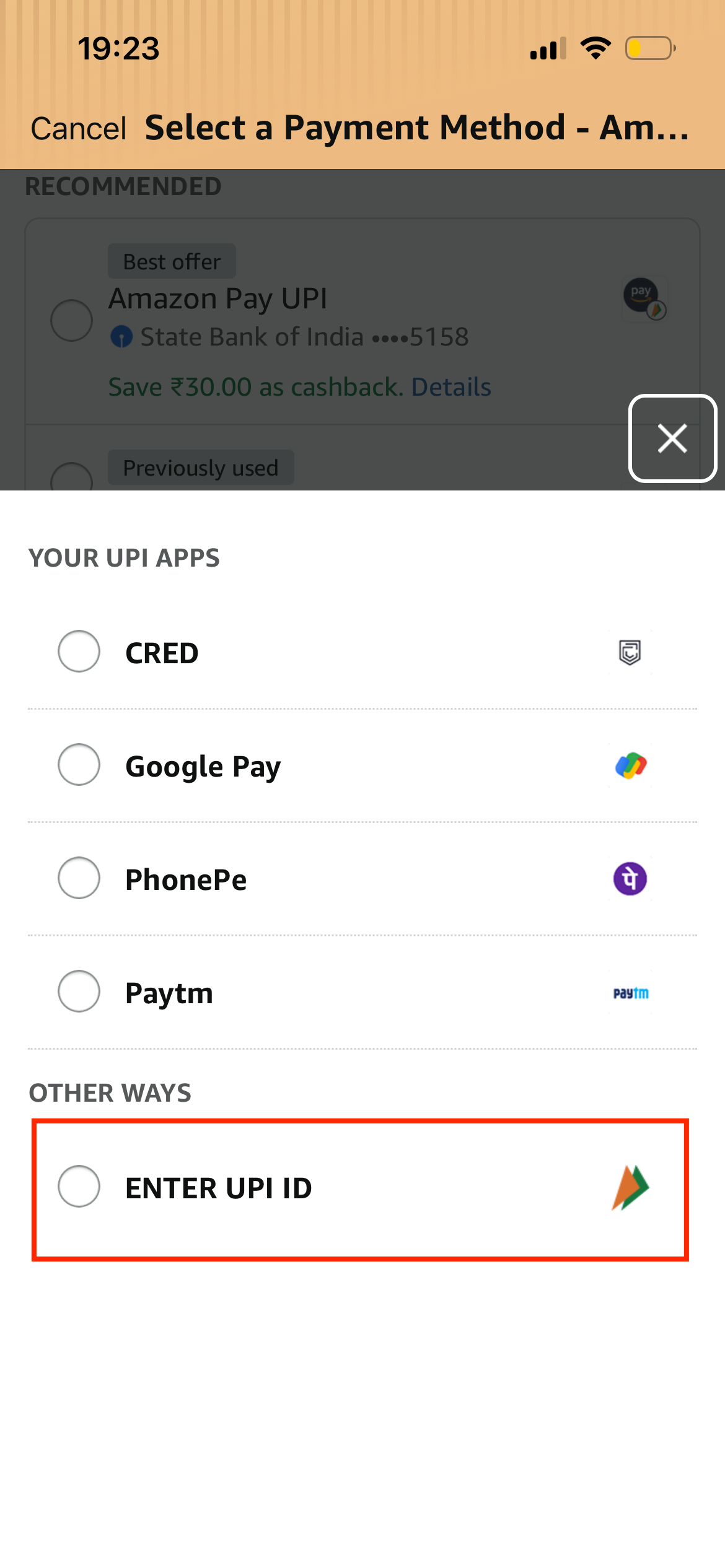
Government-run heritage sites increasingly accept digital payments at the counter, not just cash. Many ASI monuments and their official booking portals now take UPI, alongside debit and credit cards, for both Indian and foreign visitors.
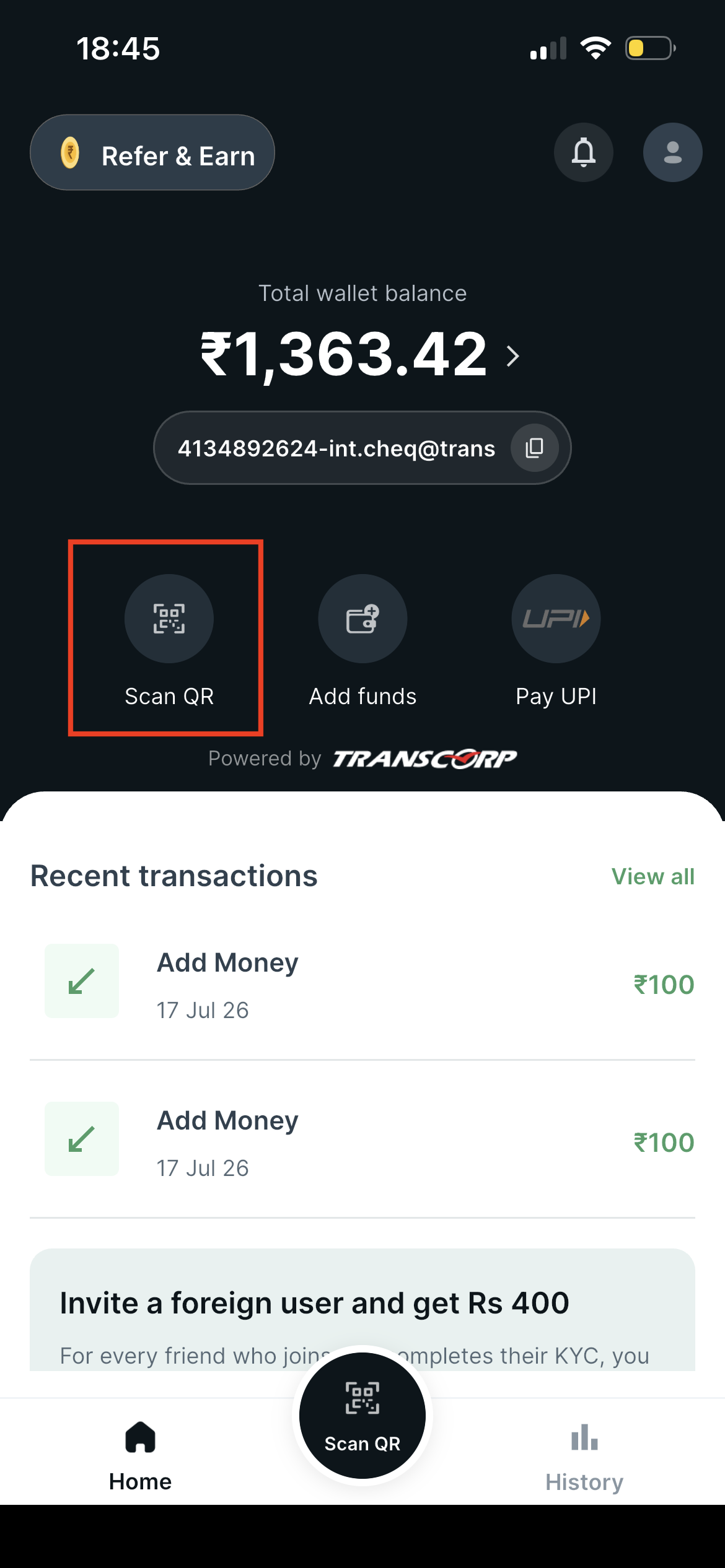
A UPI wallet built for foreign cards, like CheqUPI, lets foreign tourists scan the counter's QR code and pay directly without needing an Indian bank account. For the full mechanics of how this works, take a look at our UPI payment guide for foreign tourists in India.
Some smaller or more remote monuments still run cash-only counters, especially in rural areas. Carrying a mix of payment methods can help avoid getting stuck at the gate.
Temples and gurdwaras: mostly free, donation-based
Active places of worship, as opposed to government-protected monuments, generally don't charge entry fees for anyone. The Golden Temple is free for everyone, and donations are entirely optional.
Donation boxes at temples and gurdwaras are typically cash-only. Digital donation options exist at a few major temples but aren't universal, so carrying small notes matters more here than at ticketed monuments.
What to carry besides your phone
Even with UPI working at most major ticket counters, it helps to carry some cash. Foreign tourists should keep Rs 5,000 to 10,000 (approx $52 to $104) on hand for donation boxes, small vendors near temple complexes, and sites that haven't gone digital yet.
Not every site accepts foreign cards directly, and network coverage inside older stone structures can be patchy. For a broader breakdown of common tourist safety and payment pitfalls, read our guide on scams foreign tourists should watch for in India.
Common payment mistakes to avoid
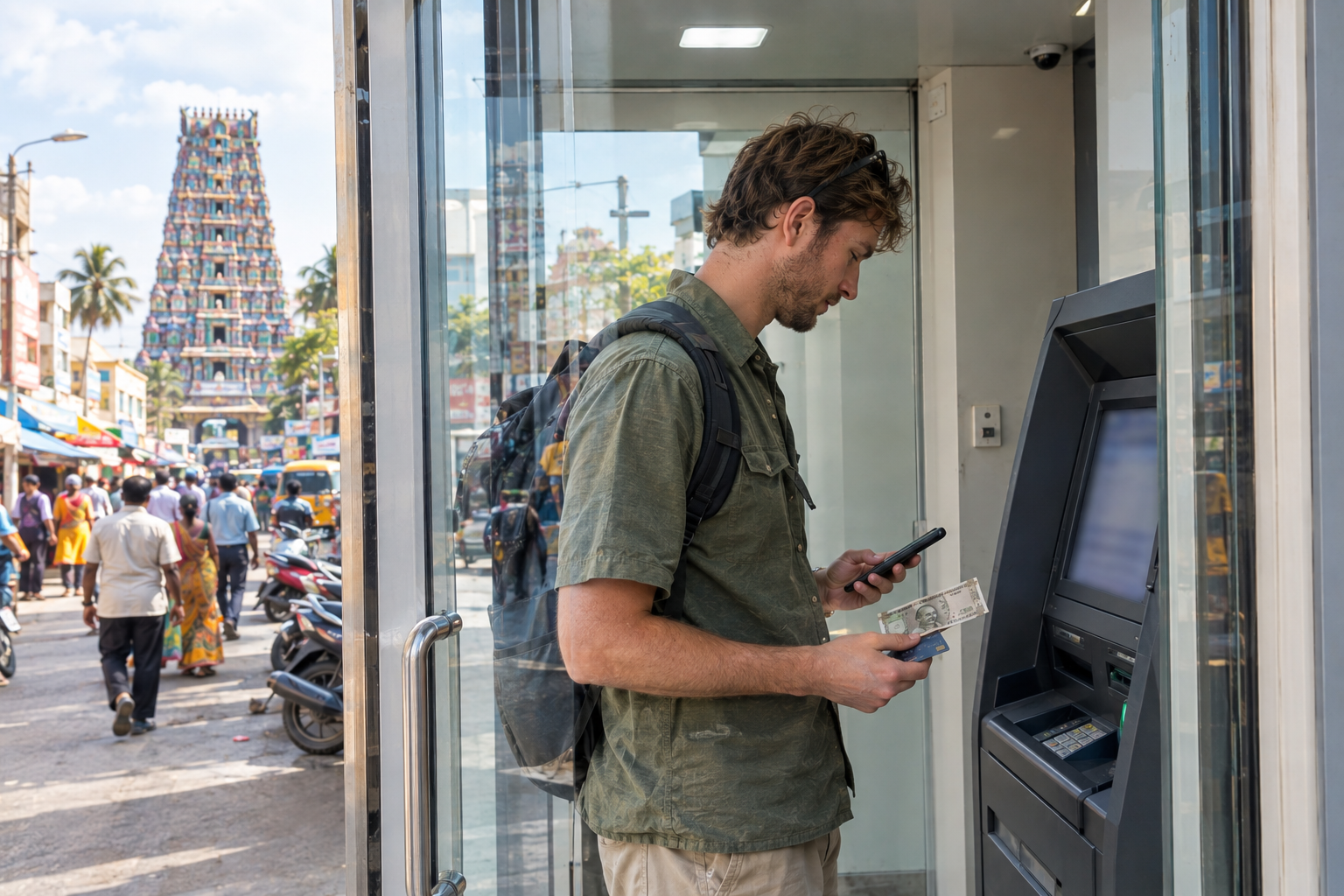
A few simple precautions can help you avoid payment issues and unexpected costs when visiting heritage sites in India.
- Don't assume every monument takes cards. Some smaller sites, particularly outside major cities, are cash-only even in 2026.
- Don't skip carrying ID. Ticket counters that charge different rates by nationality almost always ask to see a passport or other valid ID before issuing your ticket.
- Don't rely solely on ATM withdrawals for temple visits. Foreign card withdrawals at Indian ATMs usually carry a fixed fee of Rs 200 to Rs 335 (approx $2 to $3.5) plus a foreign transaction fee, on top of whatever the entry costs. For a full breakdown, see our guide to ATM withdrawal costs for foreign cards in India.
Conclusion
Entry fees at India's temples and heritage sites split cleanly into two categories: ticketed government monuments with different rates for Indians and foreign tourists, and religious sites that are largely free and donation-based for everyone. Carrying both a working UPI method and some cash covers nearly every situation at the gate. Knowing the actual fee for your nationality before you arrive means no surprises and no overpaying a tout who claims to know the "real" price.
FAQs
What is the Taj Mahal entry fee for Indians and foreign tourists?
Indian citizens pay Rs 50. Foreign tourists pay Rs 1,100 (approx $11), plus Rs 200 for the inner mausoleum for everyone.
How much does Amer Fort cost for Indian and foreign visitors?
Amer Fort in Jaipur charges Indian citizens Rs 100 and foreign tourists Rs 500 (approx $5) for the same entry.
What is the Red Fort entry fee for Indians and foreign tourists?
Indian, SAARC and BIMSTEC citizens pay Rs 35 at Red Fort in Delhi. Other foreign tourists pay Rs 500 (approx $5).
Is there an entry fee at the Golden Temple in Amritsar?
No. The Golden Temple is free to enter for everyone, Indian or foreign. Donations are completely optional too.
Can I pay temple and monument entry fees with UPI?
Yes. Many ASI ticket counters now accept UPI alongside cards, for both Indian and foreign visitors. Temples and gurdwaras are usually donation-based and cash-only.
Do foreign tourists need a passport to buy heritage site tickets?
Yes, for most centrally protected monuments. Ticket counters typically ask for passport ID to confirm the foreign-tourist rate applies.
How much cash should foreign tourists carry for temple visits?
Carry Rs 5,000 to 10,000 (approx $52 to $104) for donation boxes, small vendors, and sites without digital payment options.
Why do foreign tourists pay higher fees than Indian citizens?
The revenue supports conservation and maintenance costs. It's an official, published two-tier pricing policy, not a scam or overcharge.
Are all Indian temples free to enter for both Indians and foreign tourists?
Most active places of worship don't charge entry fees for anyone, though a handful of major temples charge for special darshan or VIP access lines.
What happens if I don't have exact change at a temple donation box?
Nothing. Donations are optional at most sites, for Indian and foreign visitors alike, and there's no obligation to give any amount.
Download CheqUPI before your trip, complete activation after arriving in India, and pay at heritage sites without hunting for cash.