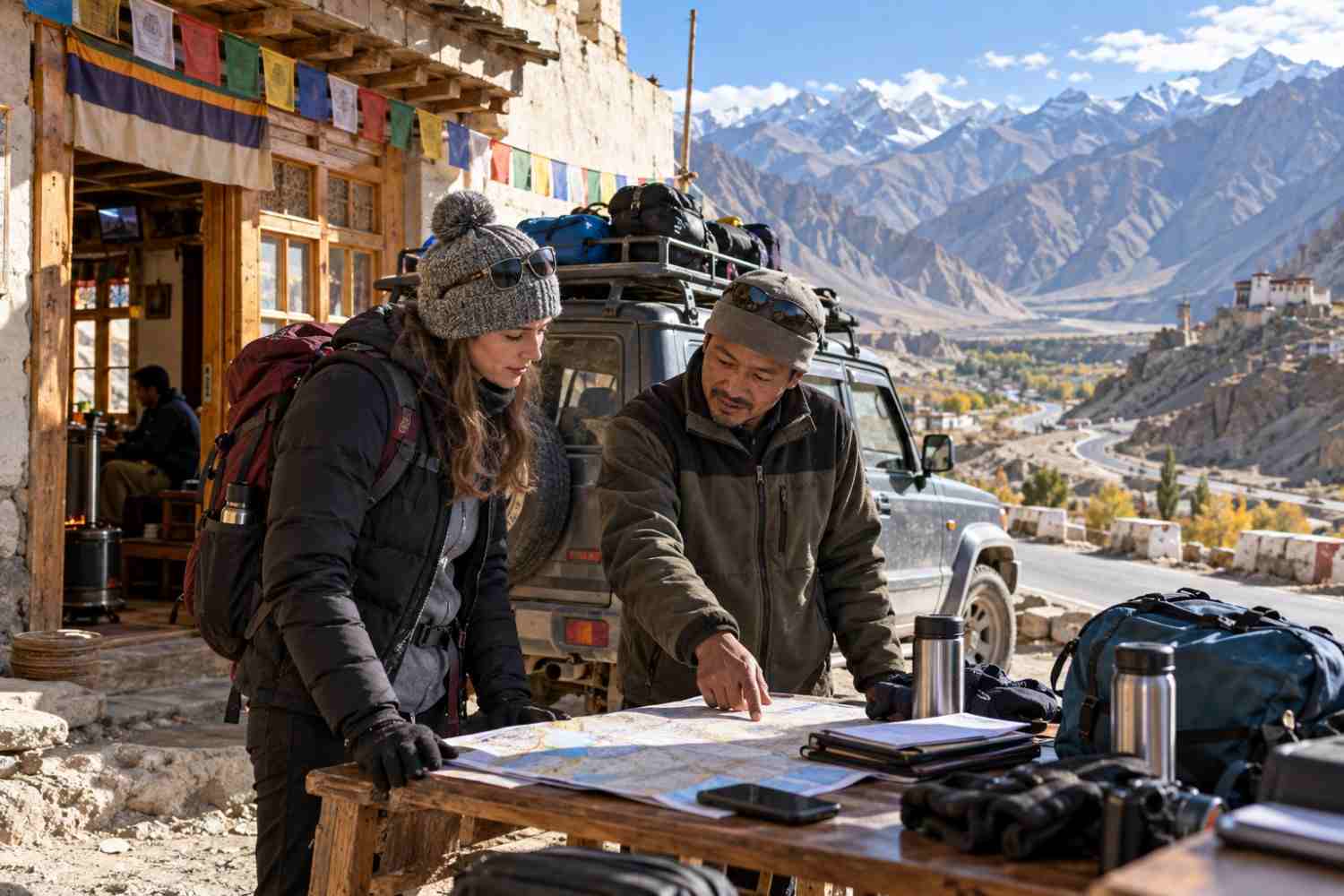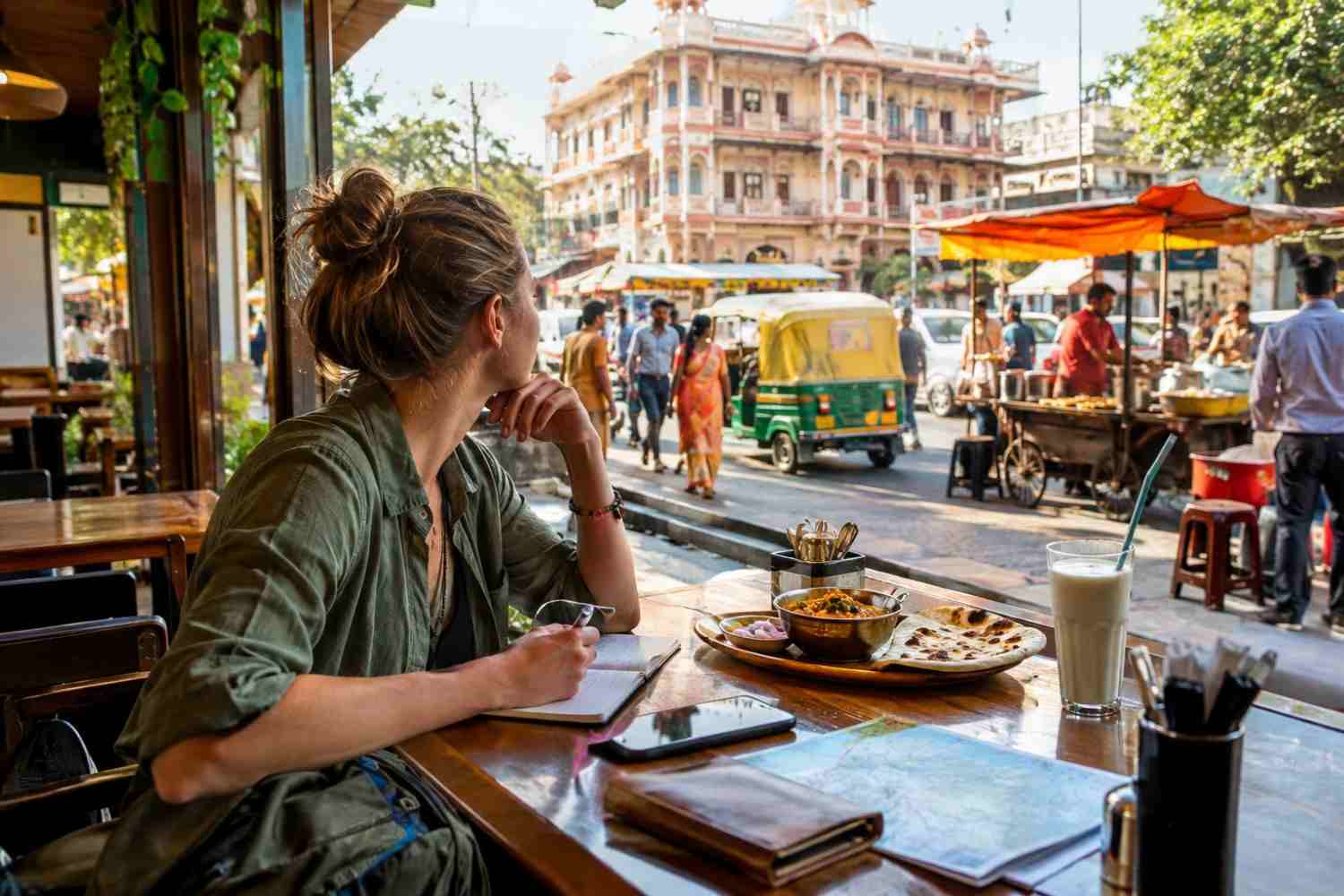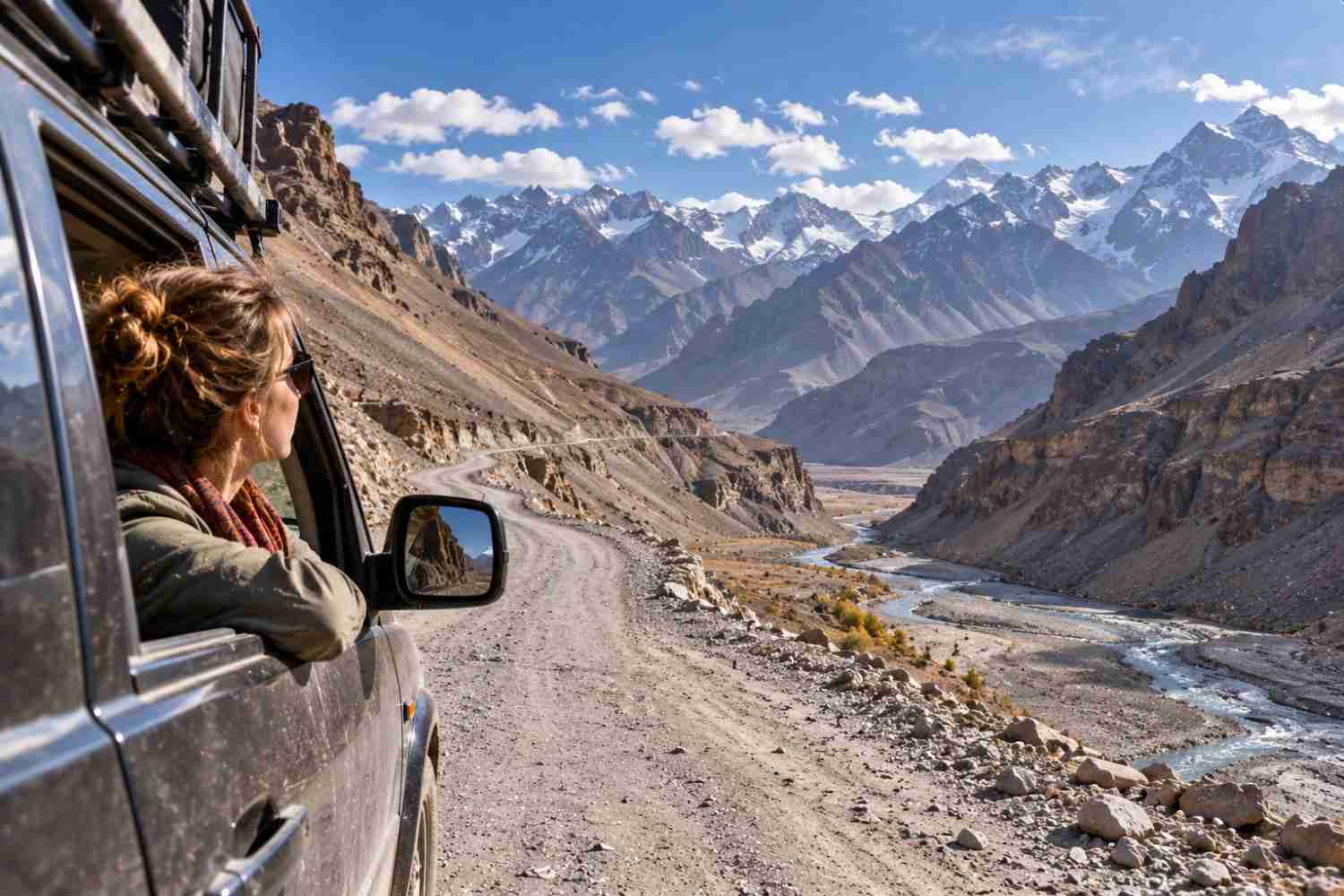
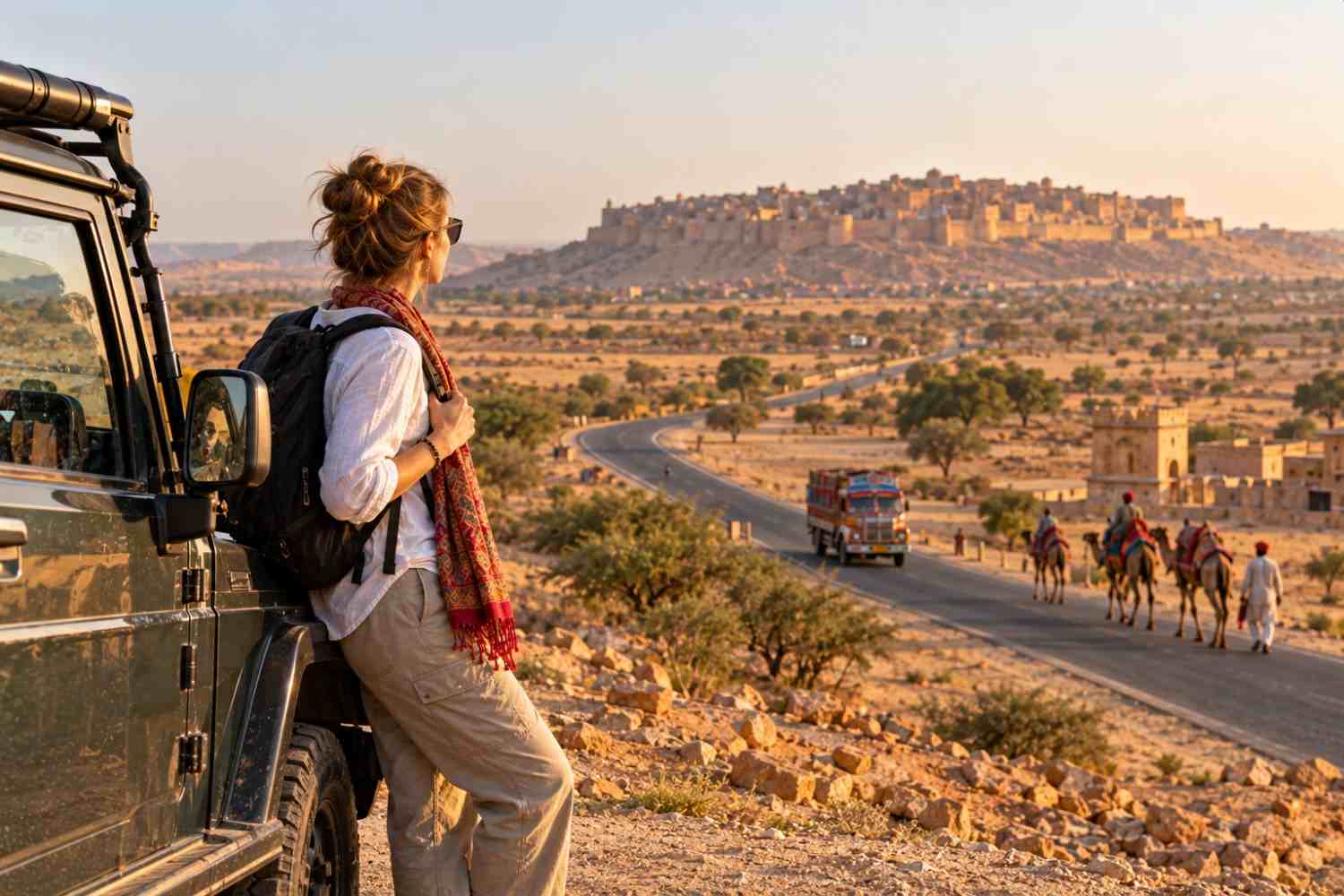
The road out of Jaipur turns gold just after sunrise, and that's the moment you realize no guidebook really prepared you for this. Camel carts share the shoulder with trucks painted in impossible colors, and forts rise out of nowhere on hilltops too steep to have ever been climbed. This isn't a checklist of monuments ticked off between air-conditioned transfers.
It's ten or twelve days of desert light, cracked highways, and small surprises no single city could offer alone. This guide takes you through the classic Jaipur-to-Jaisalmer loop along with what to budget and how to pay along the way.
Key highlights
- The classic loop covers Jaipur, Jodhpur, Jaisalmer, and Udaipur, with Pushkar as a common detour.
- Ten to twelve days lets you drive the full circuit without rushing forts or desert stops.
- October to February is the comfortable driving window before summer heat sets in.
- CheqUPI is free to join for all eligible nationalities, with a loading fee of 2.95% + applicable taxes and 0% merchant payment fee.
- UPI QR codes work at dhabas and small vendors where card machines are rarely available.
- CheqUPI has 15+ verification branches across India, including Jaipur and Delhi on this route.
- Open to travelers from 180+ FATF-compliant countries, with card loading via Visa or Mastercard only.
Why a Rajasthan road trip is different from a city-hop
A single city gives you hotels, restaurants, and card machines within easy reach. A road trip through Rajasthan moves you through desert towns, highway dhabas, and toll plazas. None of that infrastructure is guaranteed once you're off the main tourist strip.
Distances between cities also run longer than most first-time visitors expect. A Jaipur-to-Jodhpur leg alone can take five to six hours depending on traffic and stops.
The state rewards travellers who plan for both the palaces and the petrol stops. Getting the logistics right upfront means fewer surprises once you're three hours from the nearest big city.
The classic Rajasthan road trip route
Most first-time road trips follow a loop. Delhi or Jaipur works as the starting point, then Jodhpur and Jaisalmer, before looping back through Udaipur or Pushkar. This route covers roughly 1,800 to 2,600 kilometers depending on the detours chosen.
Many travellers also add a short stop in Pushkar for its lake and temple. A swing through Bikaner adds desert forts and the unusual Karni Mata Temple.
How many days you actually need
Ten days is workable if you keep stops tight and drive efficiently between cities. Twelve to fourteen days lets you add Bikaner, Chittorgarh, or Mount Abu without feeling rushed between forts.
Best time of year to drive
October through February brings cooler temperatures and clearer highway visibility. Summer months push past 45 degrees Celsius in the desert stretches. Long driving days become genuinely uncomfortable once the heat sets in. Monsoon season, roughly July to September, adds humidity and occasional road delays in low-lying stretches.
Best Rajasthan cities for tourists on this route
Jaipur anchors the loop with the Amber Fort, City Palace, and Hawa Mahal. Jodhpur's blue old city sits beneath the towering Mehrangarh Fort, one of the most striking forts in the state.
Jaisalmer's sandstone fort rises directly out of the Thar Desert, still inhabited rather than preserved as a museum piece. Its narrow lanes hold havelis, guesthouses, and shops selling mirror-work textiles. Udaipur adds lake palaces and a slower pace after several driving-heavy days.
Pushkar works well as a short detour for its sacred lake and temple, and it's an easy walk between both. Each city rewards at least two full days rather than a rushed overnight stop. Rushing any one of them tends to flatten the whole trip into a blur of forts.
Self-drive vs private driver
Self-driving gives you full control over stops but it means driving through unfamiliar highways and toll systems. Livestock on the road and inconsistent signage add another layer of difficulty for first-time drivers in India.
A private driver removes that pressure entirely and usually knows which dhabas are actually worth the stop. It costs more than a self-drive rental. Most first-time visitors still find it far less stressful across a loop this long, especially on unfamiliar night drives.
Paying your way through Rajasthan
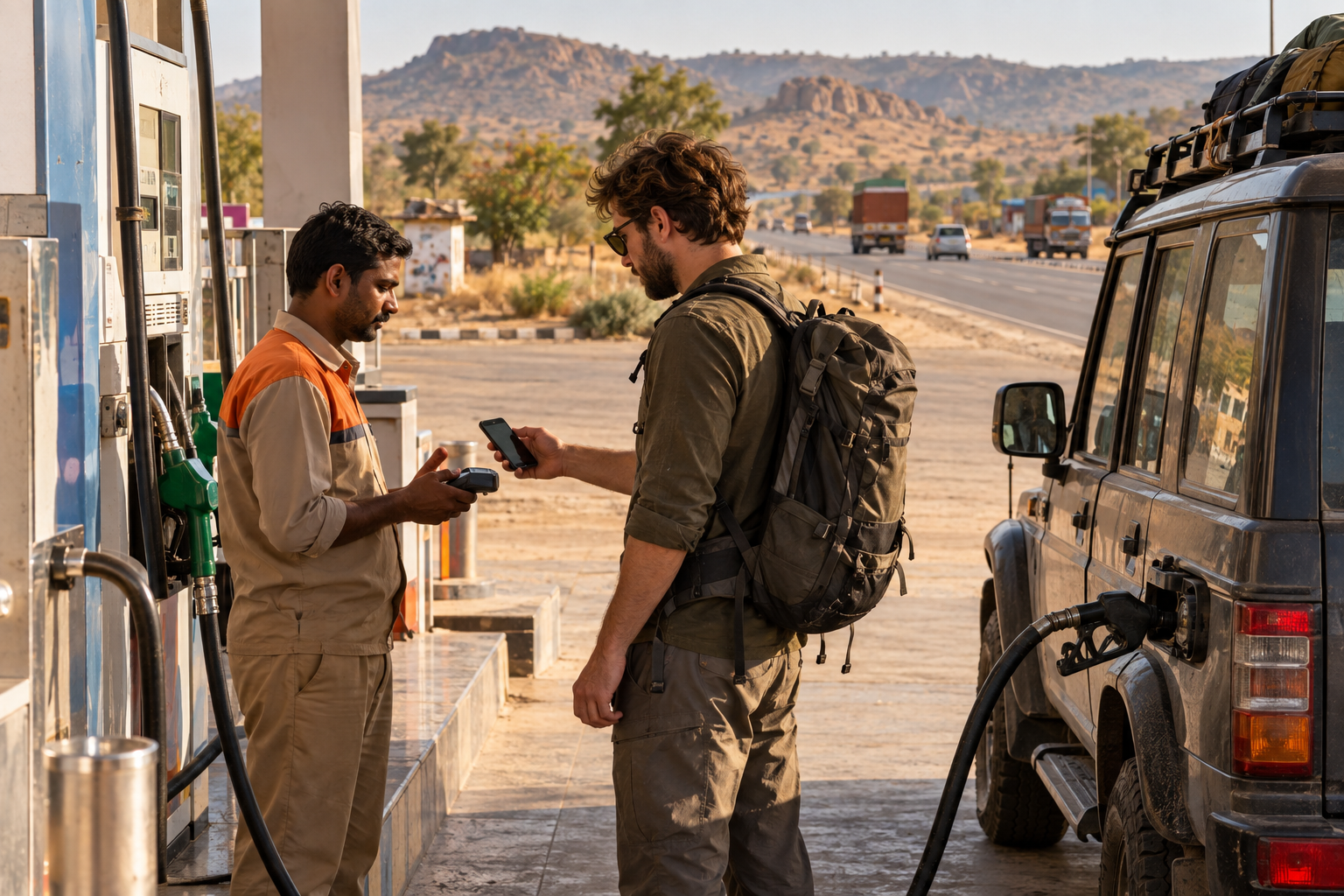
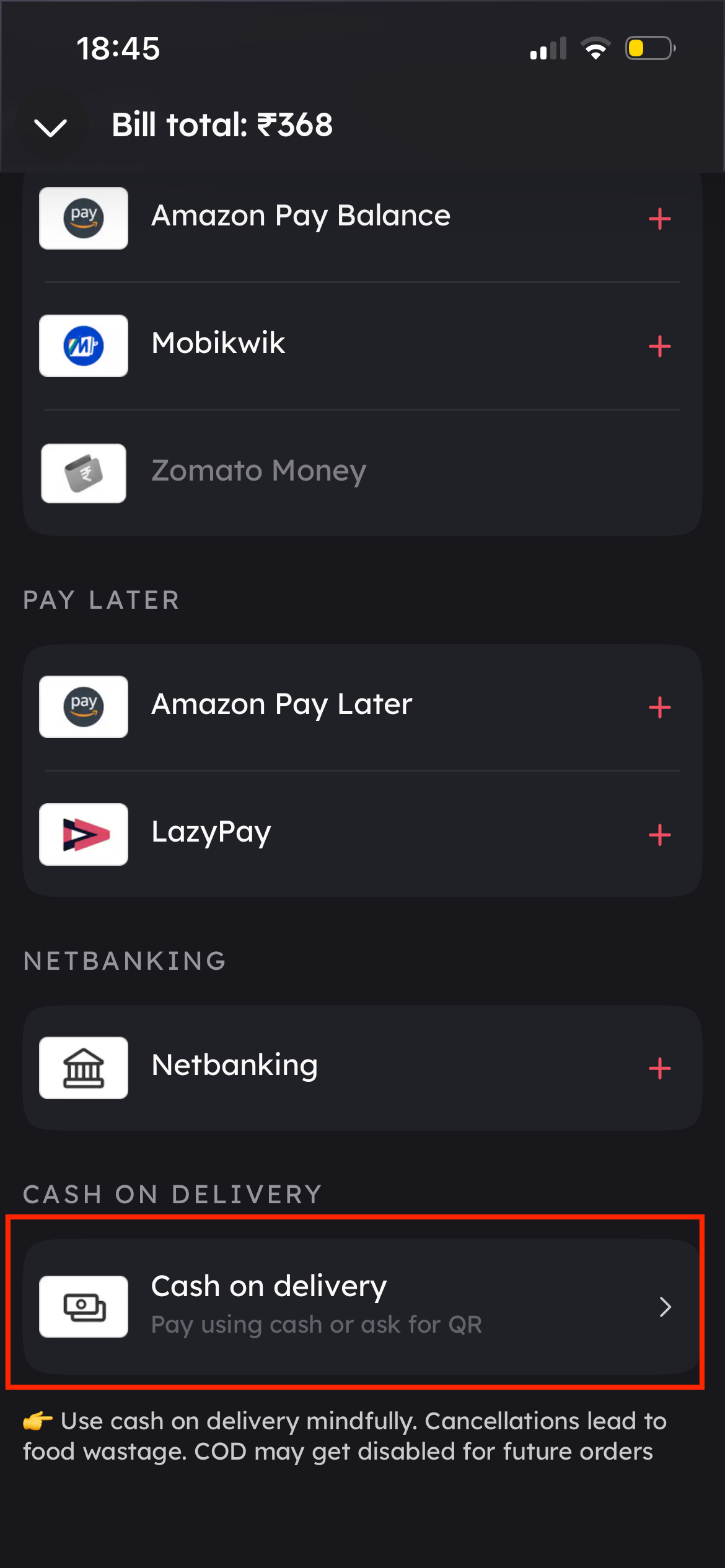
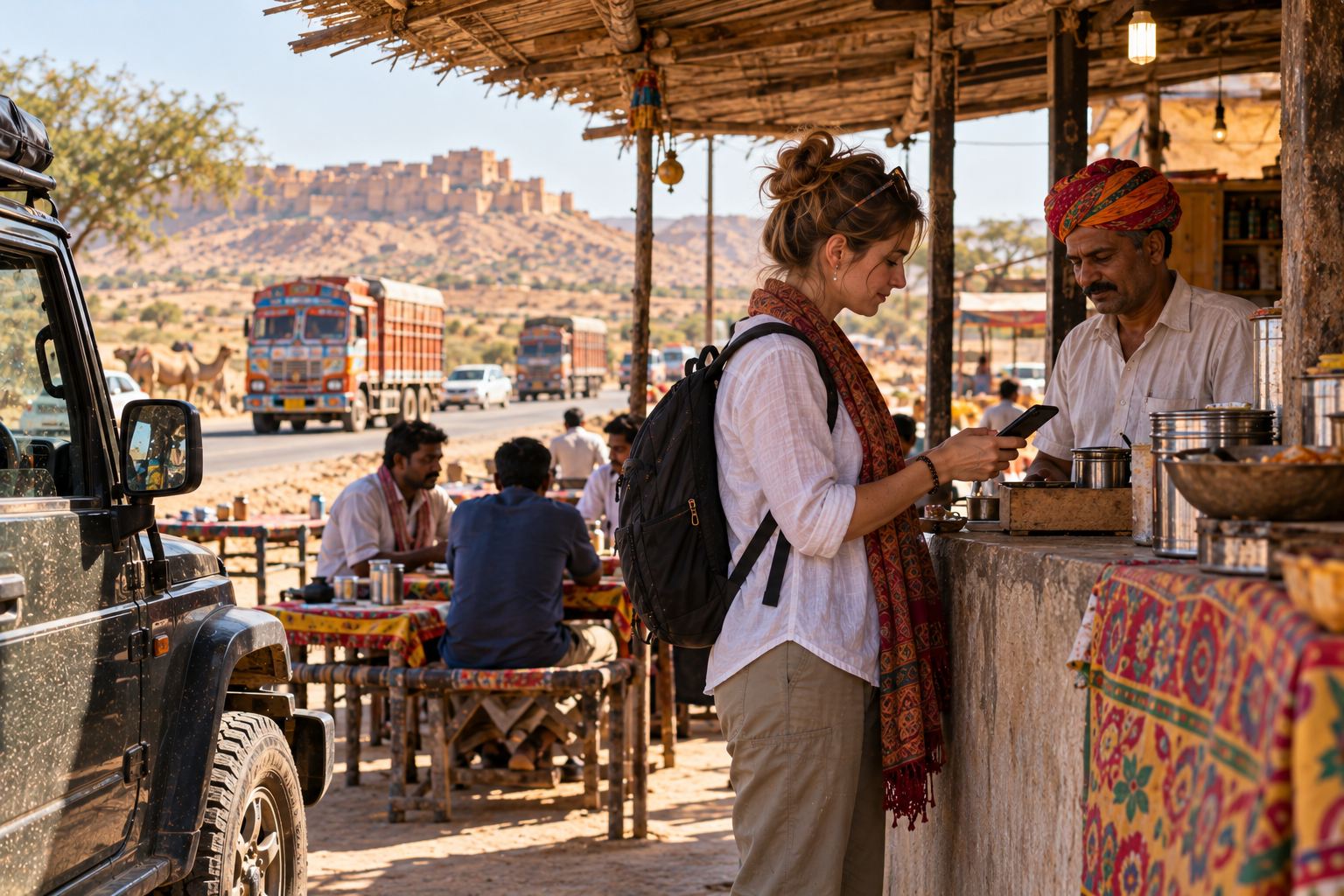
Card acceptance drops sharply once you leave hotel lobbies and organised fort ticket counters. Toll booths, fuel pumps, and roadside dhabas often run on cash or UPI, with no card machine anywhere in sight.
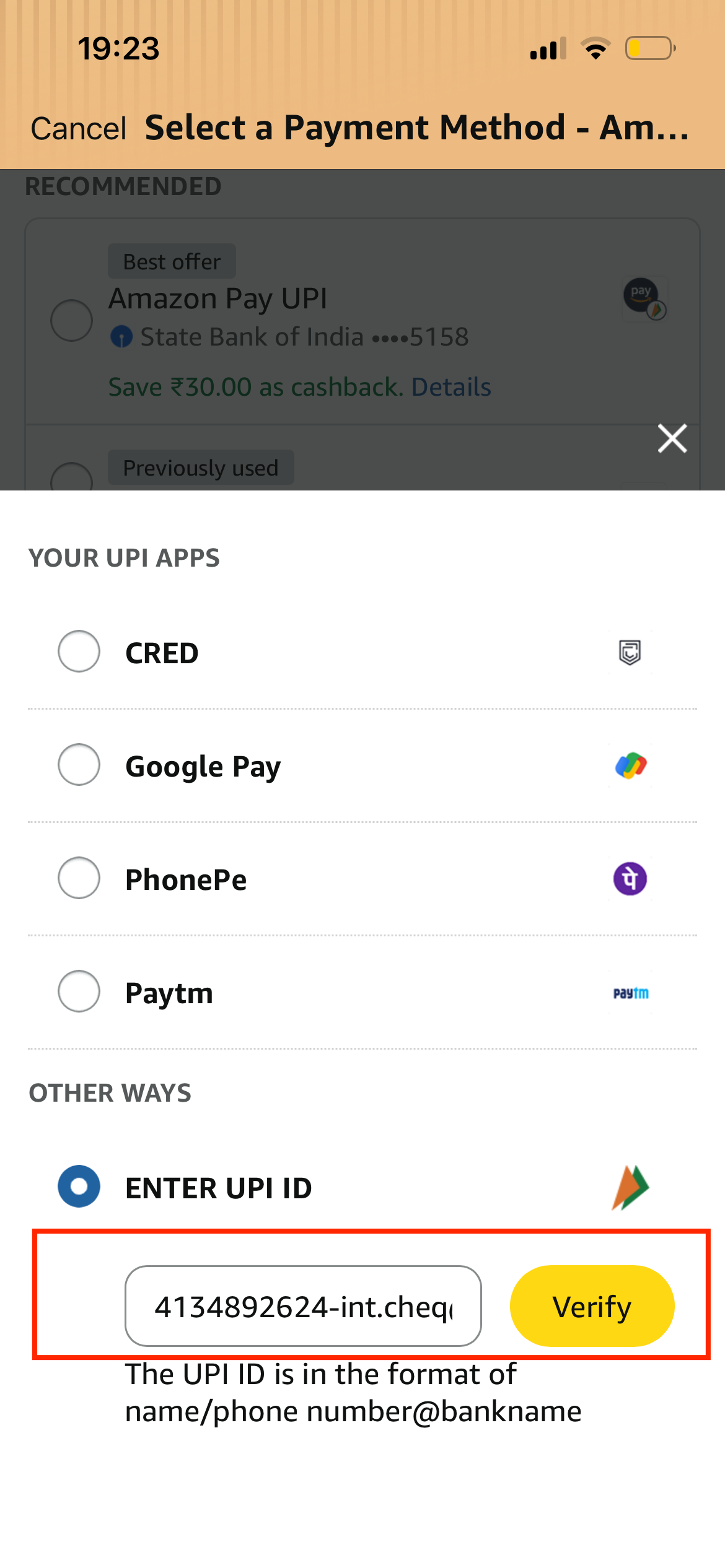
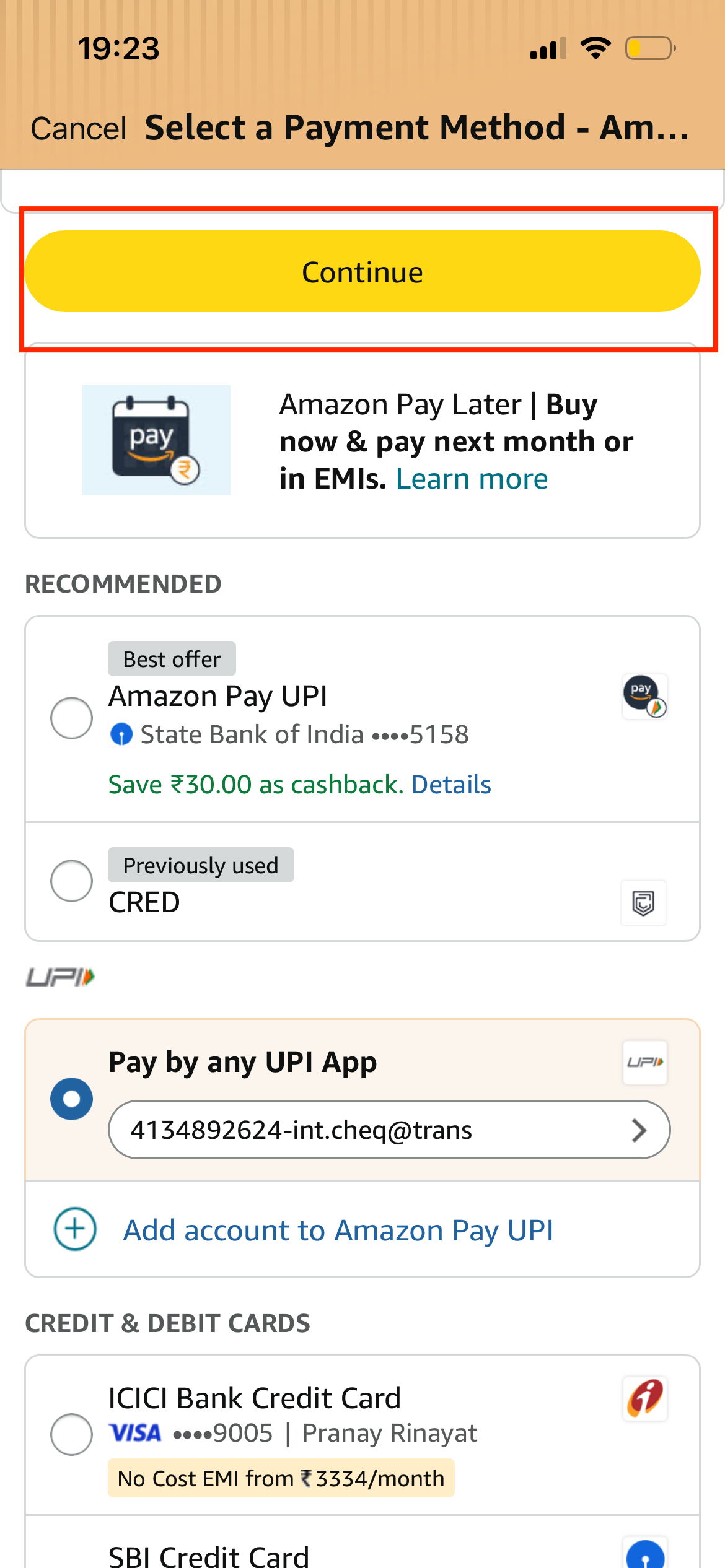
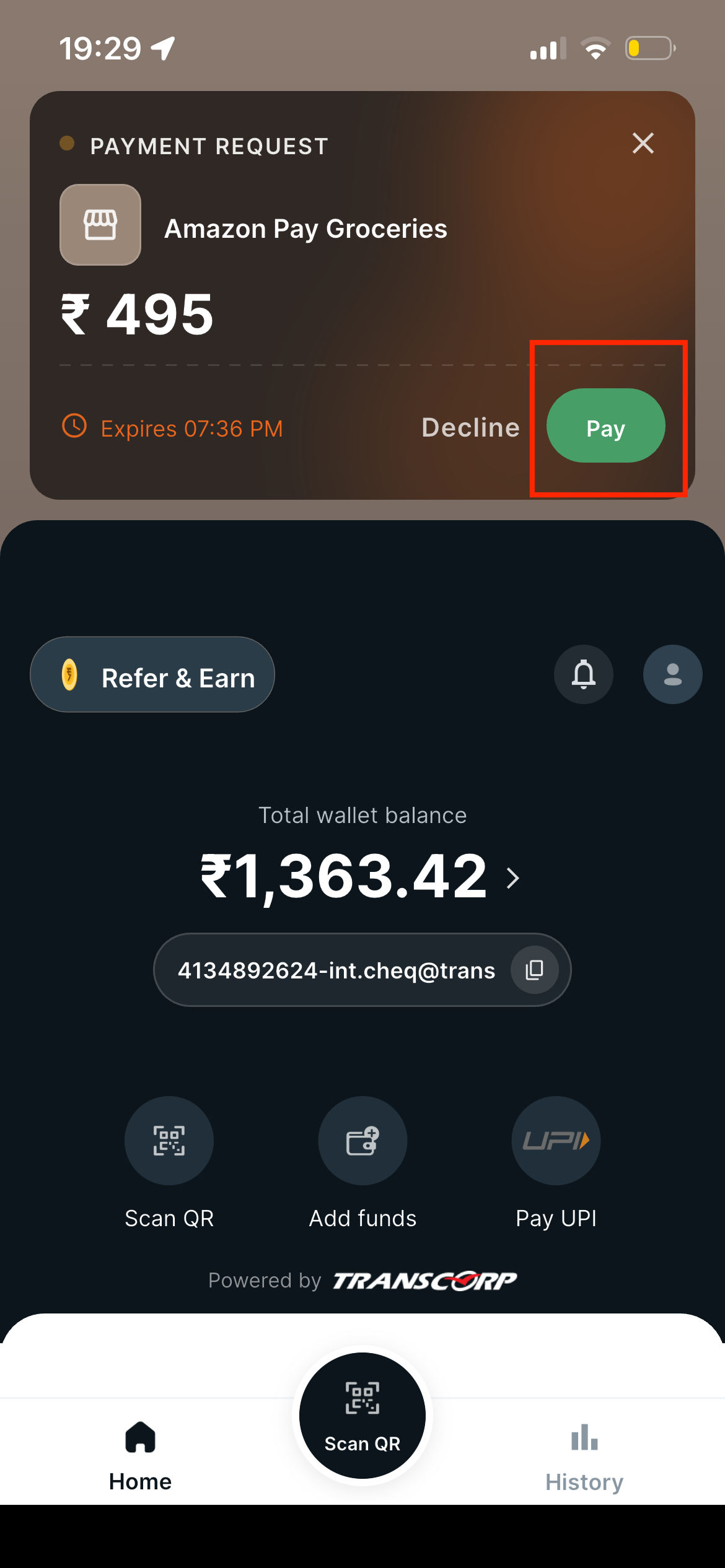
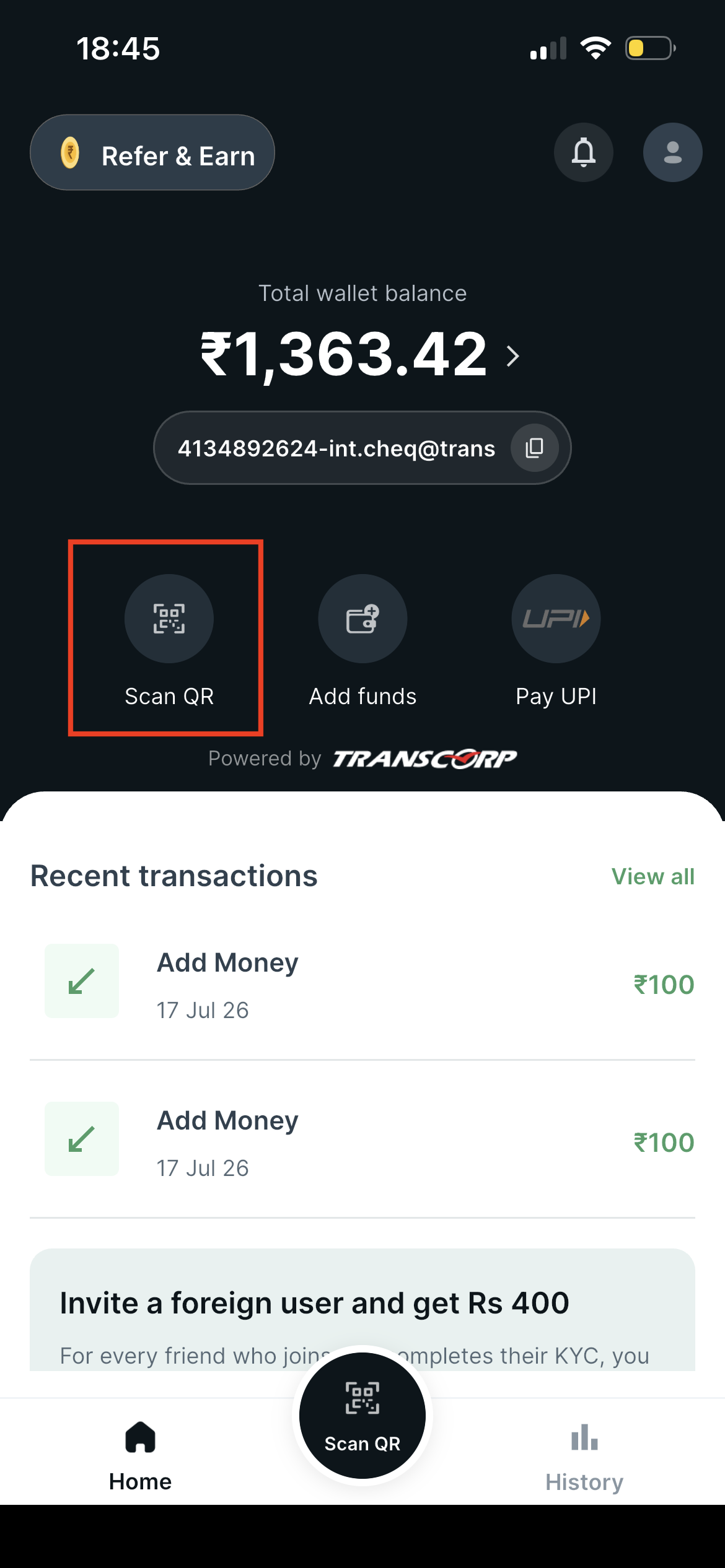
This is where a UPI-enabled wallet becomes genuinely more useful than a foreign card on a Rajasthan road trip. CheqUPI turns an international Visa or Mastercard into a UPI-ready wallet. That means you can scan the same QR code a local traveller would use at a dhaba or petrol station.
It needs no Indian bank account or SIM card to work. An internet connection and location access are required, so keep offline maps as backup in patchier desert stretches. For the full setup process, see how UPI payments work for foreign travelers in India.
You can set it up from home before your flight and complete verification at your earliest convenience after reaching your hotel or by visiting a city branch. Jaipur and Delhi both sit directly on this route, so verification fits naturally into the first leg of the trip.
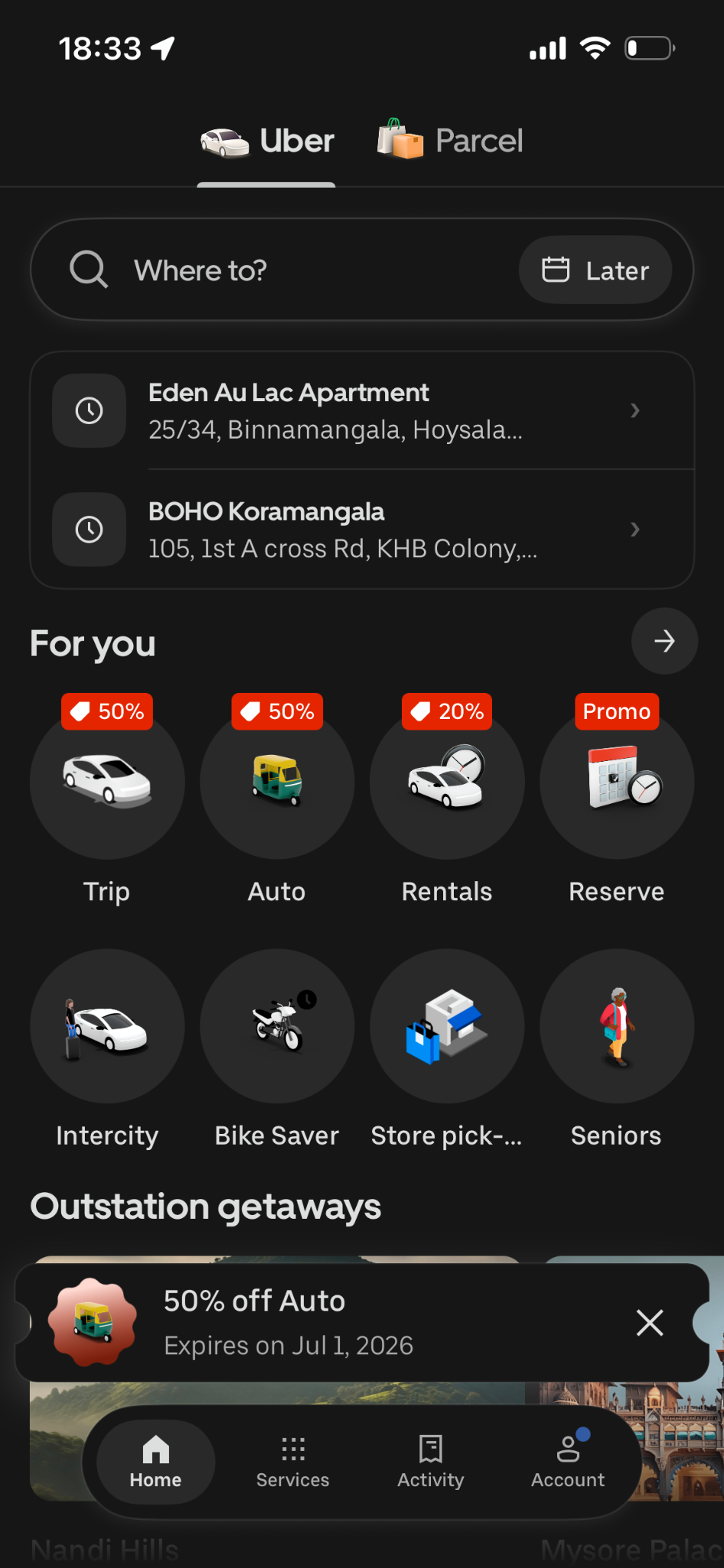
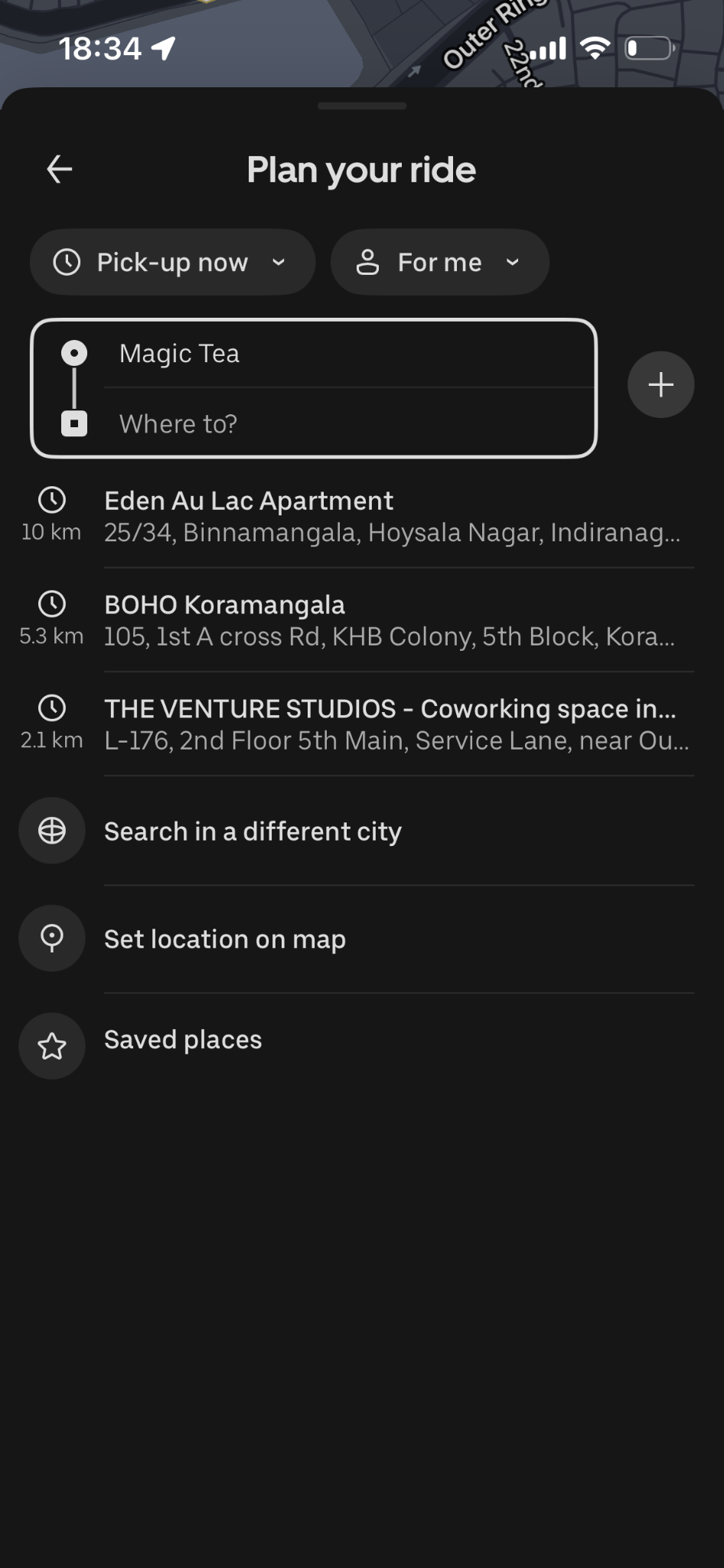
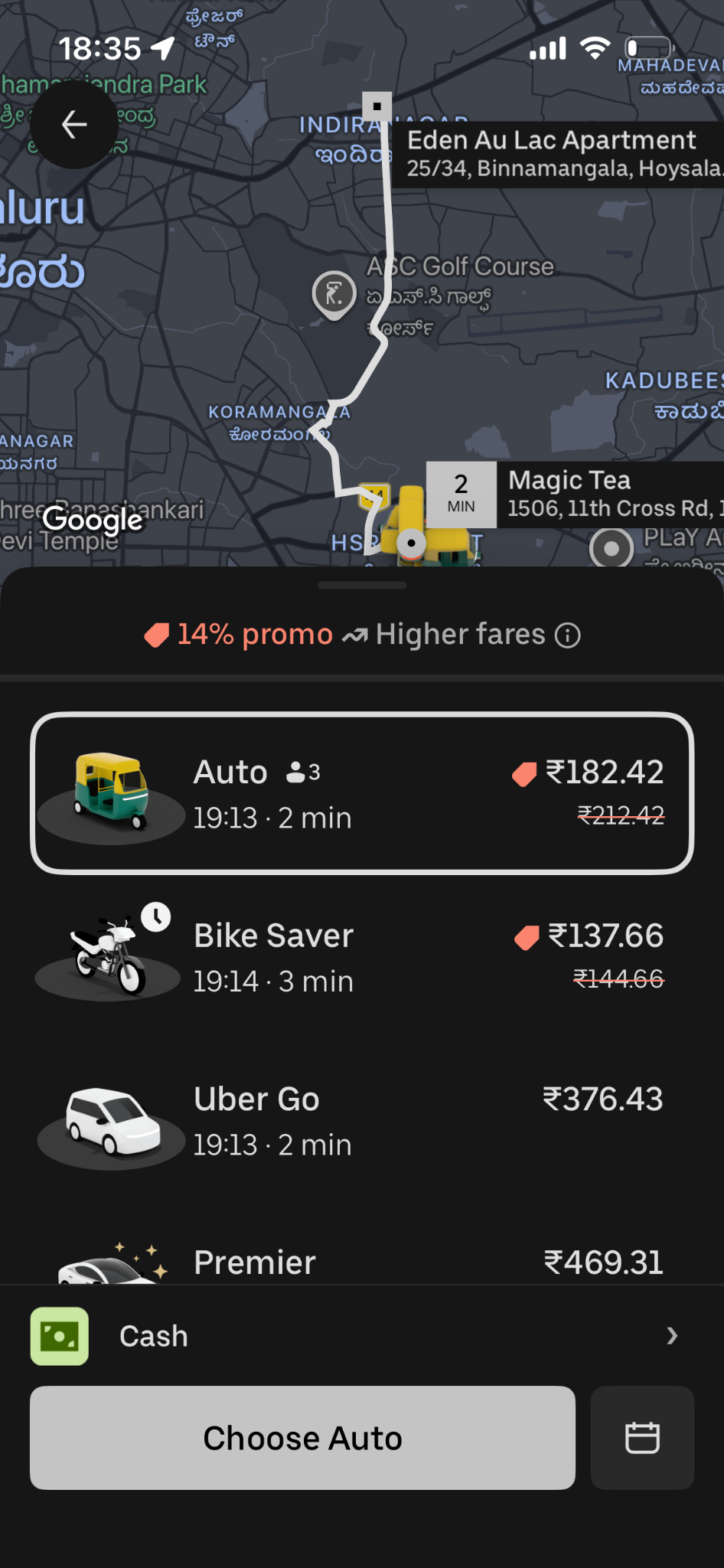
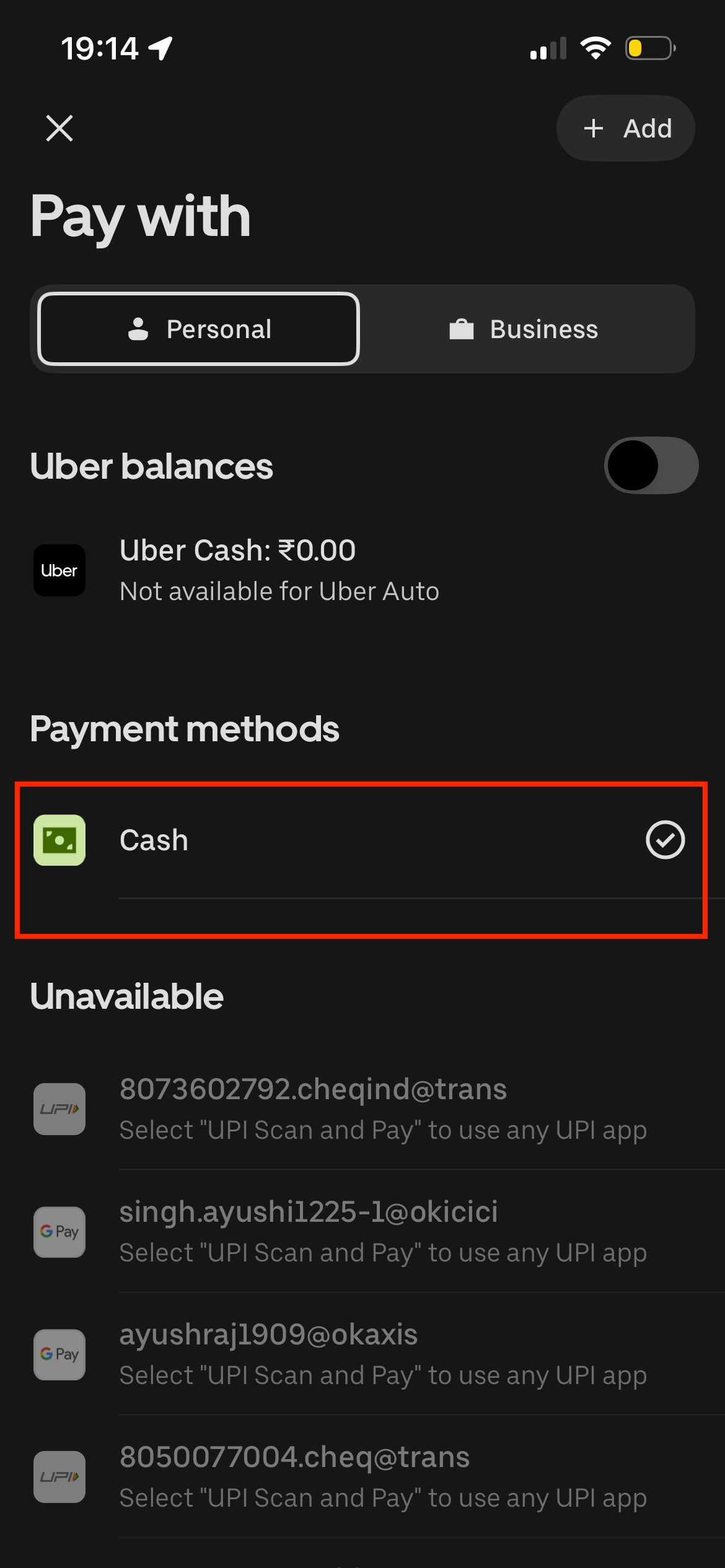
Uber does not currently accept PPI wallets, only regular UPI. Keep a card or cash ready for cab bookings within Jaipur, where ride-hailing apps are most reliable.
What a Rajasthan road trip actually costs
Beyond driver or rental fees, fuel, tolls, and fort entry tickets add up quickly across a multi-city loop. Small daily costs like chai stops and parking fees also stack up over ten to twelve days. Keep Rs 5,000 to 10,000 (approx $52 to $104) in cash for vendors where digital payment isn't available.
If you rely on foreign card ATM withdrawals along the way, expect a fixed bank fee on top of the exchange rate. That fee runs roughly Rs 200 to 335 (approx $2 to $3), plus a 1 to 3 percent foreign transaction charge.
Airport money changers typically apply an 8 to 9 percent markup, making them the most expensive option on this list. See what it costs to withdraw cash from Indian ATMs for a full breakdown before you land.
Staying safe on Rajasthan's highways
Long driving days between cities carry the usual road trip risks. Fatigue, unfamiliar signage, and touts near major fort entrances all deserve some planning ahead of time. Night driving on rural highways is best avoided where a daytime alternative exists.
Book fuel stops and rest breaks in advance where possible. Keep valuables out of sight in parked vehicles at tourist sites, since forts draw crowds and distracted moments. It helps to know common scams foreign tourists should watch for before you're deep into the desert stretches.
Rajasthan travel tips for 2026
- Carry printed or offline copies of hotel bookings for stretches with weak signals.
- Check FASTag or toll payment options before renting a self-drive vehicle.
- Pack a jacket or warm layers. Desert nights in Jaisalmer and Bikaner can get cold after sunset.
- Confirm your CheqUPI wallet is loaded before leaving major cities, since top-ups are easiest with reliable internet access.
- Book doorstep verification through WhatsApp in advance if your schedule is tight in Jaipur or Delhi.
- Carry a printed route map as backup. Highway signage between smaller towns isn't always reliable.
- Build in a rest day around the midpoint of the loop, usually after Jaisalmer, to avoid burning out before Udaipur.
Conclusion
A Rajasthan road trip rewards travellers who plan the route and the payments equally well. Get the Jaipur to Jaisalmer loop right and budget realistic cash alongside digital payments. The forts, the dhabas, and the long desert stretches all become far easier to enjoy.
FAQs
1. How many days do I need for a Rajasthan road trip?
Ten days covers the core Jaipur, Jodhpur, Jaisalmer, and Udaipur loop comfortably. Add two to four more days for Bikaner, Chittorgarh, or Mount Abu.
2. What is the best route for a Rajasthan road trip?
Most travelers start in Delhi or Jaipur, drive west to Jodhpur and Jaisalmer, then loop back through Udaipur or Pushkar.
3. Is self-driving in Rajasthan safe for foreign tourists?
It is safe but can be demanding and stressful, with unfamiliar highways, tolls, and livestock on the road. Many first-time visitors prefer a private driver instead.
4. Can I pay by card everywhere in Rajasthan?
No. Card machines are common in hotels and Fort ticket counters but rare at dhabas, toll booths, and small-town fuel stations.
5. Does UPI work for foreign tourists in Rajasthan?
Yes, through a UPI-enabled wallet like CheqUPI, which turns an international Visa or Mastercard into a scannable UPI QR payment method.
6. How much cash should I carry on a Rajasthan road trip?
Rs 5,000 to 10,000 (approx $52 to $104) covers small vendors and situations where digital payment is not available.
7. What is the best time of year for a Rajasthan road trip?
October through February offers cooler, more comfortable driving conditions. Summer months bring extreme desert heat that slows travel.
8. Do ride-hailing apps work across Rajasthan?
Uber and Ola operate mainly in Jaipur. Smaller towns and forts rely on local taxis, so book transport in advance outside the capital.
9. How do I set up CheqUPI before my Rajasthan trip?
Download the app and register before your flight. Complete verification after reaching your hotel or at a city branch, including Jaipur and Delhi.
10. What is the ATM withdrawal cost for foreign cards in Rajasthan?
Expect a bank fee of roughly Rs 200 to 335 (approx $2 to $3). A 1 to 3 percent foreign transaction charge applies on top.
“Download CheqUPI and keep UPI payments ready for dhabas, fuel stops, and small vendors across your Rajasthan road trip.”