Kerala's monsoon often makes travelers question whether they've picked the wrong season. In reality, it's when misty tea estates, overflowing waterfalls, and quieter backwaters are at their best. The rain changes how you travel, but with the right planning, it rarely stops you from enjoying the trip.
Knowing what changes during the monsoon, where to go, and how to pay when weather affects connectivity helps you make the most of Kerala's greenest season.
Key highlights
- Kerala's southwest monsoon runs from June to September, followed by a lighter northeast monsoon in October and November.
- Hotels across Kerala often drop rates by 30% to 50% during July, making monsoon the state's best-value travel season.
- Domestic flights to Kochi and Thiruvananthapuram can cost 20% to 50% less than peak winter fares.
- Eravikulam National Park typically closes during peak monsoon, so plan your Munnar itinerary accordingly.
- Power outages in smaller towns can interrupt card payments, but UPI QR payments continue through your phone's data connection.
- CheqUPI is free to join for all eligible nationalities, with a loading fee of 2.95% + taxes and a 0% merchant payment fee.
- Carry Rs 5,000 to 10,000 (approx $52 to $104) in cash as a backup for areas with poor connectivity or vendors without UPI.
When Kerala's monsoon actually happens
Kerala's southwest monsoon arrives in early June and runs through August or September. Rain here rarely falls as one long downpour. It usually comes in strong bursts followed by hours of overcast calm, leaving time for sightseeing between showers.
A shorter northeast monsoon follows in October and November, bringing lighter and more scattered rain. Most travelers planning a monsoon trip are thinking about the June to September window.
Best places to visit during Kerala's monsoon
Not every part of Kerala behaves the same way in the rain. The destinations below hold up well and, in some cases, look dramatically better for it.
Munnar
Munnar sits high in the Western Ghats, where monsoon cloud cover settles directly over the tea estates. The rolling hills turn misty and a deeper green through most of the day. Eravikulam National Park typically closes during peak monsoon, so plan around it rather than assuming it will be open.
Alleppey backwaters
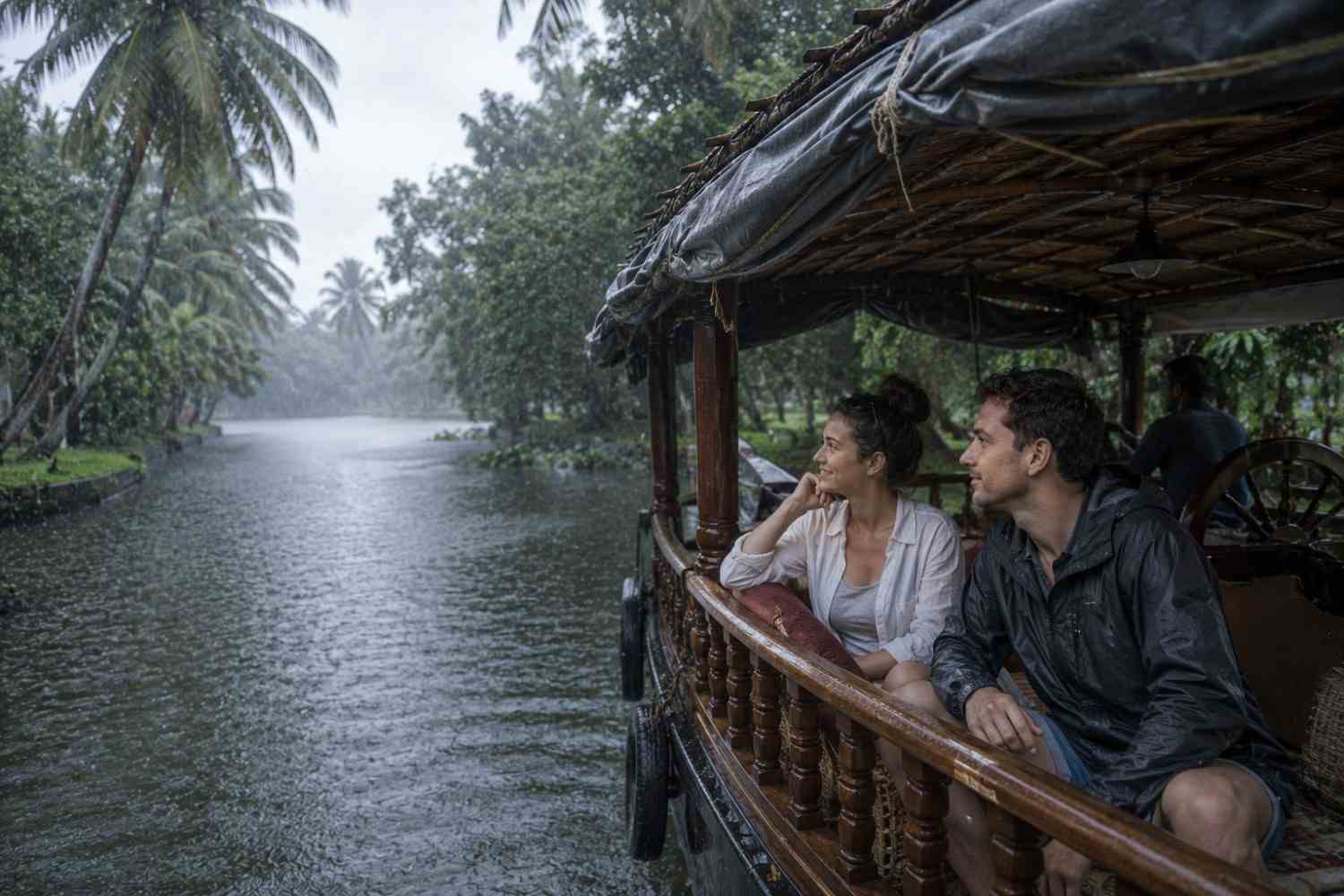
Alleppey's backwater canals rise just enough during monsoon to make a houseboat ride feel calmer and more lush. Rain on the roof while gliding past coconut groves is one of the season's signature experiences. That said, safety rules apply during heavy weather: the Tourism Department officially suspends houseboat movement on Vembanad Lake during heavy rain and strong winds due to capsize risk, keeping boats docked until conditions clear.
Build some flexibility into your schedule, since delays or last-minute cancellations are a real possibility during the wettest weeks. Book with a certified operator a little in advance, since demand stays steady even in the off-season.
For a quieter alternative, Kumarakom sits on the same Vembanad Lake system but sees far fewer crowds than Alleppey. It offers comparable houseboat options along with smaller country boat rides through narrower canals, making it a good fit for travelers who want the backwater experience without the busier commercial stretch.
Athirapally waterfalls
Athirapally, Kerala's largest waterfall, runs at full force by July. Smaller waterfalls across the state also transform into proper roaring drops during this period. Wear proper footwear on the viewing paths, since the walkways get slippery after rain.
Wayanad
Wayanad's forests and viewpoints turn a deeper green through monsoon, with mist settling over the hills each morning. This district needs extra caution, though — Wayanad saw a major landslide disaster in 2024 and remains prone to landslides and flash floods during heavy rain. Check the IMD's daily rain alert (Yellow/Orange/Red) for Wayanad before heading out, and avoid hill and forest routes during a Red Alert. Trekking always requires a licensed guide, since trails can become risky or impassable without local knowledge. Spice plantations across the district still look their best during the wet season, but plan hill visits around the day's alert status.
Kovalam and Varkala
Monsoon is not really a beach trip season here. High tides and rough seas often wash away the main beach strip entirely, and most tourist infrastructure cliffside cafes, shacks, and shops shuts down for the off-season, leaving these towns with far less to offer than in peak season. Swimming is unsafe due to strong currents and undertows. What's left works better as a quiet, low-key day-trip base rather than a beach-focused stay, with lower guesthouse rates for travelers who don't mind the limited options.
Why monsoon is Kerala's best-value season
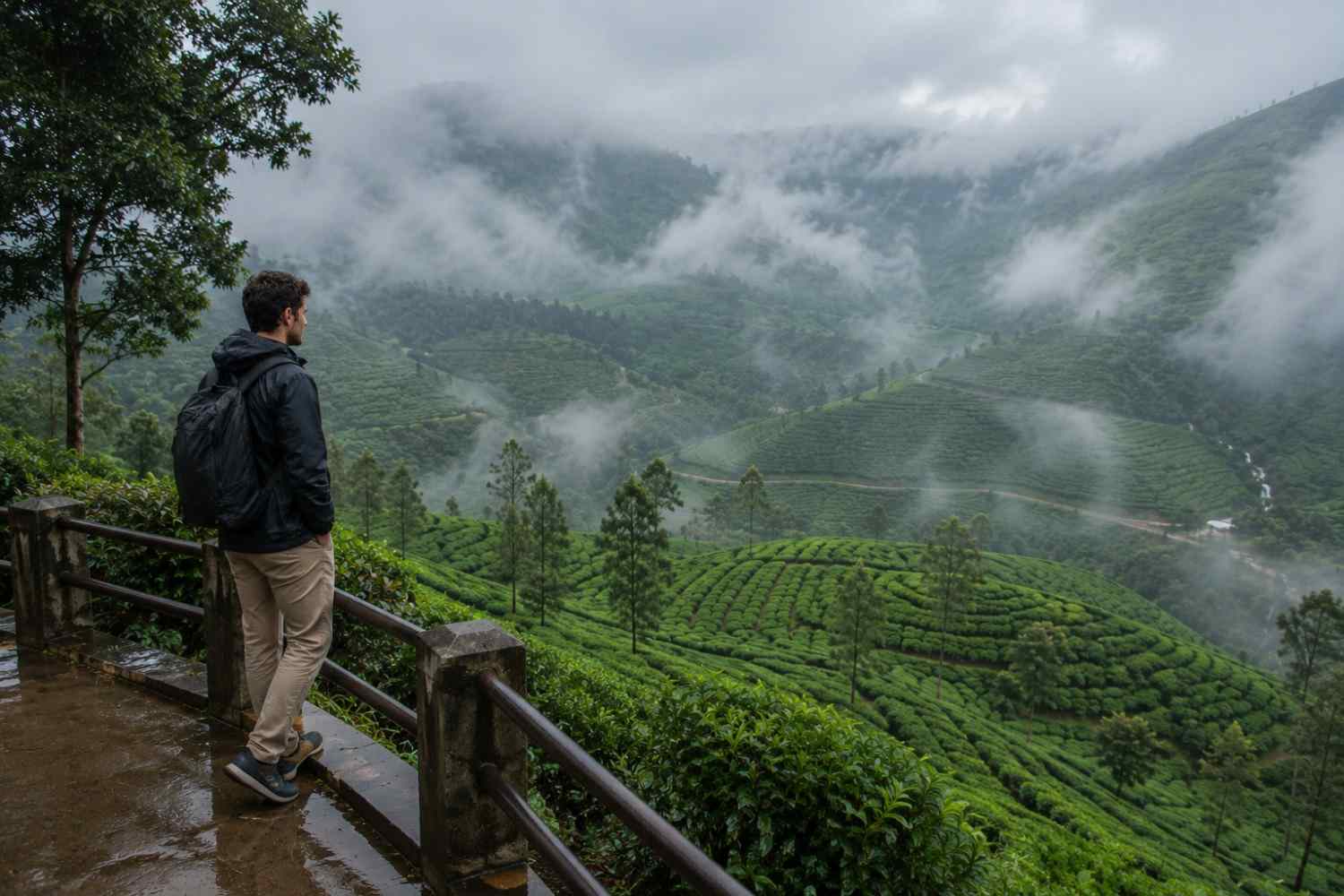
Hotel rates drop 30% to 50% across many Kerala destinations during July, since this is the state's clear off-season for international tourism. Domestic flights into Kochi or Trivandrum can run 20% to 50% cheaper than the same routes in peak winter. Fewer visitors also mean shorter waits at Ayurveda centers, spice plantations, and hill viewpoints.
This combination makes monsoon the most affordable time to see Kerala without giving up quality. Certified Ayurveda retreats, popular houseboats, and reputable trekking operators still fill up, so booking ahead by a week or two remains worthwhile.
What changes with the rain
Monsoon changes the rhythm of a Kerala trip more than it blocks it. Understanding what shifts helps you plan around the season rather than against it.
Power and connectivity
Power outages are more common during monsoons in smaller towns, and these can take card terminals offline at shops, homestays, and smaller restaurants. This is particularly common in hill areas like Munnar and Wayanad. Building a backup payment method into your kit makes a real difference here.
Roads and transport
Road conditions in hilly areas can slow down after heavy rain, and some routes in Wayanad and Munnar take longer than they would in dry season. Landslide alerts occasionally close stretches of hill road temporarily. Allow more travel time between destinations, and check local conditions before heading out on mountain routes.
For guidance on the safest and most affordable ways to get around Kerala, read our guide on the safest and most affordable mode of transportation in Kerala.
Closures and pauses
Some wildlife safaris and boat rides pause during the heaviest weeks of the monsoon season. Eravikulam National Park closes entirely during peak monsoon. Treks in protected forest areas may require additional permissions or simply be unavailable at certain points in June and July.
Paying for things during monsoon travel
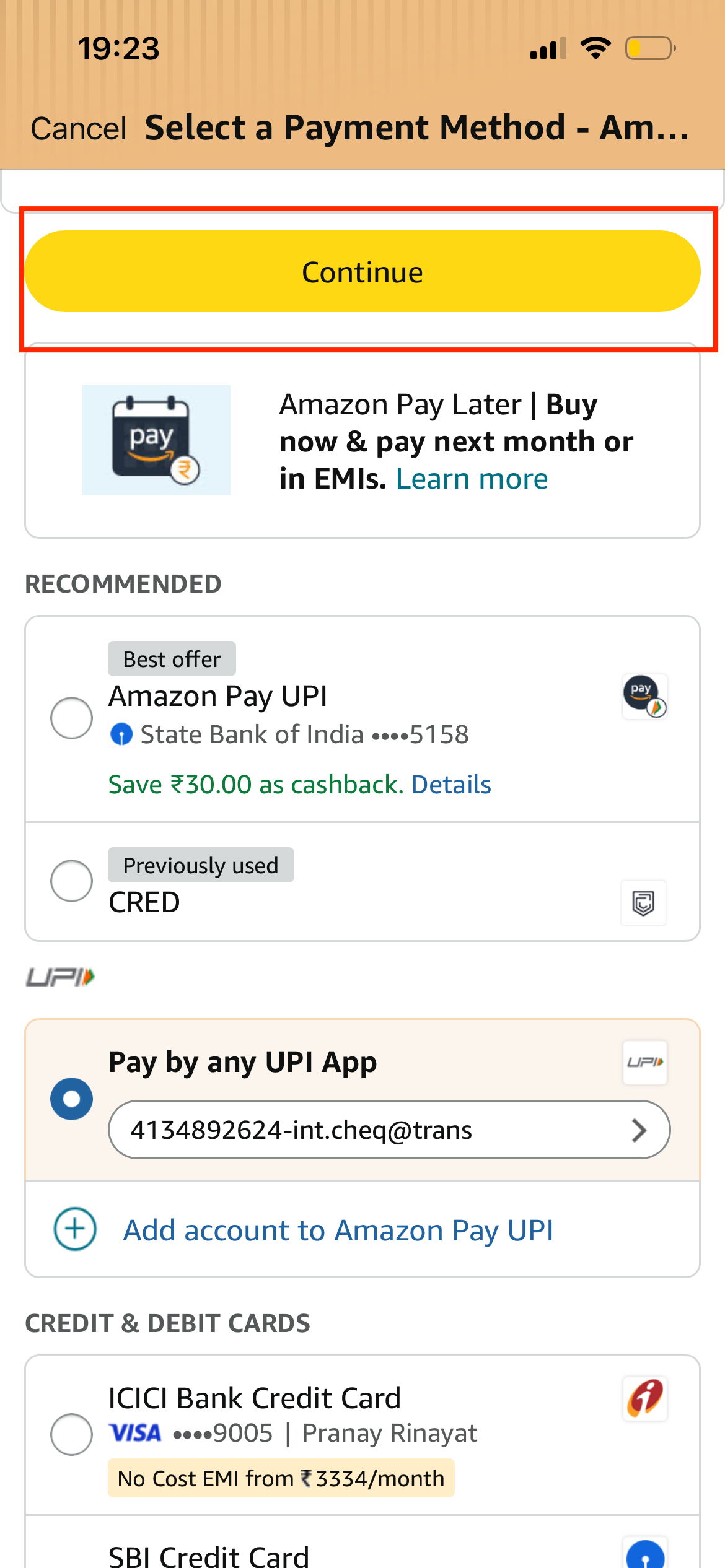
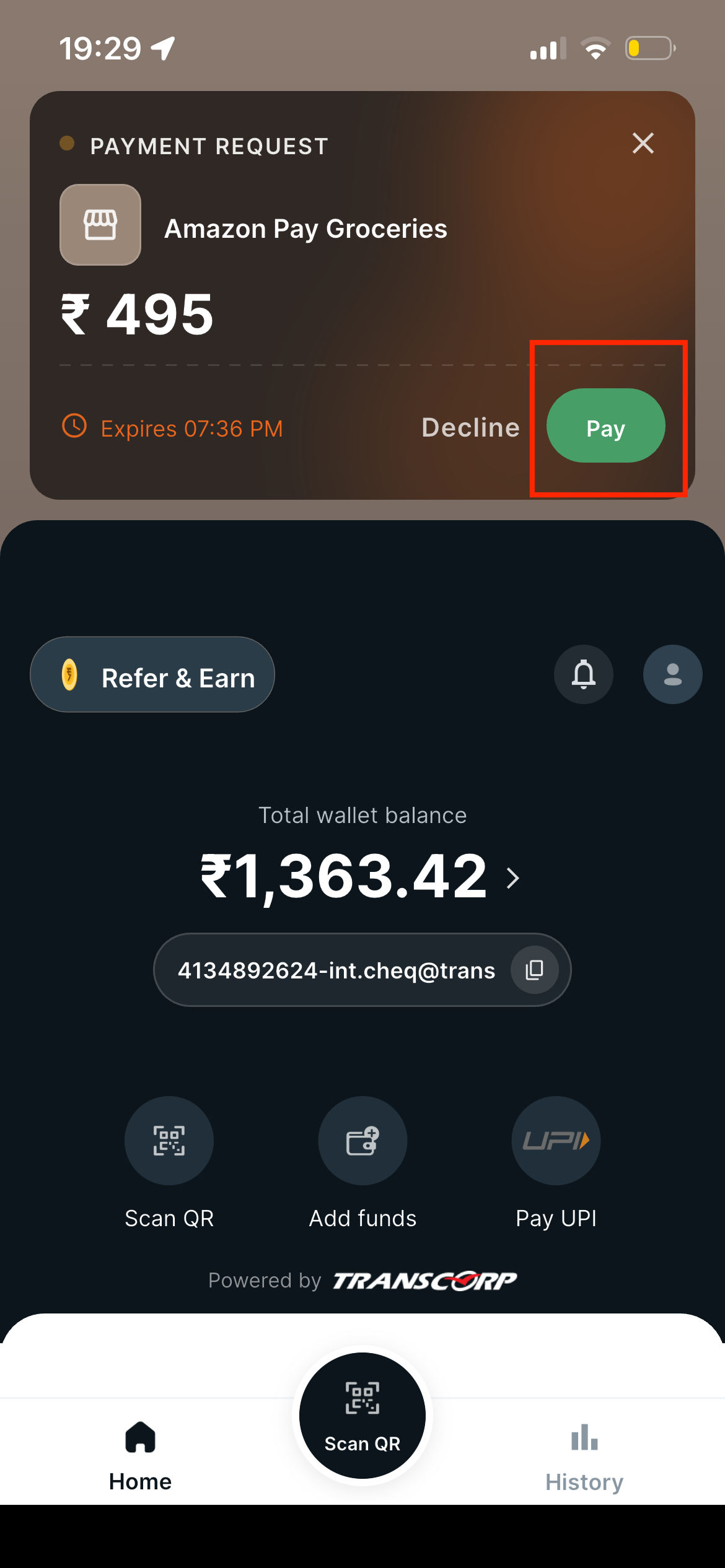
A card terminal needs power and a network connection to process payments. When a local outage hits a small shop or homestay, card payments stop working entirely. UPI QR payments work differently.
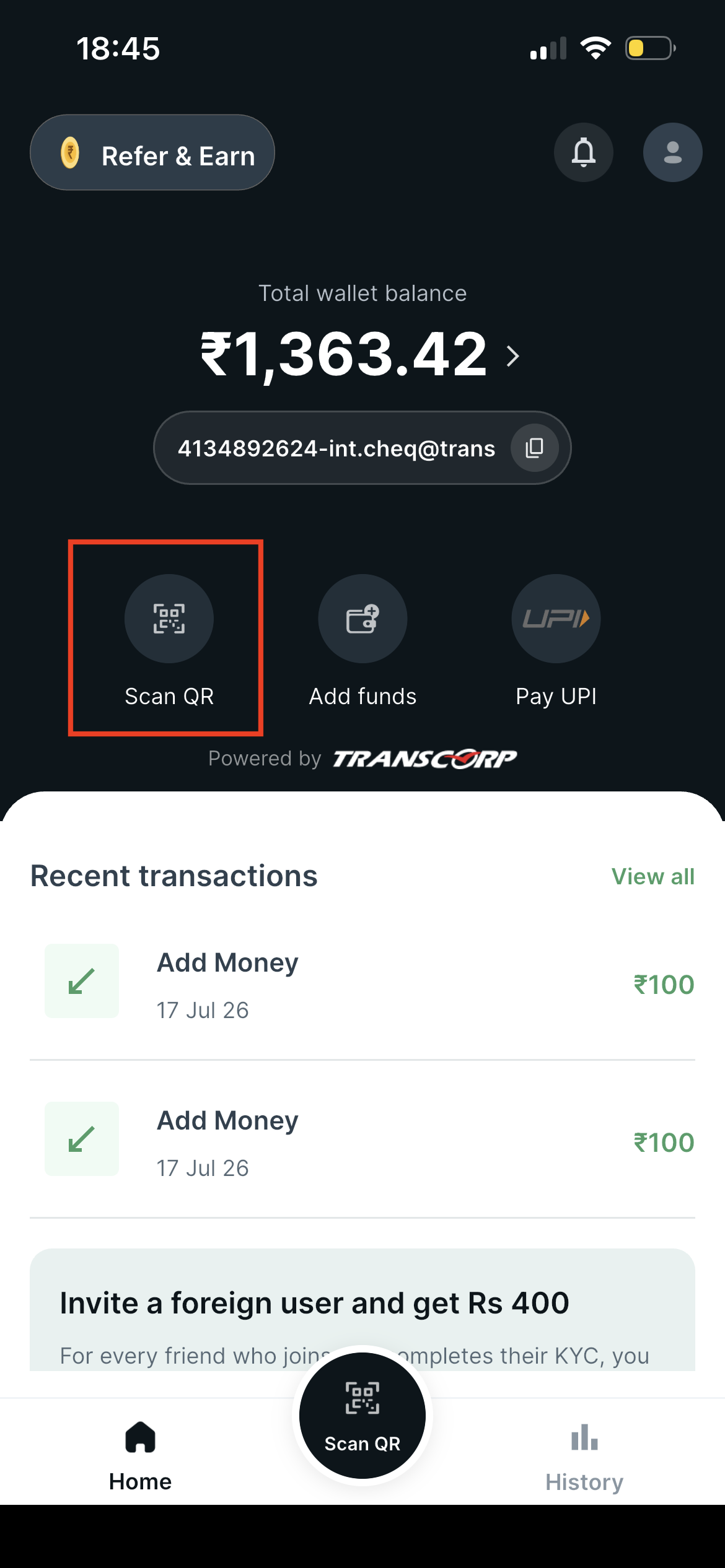
UPI runs through your phone's mobile data connection rather than the shop's power supply or point-of-sale system. When you scan a QR code and confirm a payment, the money moves directly from your wallet to the merchant's account. No terminal power needed on their end.
CheqUPI works at any merchant with a registered UPI QR code, which covers most restaurants, shops, hotels, and markets across Kerala. No Indian bank account or Indian SIM card is needed. An internet connection and location access are required. For a full walkthrough of how UPI works for foreign travelers, read the UPI payment guide for foreign tourists.
Carry Rs 5,000 to 10,000 (approx $52 to $104) in cash as a buffer for situations where connectivity is poor or a vendor does not have a UPI QR code. Many vendors across Kerala refuse older-series or soiled notes, so ask for clean, current-series notes when exchanging currency.
Staying safe during Kerala's monsoon
Always trek with a licensed guide in hilly or forested areas. Monsoon trails in Wayanad and Munnar can turn slippery or unstable, and conditions change quickly. A local guide also knows which routes are closed and which sections flood.
Avoid swimming near waterfalls during heavy rain. Currents get stronger and less predictable, and the rocks below the surface are harder to read when the water is churned up. Stick to viewing areas and established paths.
Keep your documents in a waterproof pouch or dry bag. Sudden downpours are the norm rather than the exception, and wet passports or visas create real problems. For a broader overview of staying careful with money and documents while traveling in India, read our guide on common scams foreign tourists face in India.
What to pack for a Kerala monsoon trip
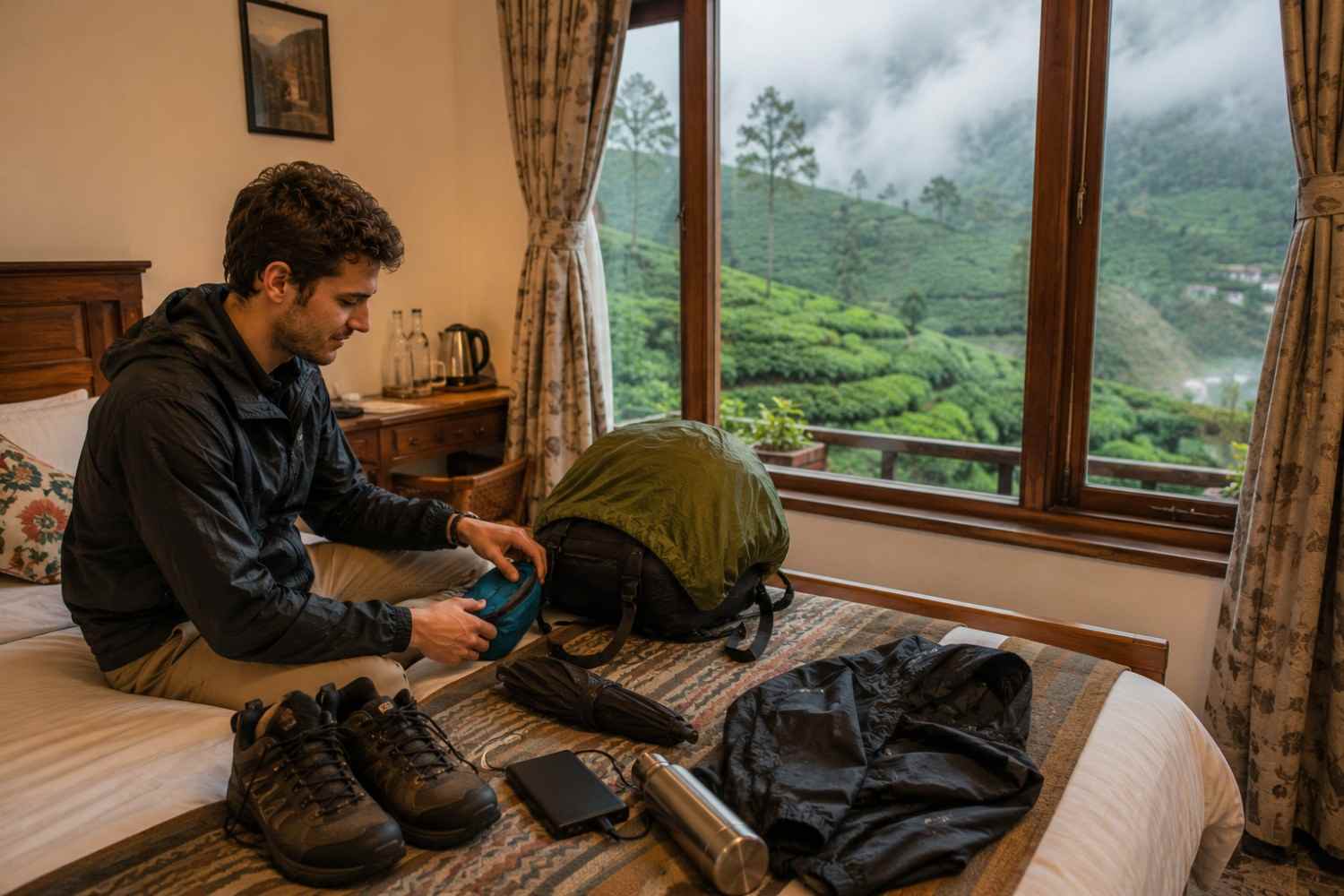
Quick-dry clothing works better than cotton in the wet season, since cotton stays damp for hours after rain. A proper rain jacket or poncho, waterproof footwear, and a rain cover for your bag are the three non-negotiables. Carry a compact umbrella as backup, though hands-free rain gear holds up better on hilly terrain.
Pack a portable charger, since power outages can last a few hours, and keeping your phone charged matters more during monsoon. A small dry bag for your passport, phone, and cards is worth the extra weight.
Conclusion
Kerala's monsoon trades peak-season crowds for misty hills, roaring waterfalls, and genuinely lower prices on hotels and flights. Card terminals can go down during outages, but a UPI wallet keeps working when they cannot. Plan around the rain rather than avoiding the season, and Kerala shows a side of itself most tourists never book a ticket to see.
FAQs
1. When does Kerala's monsoon season run?
The southwest monsoon runs June through September. A shorter northeast monsoon brings lighter rain in October and November.
2. Is monsoon a good time to visit Kerala?
Yes. It brings lower hotel rates, fewer crowds, and dramatic waterfalls and greenery. Power outages and some closures require planning around, but the season rewards flexible travelers.
3. Does Eravikulam National Park stay open during monsoon?
No. It typically closes during peak monsoon and reopens once the rains ease. Check current dates before planning your Munnar itinerary around it.
4. How much do hotel rates drop during Kerala's monsoon?
Hotels across many Kerala destinations often drop rates by 30% to 50% during July, making the monsoon the state's best-value travel season. Certified Ayurveda retreats and popular houseboats remain in demand, so it's best to book them in advance.
5. Are flights into Kerala cheaper during monsoon?
Yes. Domestic flights to Kochi and Thiruvananthapuram can cost 20% to 50% less during the monsoon than peak winter fares on the same routes.
6. Do power outages affect card payments during monsoon?
Card terminals can go offline during outages. UPI QR payments run through your phone's data connection and keep working regardless of terminal power status.
7. What should I pack for Kerala's monsoon?
Quick-dry clothes, a rain jacket, waterproof footwear, a rain cover for your bag, a compact umbrella, and a portable charger. A dry bag for documents and cards is also worth adding.
8. Is it safe to travel in Kerala during monsoon?
Generally yes. Trek only with a licensed guide, avoid swimming near waterfalls during heavy rain, and allow extra travel time on hill roads. A little flexibility in your schedule makes the season much easier.
9. When does Onam fall relative to the monsoon?
Onam typically falls toward the end of the monsoon season, usually in August or September. It is one of the best times to see Kerala's cultural traditions alongside the tail end of the rains.
10. Can I still do a houseboat trip during monsoon?
Yes. Backwater houseboat rides remain popular during monsoon and often feel calmer and greener with the rain overhead. Book with a certified operator and confirm availability in advance.
"Knowing where UPI works and where cash is still useful makes getting around India much easier. Download CheqUPI before your trip, complete activation after arriving in India, and pay UPI merchants with confidence."