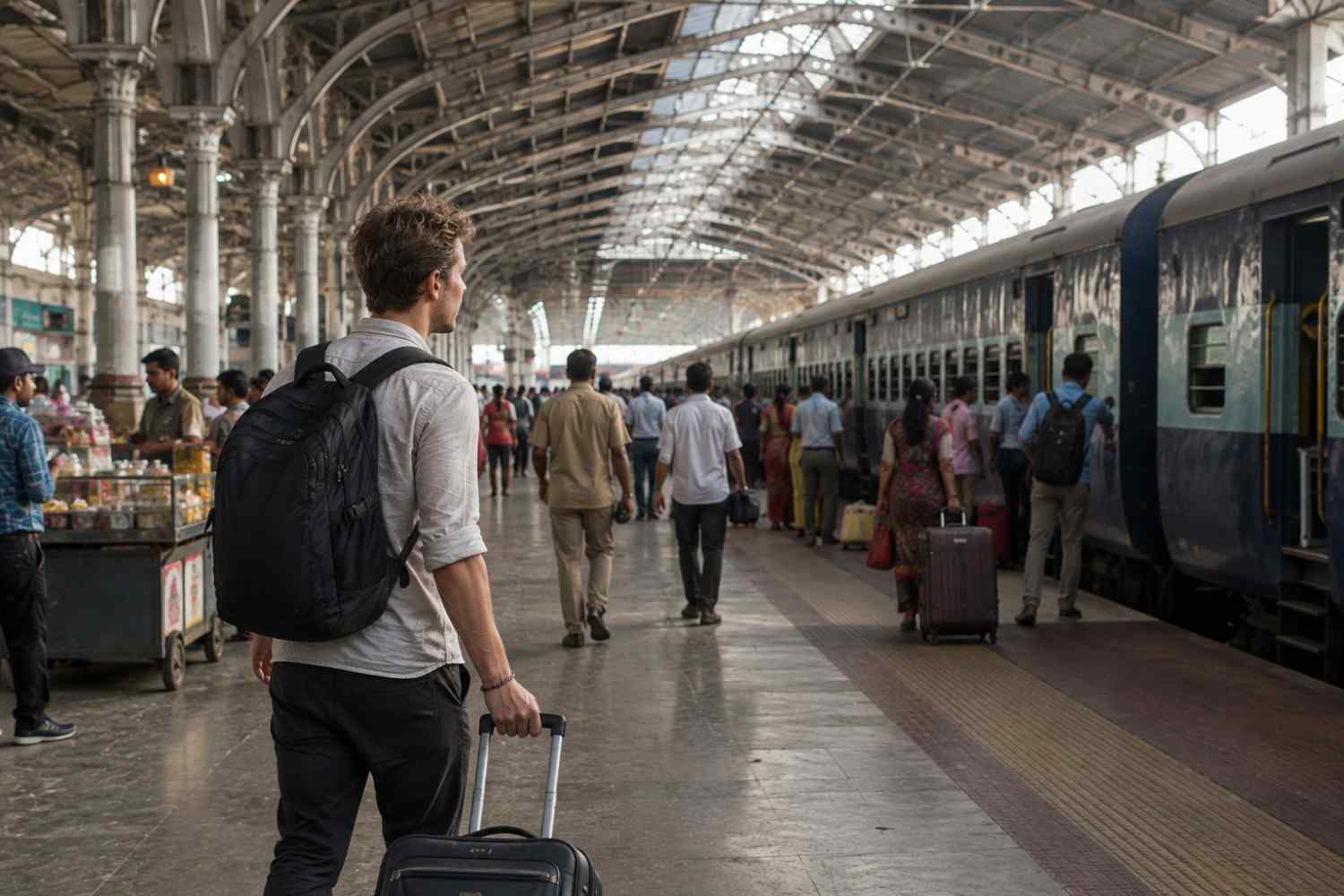
India's railways have been running since 1853, and today the network covers over 67,000 kilometers with 13,000 trains a day. It reaches desert towns, hill stations, and pilgrimage cities that no airline touches. A single overnight ticket includes a bed, saves a hotel night, and delivers you somewhere extraordinary by dawn.
Knowing how to book, which class suits your trip, and how to pay at every station stop makes all the difference between a smooth journey and a frustrating one. Classes, booking options, five routes worth taking, and payments at every stop all of it is covered here.
Key highlights
- Indian Railways operates one of the world's largest rail networks, with over 13,000 trains running daily across the country.
- Foreign tourists can book under the Foreign Tourist Quota up to 365 days in advance on selected trains.
- The Indrail Pass was permanently discontinued in 2017. All travel requires individual point-to-point tickets.
- From July 2025, online Tatkal booking requires Aadhaar authentication, which foreign tourists cannot complete. Book in advance or use an International Tourist Bureau at major stations.
- 2AC (second air-conditioned class) is the recommended class for foreign tourists: open berths with curtains for privacy, clean bedding, and a quieter, more comfortable carriage than lower classes.
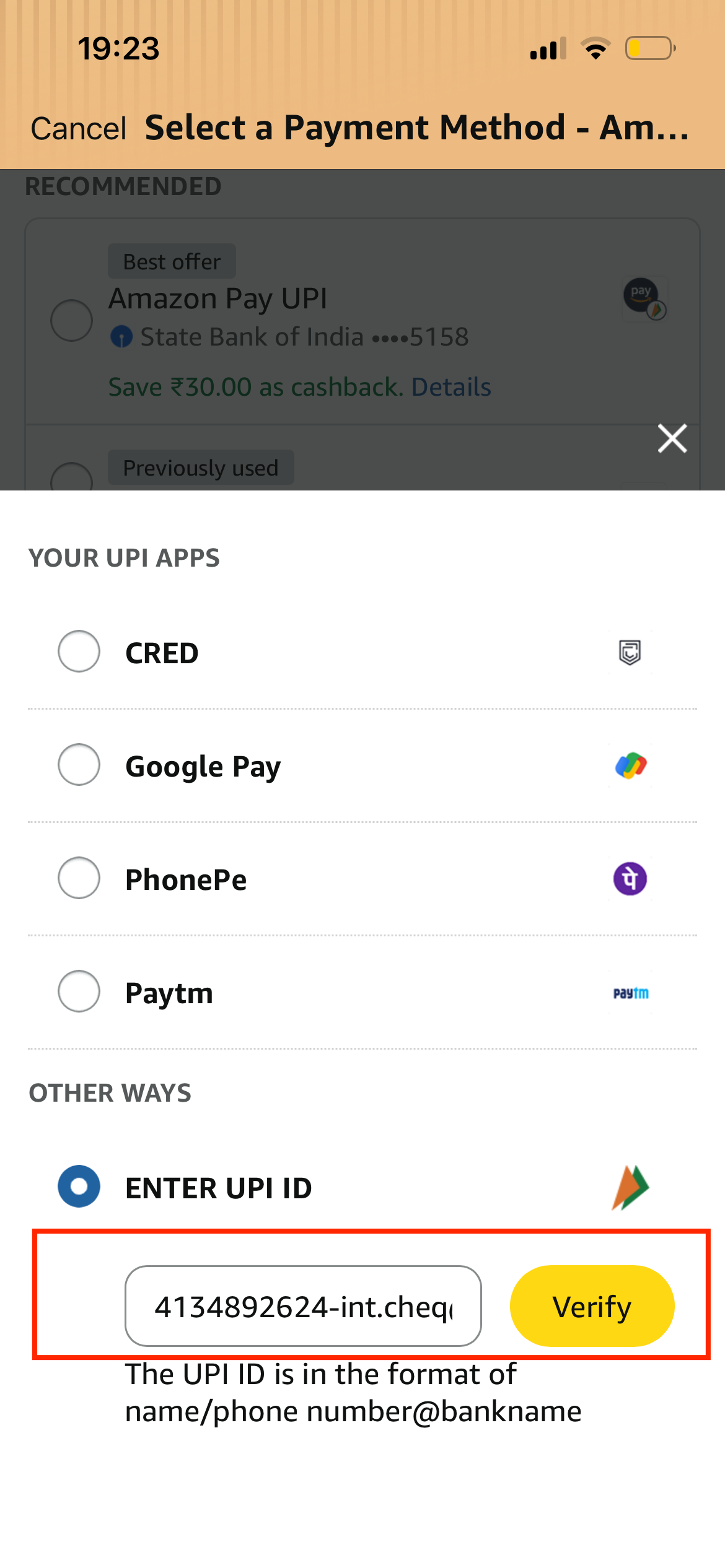
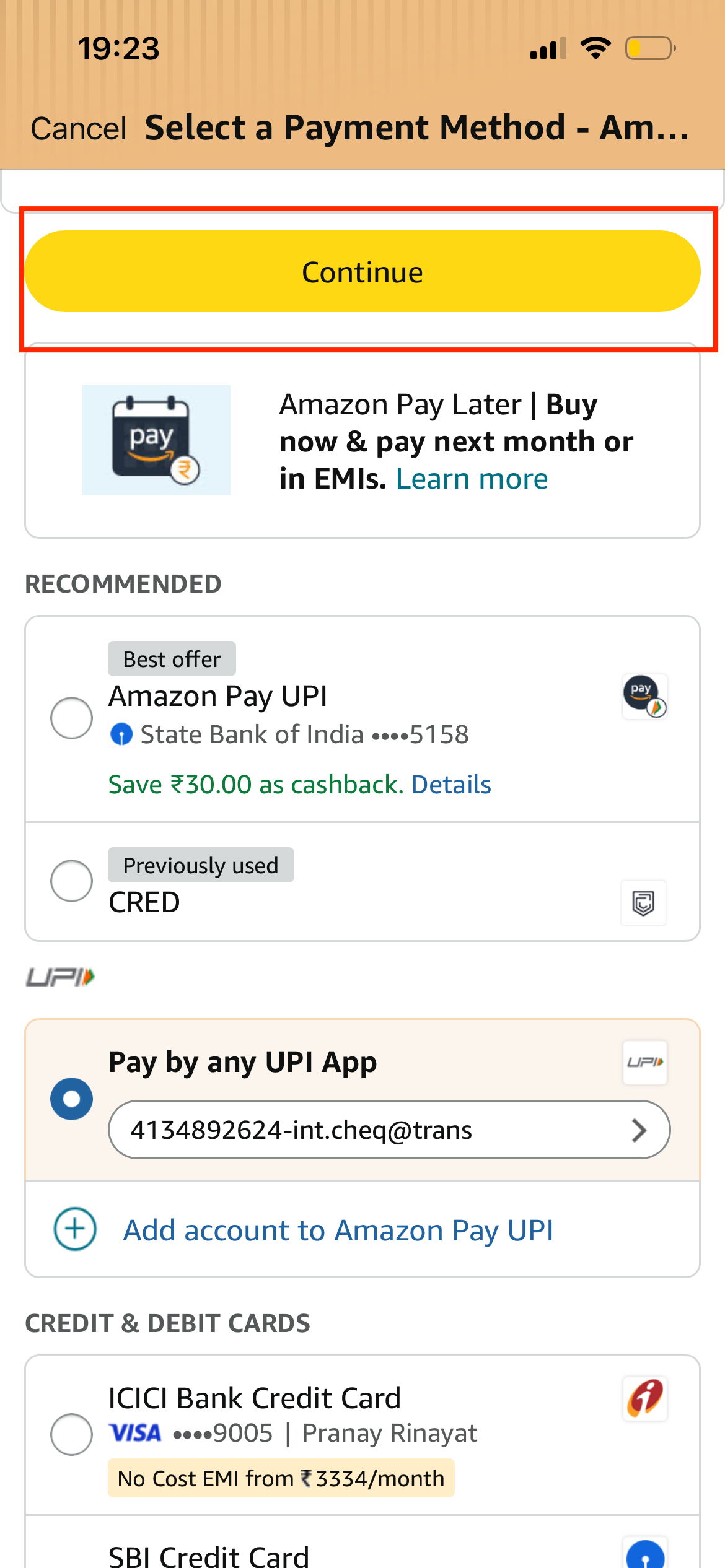
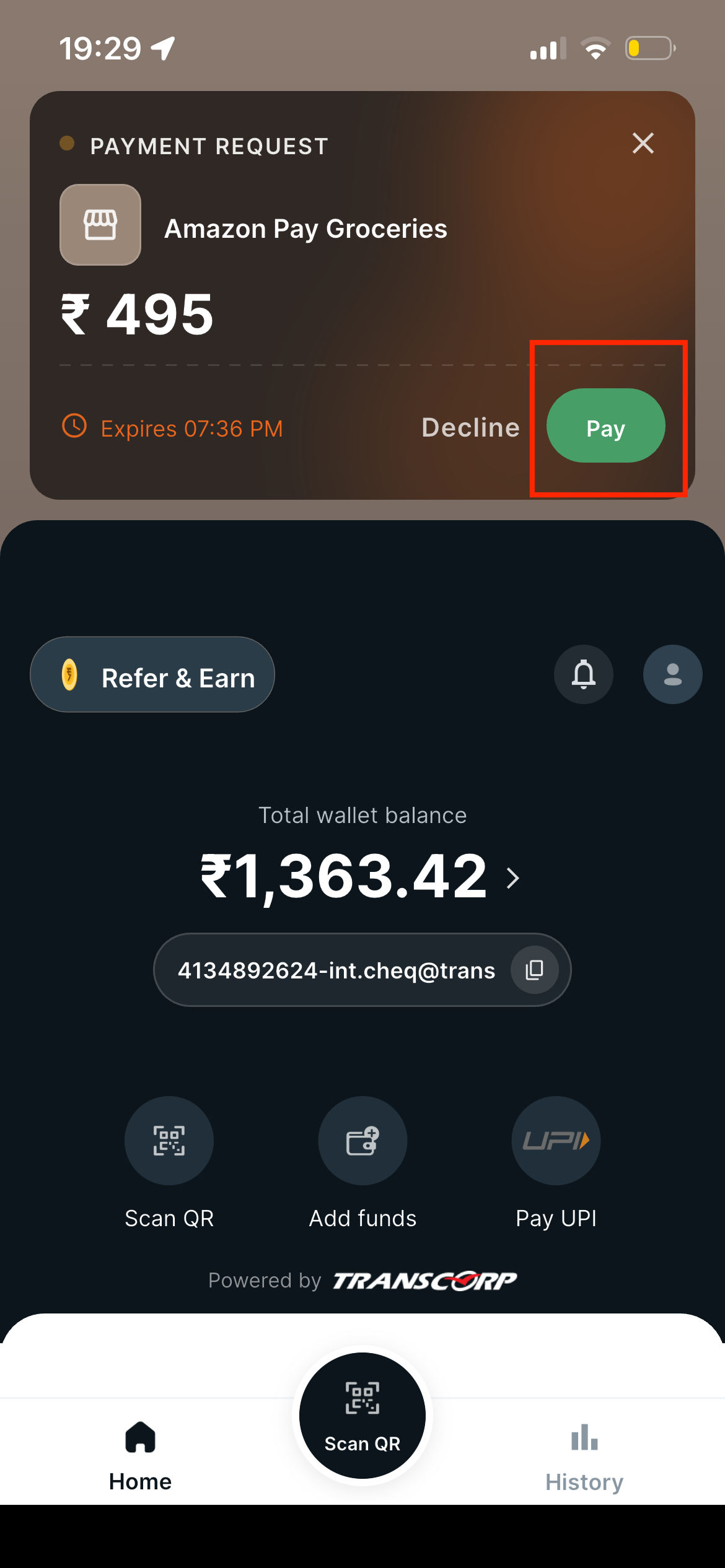
- UPI QR codes are accepted by platform vendors, station food stalls, and many cafes across major Indian railway stations.
- CheqUPI is free to join for all eligible nationalities, with a loading fee of 2.95% +taxes and 0% merchant payment fee.
Why travelling India by train makes sense
Train travel is how most of India moves. For a foreign tourist it solves three problems at once: cost, comfort on long distances, and sleep.
A 2AC sleeper ticket from Delhi to Varanasi, roughly 800 kilometres, costs around Rs 1,200 to 1,800 (approx $13 to $19). The same journey by domestic flight costs Rs 4,000 to 9,000 (approx $42 to $94) once airport transfers are added. An overnight train leaves you in a new city at dawn, having slept, without paying for a hotel night.
The network reaches places that have no airport and limited road access. Rajasthan's desert towns, Kerala's backwaters, hill stations, and pilgrimage cities on the Ganges are all on the network. For anyone spending more than ten days in India, the train is the backbone of the trip.
Train classes explained
Indian trains offer multiple travel classes on the same journey. The class you choose affects comfort, cost, and how much interaction you have with other passengers.
1AC and 2AC: the tourist sweet spot
First AC (1AC) has lockable two or four-berth cabins, fresh linen, and the cleanest shared toilets on the train. It is the most expensive class and sells out fast. Second AC (2AC) is the practical choice: open berths with curtains, clean bedding, and a quieter carriage than lower classes.
A Delhi to Mumbai 2AC ticket costs around Rs 2,000 to 3,000 (approx $21 to $31). Book at least two weeks ahead on this corridor.
3AC and sleeper class
Third AC (3AC) has three-tier berths and no curtain privacy. It is the budget choice for longer journeys and perfectly safe on premium trains. Sleeper class is non-air-conditioned. On long overnight summer journeys it can be uncomfortable for tourists unused to the heat.
Vande Bharat and Shatabdi chair classes
Vande Bharat Express runs at up to 160 km/h on routes like Delhi to Jaipur and Mumbai to Pune. It operates daytime only, with reclining seats and meals included in the fare. Shatabdi Express covers similar daytime routes at slightly lower speed.
How to book train tickets as a foreign tourist
Booking is the part that trips most people up. There are three working options for foreign tourists in 2026.
IRCTC website and the Foreign Tourist Quota
The official portal is irctc.co.in. Foreign tourists can register using a passport number and international mobile. The Foreign Tourist Quota allocates berths specifically for foreign passport holders and allows booking up to 365 days in advance on selected trains. These tickets cost 1.5 times the standard fare plus a small service charge.
From July 2025, online Tatkal booking requires Aadhaar verification, which foreign tourists cannot complete. Plan your route at least two to four weeks ahead, especially between October and March.
12go.asia for hassle-free booking
12go.asia books confirmed tickets on major routes and accepts international payment cards reliably. It charges a service fee on top of the ticket price but removes the registration friction of IRCTC. For tourists who want to book everything before landing, this is the easiest option.
International Tourist Bureaus at major stations
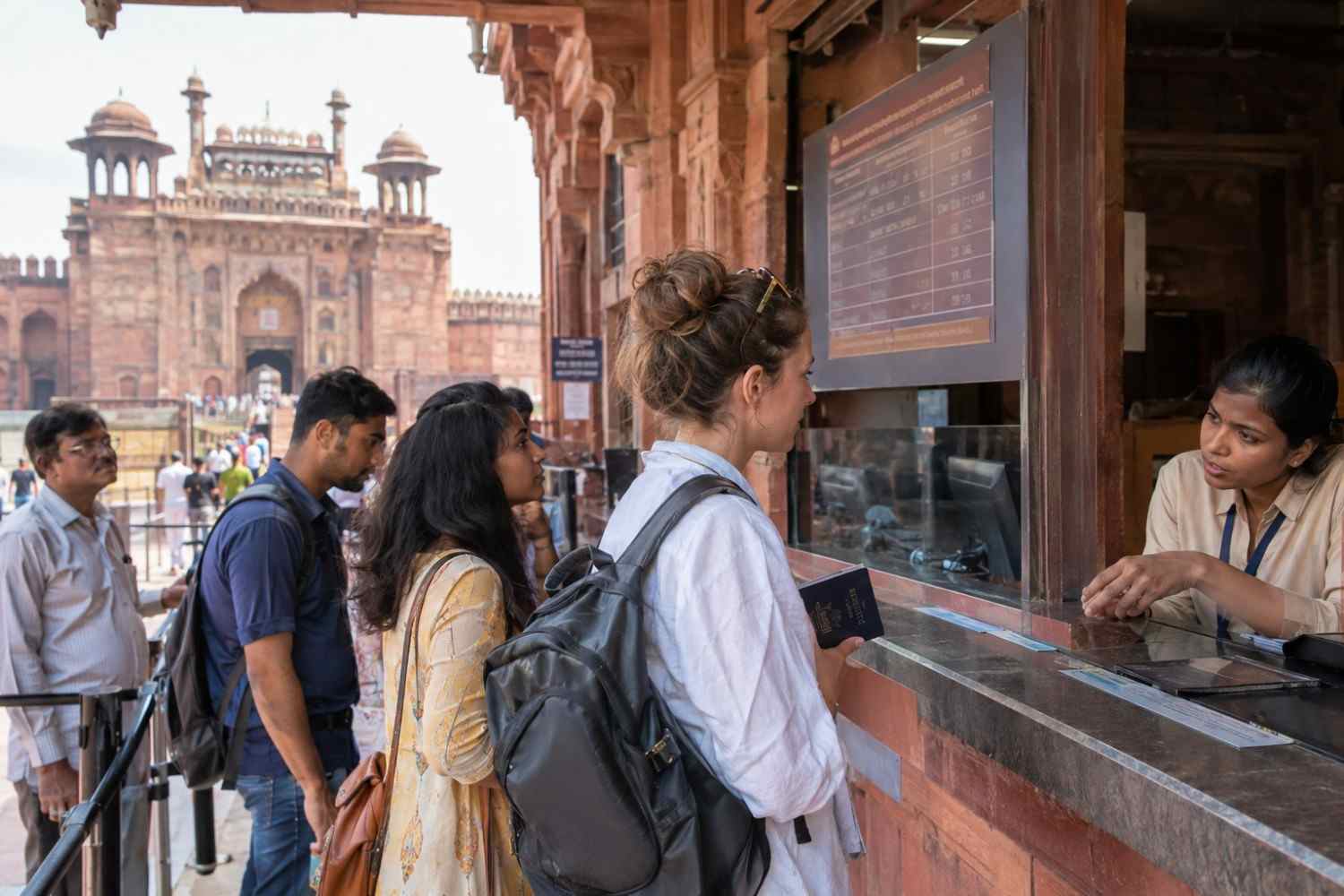
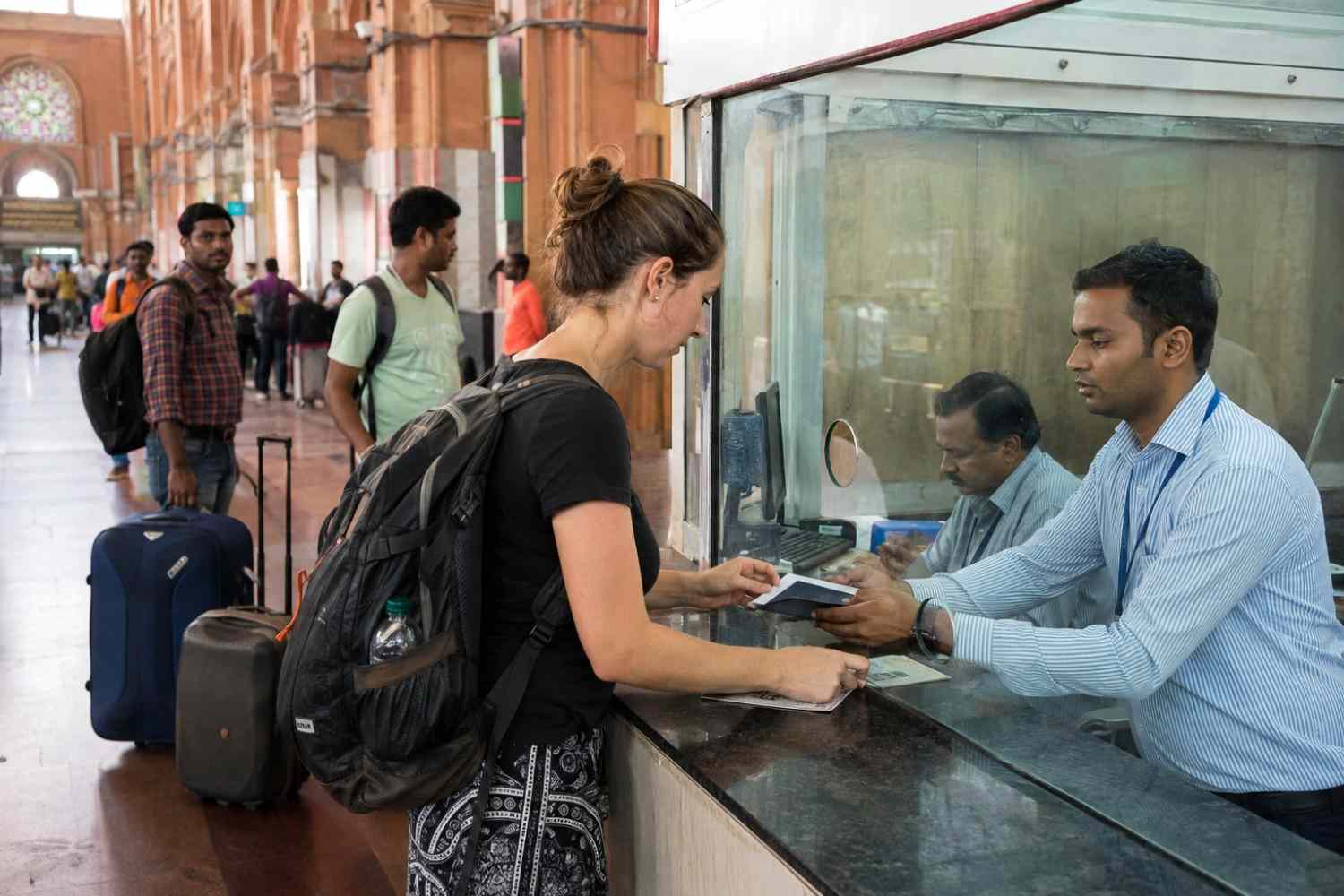
New Delhi, Mumbai, Kolkata, Chennai, and several other major stations have International Tourist Bureaus where foreign tourists can buy tickets in person. These counters sell from the Foreign Tourist Quota even when trains show fully booked on IRCTC. Bring your passport and visa; payment can be made in cash or by card.
Five train routes worth taking
Delhi to Jaipur on Shatabdi or Vande Bharat
Under five hours, fully air-conditioned, meals included. This is the easiest introduction to Indian train travel. The route crosses flat agricultural land that transitions into the ochre plains of Rajasthan as you approach Jaipur. Book early; this train fills up daily.
Delhi to Varanasi on Rajdhani Express
An overnight journey of roughly 12 hours that deposits you in Varanasi at dawn, when the Ganges ghats come alive with morning prayer rituals. The Delhi to Varanasi Rajdhani in 2AC costs around Rs 1,800 to 2,200 (approx $19 to $23). Dinner and breakfast are included, and it is one of the most reliable trains on the network.
Mumbai to Goa on Konkan Railway
This 590-kilometre coastal run is widely considered one of the most scenic train journeys in India. The track crosses the Western Ghats, passes through dense forest, and runs along the Arabian Sea on open viaducts. It threads through more than 70 tunnels and takes 10 to 12 hours. Book 2AC for the views and the comfort.
Kalka to Shimla toy train
A UNESCO World Heritage Railway running 96 kilometres on narrow-gauge track through the Shivalik Hills. The journey takes roughly five hours, crossing 102 tunnels and 864 bridges, climbing from 656 to 2,075 metres above sea level. It is slow, crowded, and extraordinary. Book the rail car ticket at Kalka station or via IRCTC several days ahead.
Jodhpur to Jaisalmer through the Thar Desert
A six-hour overnight run crossing open desert, with camels at dusk and dune landscapes shifting in the low light. Tickets cost around Rs 500 to 900 (approx $5 to $9) in sleeper or 3AC. No drive or flight replicates this journey. Book at Jodhpur station or via 12go.asia.
Paying at stations and on the journey
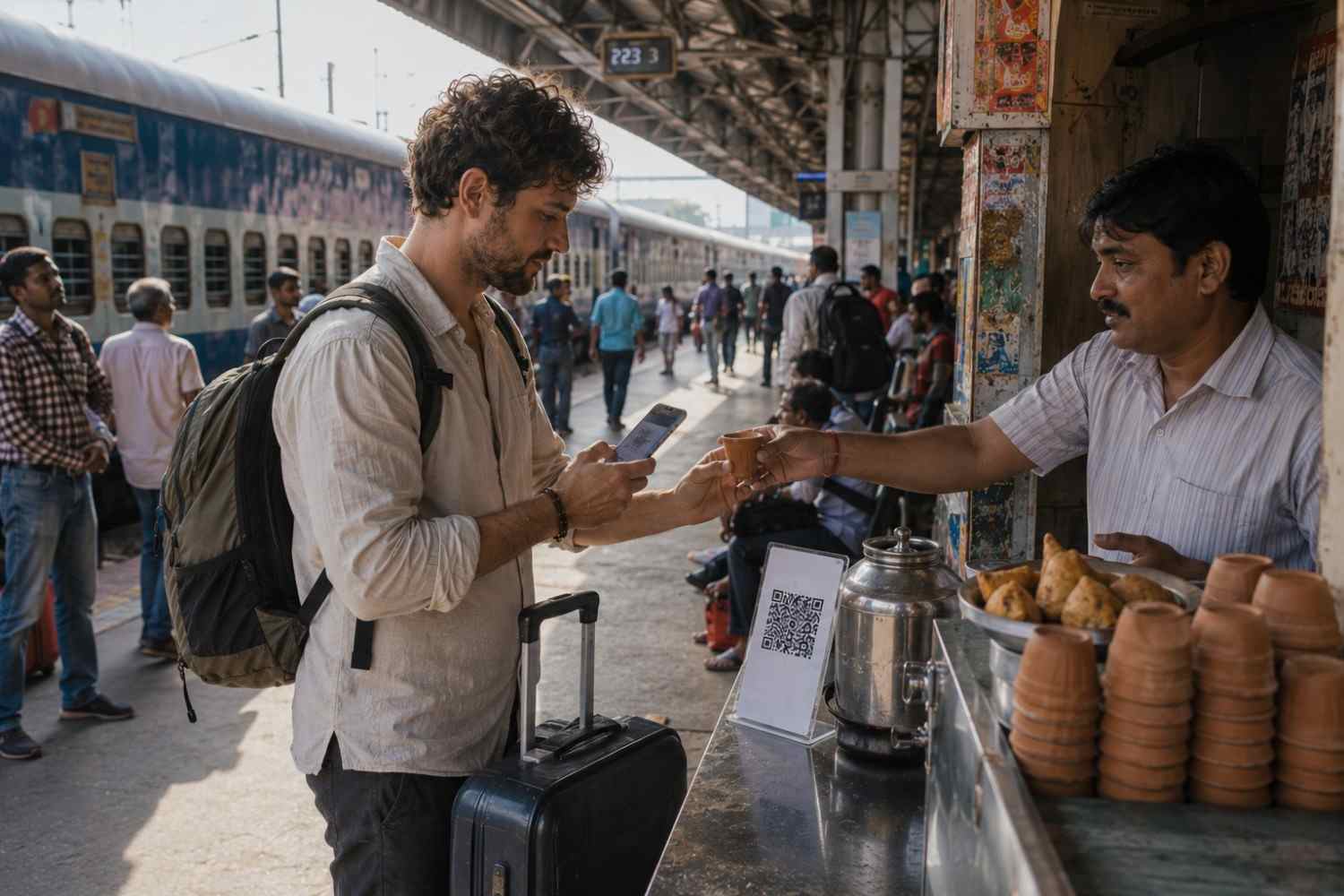
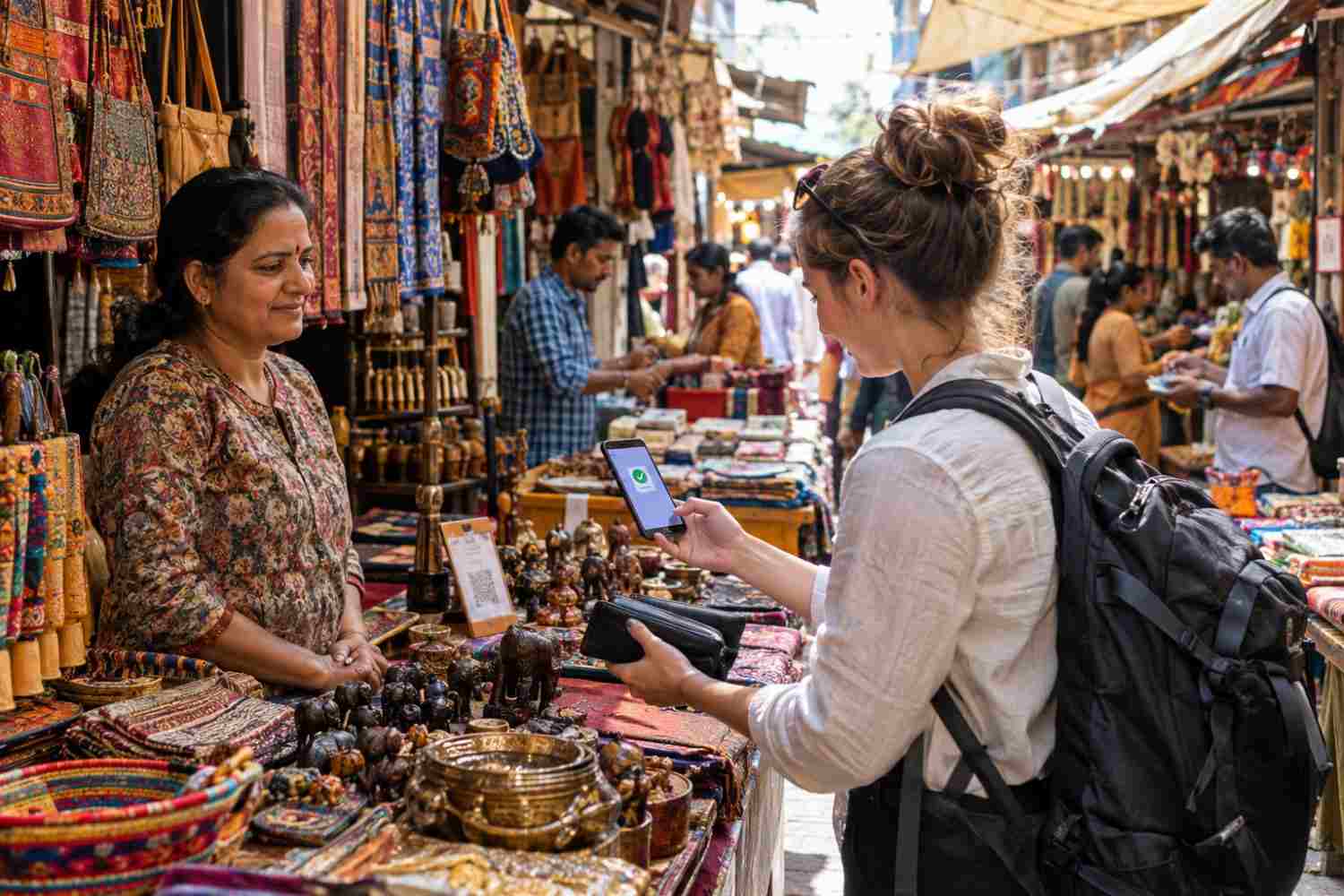
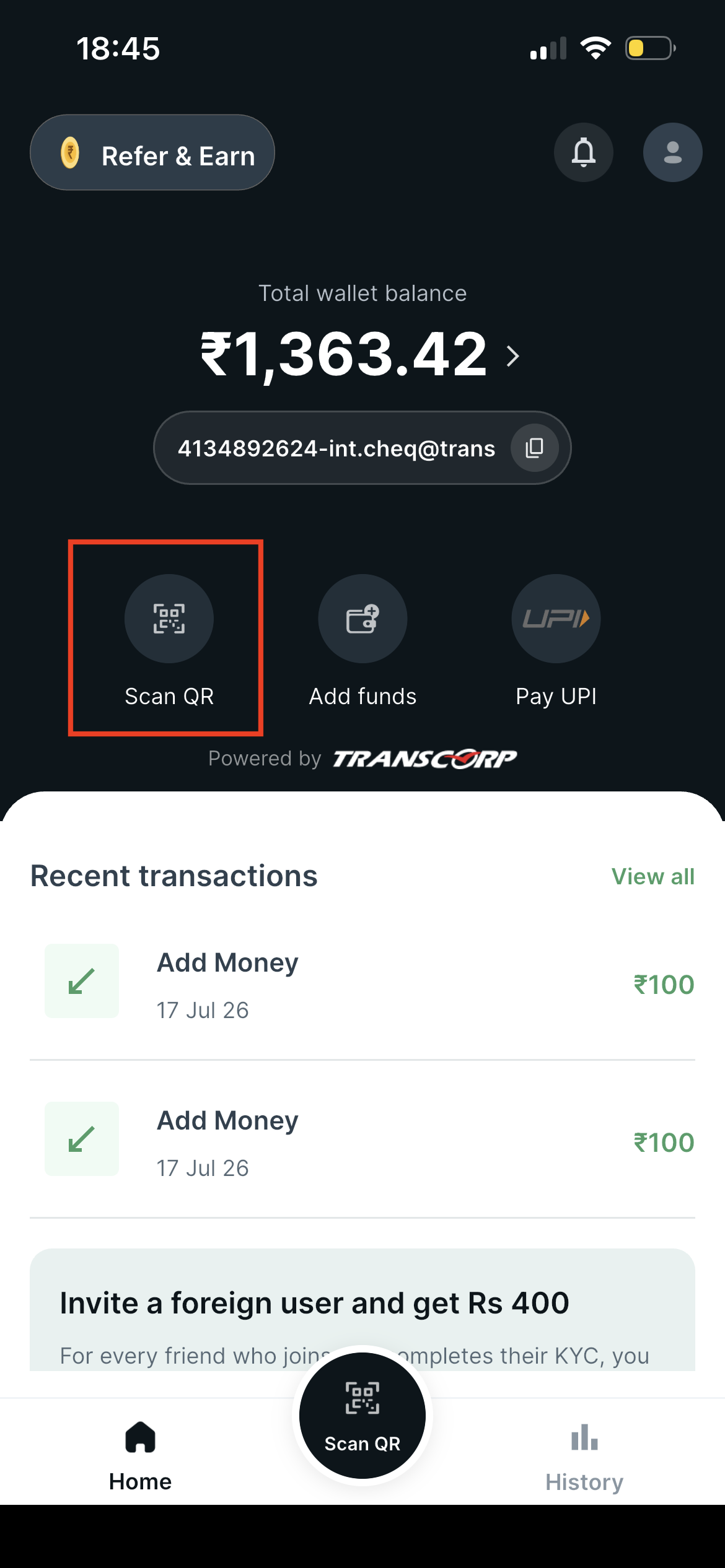
Indian railway stations are commercial spaces: platform vendors, cafes, pre-paid taxi counters, luggage storage, and small shops all operate inside major stations. Most now display UPI QR codes. A tourist with a loaded UPI wallet can pay at virtually every stop without cash.
Platform chai, a samosa at Nagpur Junction, a rickshaw at the station exit: all accept QR payments at major stations. Smaller stations and rural halts are more cash-dependent, so carry Rs 5,000 to 10,000 (approx $52 to $104) for the gaps.
No Indian bank account or Indian SIM card is needed to use a UPI wallet. An internet connection and location access are required.
For a step-by-step setup guide, read our UPI payment guide for foreigners in India. For a full breakdown of why cash causes problems across India, read our guide on problems with carrying cash in India for foreign visitors.
Practical tips before you board
Check your PNR status the night before departure. Indian trains sometimes run late. Tracking the train on the NTES app shows real-time position and delays.
Download your e-ticket as a PDF and save it offline; connectivity inside stations is often patchy. Arrive at the platform at least 20 minutes early. Coach numbers are displayed on the platform in a fixed order listed on the station notice board.
Do not let anyone offer to help you find your seat. Touts at major stations sometimes walk tourists to the wrong area or demand payment. For scams to watch for at stations, read our guide on scams foreign tourists need to be aware of in India.
Keep luggage locked to the chain under the berth in sleeper and 3AC classes. Padlocks are available at station shops. On Rajdhani and Shatabdi trains, meals are served at your seat.
Conclusion
Travelling India by train changes the shape of a trip. The overnight run to Varanasi, the Konkan coast at sunrise, the toy train to Shimla: none of it works any other way. Book in advance, choose 2AC for overnight comfort, and register for a UPI wallet. Every stop from chai to rickshaw is covered.
FAQs
1.Can foreign tourists book Indian train tickets online?
Yes. Register on irctc.co.in using your passport number. The Foreign Tourist Quota allows booking up to 365 days in advance on selected trains. Alternatively, use 12go.asia for a simpler booking process.
2.Is the Indrail Pass still available for foreign tourists?
No. The Indrail Pass was permanently discontinued in 2017. All travel requires individual point-to-point tickets booked through IRCTC, 12go.asia, or International Tourist Bureaus.
3.What is the best train class for foreign tourists in India?
Second AC (2AC) offers the best balance of comfort and cost. It has open-plan berths with curtains, clean bedding, and air conditioning. First AC (1AC) is more private but more expensive.
4.Can foreign tourists book Tatkal tickets in India?
Not online. From July 2025, online Tatkal booking requires Aadhaar authentication, which foreign tourists cannot complete. Last-minute seats can be purchased at International Tourist Bureaus at major stations.
5.What is the Foreign Tourist Quota on Indian trains?
A reserved allocation of berths on selected trains, available only to foreign passport holders. It can be booked up to 365 days ahead at 1.5 times the standard fare plus a small service charge.
6.Which Indian train journey is most scenic?
The Mumbai to Goa Konkan Railway route is widely considered the most scenic, running along the Western Ghats through tunnels, forests, and coastal viaducts. The Kalka to Shimla toy train is the most dramatic hill journey.
7.Can I pay with UPI at Indian train stations?
Yes. Most platform vendors, station cafes, and shops at major Indian railway stations now accept UPI QR payments. A foreign tourist UPI wallet lets you pay at these points without cash.
8.How far in advance should foreign tourists book train tickets?
At least two to four weeks ahead for popular routes between October and March. Some trains on high-demand routes like Delhi to Jaipur fill up weeks earlier. Overnight Rajdhani trains need even earlier booking.
9.Where can foreign tourists buy train tickets in person in India?
International Tourist Bureaus at major stations including New Delhi, Mumbai, Kolkata, and Chennai. These counters handle Foreign Tourist Quota bookings even when trains appear fully booked online.
10.Is train travel safe for foreign tourists in India?
Yes, especially in 1AC and 2AC classes. Keep luggage locked under your berth, track your train on the NTES app, and ignore anyone offering unsolicited help at stations.
“CheqUPI works at 55 million-plus merchants across India, from railway station cafes to platform vendors to prepaid taxi counters.Download CheqUPI before your trip, complete activation after arriving in India, and pay with confidence at every stop.”