Most tourists cross Coorg off the list the moment they see June on the calendar. What they miss is a waterfall that runs at a fraction of its force in December roaring white across the valley by July. Coffee estates that look trimmed and orderly in winter turn wild and dripping green. Homestay rates drop by a third with no crowds to compete with.
The people who show up in the rain get a different Coorg entirely, one worth planning for. Knowing when to go, where to stay, and how to pay when card terminals go down in the hills makes the difference between a smooth trip and a frustrating one.
Key highlights
- Coorg receives roughly 2,725 mm of annual rainfall, with about 80% falling between June and September, according to the India Meteorological Department.
- Resort and homestay tariffs drop 20 to 35% during monsoon compared to peak season (October to February).
- Early June is the sweet spot: hills already green, waterfalls running, heaviest rains not yet arrived.
- Abbey Falls and Iruppu Falls reach peak flow during monsoon, making this the only season to see them at full force.
- Coorg has no airport or train station. The nearest railhead is Mysore (120 km); the nearest airports are Mangalore (160 km) and Kannur (90 km).
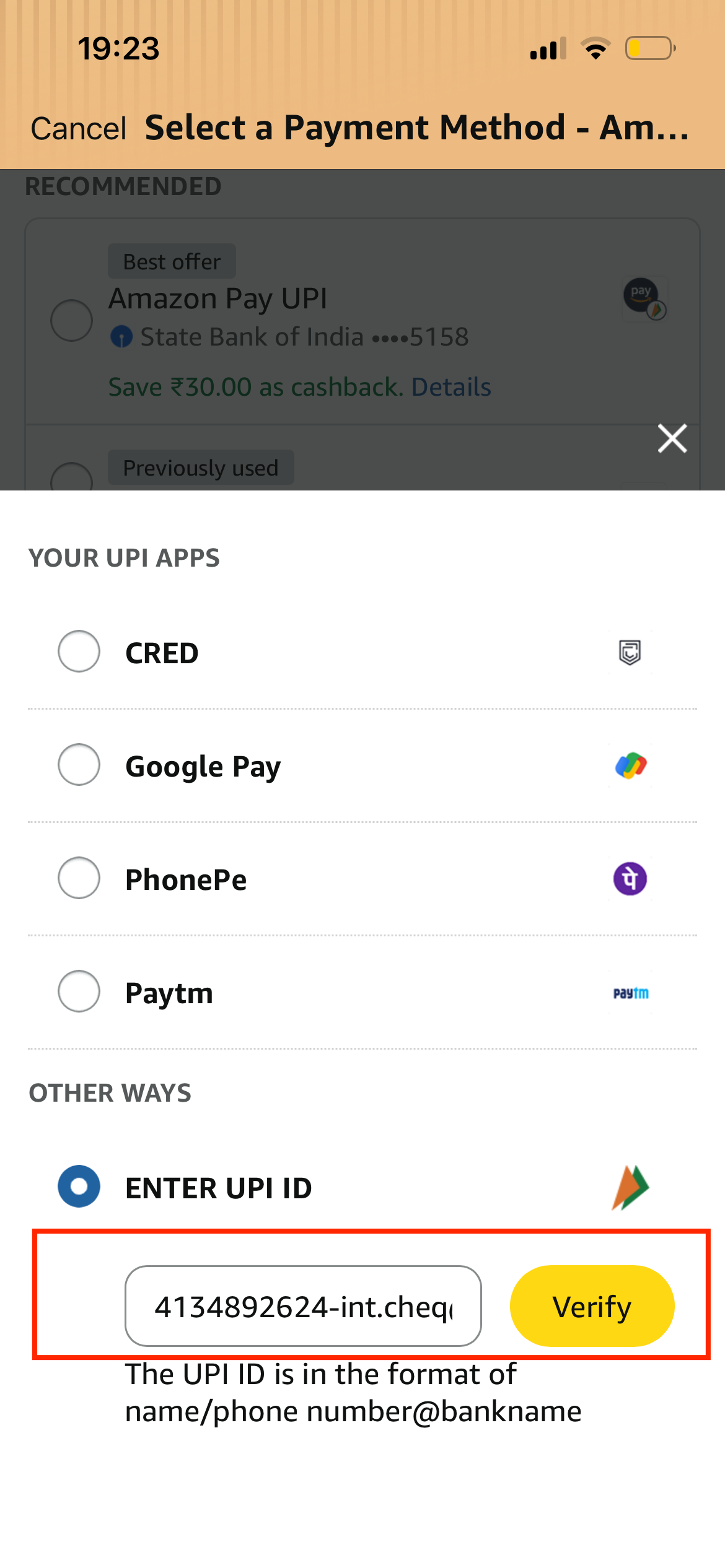
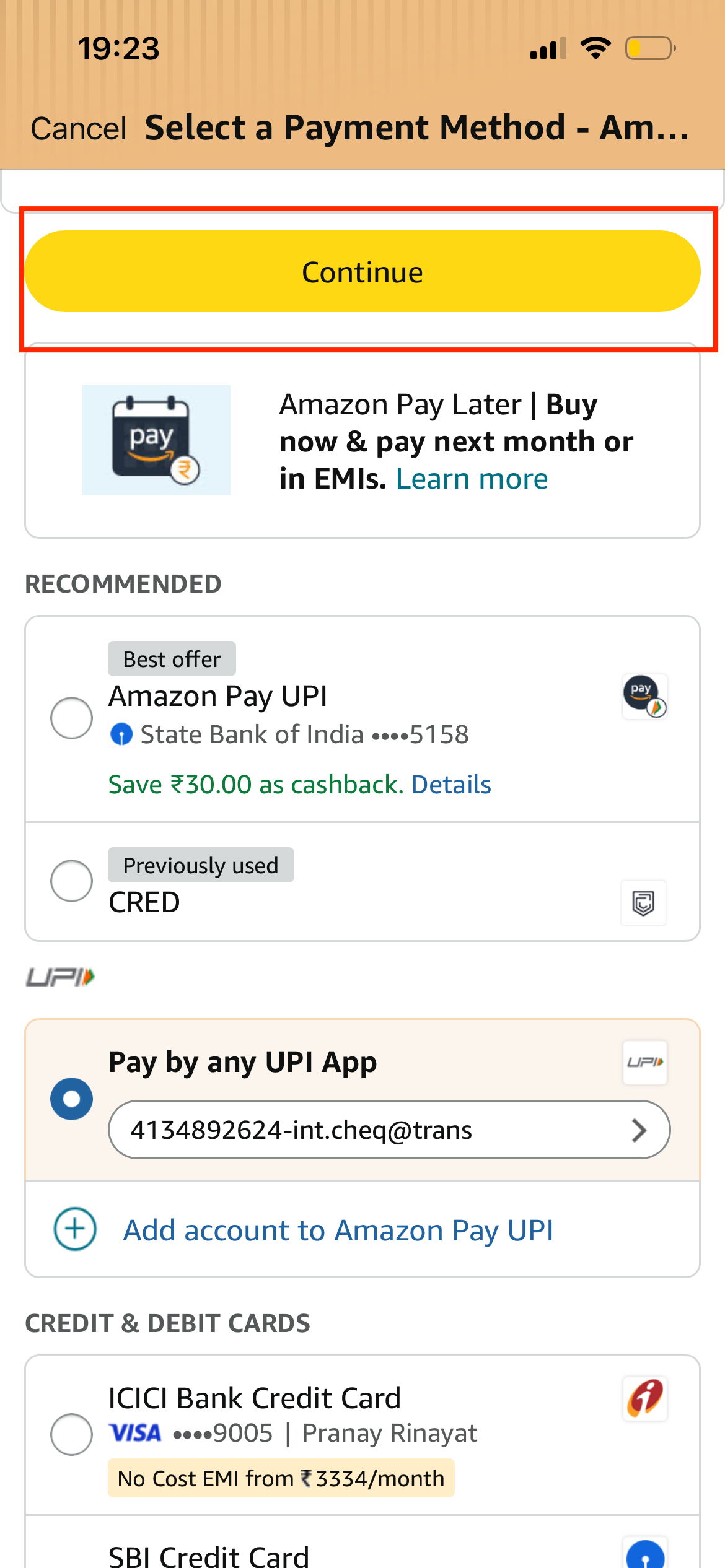
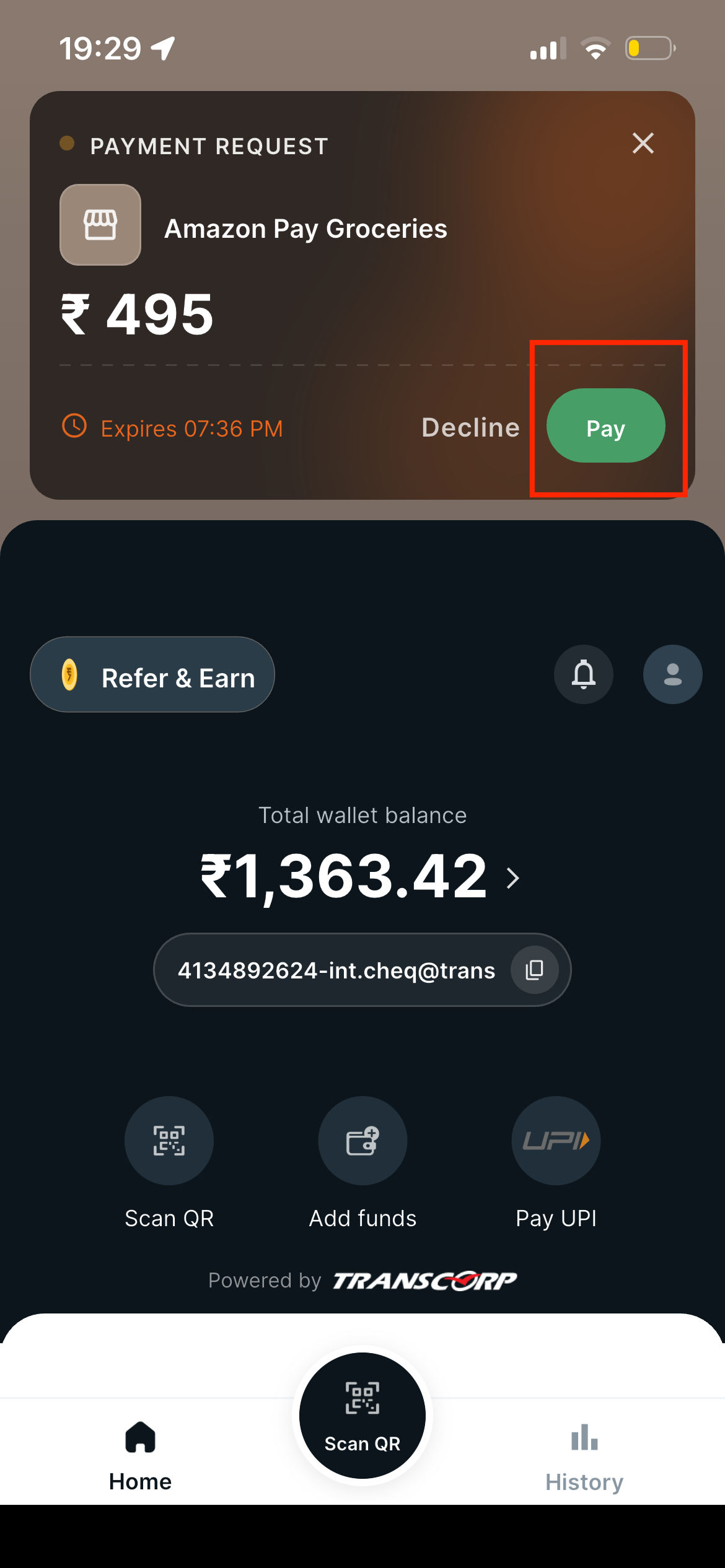
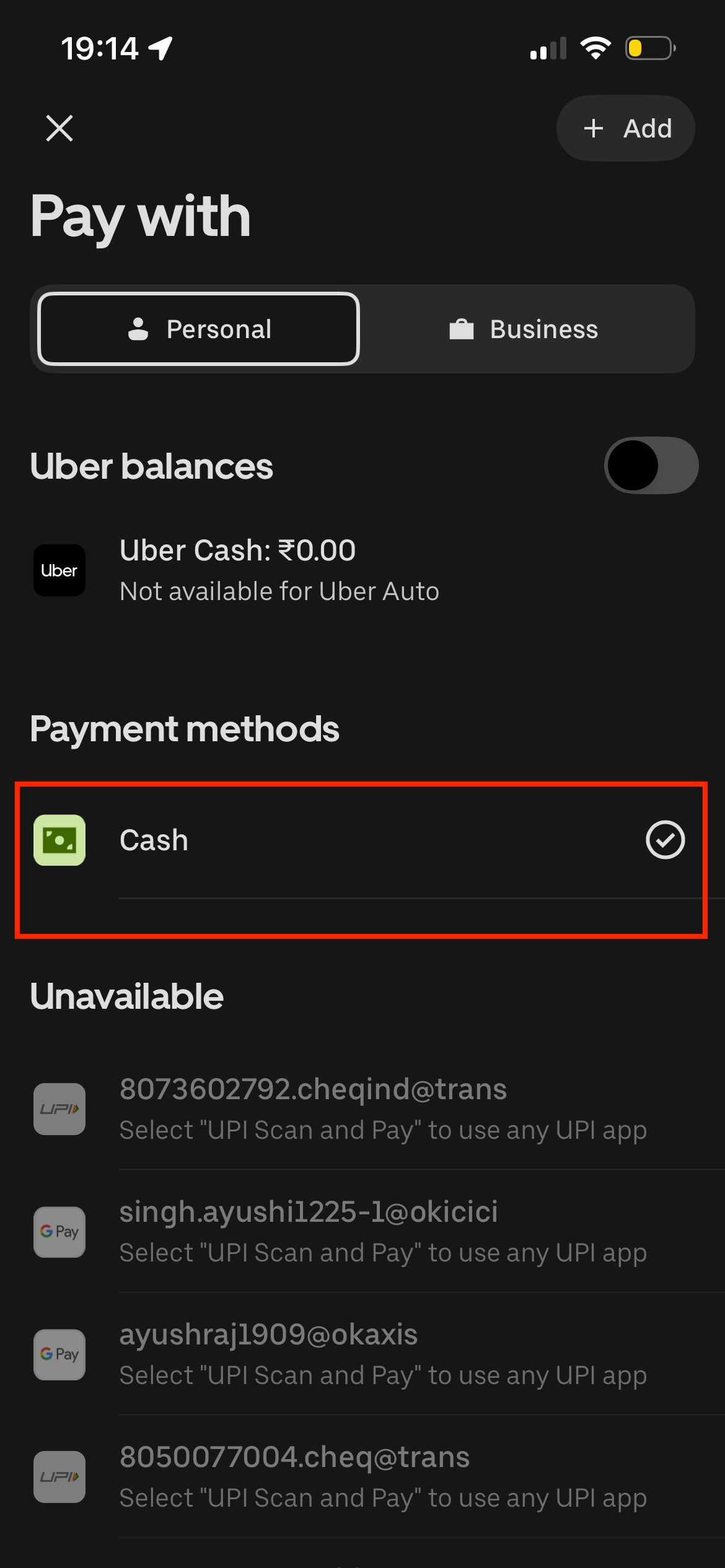
- Card payments may be unreliable in remote areas during heavy rain due to connectivity issues. A UPI wallet or cash backup is essential.
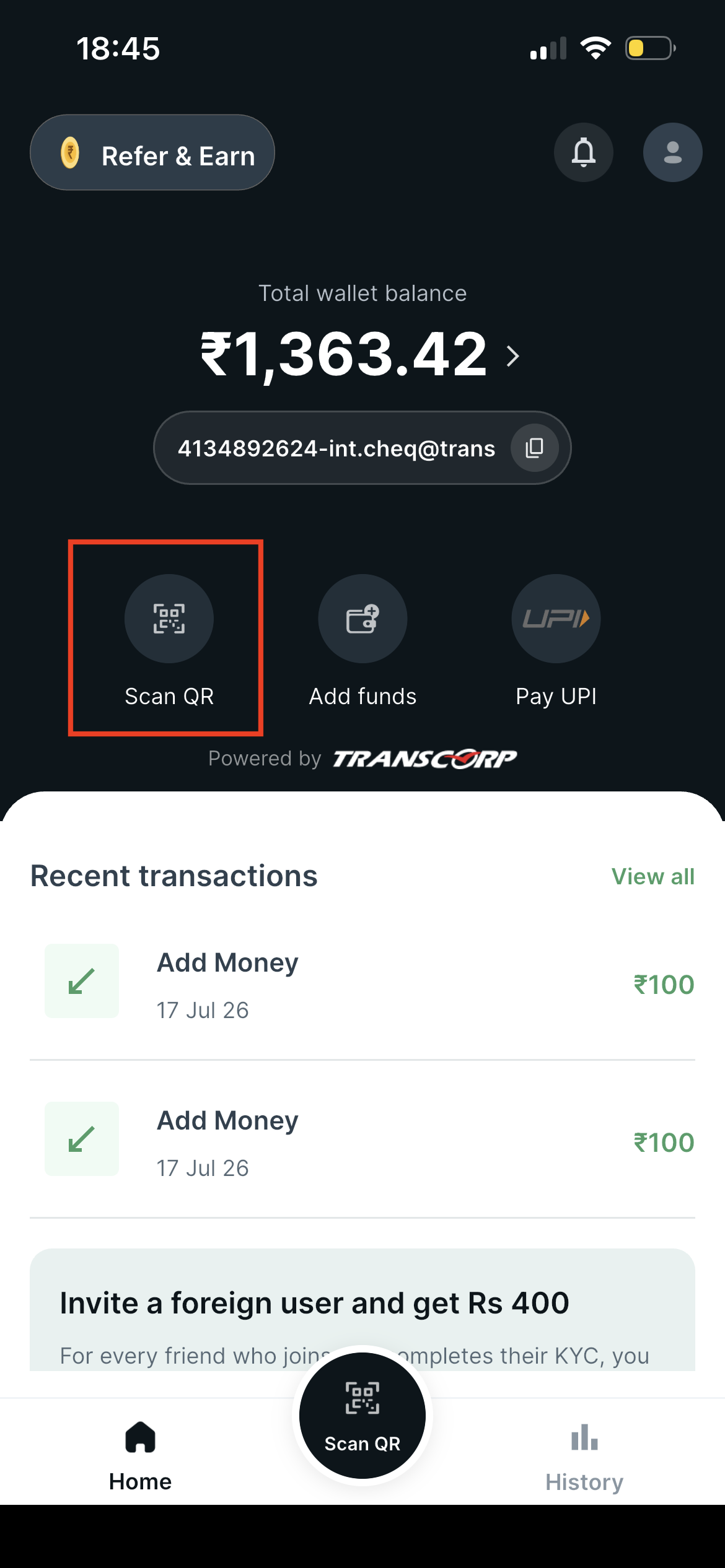
- CheqUPI is free to join for all eligible nationalities, with a loading fee of 2.95% + applicable taxes and 0% merchant payment fee.
Why monsoon is the right time to visit Coorg
Coorg is a year-round destination, but monsoon changes its character entirely. The waterfalls that sit as damp trickles in winter become wide, roaring curtains. Coffee estates turn wild and dense, their canopy dripping with rain.
The crowds that fill Madikeri on October weekends are gone. Hotel rates drop sharply from peak season, and a plantation homestay that costs Rs 6,000 (approx $63) in December often drops to Rs 4,000 (approx $42) in July. The experience is better and the cost is lower.
When exactly to go: the monsoon window
Early June: the sweet spot
The first two to three weeks of June sit in an unusual gap. The hills have already turned green from pre-monsoon showers. Abbey Falls has water in it.
The heaviest rains have not yet arrived. You can often find a few dry hours for outdoor activities. Temperatures sit between 18°C and 30°C and roads to the major sites stay open.
July and August: full monsoon drama
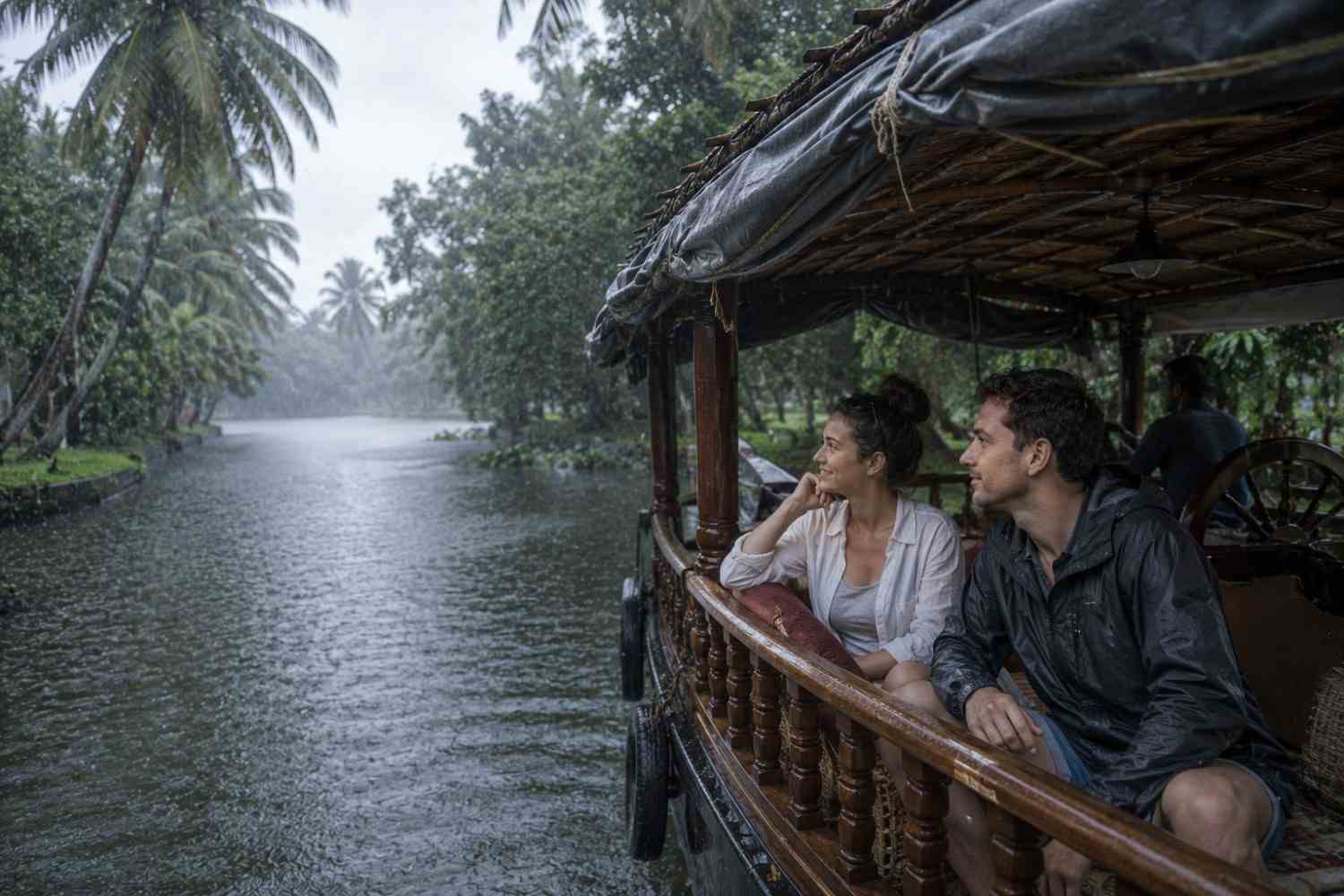
Rain arrives in sustained, heavy spells. Cloud cover drops over the valleys and sometimes stays for an entire day. Waterfalls reach maximum flow. Coffee plants drip with new growth and mist rolls through the estate roads in waves.
Some trekking trails close. Landslides during peak rain can temporarily block roads toward Mangalore and Mysore. Plan for slow travel and flexible days.
September: the tail end
Rainfall eases in September and the skies begin to clear more often. The Kailpoldh festival, a Kodava harvest celebration with feasting and local wine, takes place this month. This is the quietest month in Coorg's tourist calendar.
How to get to Coorg
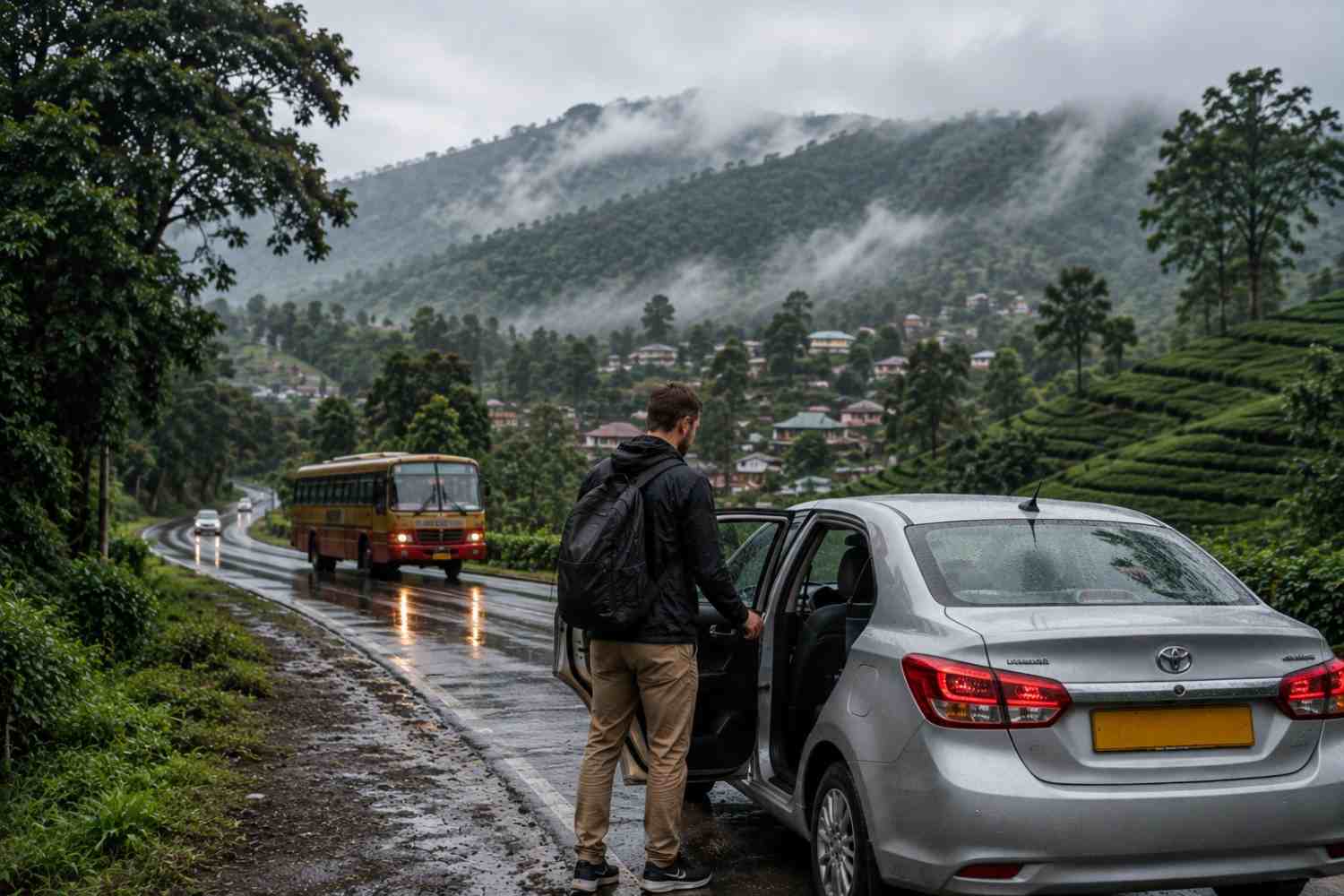
Coorg has no airport and no train station. All road journeys end at Madikeri or at the estates scattered across Kodagu district.
From Bangalore, the drive to Madikeri covers around 250 km and takes five to six hours. State-run and private buses run from Bangalore's KSRTC Bus Stand to Madikeri daily. A hired taxi from Bangalore costs Rs 3,500 to 5,000 (approx $37 to $52) one way.
International travellers arriving by air land at Mangalore (160 km) or Kannur in Kerala (90 km). A taxi from Mangalore to Madikeri costs around Rs 2,500 to 3,500 (approx $26 to $37). From Kannur, expect to pay around Rs 2,000 to 2,500 (approx $21 to $26) via Virajpet.
What to do in Coorg during monsoon
Coffee plantation walks
Every stay in Coorg offers some version of a plantation walk, and during monsoon the experience changes. The estate paths are quiet and wet. Guides point out the small green coffee berries forming on branches.
The canopy holds the rain above you long enough to walk between showers. Most plantation homestays include guided estate walks. Book for early morning before the daily rain starts in earnest.
Abbey Falls and Iruppu Falls
Abbey Falls, 10 kilometres from Madikeri, is Coorg's most visited waterfall. In dry season it runs at a fraction of its volume. During monsoon it becomes a wide, forceful cascade framed by coffee plantation greenery.
Entry to Abbey Falls costs a nominal Rs 15 per person, plus parking charges. Iruppu Falls, further south near the Kerala border, is seasonal and only worth visiting during or after monsoon. Entry costs Rs 20 to Rs 50 (approx $1) per person, and in July and August it runs at full strength across a wide basalt ledge.
Madikeri and the fort
Madikeri Fort was built in the 17th century and rebuilt by Tipu Sultan in the 18th. During monsoon, the fort grounds are green and largely empty of visitors. The attached museum covers Kodagu history and takes about an hour.
Madikeri town is the practical hub for Coorg: market, pharmacies, coffee shops, and most ATMs. Spend a rain afternoon at one of the small coffee roasters on the main street.
Dubare Elephant Camp
Dubare is a forest camp on the Kaveri River managed by the Karnataka Forest Department. Morning interactions allow visitors to observe elephant bathing and feeding. The camp operates through most of the monsoon.
River water levels occasionally affect access to the bathing area. Entry and activity fees are paid at the camp. Carry cash here as the site's card terminal connection is unreliable during heavy rain.
River rafting on Barapole
The Barapole river runs through Class 1 to 4 rapids and is a popular rafting route. Rafting depends on weather conditions and water levels. Local authorities can suspend it during heavy rain, especially in July and August when flash floods are a risk.
Operators are based in South Coorg near Kutta, roughly 75 to 80 km from Madikeri. Rates start around Rs 1,000 to 1,500 (approx $10 to $16) per person. Confirm with the operator a day ahead, since sessions can be cancelled at short notice.
Where to stay in Coorg during monsoon
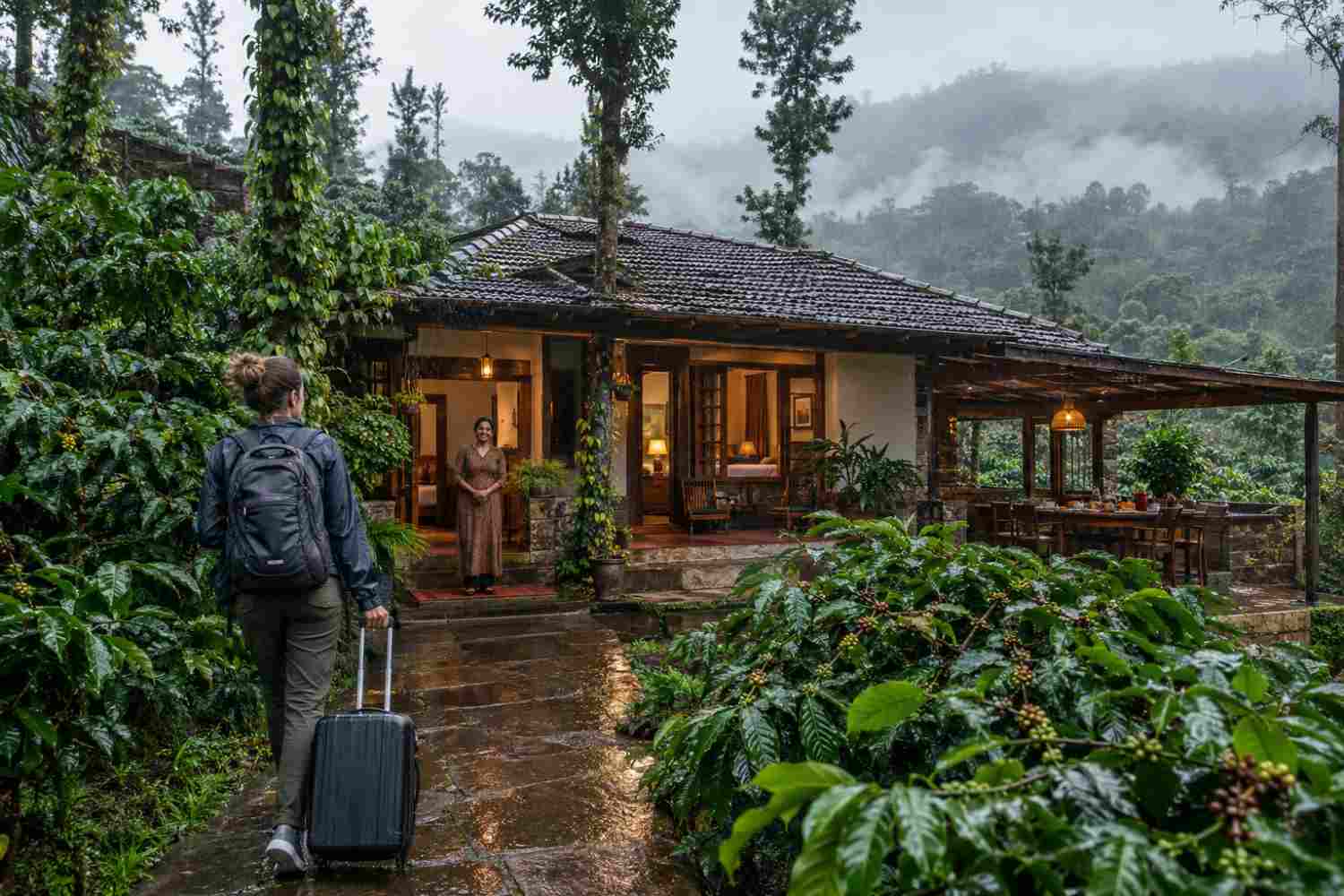
Plantation homestays are the right choice for a monsoon visit. They put you inside the estate landscape, with breakfast and dinner usually included. This matters more during monsoon when leaving the property for meals in rain is less appealing.
Rates in July and August are 20 to 35% below peak season prices. Most well-reviewed homestays cluster around Virajpet, Kutta, and the roads south of Madikeri toward the Kerala border. Book well before June; the better homestays fill their limited rooms early even at monsoon rates.
Money and payments in Coorg
Most Coorg travel guides skip this detail entirely for overseas visitors. Remote areas including plantation homestays, riverside camps, and waterfall car parks have unreliable card terminal connections. Heavy rain makes network disruption more common, and several guides specifically advise carrying cash outside Madikeri.
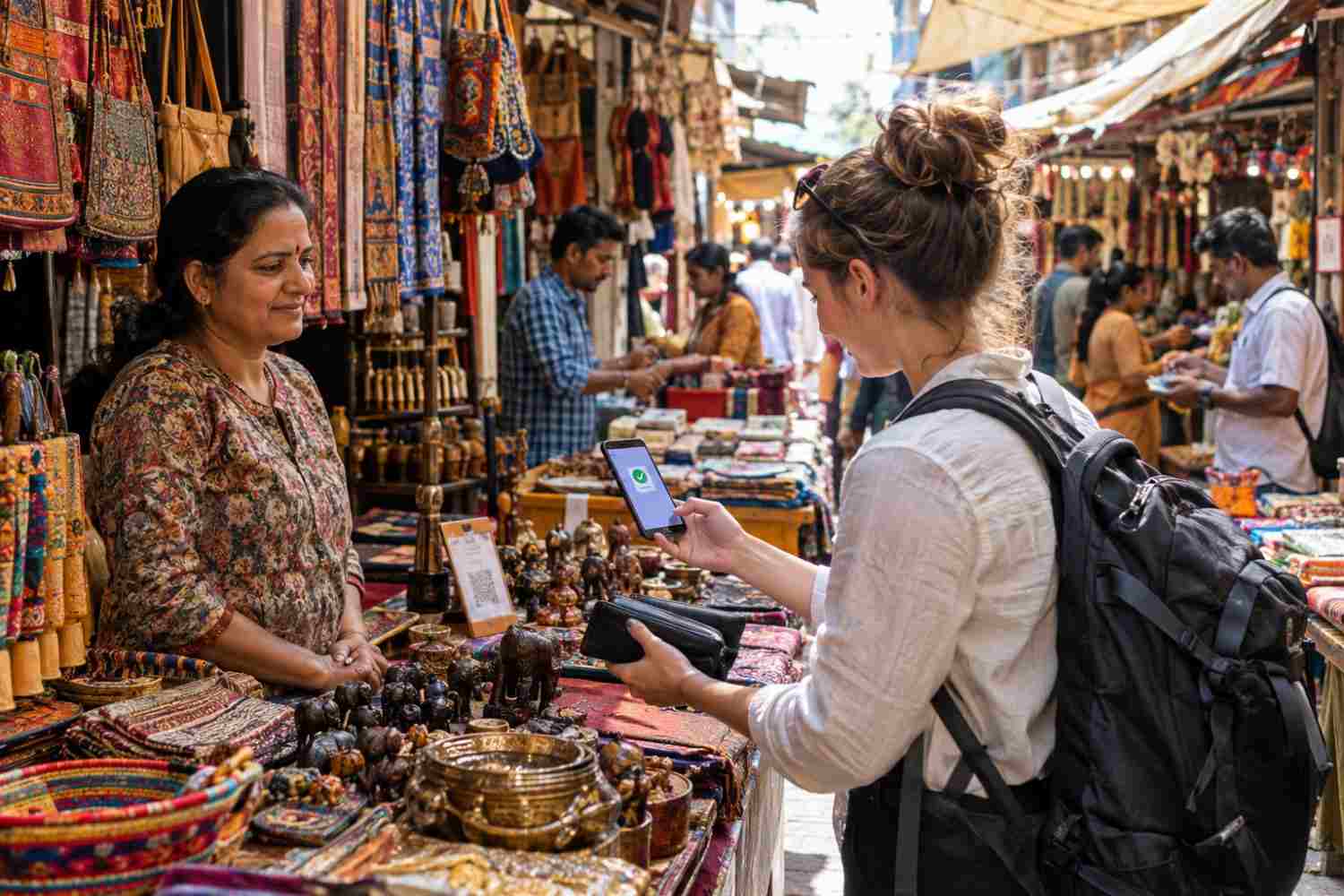
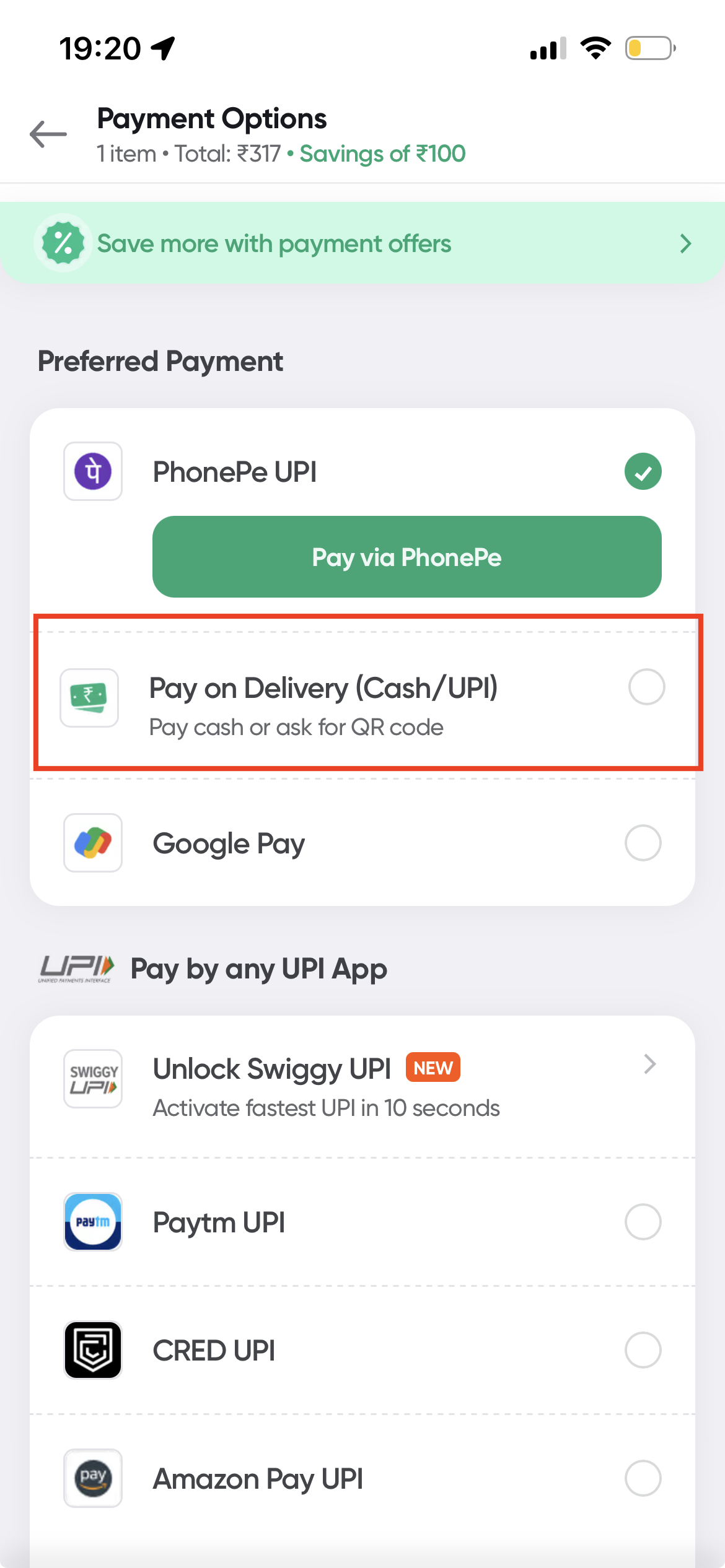
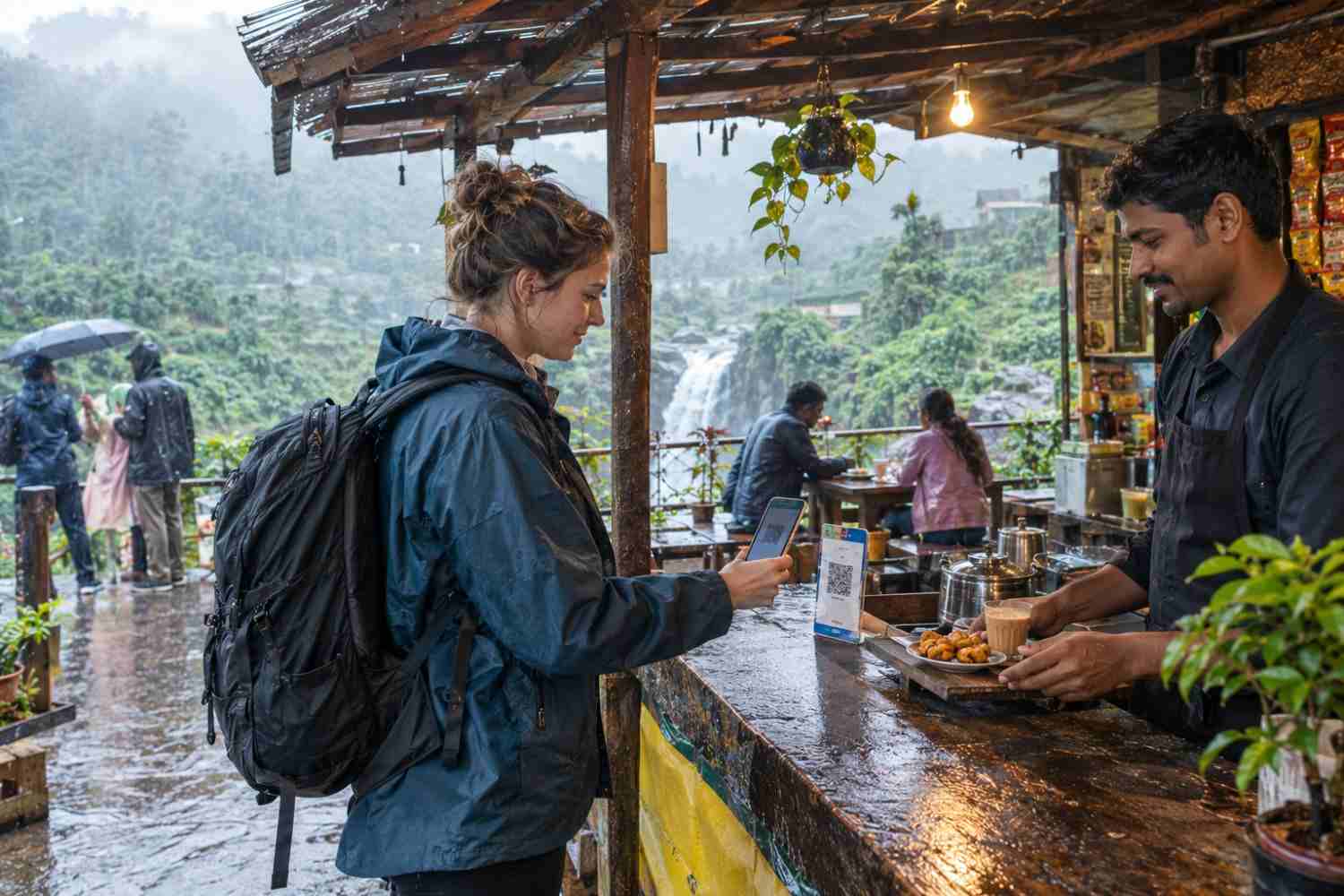
The main ATMs are concentrated in Madikeri town. Withdraw Rs 5,000 to 10,000 (approx $52 to $104) in Madikeri before heading to a remote estate or camp. Many homestays, cafes, and market stalls now display UPI QR codes.
QR payments work reliably where mobile data is available. A UPI wallet loaded in INR removes the dependency on card terminals at these merchants. This matters most during rain when POS connectivity is at its worst.
For a full guide on setting up UPI as a foreign visitor, read our UPI payment guide for foreigners in India. No Indian bank account or Indian SIM card is needed. An internet connection and location access are required.
For a broader look at cash challenges across India, read our guide on problems with carrying cash in India for foreign visitors.
Practical tips for overseas visitors
Pack a lightweight waterproof jacket, not an umbrella, for moving through estates and waterfalls. Umbrellas fold inside out in wind gaps between trees. Waterproof shoes matter most: muddy estate paths soak normal trainers in minutes.
Pack insect repellent. Leeches are common on wet paths after rain and attach to footwear and ankles.
Avoid driving at night during July and August. Landslide risk is real not only on the Mangalore highway but also on routes toward Mysore, which can temporarily block travel. Keep your travel dates flexible and check Karnataka's disaster management alerts.
Download offline maps before leaving Bangalore or Mysore. Mobile connectivity is patchy in many areas of Kodagu. For guidance on common tourist scams to avoid across India, read our scams guide for foreign tourists travelling to India.
Conclusion
Coorg in monsoon asks for a slower pace than most India trips, and that is exactly the point. The mist, the roaring falls, the rain on coffee leaves. Coorg saves these for the people who choose to show up. Come with waterproof shoes, a flexible morning or two, cash for remote spots, and a UPI wallet for the rest.
FAQs
1. Is Coorg worth visiting during monsoon?
Yes, for travellers who prefer atmosphere over packed itineraries. Waterfalls are at peak flow, estates are at their most lush, tariffs drop 20 to 35%, and crowds are minimal.
2. When is the best time to visit Coorg in monsoon?
Early June is the sweet spot: hills are green, waterfalls are running, and the heaviest rains have not yet arrived. Mid-July to late August delivers peak monsoon drama with more weather disruption.
3. How do I get to Coorg from Bangalore?
Drive or take a bus to Madikeri, roughly 250 km and five to six hours. Hired taxis cost Rs 3,500 to 5,000 (approx $37 to $52) one way. Coorg has no airport or train station.
4. What are the best things to do in Coorg during monsoon?
Coffee plantation walks, Abbey Falls and Iruppu Falls, Madikeri Fort and Dubare Elephant Camp all work well in monsoon. Barapole river rafting depends on the weather and can be suspended during heavy rain.
5. Are there ATMs in Coorg?
ATMs are available in Madikeri town. Remote estates, waterfall car parks, and river camps often have no ATM access. Withdraw cash in Madikeri before heading to remote locations.
6. Can I pay with UPI in Coorg?
Yes. Many homestays, cafes, and market stalls in Coorg accept UPI QR payments. A UPI wallet for foreign visitors lets you pay at these points without a card terminal.
7. Is it safe to drive in Coorg during monsoon?
Safe on main roads in daylight with caution. Landslides in peak rain weeks can block roads toward Mangalore and Mysore. Avoid night driving in July and August and check weather alerts.
8. What should I pack for Coorg in monsoon?
A waterproof jacket, waterproof shoes, insect repellent, quick-dry clothes, and offline maps downloaded before departure. Carry a dry bag for electronics.
9. How much do hotels cost in Coorg during monsoon?
Tariffs drop 20 to 35% below peak season rates. A plantation homestay that costs Rs 6,000 (approx $63) per night in December often drops to around Rs 4,000 (approx $42) in July.
10. Are waterfalls in Coorg safe to visit in monsoon?
Most waterfalls are accessible and at their best during monsoon. Stay on designated viewing platforms, maintain distance from the water's edge, and follow any local closure notices during heavy rain days.
"During the monsoon, card payments can be less reliable in remote parts of Coorg. CheqUPI gives foreign travellers another convenient way to pay at participating UPI merchants.
Download CheqUPI before your trip, complete activation after arriving in India, and pay with confidence across Coorg."