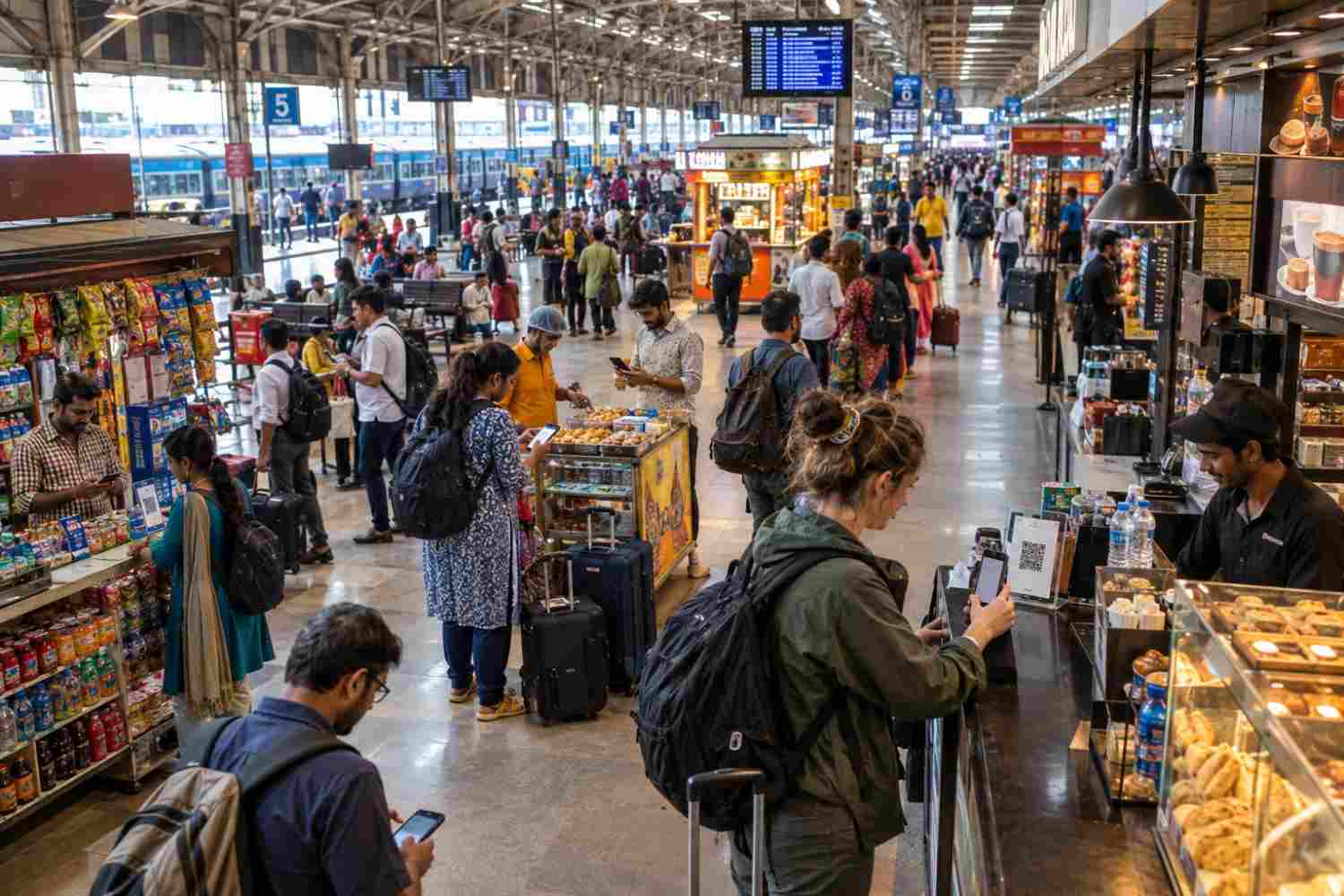
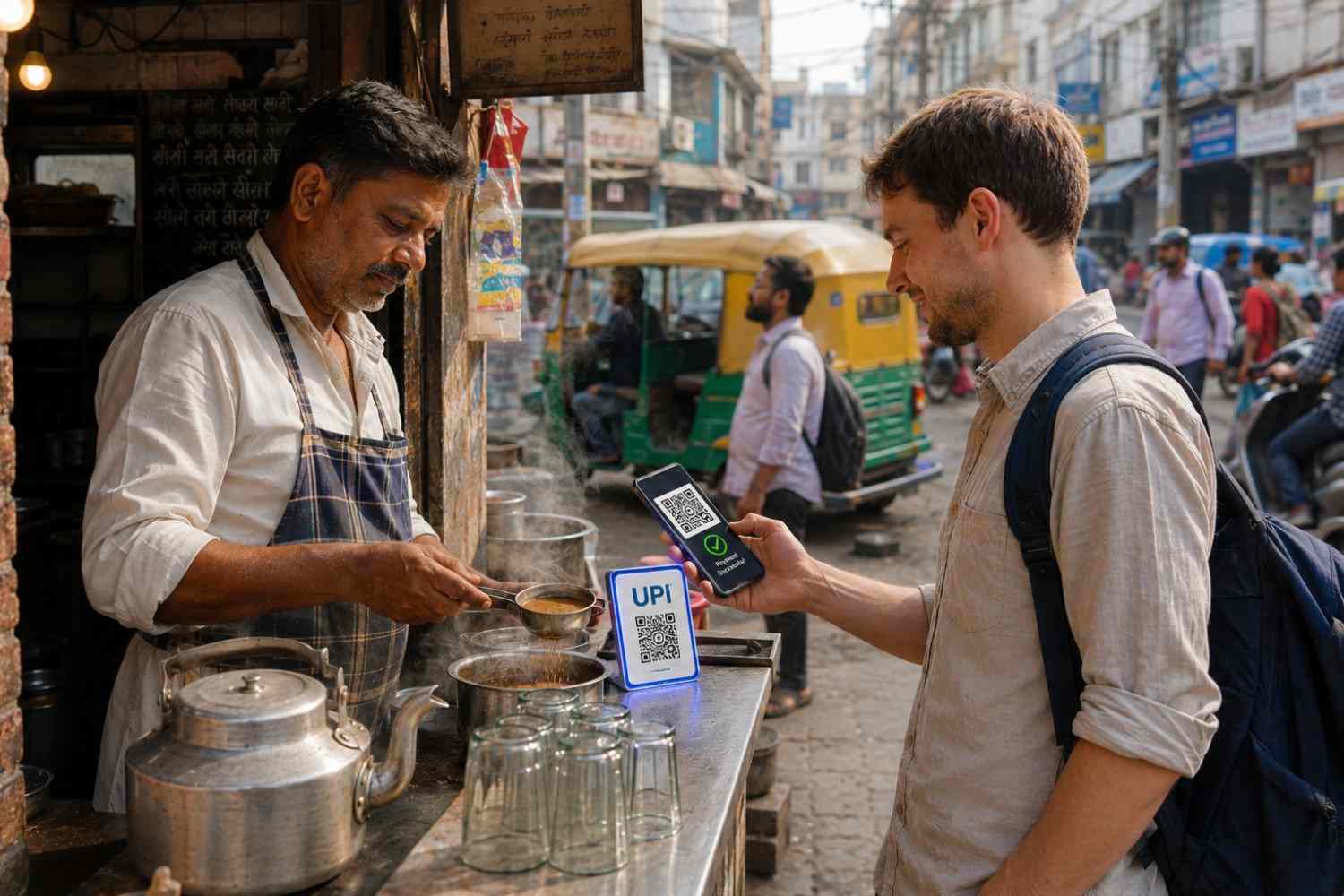
Europe spent decades building card infrastructure. India spent a decade building a different payment model. While German coffee shops were still putting up "cash only" signs, a vegetable vendor in a small Indian town was already scanning QR codes from customers who had never owned a bank card. No terminal. No fees. No middleman. Just a printed code and a phone.
India now processes 49% of the world's real-time payments, more than the next ten markets combined. Germany crossed 55% cashless for the very first time last year. That gap does not close by accident.
Key highlights
- India processed 241.62 billion transactions through UPI in FY 2025-26, a 30% year-on-year increase, according to NPCI.
- India holds approximately 49% of global real-time payment volume. This is more than the next ten markets combined, per ACI Worldwide and IMF data.
- UPI accounted for 85.5% of India's total digital payment volume in H2 2025, per the RBI's half-yearly payments report.
- Germany crossed 55% cashless transactions for the first time only in 2025, according to the Deutsche Bundesbank.
- Europe's SEPA Instant Credit Transfer accounted for just 23% of all credit transfers in the eurozone in H1 2025, per ECB data.
- UPI has zero merchant transaction fees, a design choice that drove adoption among small vendors who could not absorb card terminal costs.
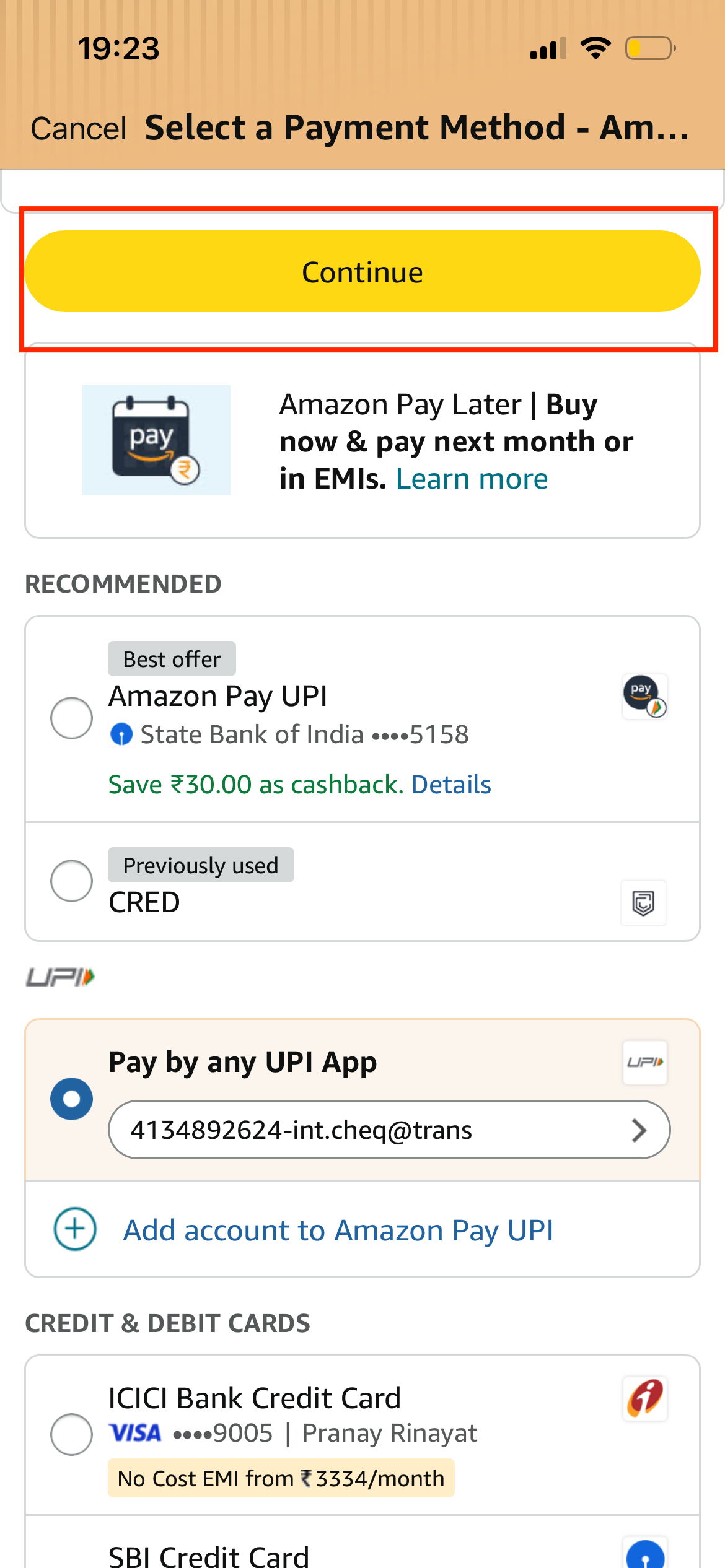
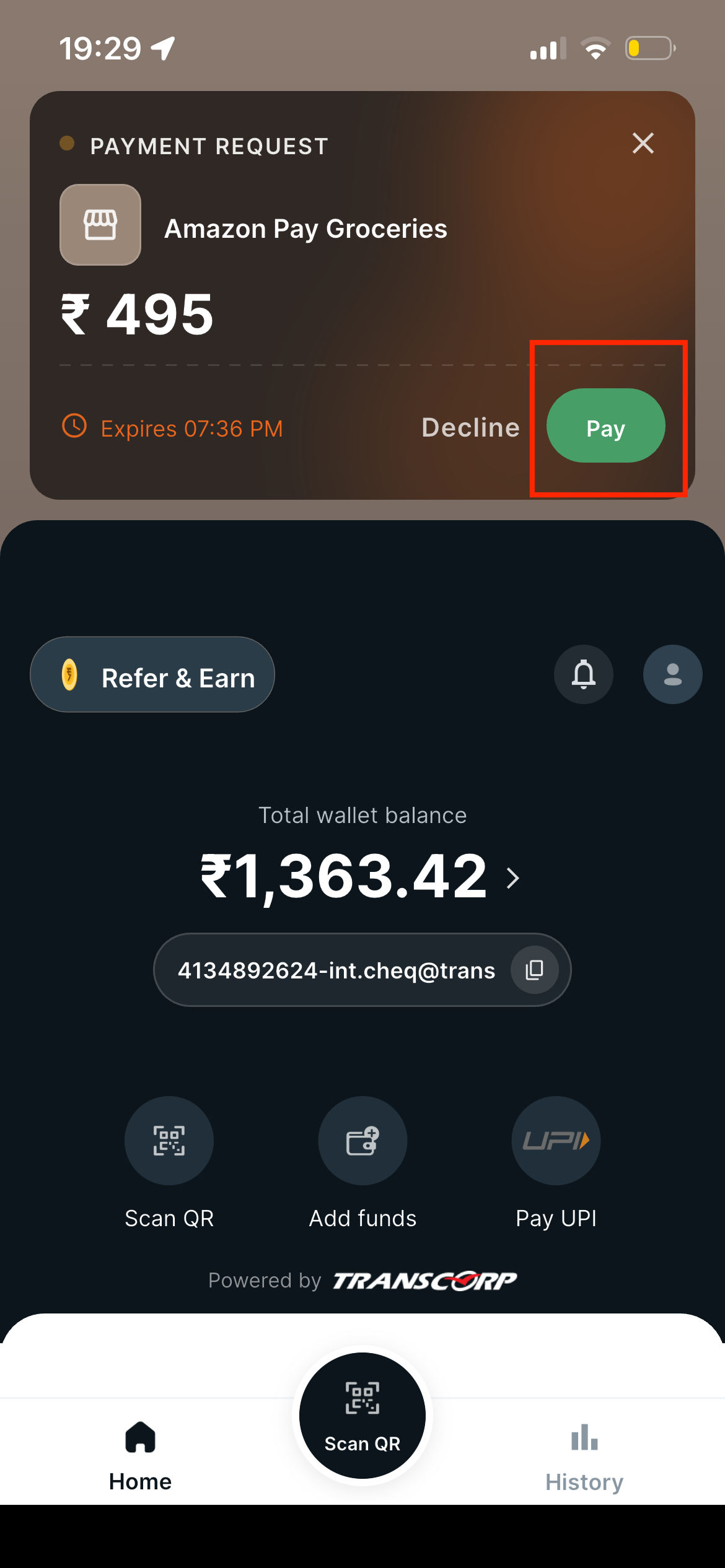
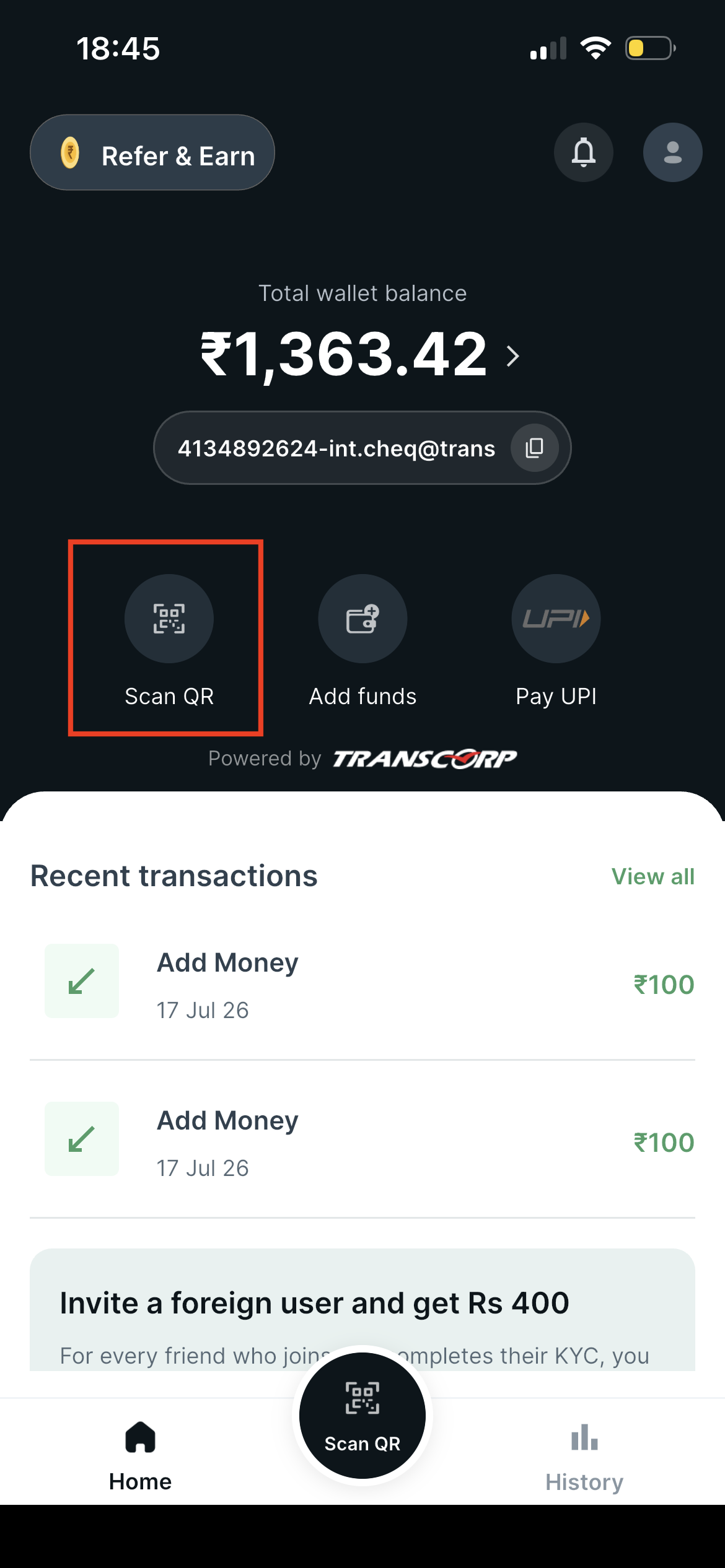
- CheqUPI is free to join for all eligible nationalities, with a loading fee of 2.95% +taxes and 0% merchant payment fee.
The numbers that make the case
India's lead in real-time payments is not a close race. According to ACI Worldwide data cited by the IMF in June 2025, India processes approximately 49% of all real-time payment transactions globally. In FY 2025-26, India recorded 129.3 billion real-time transactions annually.
Brazil, which ranks second with its Pix system, processed 37.4 billion annually in the same period. Europe's SEPA Instant Credit Transfer accounted for just 23% of all credit transfers in H1 2025, per the European Central Bank. The ECB's total non-cash payment volume for the euro area in H1 2025 was 77.7 billion transactions.
India's UPI processed more than twice that figure in a single year. Germany crossed the 55% cashless threshold for the first time in 2025. The Bundesbank called it a decisive shift: the first time since 2008 that cashless payments had taken the lead in Germany.
How India built its payment stack differently
The gap between India and Europe is not a story of consumer behaviour. It is a story of infrastructure design.
UPI as public infrastructure, not a product
UPI was built by the National Payments Corporation of India, a body created by the RBI and the Indian Banks Association. It is a public utility, not a commercial product. Every bank, every payment app, and every merchant connects to the same underlying rail.
There is no proprietary network to protect. PhonePe, Google Pay, and Paytm all run on the same NPCI infrastructure and compete only on user experience. This interoperability means a merchant with a single QR code accepts payment from any UPI app a customer might have.
Europe's payment landscape has fragmented across national card schemes, proprietary wallets, and competing bank networks. These systems do not speak to each other natively. SEPA Instant is changing this, but the mandate only took full effect in 2024.
The QR-first model that skipped card terminals
Card payment infrastructure requires a physical terminal, a merchant bank account linked to a card network, and per-transaction fees. In India, these costs made card acceptance unviable for small merchants. UPI solved this with a printed QR code that costs nothing to produce and accepts payments at zero percent.
Over 56.86 crore QR codes have been deployed across 6.5 crore merchants in India through the Payments Infrastructure Development Fund. This reaches tier-3 to tier-6 towns and rural areas. A chai stall, a cycle repair shop, and a street food cart can all accept digital payments without a card reader.
Europe's small merchant sector still largely relies on physical card terminals. Setup costs and interchange fees make adoption slower. The QR code model did not take hold here at the same scale.
Demonetisation as a forcing function
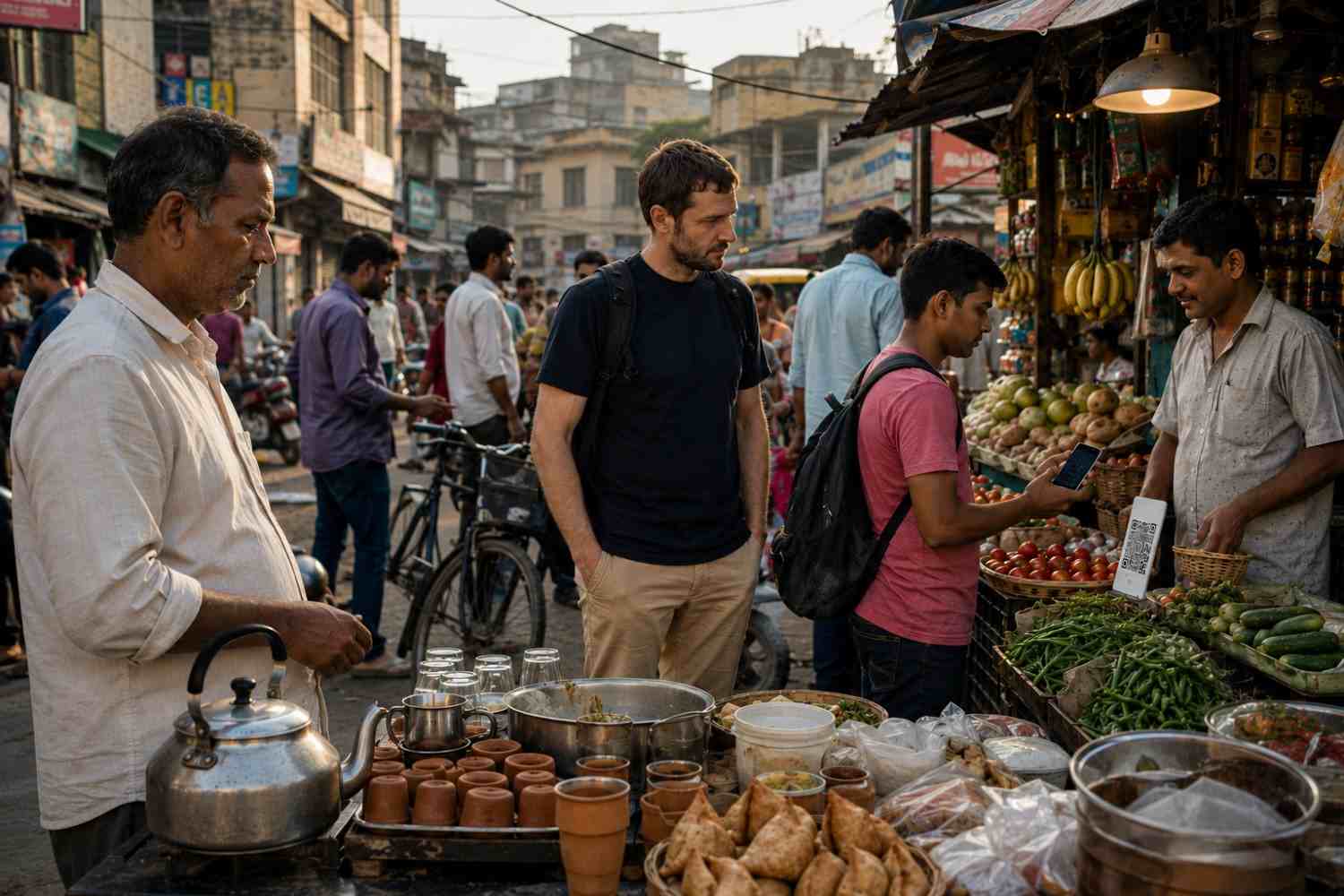
In November 2016, the Indian government withdrew Rs 500 and Rs 1,000 notes with four hours' notice. This removed approximately 86% of currency in circulation overnight. The cash shortage pushed millions toward UPI, which had launched seven months earlier, compressing years of adoption into weeks.
No European country has experienced a comparable structural shock to its cash supply. Digital payment adoption in Europe has followed a slower, market-led curve. Consumer preference and regulatory nudges shaped the pace rather than sudden necessity.
Why Europe's digital payment transition is slower
Europe's payment infrastructure is advanced in some dimensions, but its adoption of instant, interoperable payments has lagged. Two factors explain most of the gap.
Germany's Bargeld culture
Germany is the largest economy in Europe and one of the most cash-preferring. Even after crossing 55%, about a quarter of consumers still reported cashless payment failures. The most common reason: a merchant would not accept it. Cash preference in Germany is cultural, linked to privacy concerns and a historical mistrust of large financial institutions.
France and Italy show similar patterns. The European Central Bank has stated it does not intend to eliminate cash. EU proposals for the digital euro are designed as a complement to banknotes, not a replacement.
SEPA Instant: progress, but behind schedule
SEPA Instant Credit Transfer was introduced in 2017 but remained optional for banks until an EU mandate passed in 2024. As of H1 2025, it accounted for 23% of credit transfers. The infrastructure is sound, but adoption was slow because participation was not compulsory for most of the system's existence.
India made participation mandatory from the start. Every bank on UPI's network had to support it. As of FY 2025-26, 703 banks are live on UPI, covering public, private, cooperative, and payment banks across India.
The structural difference: government mandate vs market evolution
The core explanation for India's lead is simple. India designed UPI as a public mandate with zero fees and compulsory interoperability. Europe evolved payments through market competition across fragmented national systems with commercial fee structures.
Both approaches have merits. Europe's card infrastructure is deeply embedded, reliable, and consumer-trusted across decades. India's UPI is newer, faster-growing, and more broadly accessible to low-income merchants and consumers.
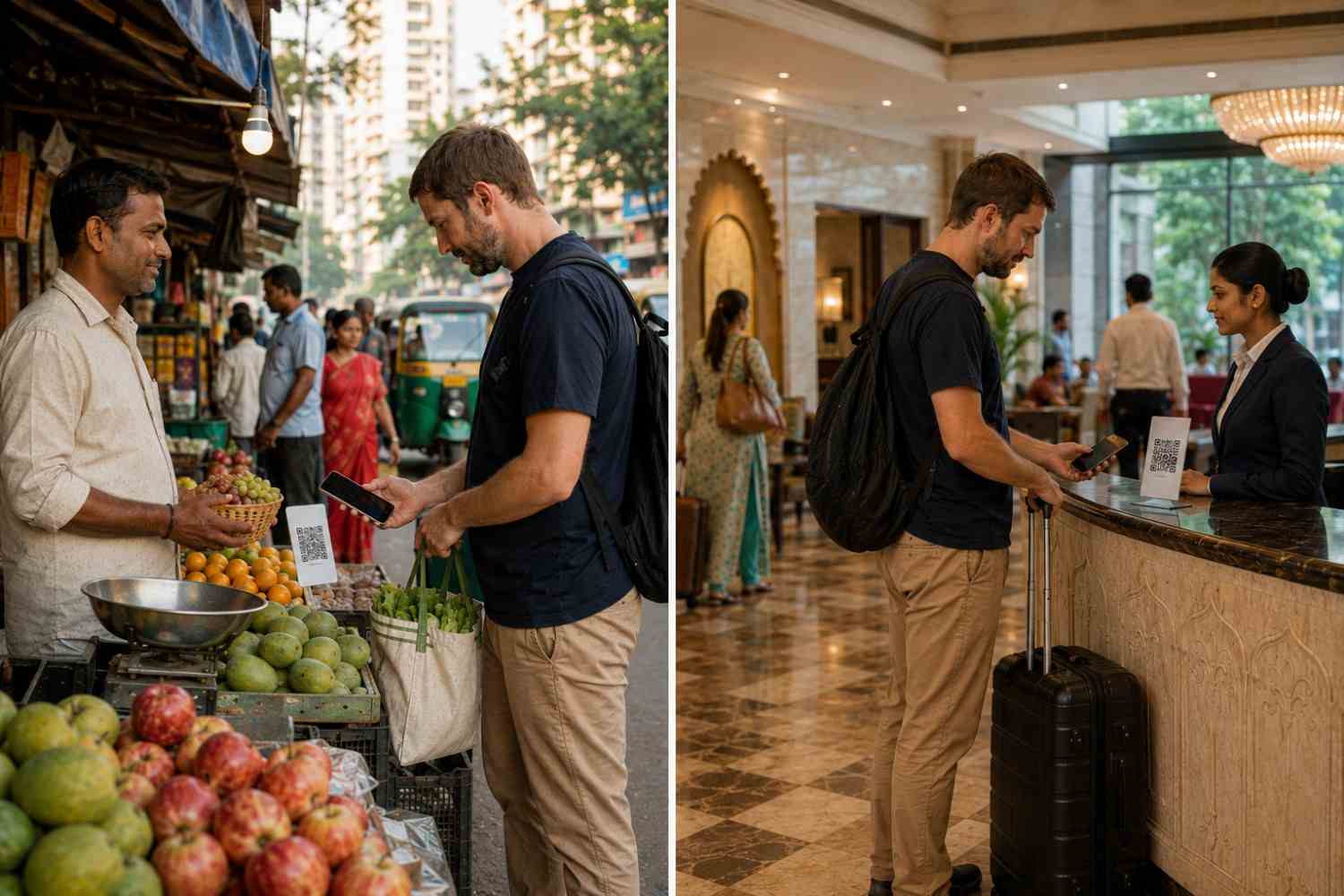
The result is a system where a tier-4 town vegetable vendor and a Mumbai hotel share the same payment rail. They accept the same QR code, at the same zero merchant fee. That scale of reach has not been fully achieved by Europe's card networks even now.
What this means for foreign tourists visiting India
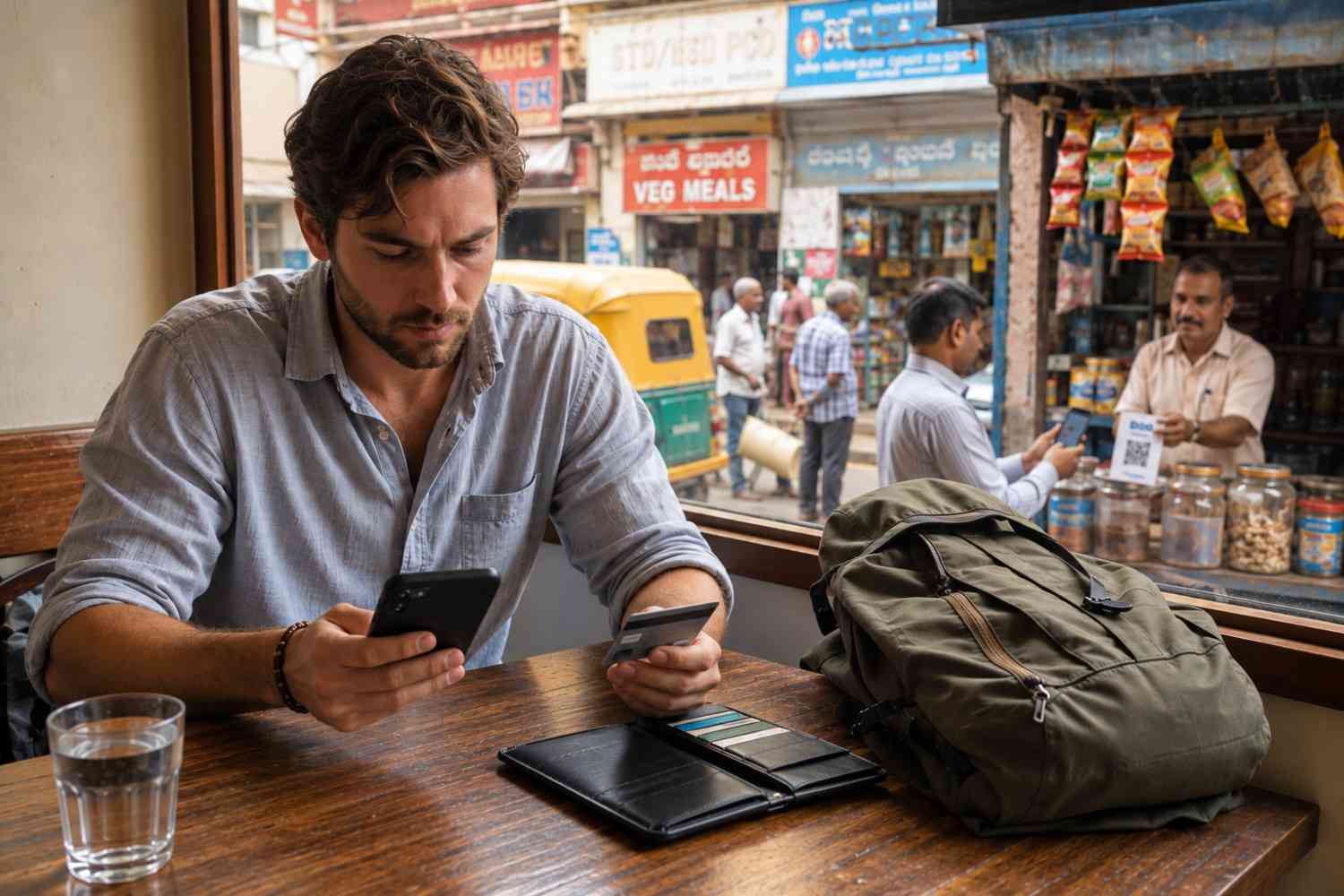
For a foreign tourist arriving in India, this shift has a direct practical consequence. Most of India's 55 million-plus merchant acceptance points run on UPI QR codes, not card terminals.
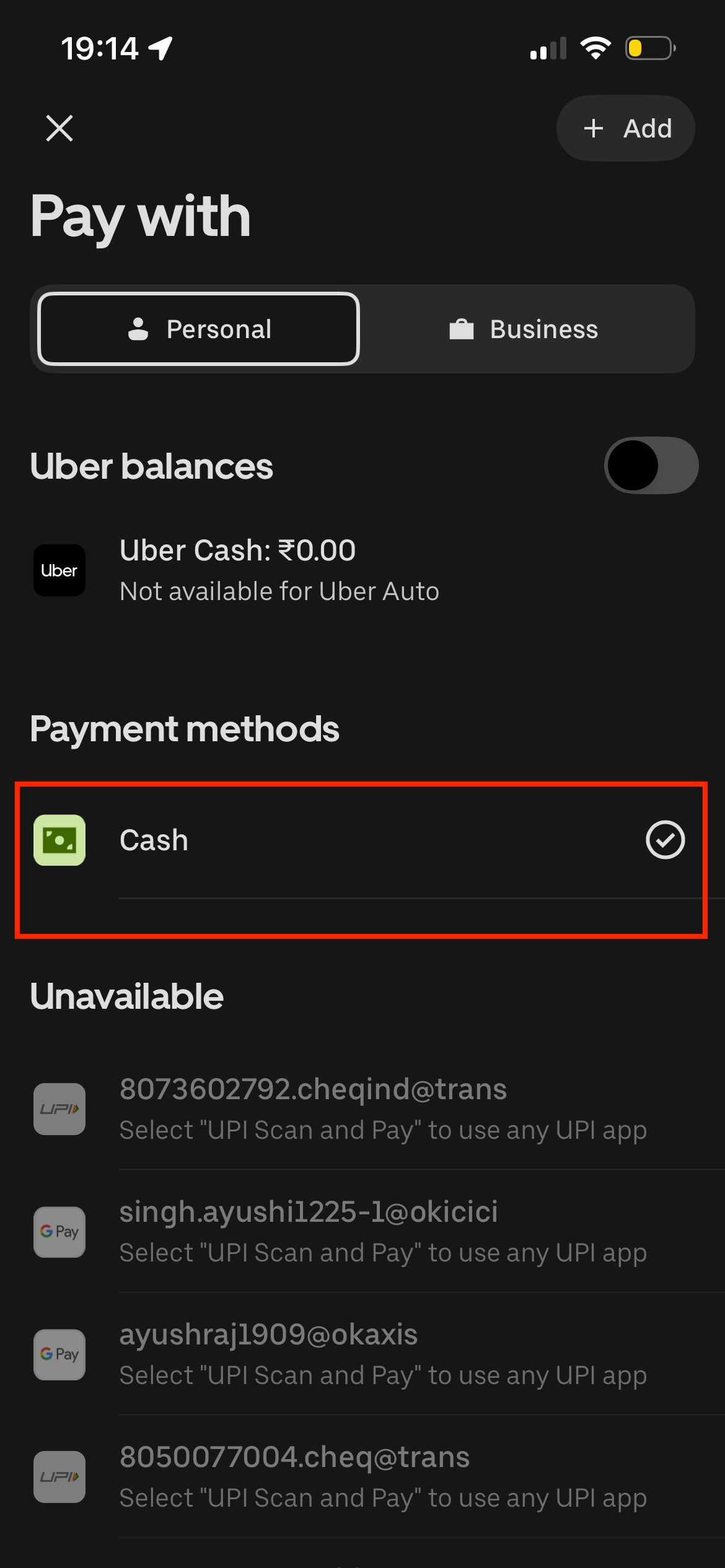
International cards are accepted at large hotels and shopping malls. They are often unavailable or refused at street food stalls, auto-rickshaws, local markets, small guesthouses, and temple towns. A foreign tourist arriving with only a Visa or Mastercard will encounter this gap immediately.
A tourist-friendly UPI wallet loaded in INR using an international card can significantly reduce that gap. Most merchant QR codes become a payment point, though personal QR codes used by individual vendors or drivers still fall outside what a P2M-only wallet supports. For a full breakdown of how UPI access works for foreign tourists, read our UPI payment guide for foreigners in India.
Cash remains necessary in smaller towns and rural areas where connectivity is patchy. Carry Rs 5,000 to 10,000 (approx $52 to $104) for those gaps. For more on why cash creates problems across India, read our guide on problems with carrying cash in India for foreign visitors.
Conclusion
India's cashless lead over Europe was not inevitable. It was an engineering and policy choice. Build a public rail, make it free for merchants, distribute QR codes instead of card terminals, and mandate interoperability from day one. Europe is catching up, but the gap in real-time payment volume is measured in decades of adoption, not years.
FAQs
Why does India process more digital payments than Europe?
India built UPI as public infrastructure with zero merchant fees and mandatory interoperability from launch. Europe's payment systems evolved through fragmented, market-led competition with commercial fee structures and slower mandate timelines.
What share of global real-time payments does India hold?
India holds approximately 49% of global real-time payment transaction volume, per ACI Worldwide data cited by the IMF in June 2025. This is more than the next ten markets combined.
Is Germany a cashless country?
No, not yet. Germany crossed 55% cashless transactions for the first time in 2025, per the Bundesbank. About a quarter of consumers still cannot complete a cashless payment at some merchants.
What is SEPA Instant and how does it compare to UPI?
SEPA Instant Credit Transfer is Europe's real-time bank transfer system. It accounted for 23% of credit transfers in the eurozone in H1 2025. UPI accounted for 85.5% of India's total digital payment volume in the same period.
How did demonetisation affect India's digital payments?
India's 2016 demonetisation removed 86% of currency in circulation overnight. The cash shortage pushed millions of merchants and consumers to UPI, which had launched seven months earlier, compressing years of adoption into weeks.
Why did India skip card terminals?
Card terminals require upfront costs, merchant bank accounts linked to card networks, and per-transaction fees. UPI's QR code model requires none of these, making adoption viable for small merchants in tier-3 to tier-6 towns.
How many QR codes have been deployed in India?
Over 56.86 crore QR codes have been deployed to 6.5 crore merchants across India through the Payments Infrastructure Development Fund, including in rural and semi-urban areas.
Can foreign tourists use UPI in India?
Yes. Foreign tourists can load a UPI wallet using an international Visa or Mastercard and pay at any of India's 55 million-plus QR-code merchants without an Indian bank account.
How many banks are live on UPI?
703 banks were live on UPI as of FY 2025-26, covering public, private, cooperative, small finance, and payment banks across India.
Will Europe catch up to India in real-time payments?
The EU mandate requiring all eurozone banks to offer SEPA Instant took full effect in 2024. Adoption is rising, but Europe's 23% instant credit transfer share in H1 2025 shows a significant gap remains.
“India's cashless infrastructure is easy to access once foreign tourists have UPI access. CheqUPI bridges that gap across 55 million-plus merchants. Download CheqUPI before your trip, complete activation after arriving in India.”