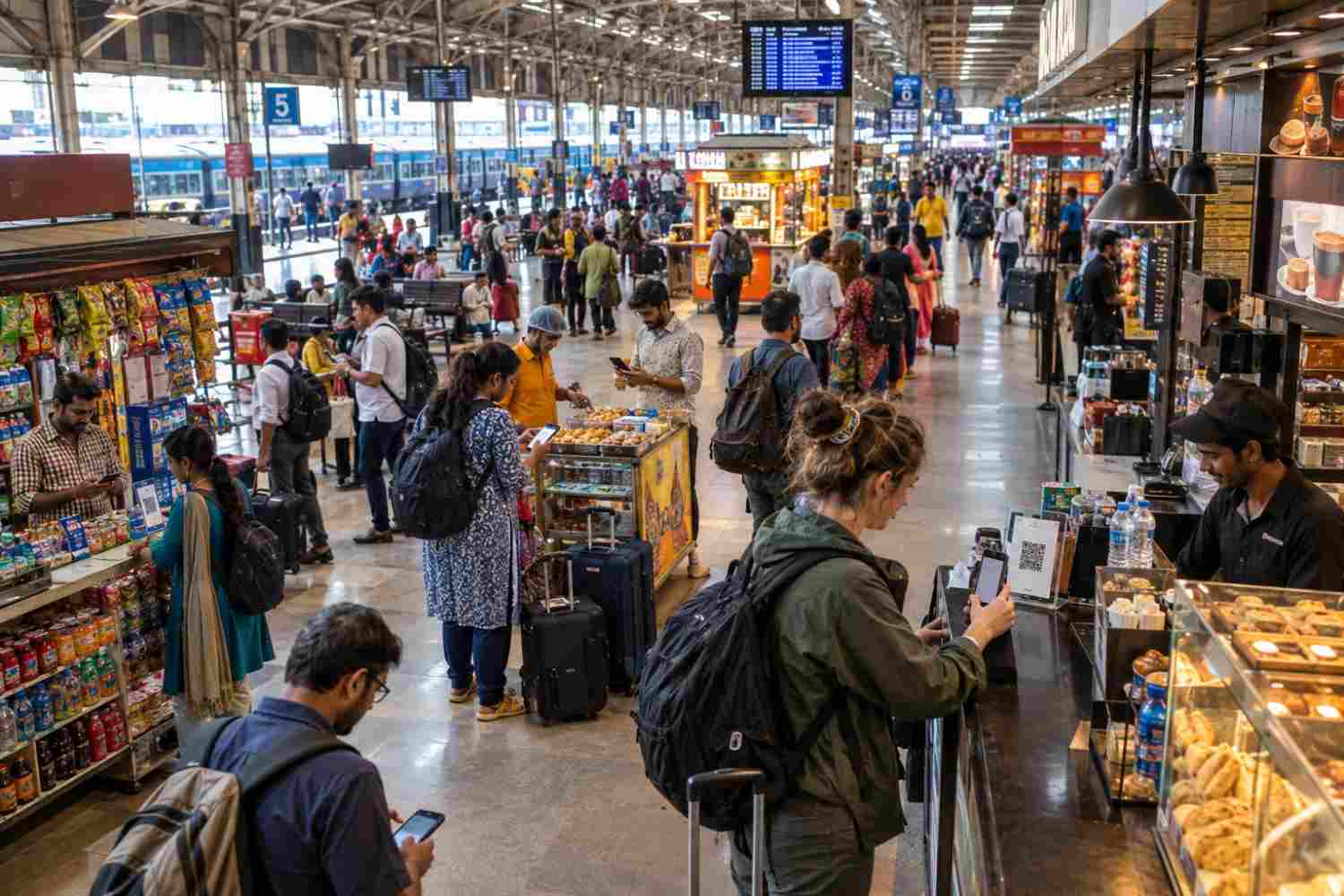
India built UPI. Brazil built Pix. Both solved the same problem getting hundreds of millions of people to pay digitally without a card terminal and both succeeded. But they did it in completely different ways, with different governance, different fee structures, and very different results on adoption speed and cross-border access.
Which one built the better system depends entirely on what you are measuring. Here is the honest answer across six dimensions.
Key highlights
- UPI processed 241.62 billion transactions in FY 2025-26, holding approximately 49% of global real-time payment volume per ACI Worldwide data cited by the IMF in June 2025.
- Pix holds approximately 14% of global real-time volume, making it the second-largest national instant payment system in the world.
- Pix reached approximately 82% of Brazil's adult population (174 million users) by March 2026. UPI reached approximately 35% of India's population (491 million active users) by January 2026.
- UPI charges merchants 0% on transactions. Pix allows acquirers to charge merchants 0.33% to 1.5% per transaction.
- Pix is the most rapidly adopted instant payment system ever built, reaching 70% population penetration within four years of launch.
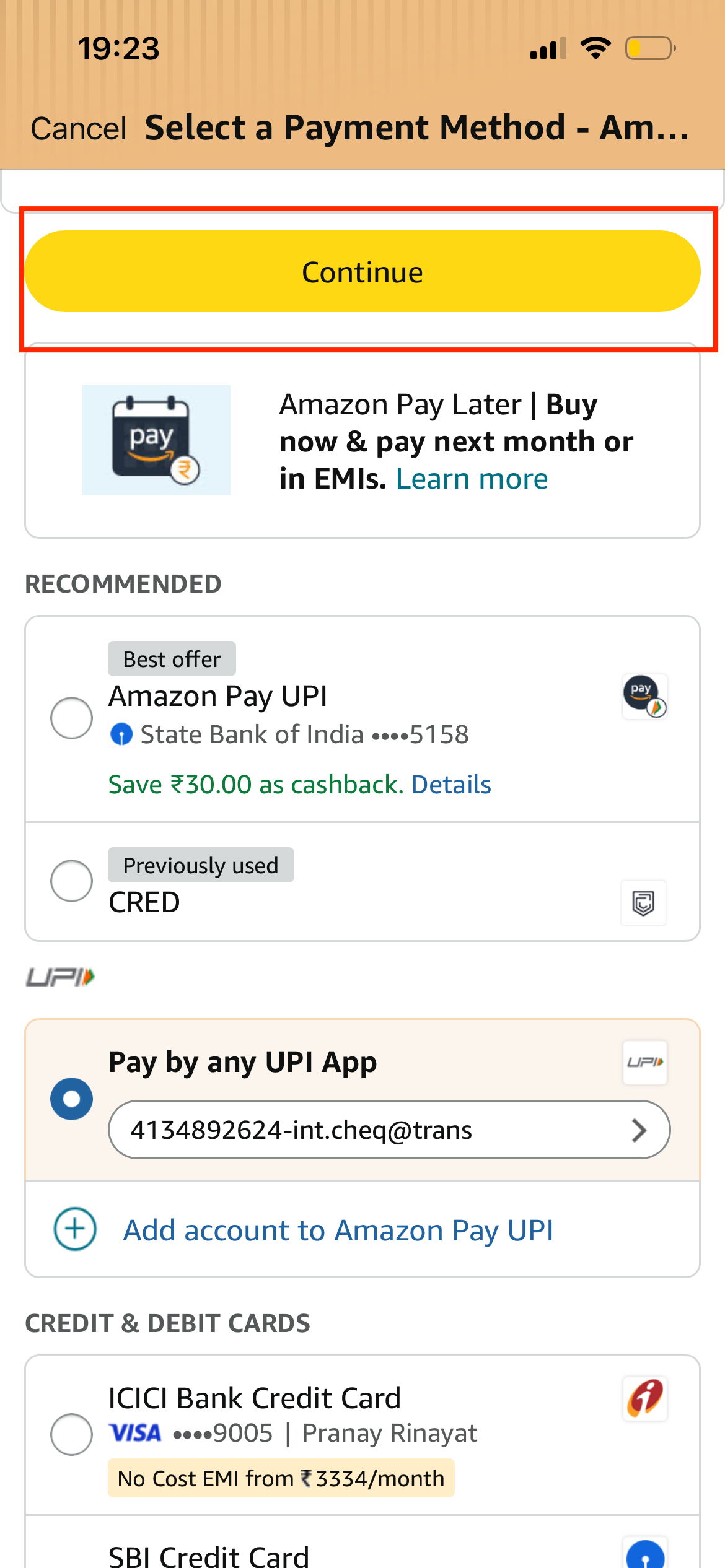
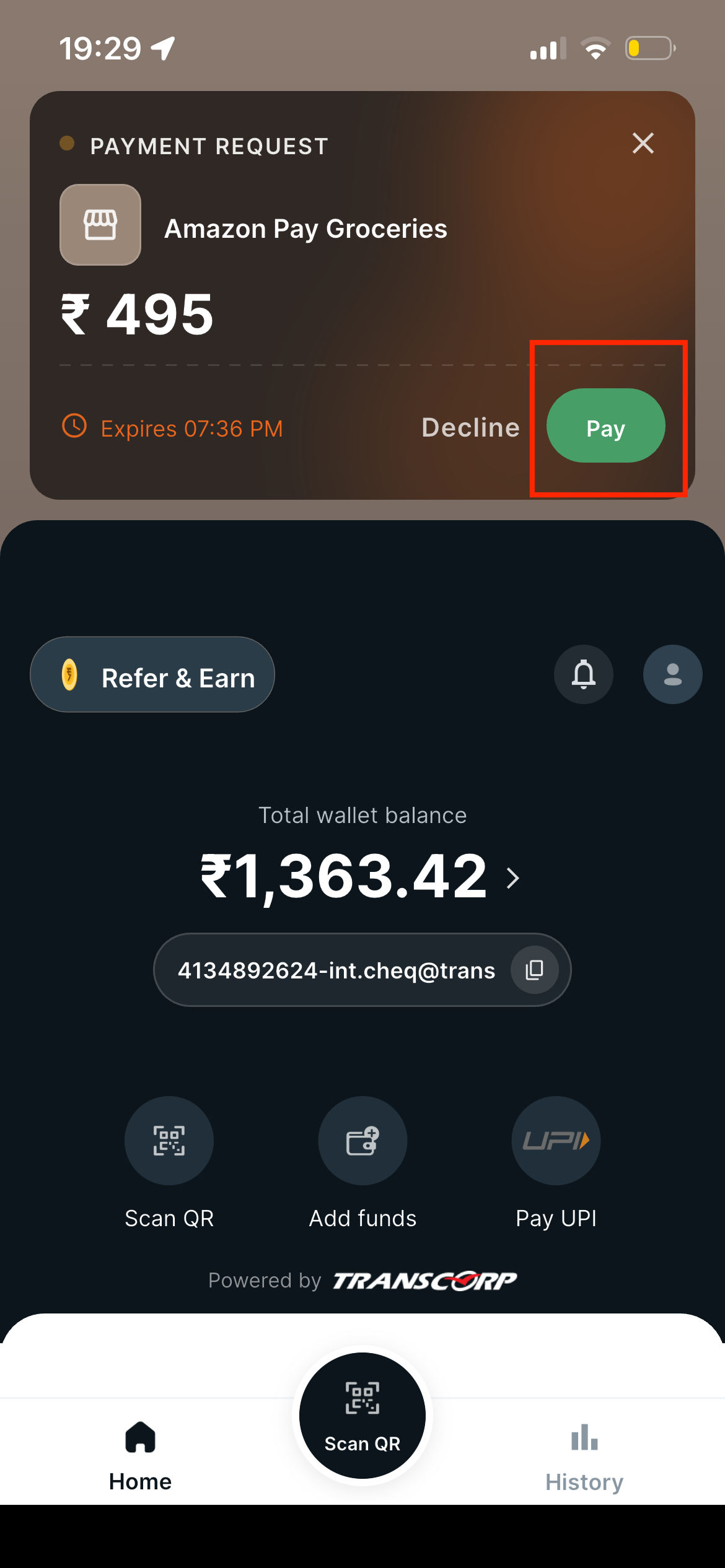
- Foreign tourists can access UPI through CheqUPI without a local bank account. Pix requires a Brazilian CPF and local bank account.
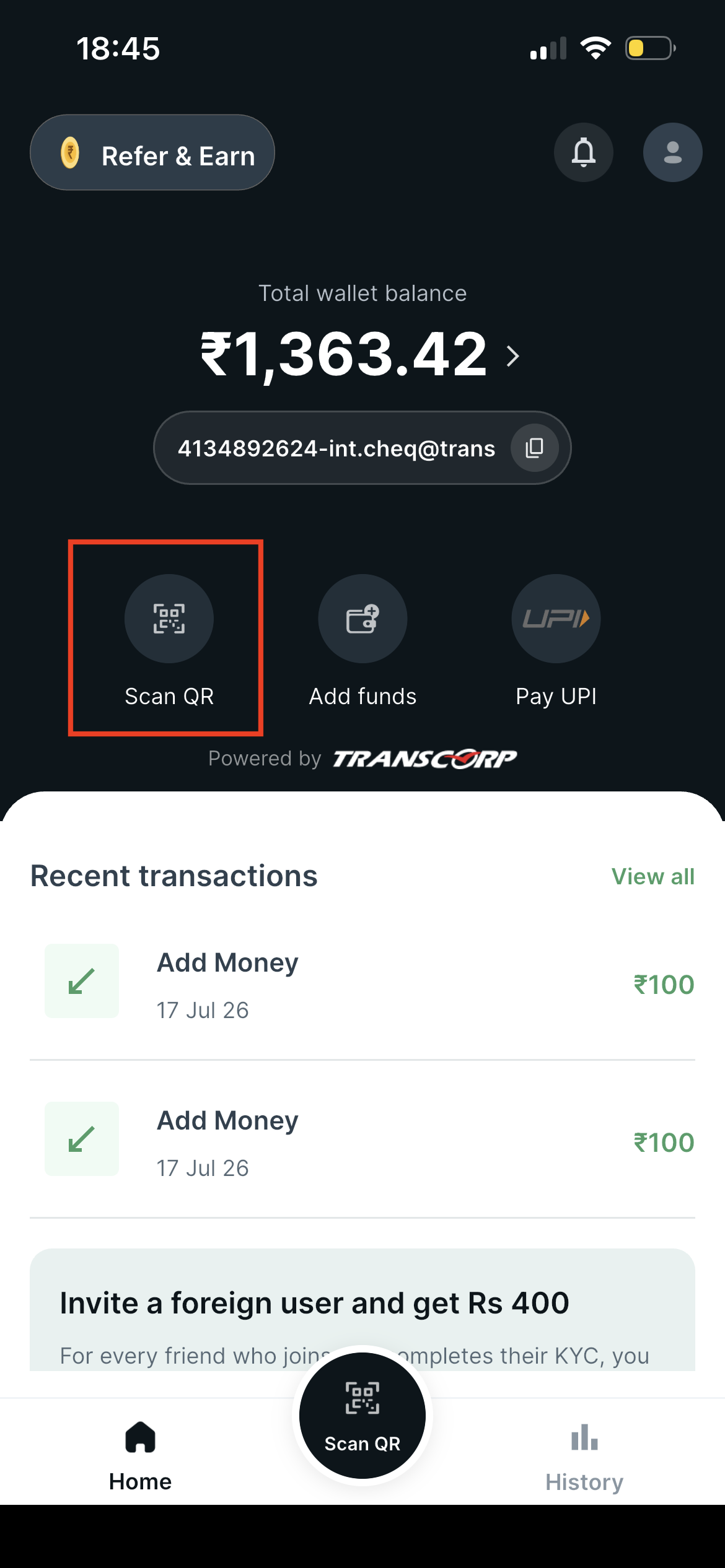
- CheqUPI is free to join for all eligible nationalities, with a loading fee of 2.95% + applicable taxes and 0% merchant payment fee.
The numbers first
UPI is the larger system by volume. It processed 241.62 billion transactions in FY 2025-26, growing 30% year-on-year. India accounts for approximately 49% of global real-time payment volume.
In June 2025, India recorded 129.3 billion real-time transactions. Brazil's Pix recorded 37.4 billion in the same month. The gap reflects population and timing: India has 1.4 billion people vs Brazil's 215 million, and UPI launched four years before Pix.
Pix is not small. It processed 63.4 billion transactions worth $4.6 trillion in 2024, growing 53% year-on-year.
Its single-day record stands at 250.5 million transactions. That exceeds the monthly count of most European instant payment systems.
How each system was built
UPI: decentralised, NPCI-governe
d, open API
UPI was designed by the National Payments Corporation of India, a non-profit set up by the RBI and the Indian Banks Association. It is not directly government-owned. NPCI publishes open APIs that any fintech, bank, or developer can build on.
This openness attracted Google Pay, PhonePe, and Paytm to the ecosystem. By May 2026, those three held over 79% of UPI transaction volume.
Both are foreign-backed: Alphabet and Walmart respectively. The NPCI has capped single-app market share at 30%, effective late 2026.
Pix: centralised, central bank-owned, ISO 20022
Pix is owned, operated, and regulated entirely by the Banco Central do Brasil (BCB). It mandated participation for all large financial institutions from day one. In 2020, the BCB blocked WhatsApp Pay and introduced Pix weeks later.
That decision kept foreign Big Tech off the core payments rail. Ecosystem development concentrated among Brazilian neobanks and fintechs. Pix uses the ISO 20022 messaging standard for cross-institution interoperability.
Brazil chose a global standard for fast deployment. India chose a custom XML-based protocol for long-term ecosystem flexibility.
The QR code implementation
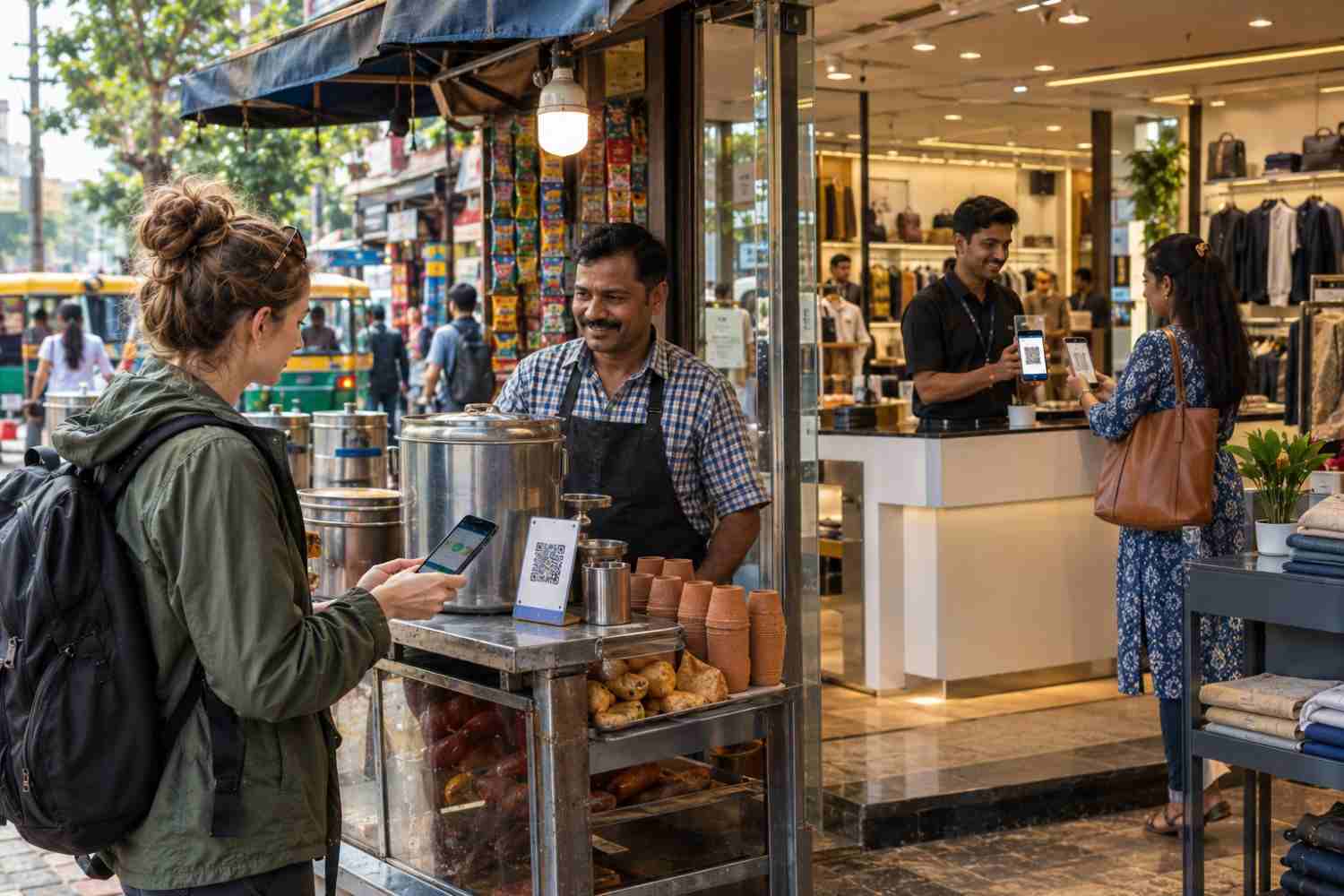
Both systems made QR codes a primary payment surface. The design choices differ.
UPI QR codes are static by default for small merchants and dynamically generated for larger merchants. Scanning a UPI QR in any app on the network works because the underlying rail is shared. A PhonePe user and a Google Pay user scan the same code and reach the same settlement.
Pix adopted the BR Code standard in October 2020, compatible with the EMV specification. In February 2025, the BCB launched Pix por Aproximação, a contactless tap-to-pay standard.
It bypasses Apple's NFC fee by using a bank-layer protocol. Pix may be the first major instant payment system to offer contactless payments without paying a fee to a device manufacturer.
Both QR implementations achieve the same design goal: a printed code costs nothing, requires no card terminal, and accepts any participating app.
Fees and merchant economics
UPI's merchant fee is effectively zero. The Indian government has prohibited merchant discount rates on UPI transactions, funding the gap with a subsidy scheme. This drove adoption among street vendors and small shops that would never have installed a card terminal.
Pix does not charge individuals, but acquirers can charge merchants between 0.33% and 1.5% per transaction. This is far below Brazil's card fees of 2.5% to 4.5%. The BCB allowed acquirers to retain fees to give them a commercial reason to onboard merchants at scale.
Both approaches worked for adoption. UPI's zero-fee model delivered deeper penetration into the informal economy. Pix's low-fee model gave acquirers an incentive to build out merchant networks.
India optimised for inclusion. Brazil optimised for incentive alignment.
Adoption speed and population penetration
This is where Pix wins. By March 2026, 174 million people had used Pix, representing approximately 82% of Brazil's adult population. This is the fastest population penetration of any real-time payment system ever built. Pix reached 100 million users in its first year.
UPI has 491 million active users as of January 2026, representing approximately 35% of India's 1.4 billion population. The absolute user count is larger, but per-capita penetration is significantly lower. Rural India, lower-income segments, and older demographics have adopted UPI more slowly.
The BCB's mandatory participation mandate drove this gap. Every major Brazilian bank was required to offer Pix from launch.
Customers found it in their existing banking apps on day one. UPI required new app downloads and account linking, which slowed initial uptake in non-urban segments.
Cross-border access: the tourist test
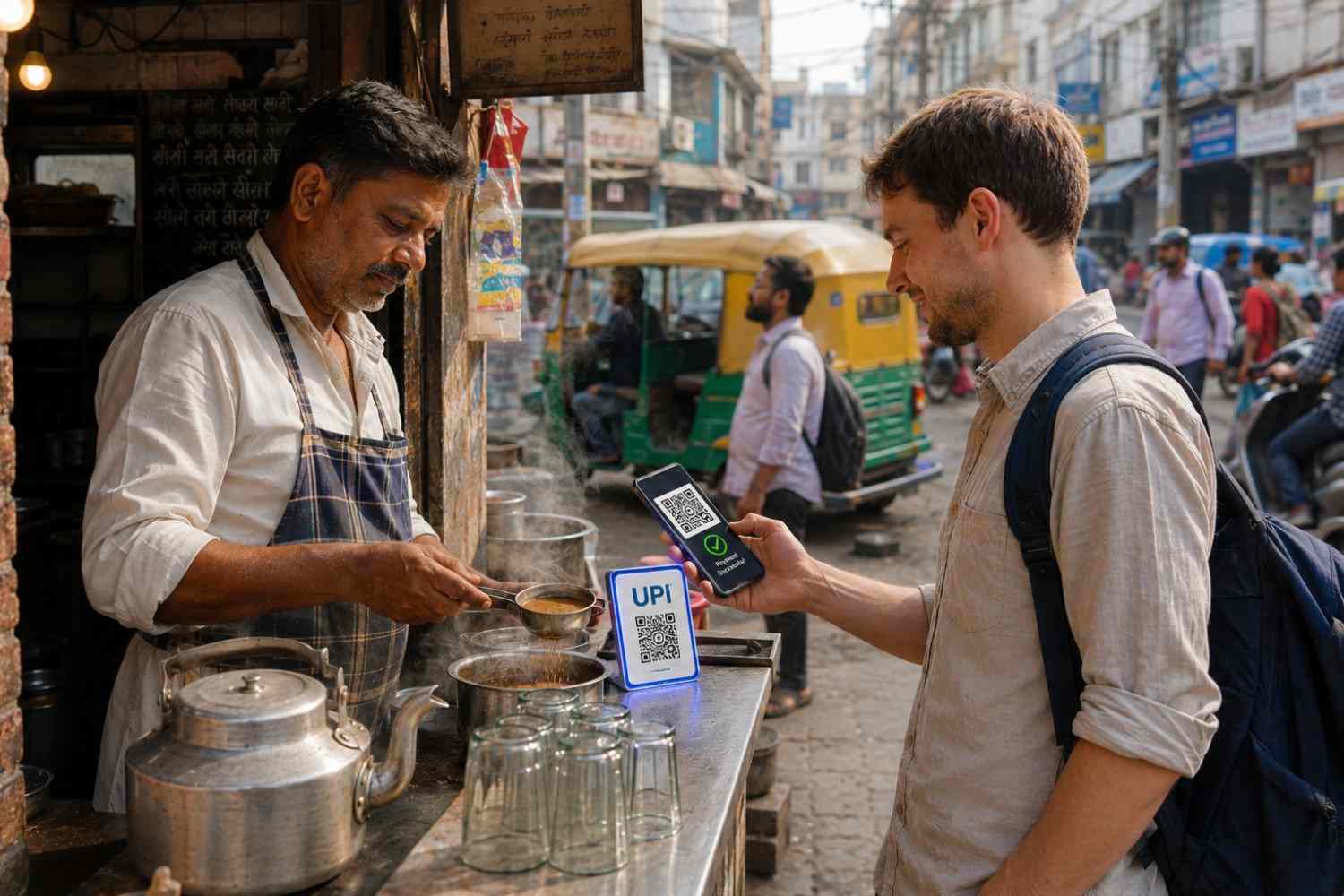
This is UPI's clearest structural advantage. UPI One World, available through CheqUPI, allows foreign tourists to load a wallet using an international Visa or Mastercard. They can then pay at any of India's 55 million-plus QR-code merchants without a local bank account or Indian SIM card.
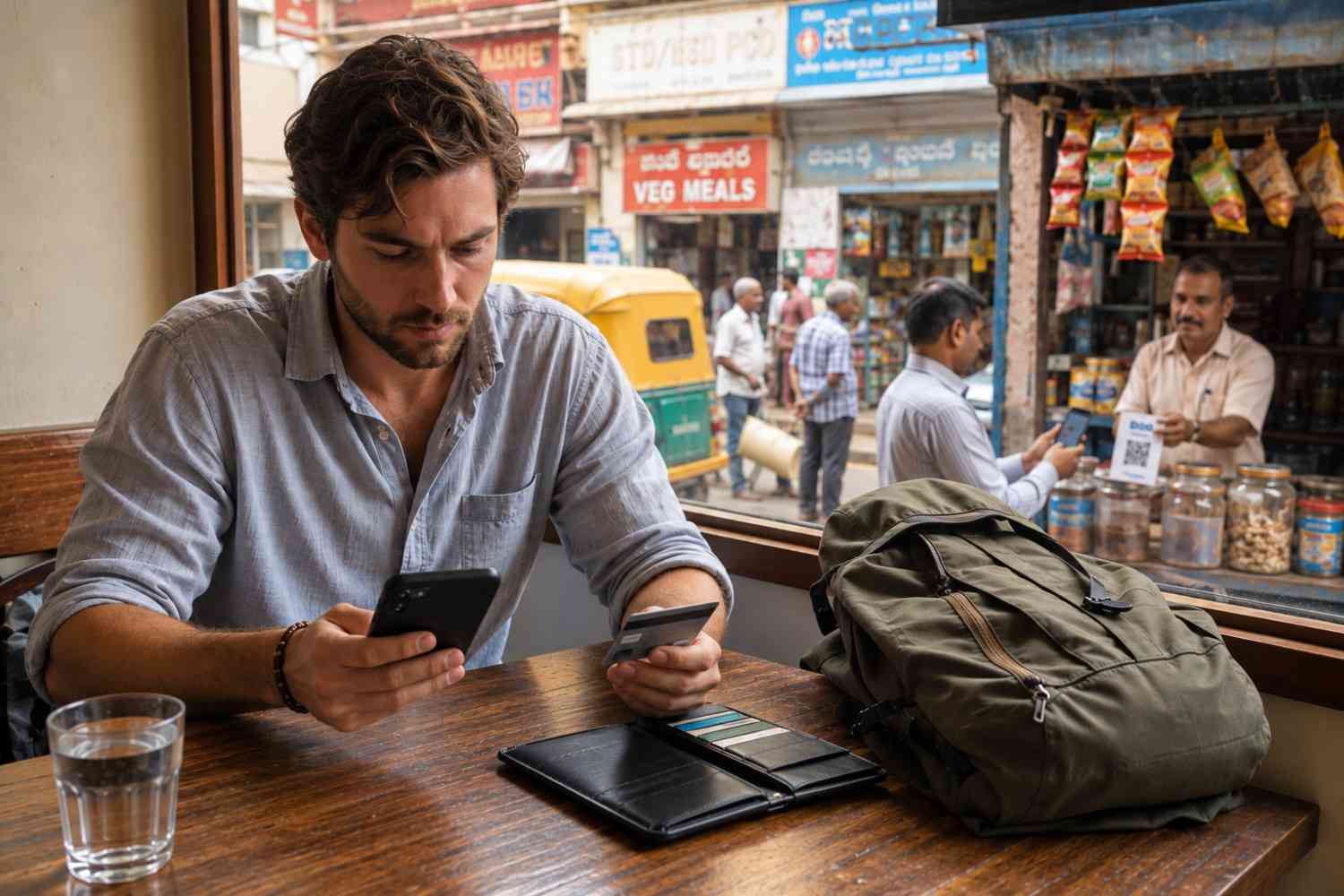
Pix requires a Brazilian CPF (taxpayer registration number) and a local bank account. Foreign tourists visiting Brazil cannot access Pix directly. Some providers are building tourist-facing Pix solutions, but no widely available equivalent to UPI One World exists as of mid-2026.
For a foreign tourist, UPI is accessible in India immediately. Pix is not.
For a full guide to setting up UPI access as a foreign tourist, read our UPI payment guide for foreigners in India. For more on cash challenges in India, read our guide on problems with carrying cash in India for foreign visitors.
Fraud and security
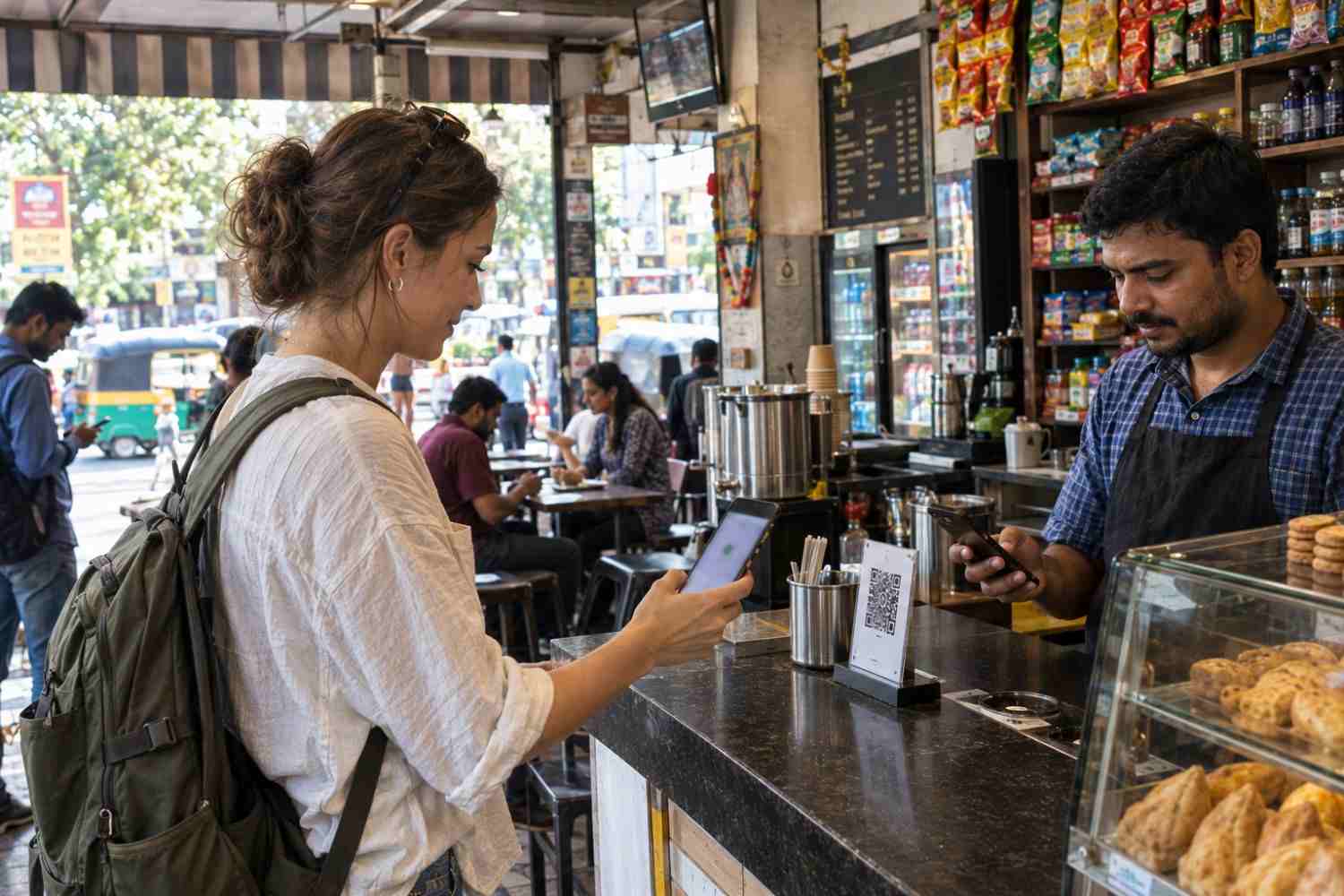
Brazil has a significant fraud problem. The country's chargeback rate runs at 3.48% to 3.55%, compared to 0.47% in the US. Financial losses from fraud reached $700 million in 2023, and fraud attempts surged 66% in August 2024.
Pix-specific fraud includes QR code tampering, fake payment screenshots, and account takeover attacks. The BCB introduced a fraud recovery protocol (MED) allowing reversals within 80 days. It has also shifted to biometric passkey authentication to address phishing and SIM-swap vulnerabilities.
UPI's success rate stands at 99.2%. India's fraud rate on UPI is significantly lower than Brazil's Pix rate.
The NPCI's real-time dispute resolution architecture and strict RBI KYC requirements reduce fraud exposure. UPI's fraud architecture has had a decade to harden.
The verdict
Both systems are extraordinary. The honest comparison depends on what you are measuring.
Pix wins on adoption speed, population penetration, and the structural protection of its domestic fintech ecosystem. If you are building a payment system in 2026, Pix's design is the more replicable model for fast, population-wide adoption.
UPI wins on absolute volume, global share, cross-border access, merchant fee inclusivity, and fraud performance. If you are asking which system is more useful to a tourist arriving in either country, UPI wins without contest.
The best QR system depends on the question. On volume and cross-border access: UPI. On adoption speed and ecosystem protection: Pix.
The more striking fact is that only two countries built systems the rest of the world now studies as blueprints. One is in South Asia. One is in South America.
Conclusion
UPI and Pix solved the same problem with different tools and different governance choices. India prioritised openness, scale, and cross-border access. Brazil prioritised speed, inclusion, and ecosystem protection. Together they account for nearly two-thirds of global real-time payment volume.
FAQs
Which is bigger, UPI or Pix?
UPI is larger by volume. It processed 241.62 billion transactions in FY 2025-26 and holds 49% of global real-time payment volume. Pix holds 14% of global volume and processed 63.4 billion transactions in 2024.
Which system was adopted faster?
Pix. It reached approximately 82% of Brazil's adult population within four years of launch, the fastest adoption rate of any instant payment system ever built. UPI has reached approximately 35% of India's population in a decade.
Why did Pix adopt faster than UPI?
Brazil's central bank mandated participation for all large financial institutions from launch. Customers found Pix inside their existing banking apps on day one. UPI required new app downloads and account linking, which slowed initial uptake.
What are the merchant fees for UPI vs Pix?
UPI charges merchants 0%. Pix allows acquirers to charge merchants 0.33% to 1.5% per transaction. Both are significantly below card payment fees in their respective countries.
Can foreign tourists use Pix in Brazil?
Not easily. Pix requires a Brazilian CPF and local bank account. Some payment providers are building tourist-facing solutions, but no widely available equivalent to UPI One World exists for Brazil visitors as of mid-2026.
Can foreign tourists use UPI in India?
Yes. UPI One World, available through apps like CheqUPI, allows foreign tourists to load a wallet using an international Visa or Mastercard and pay at any UPI merchant in India without a local bank account.
Which system has less fraud?
UPI. India's UPI has a 99.2% transaction success rate and significantly lower fraud rates than Pix. Brazil's chargeback rate runs at 3.48% to 3.55%, and Pix-specific fraud has been a persistent challenge.
Is Pix available outside Brazil?
Limited availability. Pix cross-border payments operate in Uruguay, Argentina, and several other Latin American markets. UPI has cross-border acceptance in 8 countries including Singapore, the UAE, and France.
Who governs UPI vs Pix?
UPI is operated by NPCI, a semi-autonomous non-profit set up by the RBI and Indian Banks Association. Pix is directly owned and operated by the Banco Central do Brasil, Brazil's central bank.
Which QR payment system is a better model for other countries to follow?
Both offer lessons. Pix's mandatory participation drove faster per-capita adoption. UPI's open API model produced a larger ecosystem and stronger cross-border reach. Countries launching new systems in 2026 are studying both.
“UPI is the world's largest real-time payment system. CheqUPI gives foreign tourists direct access without a local bank account or SIM card.Download CheqUPI before your trip, complete activation after arriving in India.”