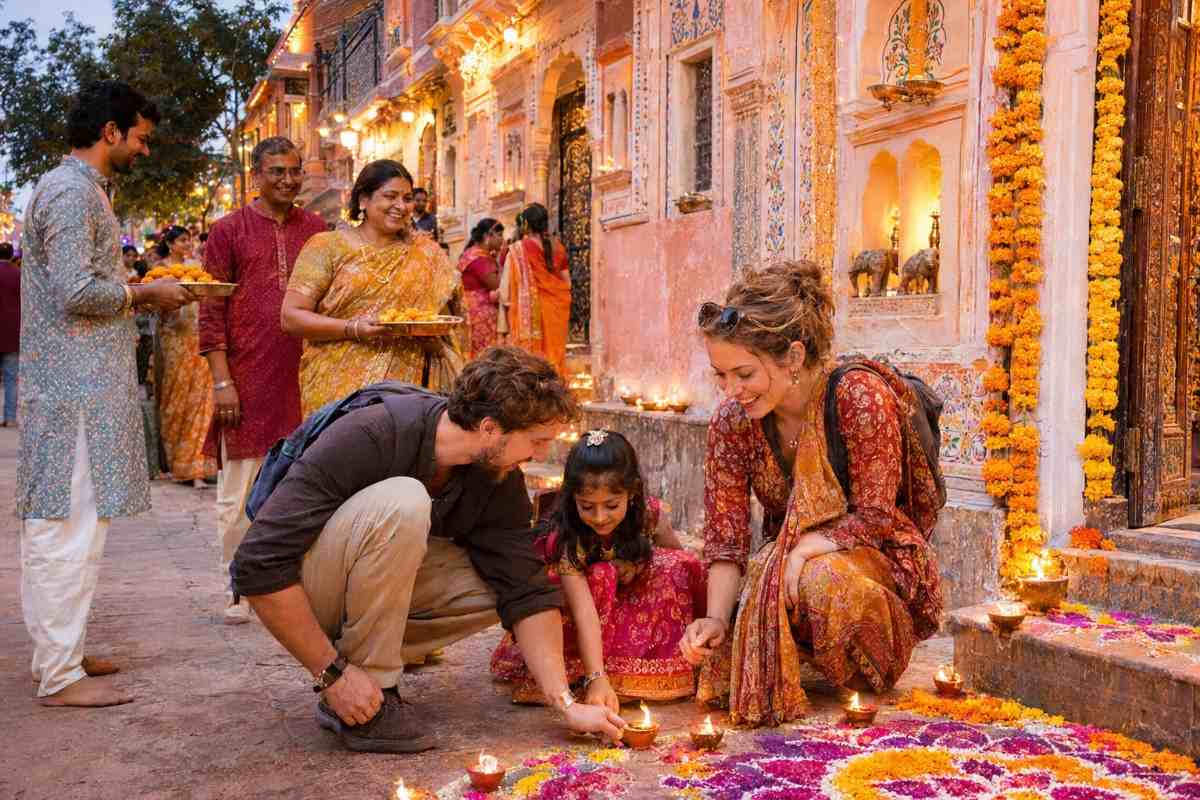
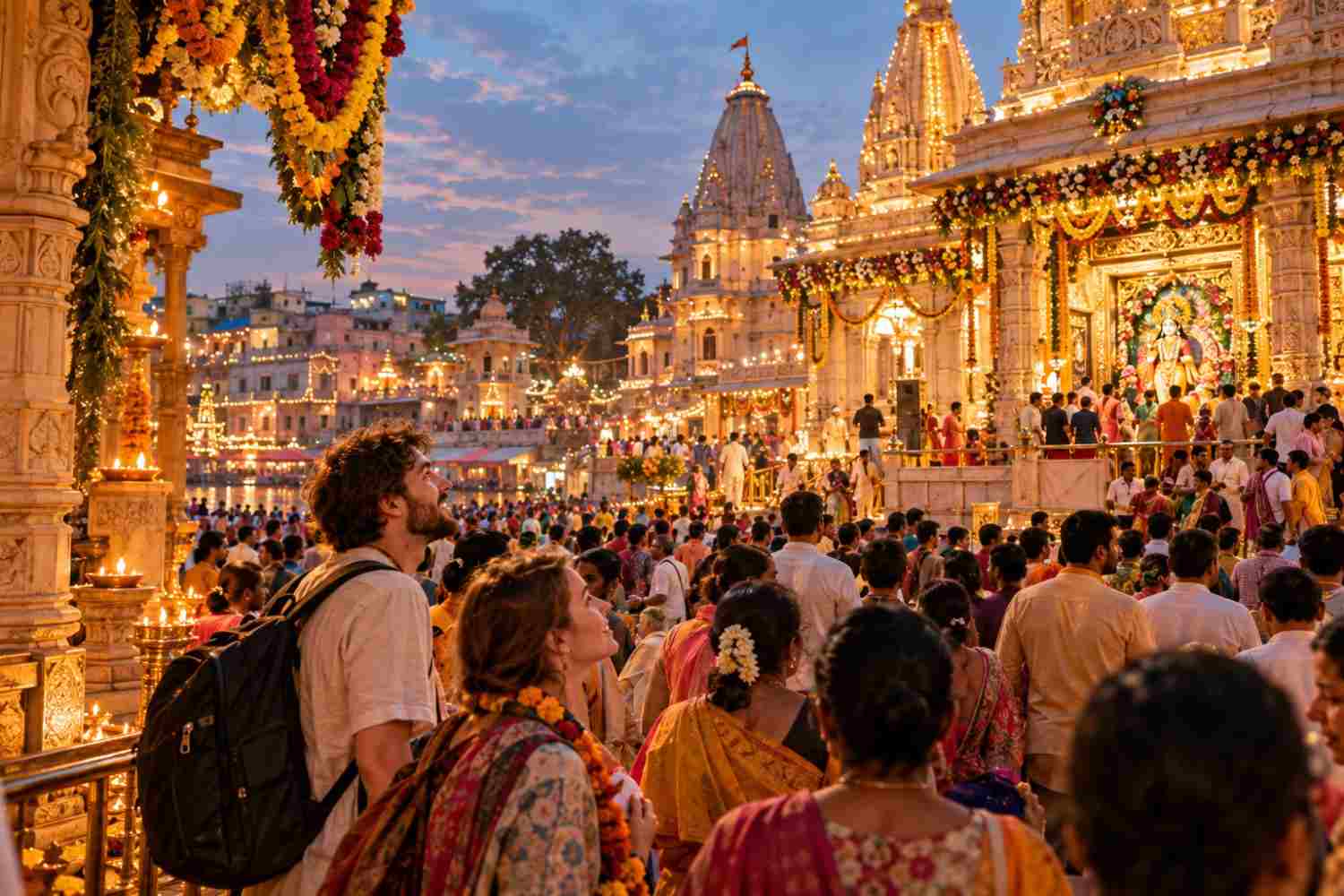
At midnight in Vrindavan, narrow lanes barely wide enough for two people fill with over a million voices chanting "Radhe Radhe" at once. Temple bells ring so loudly they drown out footsteps, and somewhere in that crowd, someone is seeing Krishna's birthplace for the first time. Janmashtami in Mathura and Vrindavan isn't a quiet festival, and knowing what to expect before you arrive can completely change how you experience this festival.
This guide covers the 2026 Janmashtami dates, the temples worth visiting, practical crowd tips, and how to pay for everything from darshan donations to street food without carrying stacks of cash.
Key highlights
- Janmashtami 2026 falls on September 4 for most North Indian households, with ISKCON and Vaishnava temples observing it on September 5.
- Between 1 and 5 million visitors travel to the Mathura-Vrindavan corridor across the two days.
- Entry to all major temples during Janmashtami is free. Anyone charging an entry fee at the gate is not authorised.
- Banke Bihari Temple and several other major temples accept UPI donations by scanning a QR code.
- Carry Rs 5,000 to 10,000 (approx $52 to $104) in cash for stalls and vendors that don't take digital payment.
- CheqUPI is free to join for all eligible nationalities, with a loading fee of 2.95% + applicable taxes and 0% merchant payment fee.
When is Janmashtami 2026 in Mathura?
Janmashtami 2026 falls on Friday, September 4, according to the Smarta tradition followed by most of North India. ISKCON and many Vaishnava communities observe the festival a day later, on Saturday, September 5, due to a different calculation of the midnight birth hour.
If you're visiting the ISKCON Temple in Vrindavan specifically, plan to be there for the night of September 4 into September 5, since that's when their main Janmotsav celebration peaks. Most other major temples in Mathura, including Krishna Janmabhoomi, follow the September 4 date.
Things to do in Vrindavan and Mathura during Janmashtami
Krishna Janmabhoomi Temple, Mathura
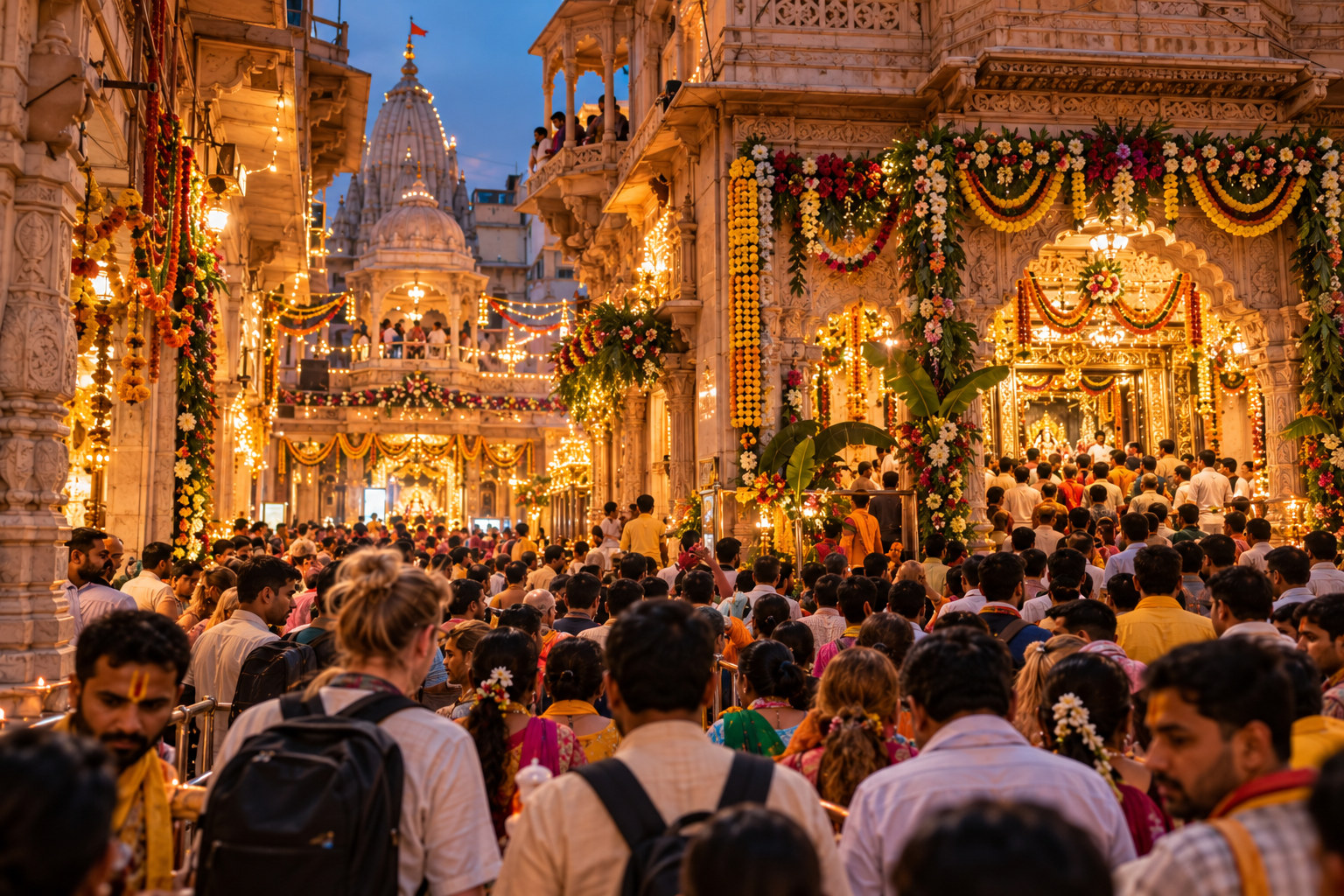
This temple complex sits on the site traditionally identified as Krishna's birthplace, and it hosts the main citywide celebrations. The idol is given a ritual bath at midnight, dressed, and placed in a cradle while devotees sing and chant.
Expect the heaviest crowds here around the midnight Nishita Kaal window, when the birth moment is marked. Arrive several hours early if you want a clear view.
Banke Bihari Temple, Vrindavan
Banke Bihari is one of Vrindavan's most visited temples, and it closes in short 90-minute intervals during Janmashtami to manage the sheer number of visitors. A local guide who knows the reopening windows can save hours of standing around.
Donations here can be made by scanning a UPI QR code at the temple counter, alongside the traditional donation box.
ISKCON Temple, Vrindavan
ISKCON's Janmashtami celebration runs through the night of September 4 into September 5, with devotional music, midnight aarti and a large gathering that draws visitors from across the world. The atmosphere here tends to be slightly less crowded than Banke Bihari, though still substantial.
Gokul's Nandotsav
The day after the main Janmashtami night, Gokul, about 14 km from Mathura, hosts Nandotsav, a celebration of Nanda Baba's joy at Krishna's birth. Crowds here are noticeably lighter than in Vrindavan, making it a good option if you want a calmer experience with the same devotional spirit.
Travel tips for visiting during the festival
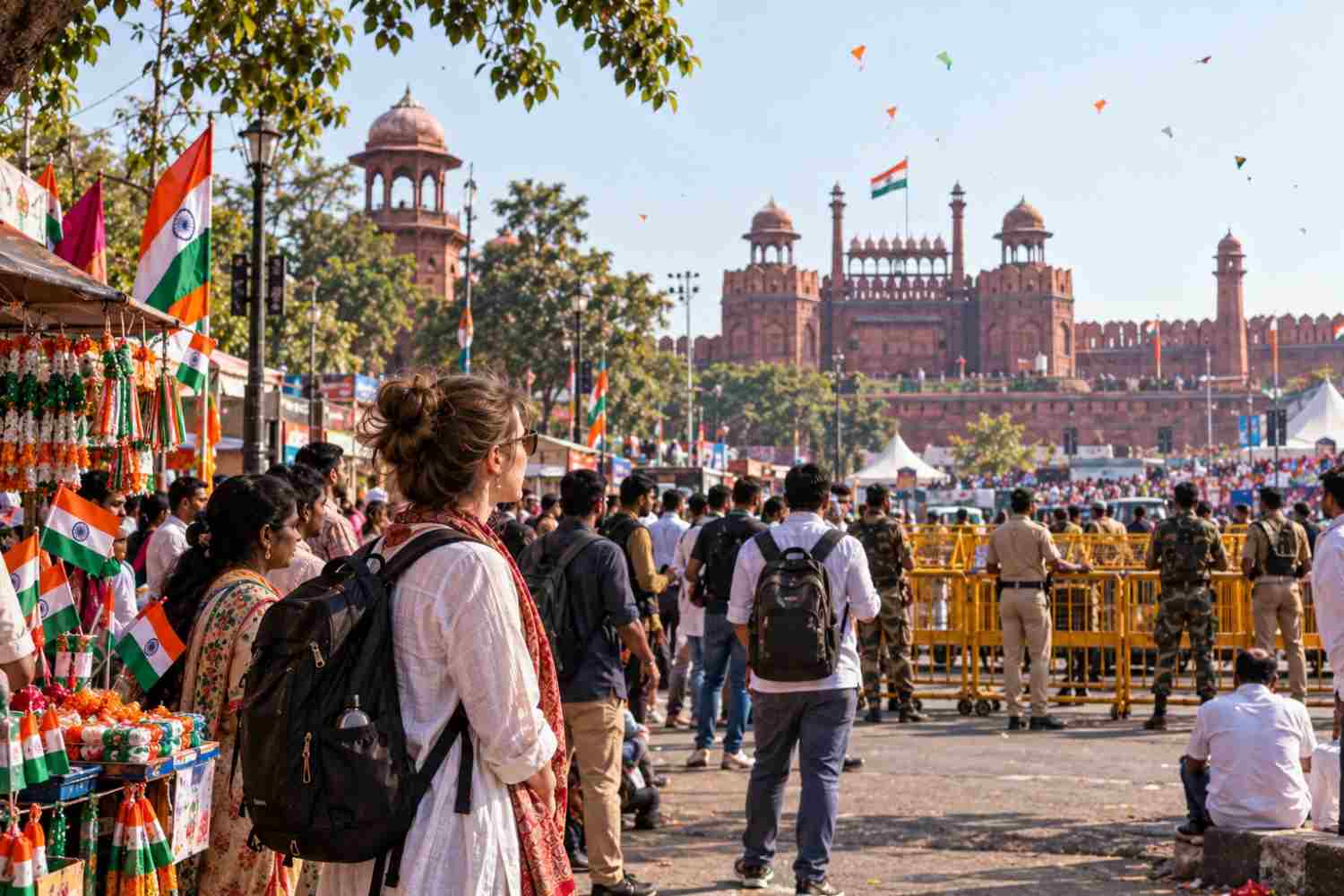
The scale of the crowd is the single biggest thing to plan around. Between 1 and 5 million people move through the Mathura-Vrindavan corridor across the festival's two main days, and this changes everything from how long darshan takes to how far you'll need to walk.
Here are some tips to keep in mind:
- Carry at least 1.5 litres of water per person. September nights in Mathura run warm, and the crowd density makes the air feel hotter than the actual temperature.
- Wear closed, comfortable footwear, since you'll likely be standing and walking for hours at a stretch.
- Keep your belongings secure in dense crowds, and stay alert around unofficial guides or anyone offering to skip queues for a fee.
- For a broader look at common travel scams and how to avoid them, take a quick look at our guide on scams to watch out for in India.
How to pay for travel, food and donations
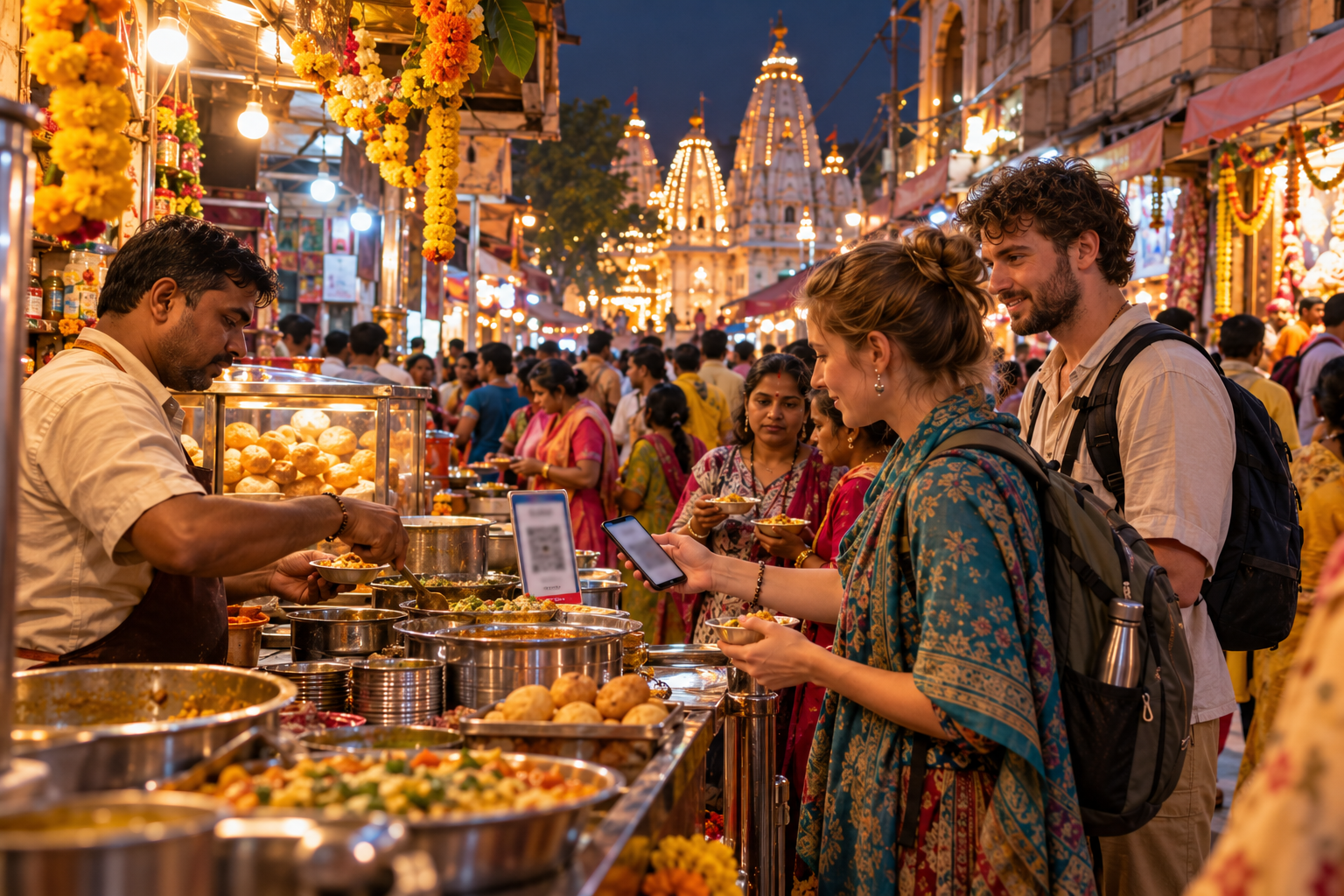
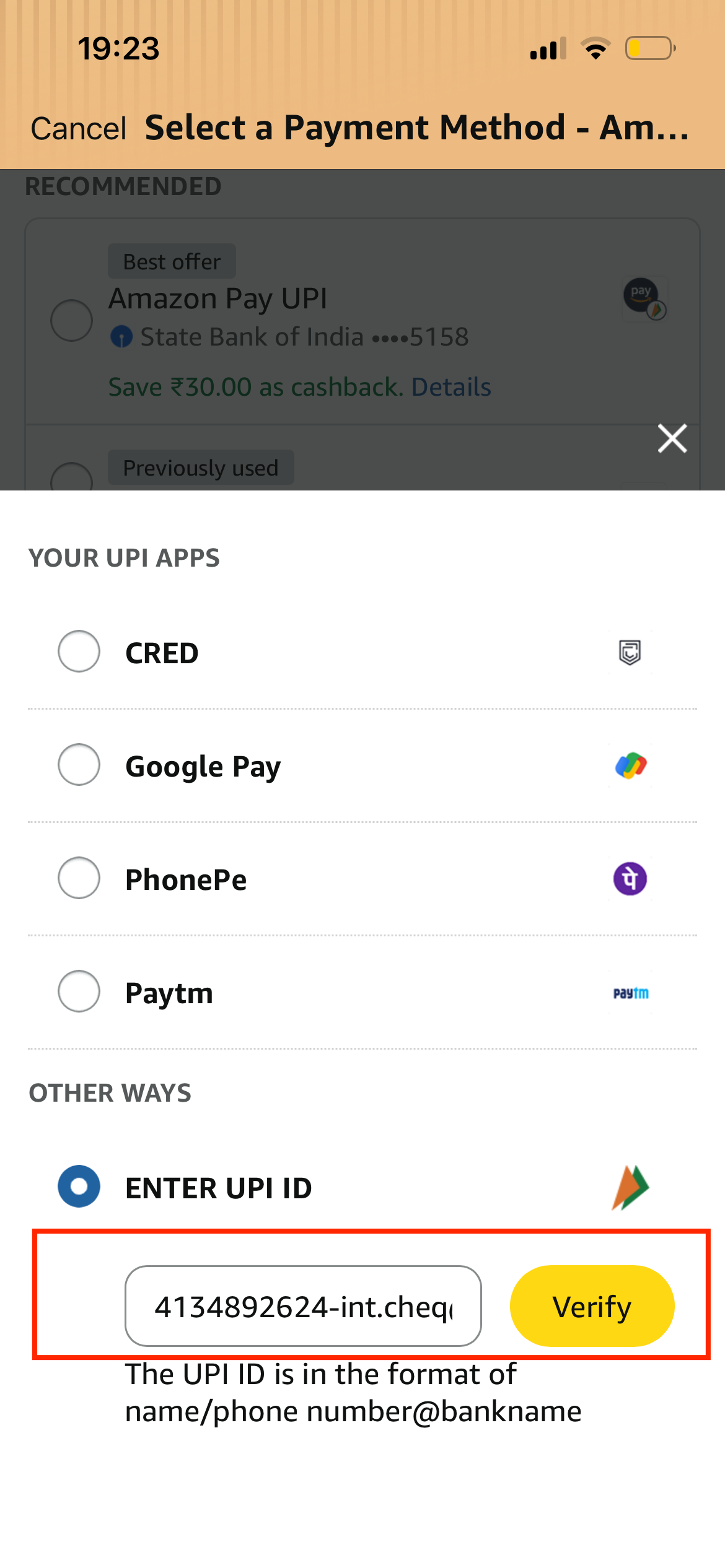
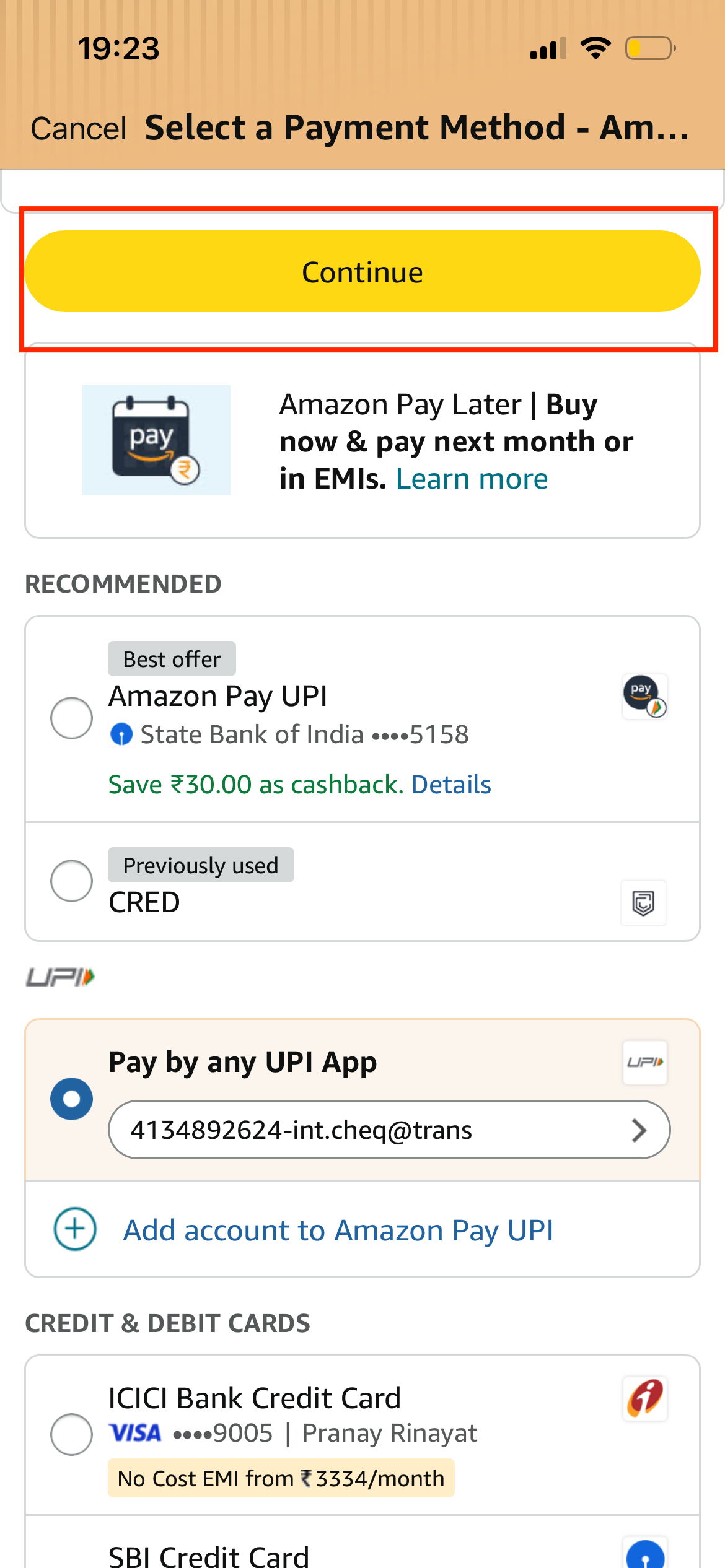
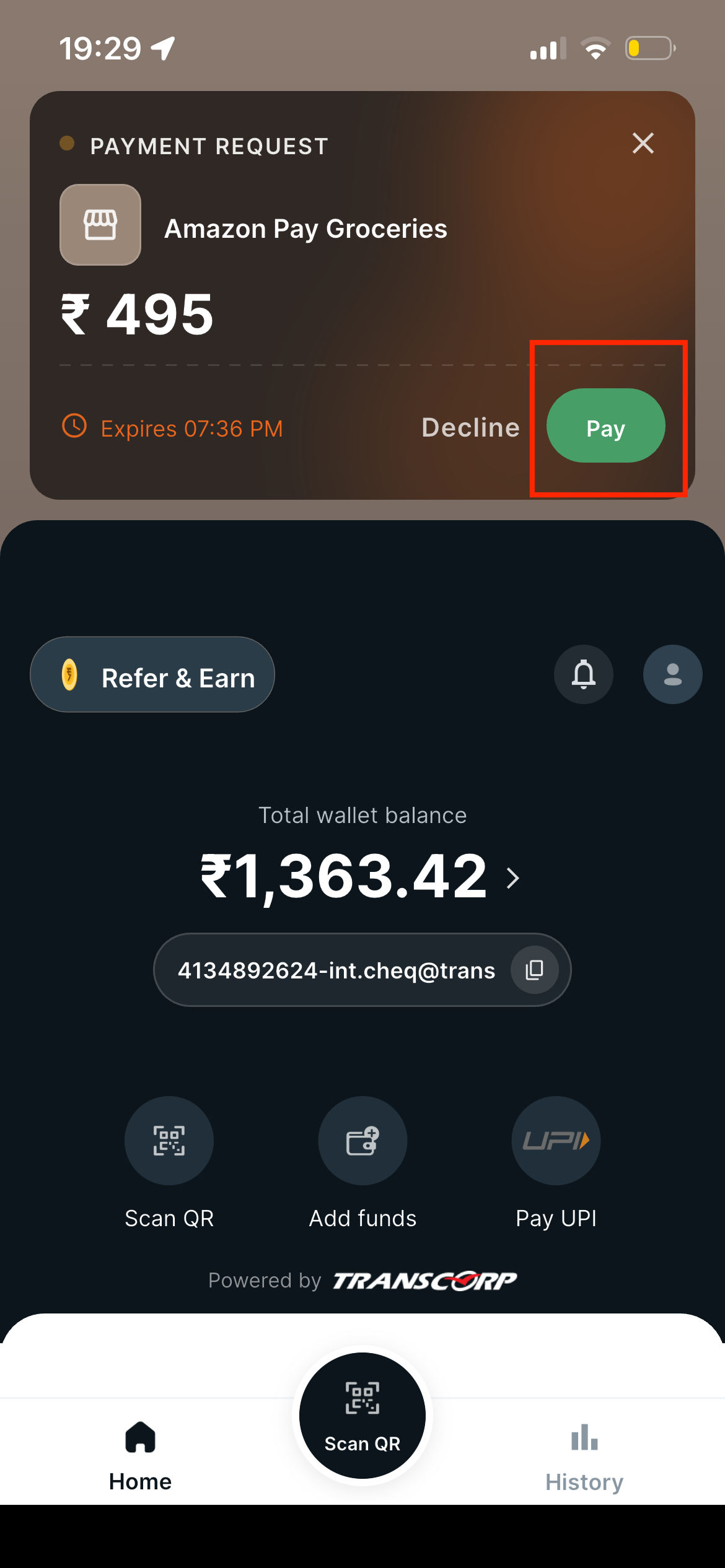
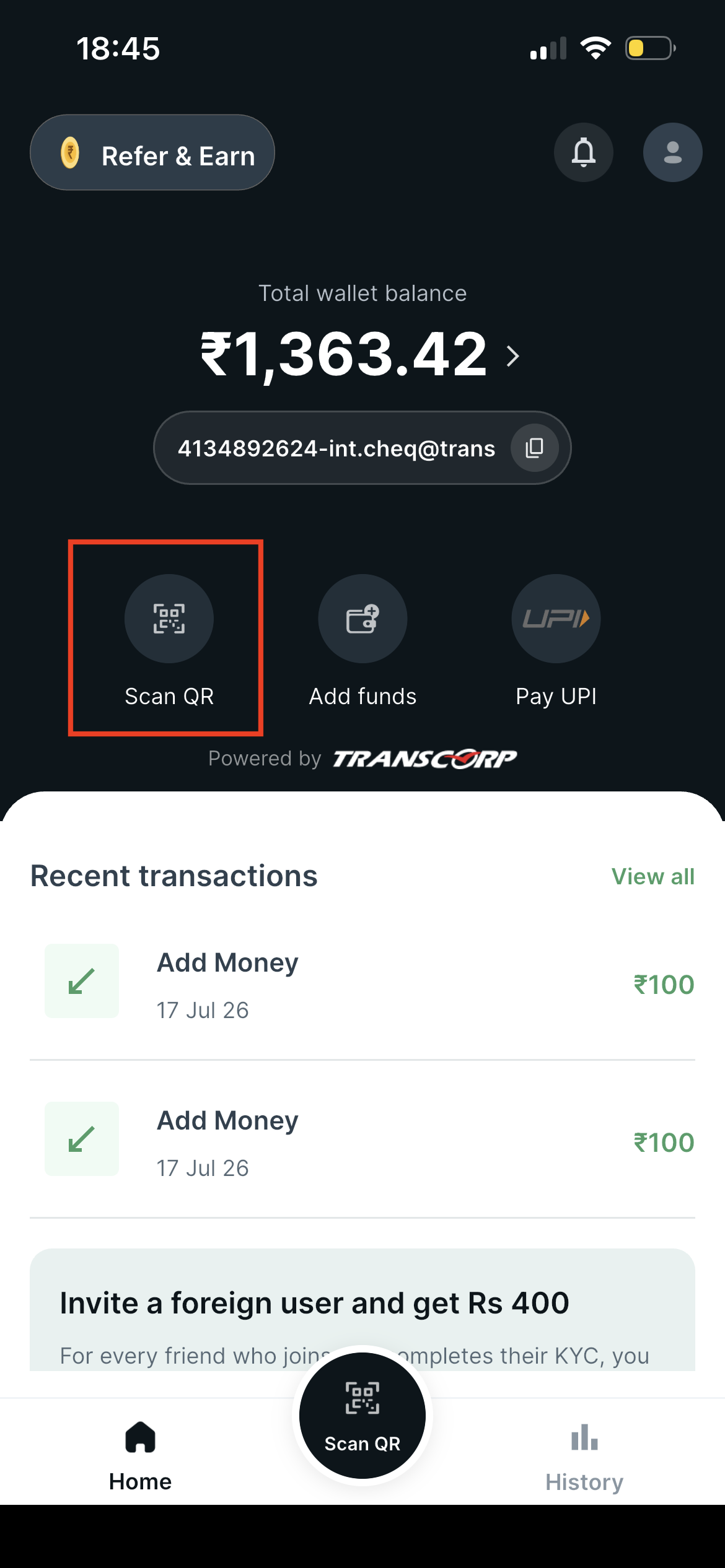
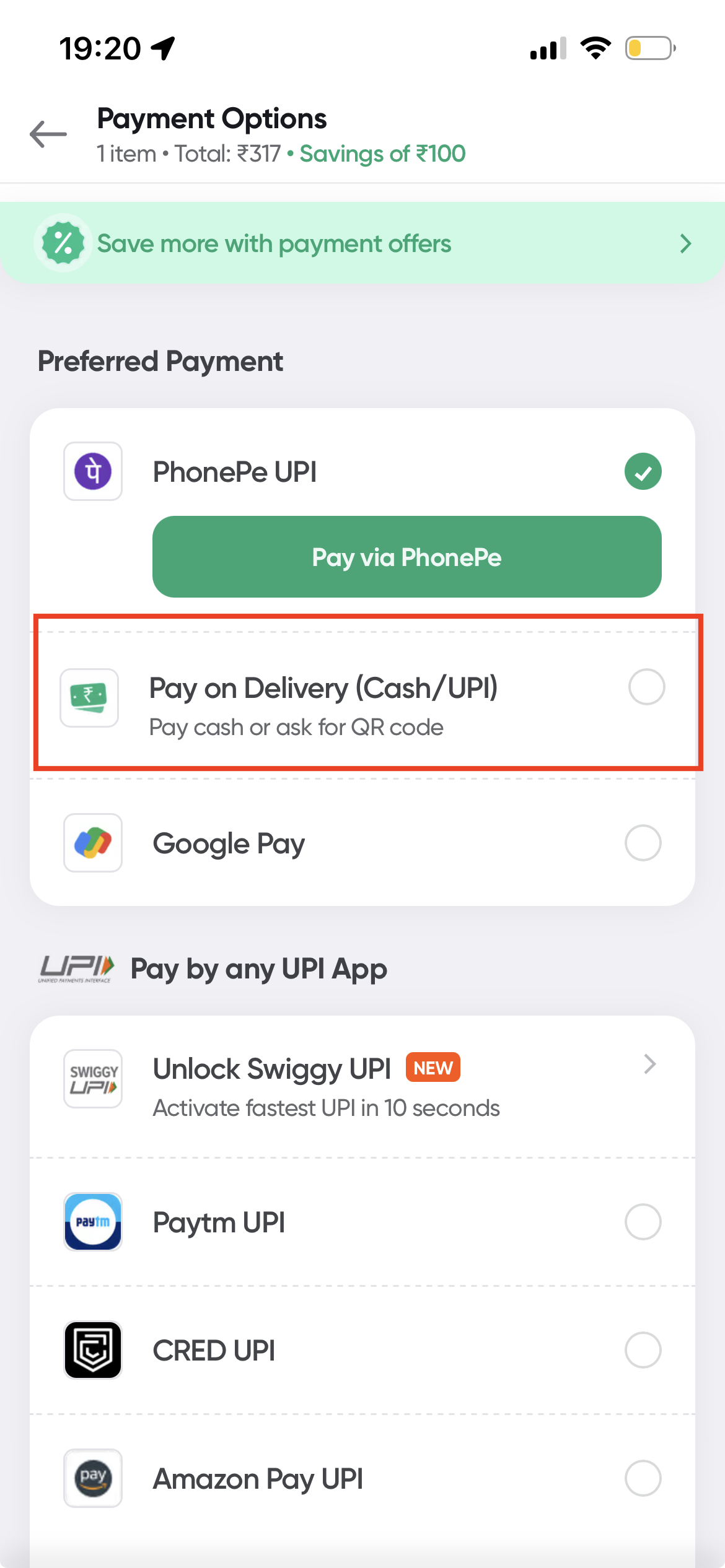
Most food stalls, auto-rickshaws and shops around Mathura and Vrindavan accept UPI QR payments, and several temples, including Banke Bihari, take UPI donations directly. A UPI wallet built for international cards, like CheqUPI, lets visitors pay these merchants without an Indian bank account. For the full setup process, see our UPI payment guide.
Not every small vendor or donation box near the ghats has a QR code, especially in the middle of a packed festival crowd. Keep Rs 5,000 to 10,000 (approx $52 to $104) in cash on hand as backup. For more on planning your spending and currency needs in India, see our currency and cash guide.
Conclusion
Janmashtami in Mathura and Vrindavan is one of India's most intense and rewarding festivals to witness in person, but the crowds, timings and temple logistics reward advance planning. Knowing the correct date for your chosen temple, carrying water and comfortable shoes, and having both cash and a working digital payment method covers nearly everything the festival throws at you. Set up your payment method before you travel so you can focus on the celebration itself.
FAQs
When is Janmashtami 2026 in Mathura?
September 4, 2026, for most North Indian temples following the Smarta tradition. ISKCON and Vaishnava temples observe it on September 5.
How many people visit Mathura and Vrindavan for Janmashtami?
Between 1 and 5 million visitors travel through the Mathura-Vrindavan corridor across the festival's two main days.
Is temple entry free during Janmashtami?
Yes. All major temples in Mathura and Vrindavan offer free entry during Janmashtami. Anyone charging a fee at the gate is not an authorised source.
What are the best things to do in Vrindavan during Janmashtami?
Visit Banke Bihari Temple, ISKCON Temple, and Krishna Janmabhoomi in Mathura. Gokul's Nandotsav the next day offers a calmer alternative.
Can I use UPI to pay at temples and stalls in Mathura?
Yes. Banke Bihari and several other temples accept UPI donations by QR code, and most food stalls and shops nearby take UPI payments too.
How much cash should I carry during Janmashtami?
Carry Rs 5,000 to 10,000 (approx $52 to $104) for vendors and donation points that don't have a QR code available.
Which temple is less crowded during Janmashtami?
Gokul's Nandotsav, held the day after the main celebration, draws far smaller crowds than Vrindavan's main temples.
What should I wear or carry for Janmashtami in Mathura?
Wear closed, comfortable footwear and carry at least 1.5 litres of water per person, since crowd density makes the heat feel worse.
Why does Janmashtami have two different dates in 2026?
The Smarta and Vaishnava traditions calculate the exact midnight birth hour differently, which shifts the observed date by a day for some temples.
Is it safe to visit Mathura and Vrindavan during Janmashtami?
Generally yes, though dense crowds call for extra caution with belongings and awareness of unofficial guides offering queue shortcuts.
Download CheqUPI before your trip, complete activation after arriving in India, and celebrate Janmashtami without hunting for cash.