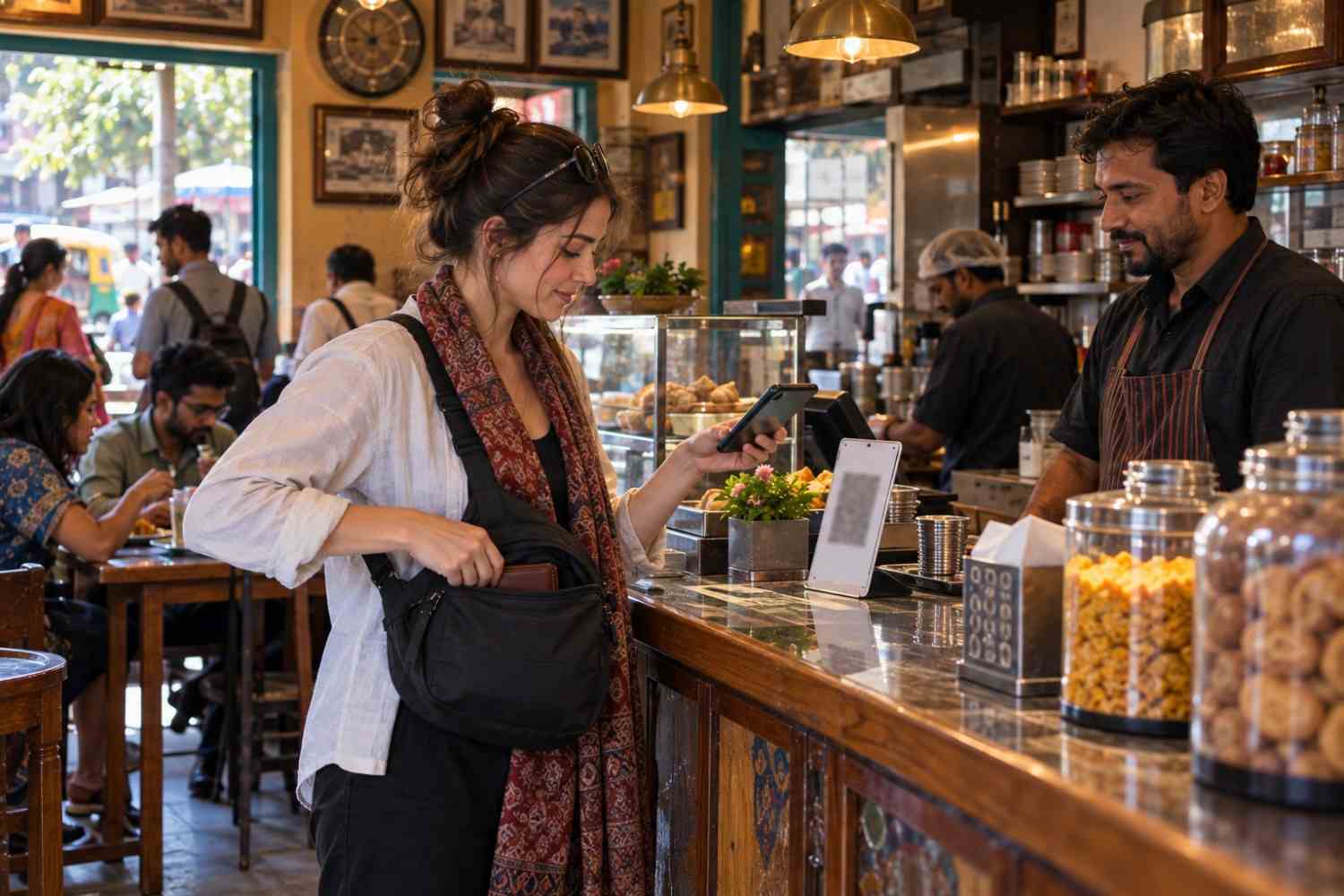
Most tourists ask the same question before they land in India: how much cash should I actually carry? The answer is usually less than you might expect. Carry too little, and you could be stuck somewhere that accepts only cash. Carry too much, and you’re carrying unnecessary risk.
This guide breaks down how much to carry in rupees and dollars, which denominations are most useful, and how to combine cash with a UPI wallet so you always have a way to pay.
Key highlights
- Carry Rs 5,000 to 10,000 (approx $52 to $104) as your total cash backup for the trip, not per day.
- Small notes, Rs 10, Rs 20, Rs 50, and Rs 100 (roughly $0.10 to $1), matter more than the total amount you carry.
- Foreign card ATM withdrawals in India usually cost Rs 200 to 335 (approx $2 to $3.5) per transaction.
- Airport money changers charge an 8 to 9 percent markup, well above what you'd get at a city ATM.
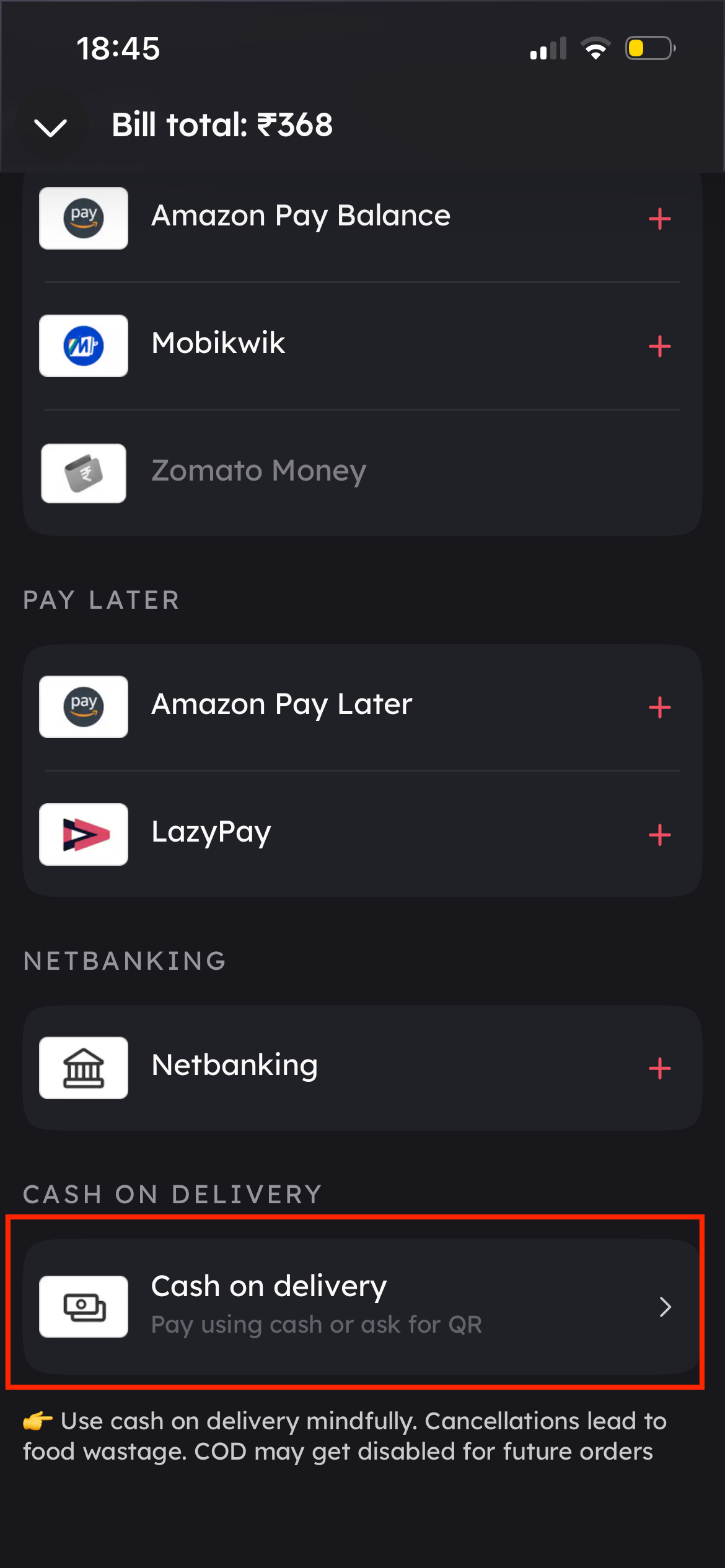
- Street food, auto-rickshaws, and small vendors are where cash payments are preferred over digital payment.
- CheqUPI is free to join for all eligible nationalities, with a loading fee of 2.95% + applicable taxes and 0% merchant payment fee.
How much cash should you actually carry?
Rs 5,000 to 10,000 (approx $52 to $104) is a sensible backup reserve for a full trip, not something you spend down every day. It's enough to cover the moments when digital payment isn't an option, without leaving you carrying more than you need.
Most travellers don't bring the whole amount on day one anyway. They pull out a smaller amount, watch how far it goes, and top up from an ATM when it starts running low.
Why carrying too much cash doesn't help
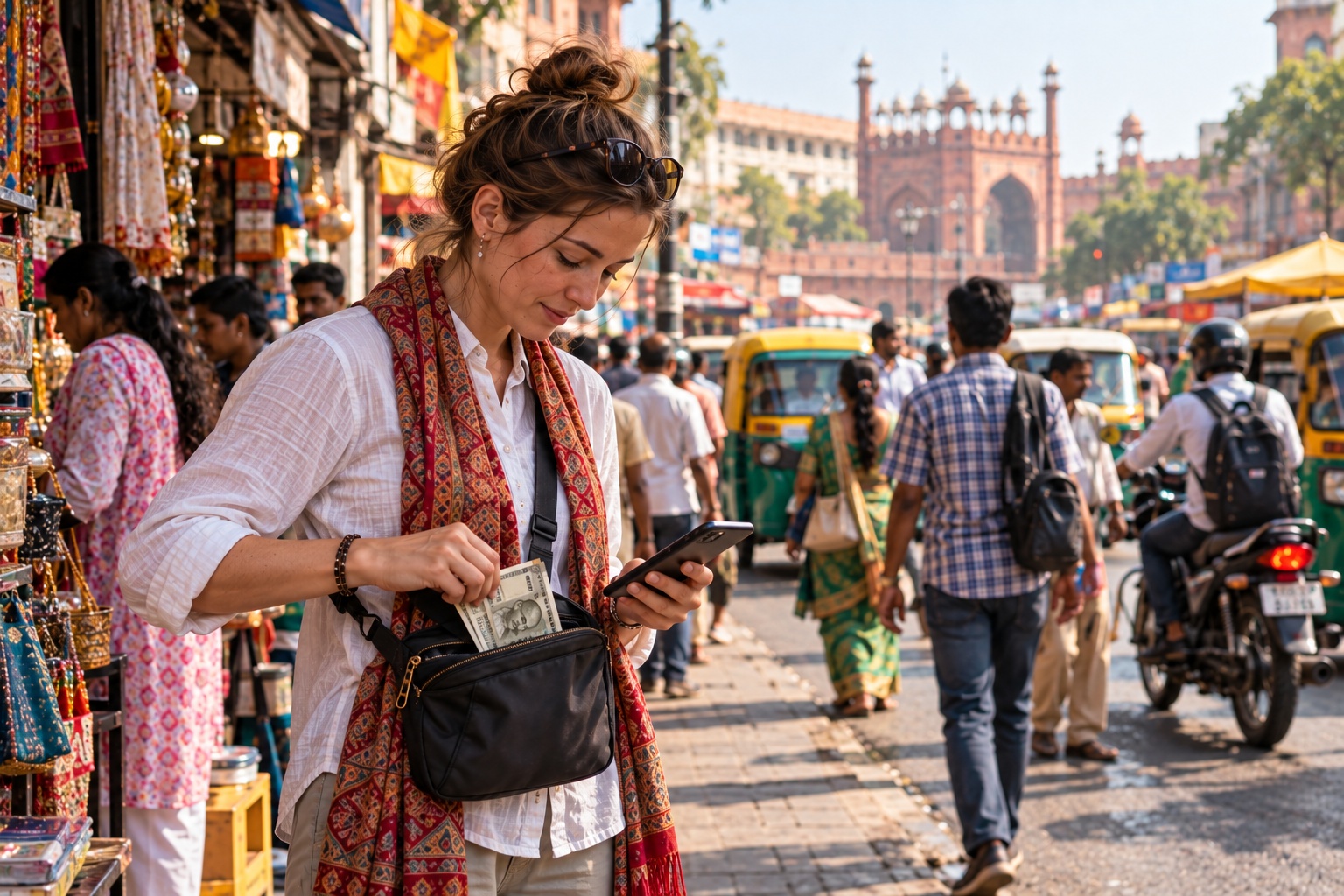
More cash doesn't mean a smoother trip. It just means more to keep track of, and more to lose if something goes wrong. India's cities are dense with ATMs now, so running short isn't the crisis it might feel like from home.
A smaller amount that you replenish as needed is simply easier to manage than a large sum sitting in a money belt for three weeks.
Where cash still matters more than UPI
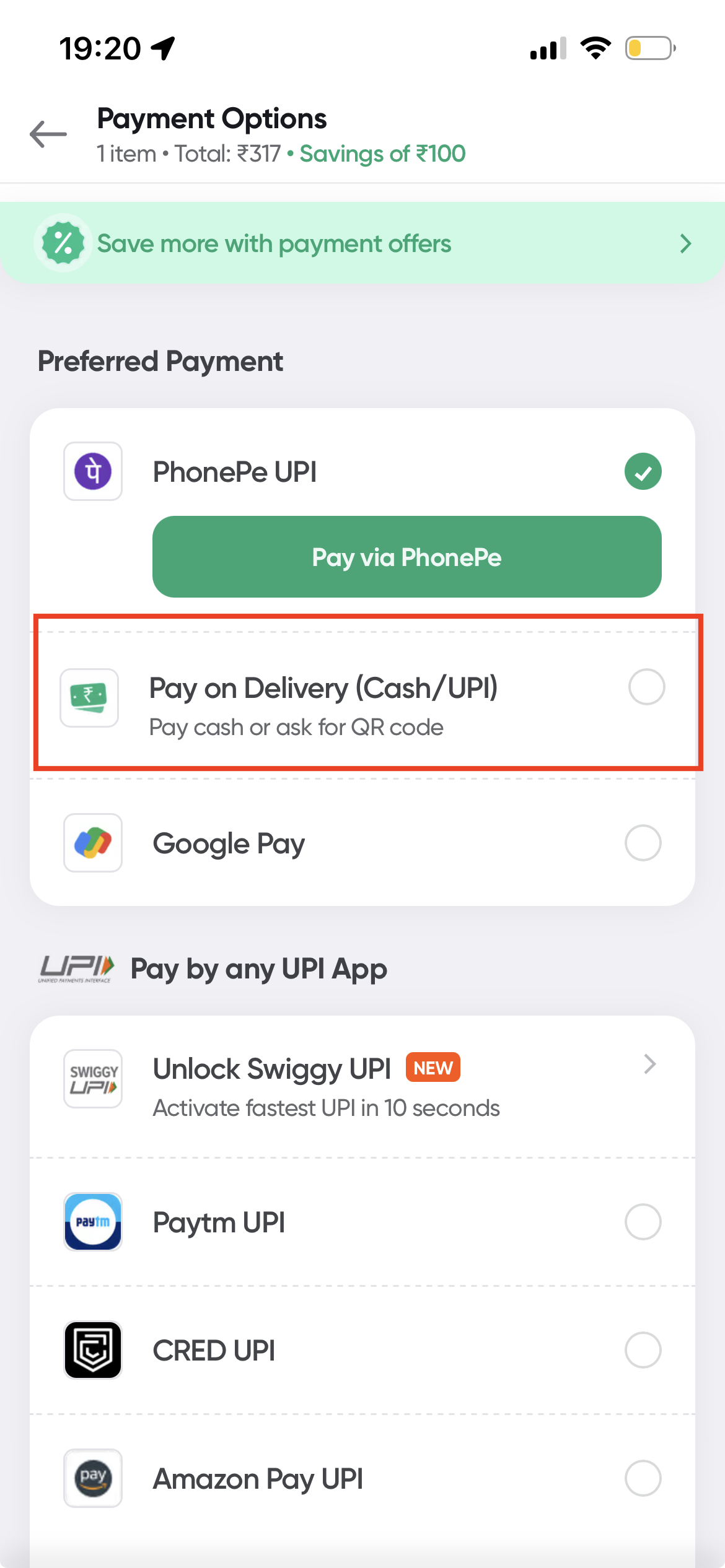
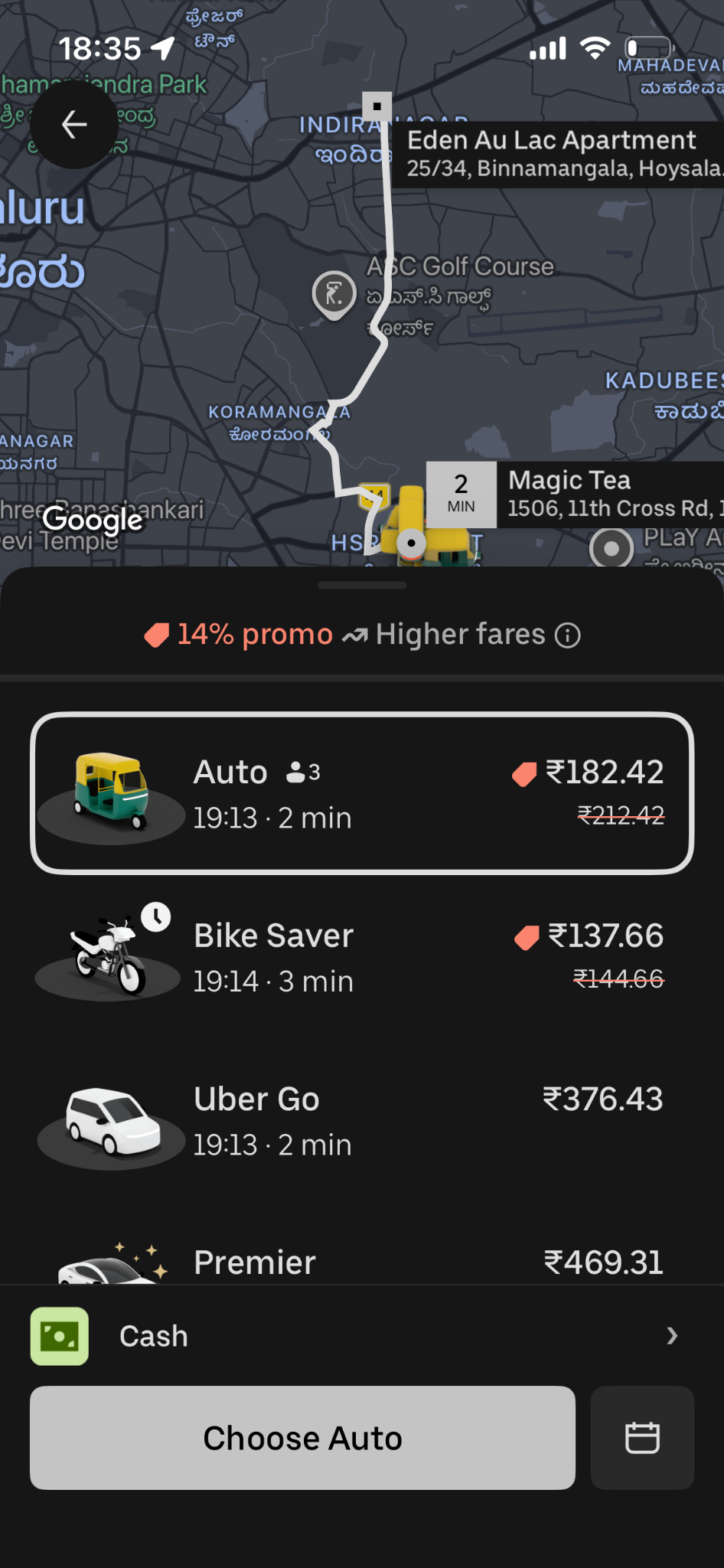
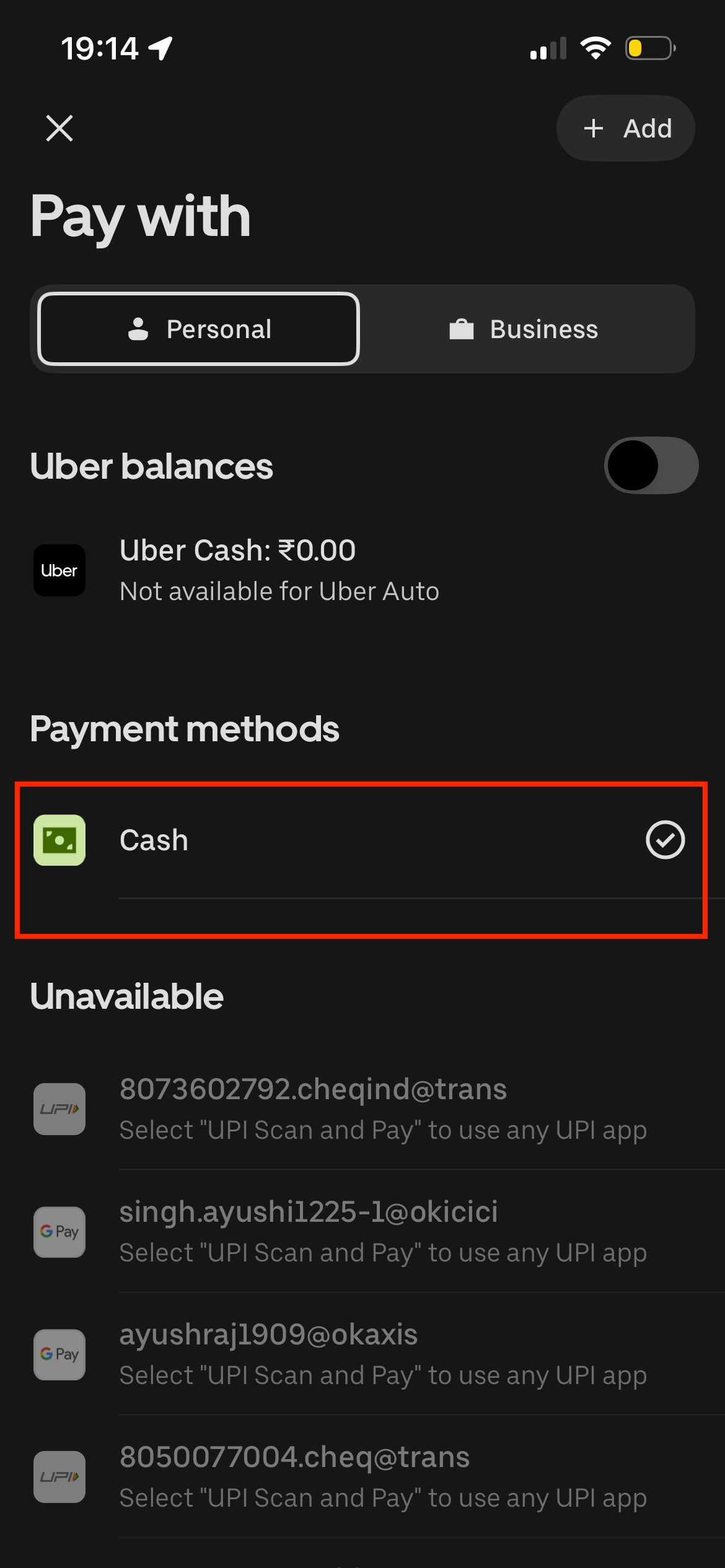
There are a few spots where cash still wins, even in cities where UPI is everywhere. Street food carts, short auto-rickshaw rides under Rs 100 (about $1), temple donation boxes, and shops in smaller towns are the most common examples.
Card machines are also still rare outside hotels and larger retail chains, and a shop that accepts cards may not necessarily accept UPI. As you move away from major tourist areas, carrying some cash becomes increasingly useful.
Getting cash the smart way
Skip the airport currency counter. That 8 to 9 percent markup adds up fast, and a city ATM will almost always beat it. Withdraw once you're settled in, from a bank machine in a commercial area, not the first kiosk you see at arrivals.
Foreign cards usually get hit with a fixed withdrawal fee of Rs 200 to 335 (approx $2 to $3.5), on top of whatever your home bank charges for foreign transactions. Fewer, larger withdrawals mean paying that fee less often. If you want the full picture on ATM costs, our guide to ATM withdrawal costs for foreign cards breaks it down properly.
One more habit worth building early: break your big notes at a supermarket or hotel desk before you need to. A Rs 500 note (about $5.50) sounds small until a street vendor can't make change for it, and that's a more common problem than people expect.
What to pair cash with
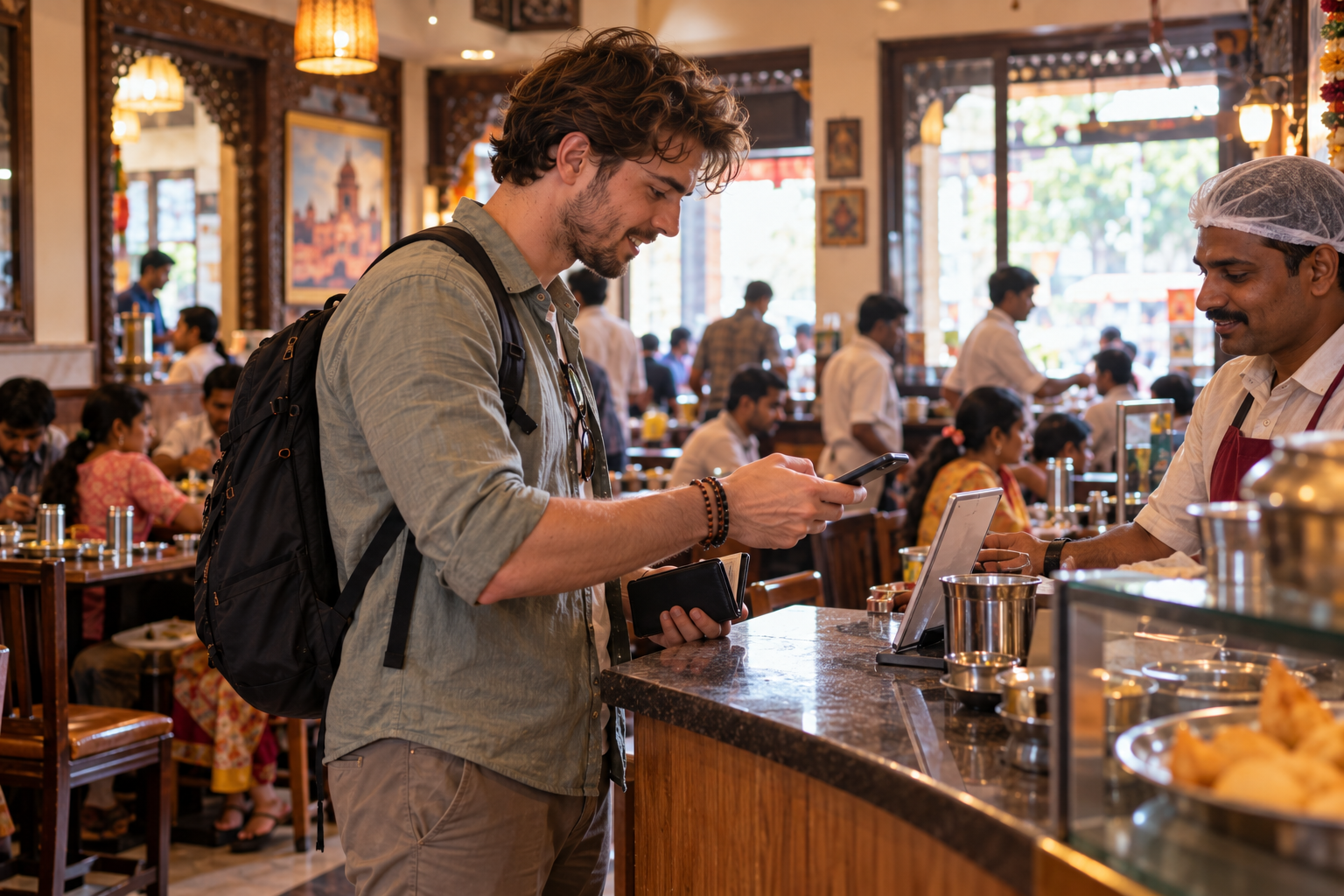
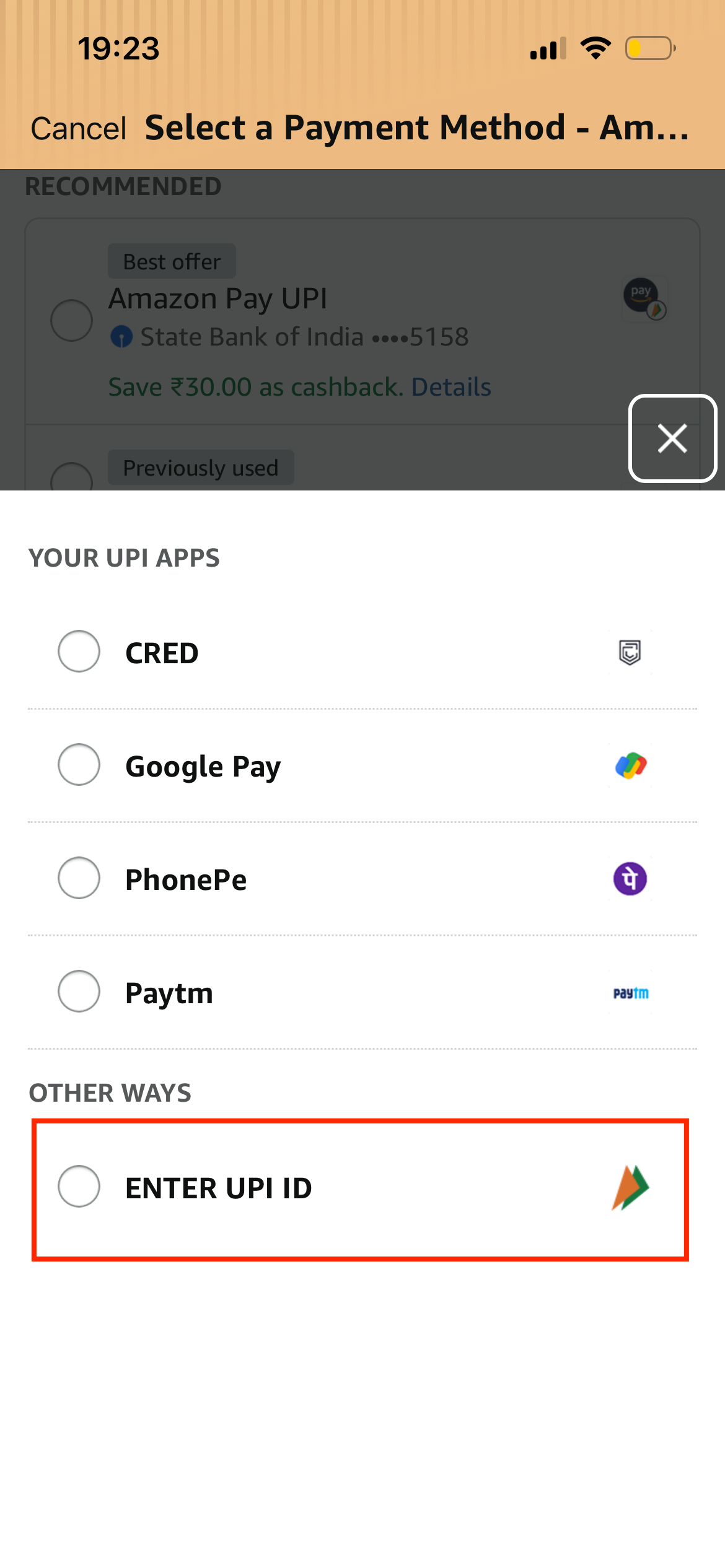
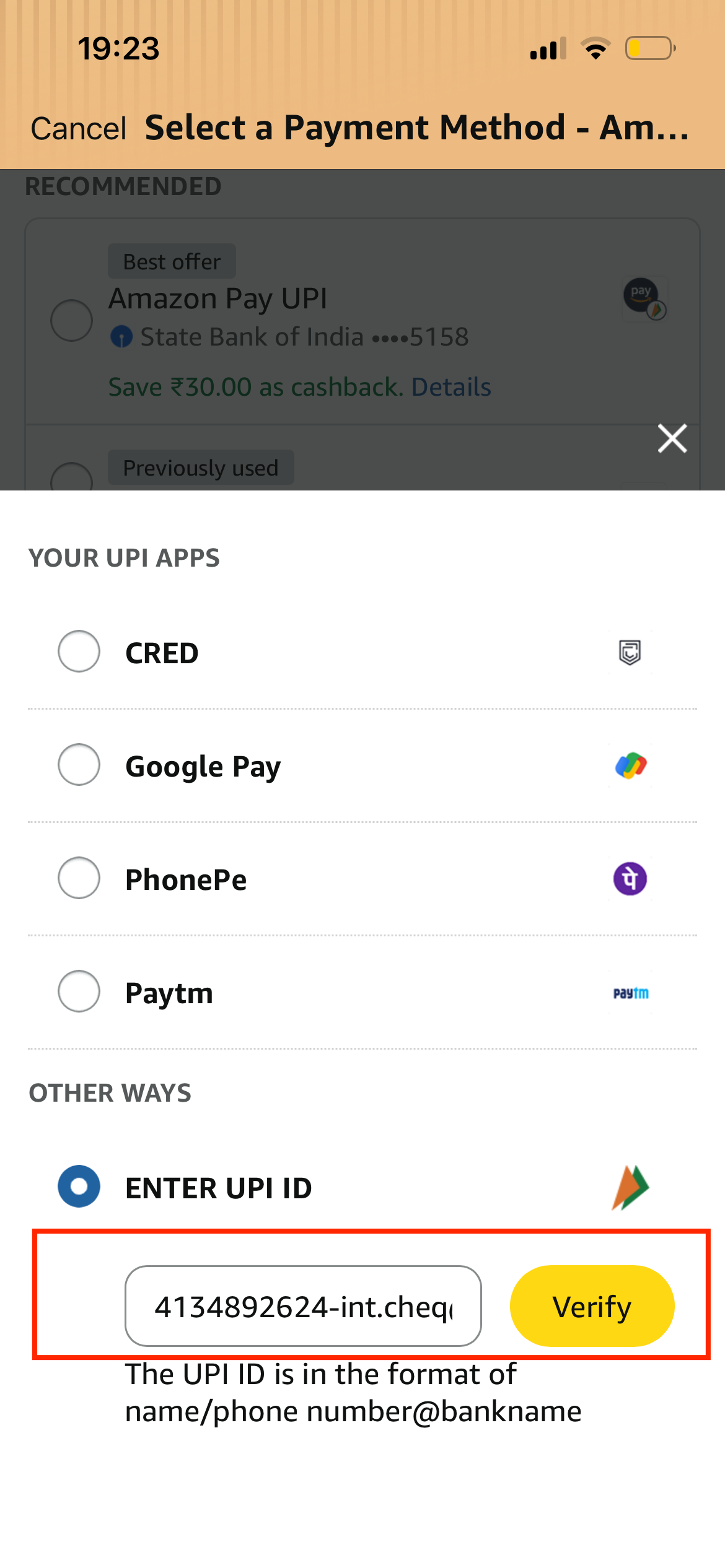
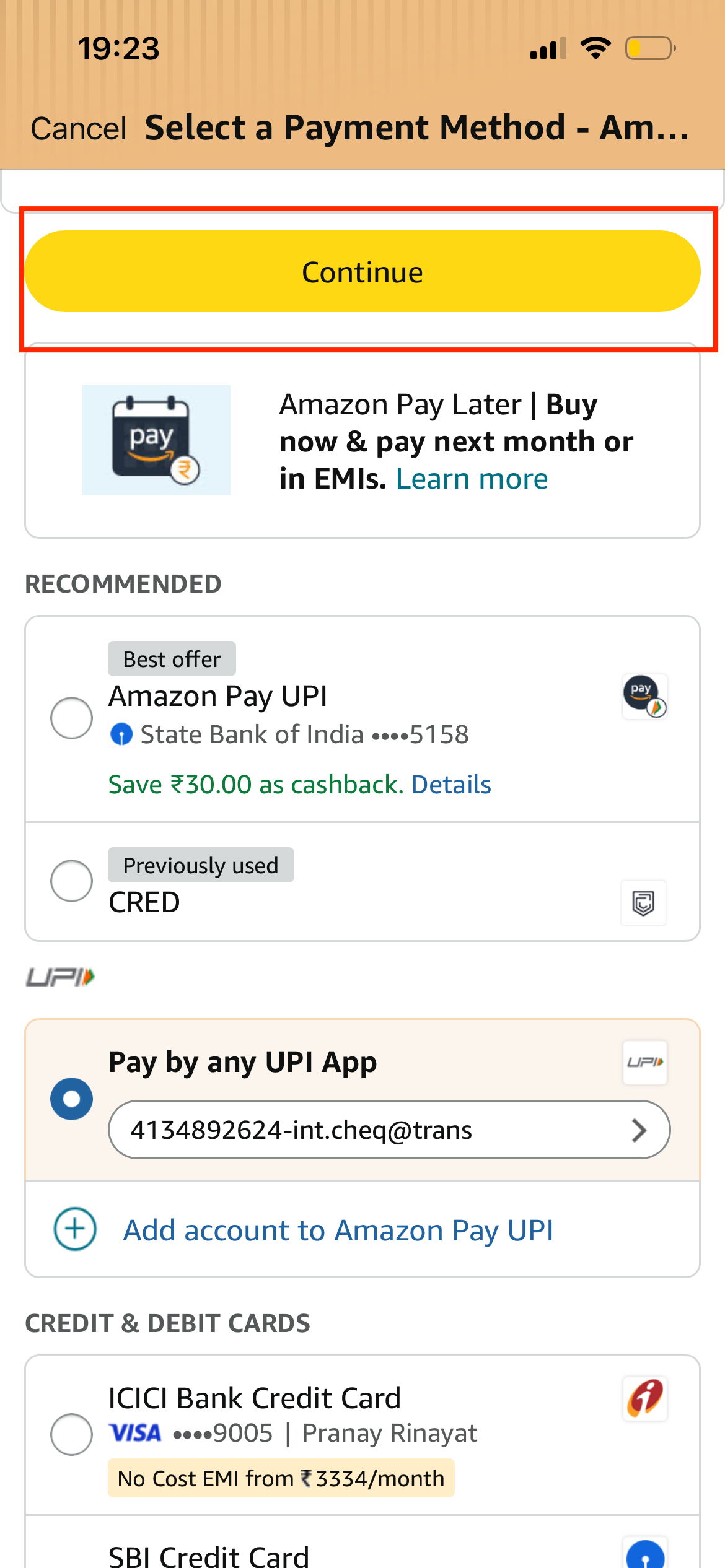
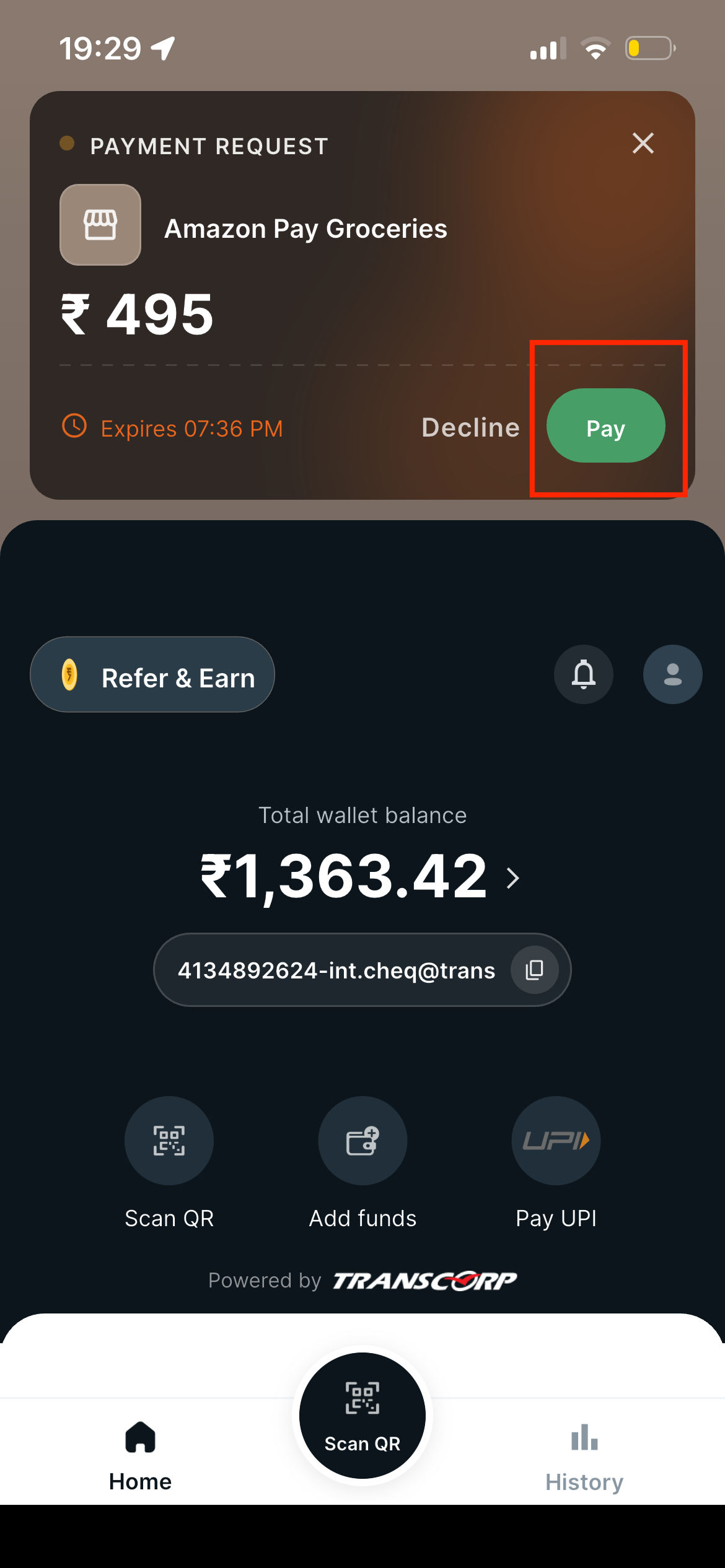
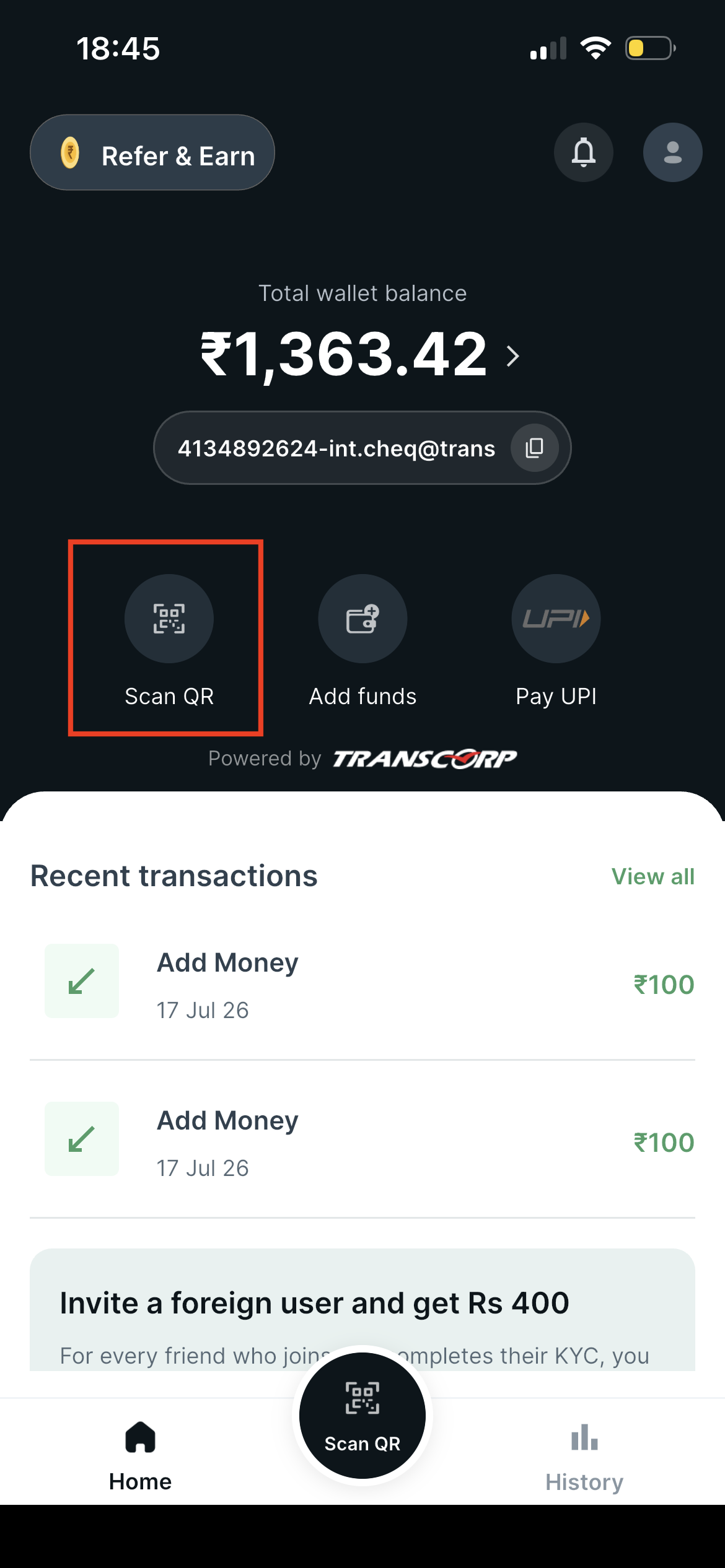
Get your UPI wallet working before you lean on cash at all. Most of what you'll actually pay for in Indian cities, restaurants, cabs, grocery runs, even a lot of street stalls, happens through a QR code now, and scanning one takes seconds.
CheqUPI does this for international cards specifically. It turns a Visa or Mastercard into something that works on UPI, no Indian bank account required. Once that's set up, cash stops being your main way to pay and becomes what it should be, a backup for the few situations UPI can't reach. Our UPI payment guide walks you through how to set it up.
Think of it in this order: UPI first, cash second. Your Rs 5,000 to 10,000 (approx $52 to $104) reserve is there for the gaps, not the everyday spending. Our currency and cash guide goes deeper into how the two work together across a longer trip.
Conclusion
The real number of how much cash to carry is smaller than most people expect before they land. Rs 5,000 to 10,000 (approx $52 to $104) in cash, backed up by a working UPI wallet, gets you through almost anything India throws at you. Sort both out before you arrive, and running low on cash stops being something you have to think about.
FAQs
How much cash should tourists carry in India?
Rs 5,000 to 10,000 (approx $52 to $104) is a sensible backup reserve, topped up from ATMs as you go rather than carried all at once.
Is it better to carry cash or use UPI in India? Both are equally useful in India. UPI handles most city spending, while cash still covers street vendors, small fares, and rural areas.
What denominations should I carry in India? Carry a mix of smaller denominations, especially Rs 10, Rs 20, Rs 50 and Rs 100 (roughly $0.10 to $1). These are more useful for everyday expenses such as street food, short auto-rickshaw rides and small purchases than larger notes.
How much does an ATM withdrawal cost for foreign cards in India? Usually Rs 200 to 335 (approx $2 to $3.5) per withdrawal, plus whatever foreign transaction fee your own bank charges.
Should I exchange currency at the airport? It’s generally better to avoid airport currency exchanges if you can. Airport money changers typically apply an 8 to 9 percent markup, while withdrawing cash from a city ATM can offer a more competitive exchange rate.
Do small vendors in India accept cards? Not usually. Card machines are still rare outside hotels and bigger shops. UPI QR codes are much more widely accepted.
Why can't vendors in India break large notes? Small vendors may not have enough change, especially early in the day when they have made fewer cash sales. A Rs 500 note (about $5.50) can be difficult to break for small purchases like chai or short rickshaw rides.
Is it risky to carry a lot of cash in India? It can be. Carrying large amounts isn't necessary. Keep a smaller cash reserve and top it up as needed, while using UPI for payments where it's accepted.
Can I rely on UPI instead of cash in India? Mostly, yes, in cities. Rural stops, temple donations, and some small vendors still expect cash though.
How do I avoid running out of cash in India? Pull larger amounts less often instead of making frequent small withdrawals, which just rack up fees over a trip.
“Download CheqUPI before your trip, complete activation once you land, and carry less cash with a lot more confidence.”